Where To Refill Oxygen And Acetylene Tanks

Many homeowners who dabble in DIY projects involving welding or metal cutting eventually face the same frustrating issue: empty oxygen and acetylene tanks. It’s incredibly common. You're in the middle of a project, sparks are flying, and suddenly, the flame sputters and dies. This article guides you through understanding the problem, finding refill locations, and ensuring a safe and efficient refill process.
The Empty Tank Dilemma
The first sign is usually obvious: a diminishing flame or no flame at all, even with the regulators fully open. Before you panic, let's rule out a few common culprits beyond simply running out of gas.
Step 1: Initial Diagnosis
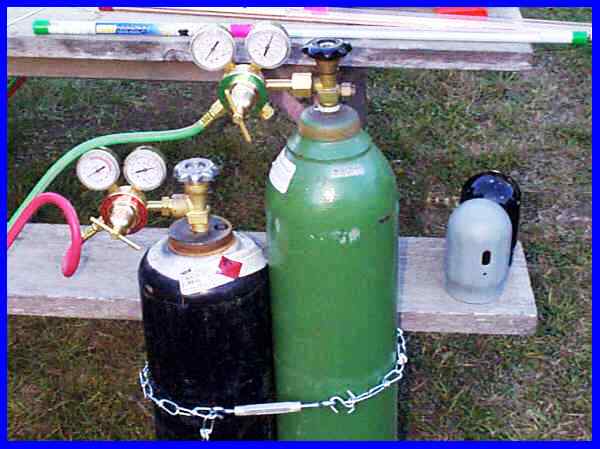
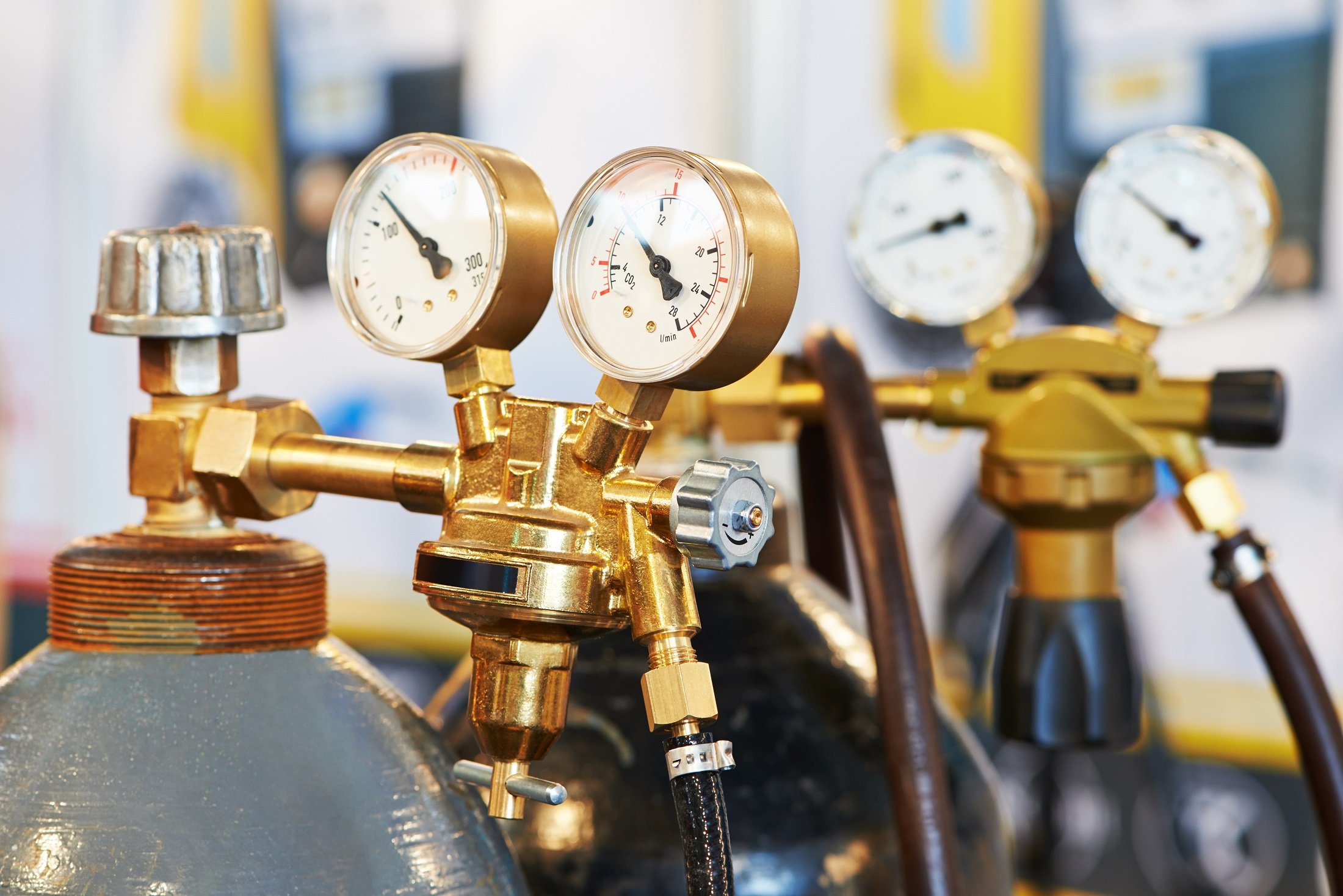
Check the Regulator Gauges: Always start by observing the high-pressure gauges on both your oxygen and acetylene regulators. These gauges show the pressure remaining in the tanks themselves. If they read near zero, it's a strong indication your tanks are indeed empty.
Inspect the Hoses: Look for any visible signs of damage – cracks, kinks, or cuts – in your hoses. Even a small leak can prevent proper gas flow.
Verify the Torch Valves: Make sure the torch valves are fully open. Sometimes, they can be accidentally closed or partially closed, restricting gas flow.
Check for Blockages: A less common, but possible issue, is a blockage in the torch tip. Remove the tip and inspect it for debris. A small welding tip cleaner can be used to carefully clear any obstructions.
Listen for Leaks: With the tanks turned on (but regulators still closed), listen carefully around the connections between the tanks, regulators, and hoses. A hissing sound indicates a leak. You can also use a solution of soapy water applied to the connections. Bubbles forming indicate a leak.
Step 2: Simple DIY Fixes (If Applicable)
If you identified a leak, try the following:
Tighten Connections: Carefully tighten the fittings with the appropriate wrench. Do not overtighten, as this can damage the threads. A snug fit is usually sufficient.
Replace Hoses: If the hose is damaged, it must be replaced. Never attempt to repair a damaged welding hose. Purchase a new hose that is compatible with your welding setup.
Clean the Tip: As mentioned before, use a welding tip cleaner to remove any debris from the torch tip.
Step 3: When to Call a Professional
If you've gone through these steps and are still experiencing problems with gas flow, or if you suspect a problem with the regulators themselves, stop immediately and consult a qualified welding technician. Regulators contain delicate mechanisms and attempting to repair them yourself can be extremely dangerous. Furthermore, if you find a persistent leak that you cannot resolve by tightening connections, it's time for professional help.
Finding Oxygen and Acetylene Refill Locations
Assuming your tanks are, in fact, empty, the next step is finding a reputable refill location. Here's where to look:
1. Welding Supply Stores
This is the most common and often the best option. Welding supply stores specialize in welding equipment and gases. They typically offer tank exchange programs or refills.
Benefits:
- Expert knowledge and advice
- Wide selection of welding supplies
- Proper handling and safety procedures
How to find them: Search online for "welding supply store near me" or "welding gas supplier."
2. Industrial Gas Suppliers
These companies supply a wide range of gases to various industries, including welding. They often have large-scale operations and may offer better pricing for bulk refills.
Benefits:
- Potentially lower prices for large refills
- Wide distribution network
How to find them: Search online for "industrial gas supplier" or check business directories.
3. Some Hardware Stores
Some larger hardware stores, particularly those with dedicated tool rental departments, may offer oxygen and acetylene tank exchange programs.
Benefits:
- Convenient location
- May offer exchange programs (easier than refills)
How to find them: Call your local hardware stores and ask if they offer gas refills or exchanges.
4. Auto Parts Stores (Limited)
A few auto parts stores might carry small oxygen and acetylene tanks, often for use in brazing or soldering. However, refills might be less common.
Benefits:
- Convenient for smaller tanks
How to find them: Check the websites of major auto parts chains or call your local stores.
5. Online Marketplaces (Caution Advised)
While you might find listings for gas refills on online marketplaces, exercise extreme caution. Ensure the seller is reputable and has the proper licensing and equipment for handling compressed gases. It is often better to stick with local established businesses. Do not purchase from unverified sources.
The Refill Process: What to Expect
Once you've located a refill supplier, here's what typically happens:
1. Transporting Your Tanks:
Safety is paramount. Ensure your tanks are secured upright during transport. Use a tank carrier or straps to prevent them from tipping over in your vehicle. Never transport tanks in the passenger compartment of your car. A pickup truck bed is ideal. Keep the valves closed and capped. Make sure the caps are secured tightly.
2. At the Supplier:
Inspection: The supplier will typically inspect your tanks for damage and ensure they are within their hydrostatic testing date. This is a safety requirement to ensure the tanks are structurally sound.
Exchange vs. Refill: You may have the option of exchanging your empty tank for a full one of the same size, or having your tank refilled directly. Exchange programs are often faster and more convenient.
Payment: You'll be charged for the gas refill or the exchange. Prices vary depending on the size of the tank and the supplier.
3. Hydrostatic Testing:
This is crucial for safety. Oxygen and acetylene tanks must be hydrostatically tested every few years (typically 5-10 years, depending on the tank and local regulations). This test ensures the tank can withstand the pressure of the gas it contains. The supplier will check the tank's date stamp. If the tank is out of date, they will not refill it until it has been re-certified. You will need to find a testing facility for this. The welding supply store will be able to tell you this information.
4. Returning Home:
Follow the same safety precautions when transporting the full tanks back home. Secure them properly in your vehicle and ensure the valves are closed and capped.
Safety Tips for Handling Oxygen and Acetylene Tanks
Welding gases are potentially dangerous if not handled properly. Here are some essential safety guidelines:
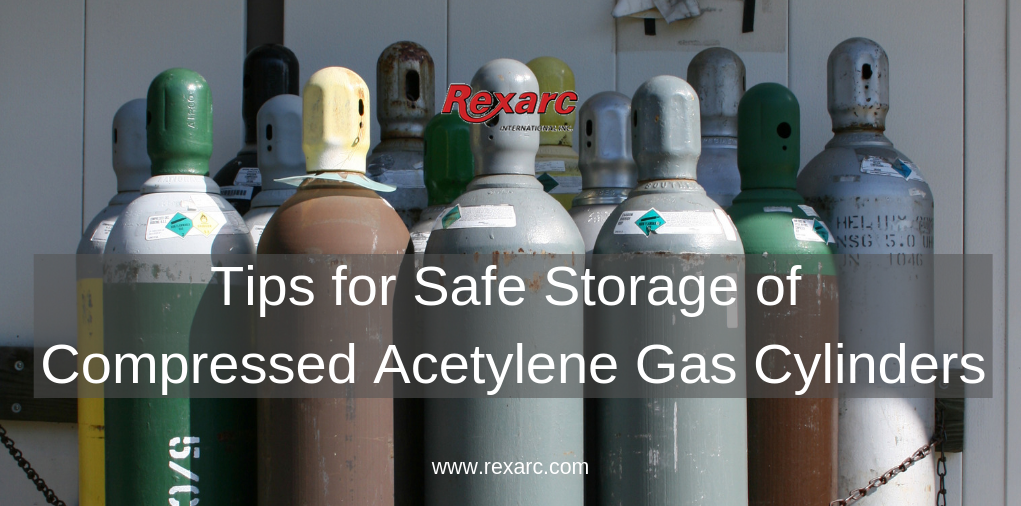
- Store Tanks Upright: Secure tanks in an upright position to prevent them from falling over.
- Ventilation: Work in a well-ventilated area to prevent the buildup of flammable gases.
- No Smoking: Never smoke or allow open flames near oxygen or acetylene tanks.
- Valve Protection: Always keep the valve protection caps in place when the tanks are not in use or being transported.
- Proper Regulators: Use only regulators specifically designed for oxygen and acetylene.
- Leak Detection: Regularly check for leaks using soapy water.
- Avoid Dropping or Banging: Handle tanks with care to avoid damaging them.
- Keep Away from Heat: Store tanks away from heat sources and direct sunlight.
- Know Emergency Procedures: Familiarize yourself with emergency procedures in case of a gas leak or fire.
- Read the Manuals: Always read and understand the instructions and safety information provided by the tank and regulator manufacturers.
Understanding Tank Sizes and Regulations
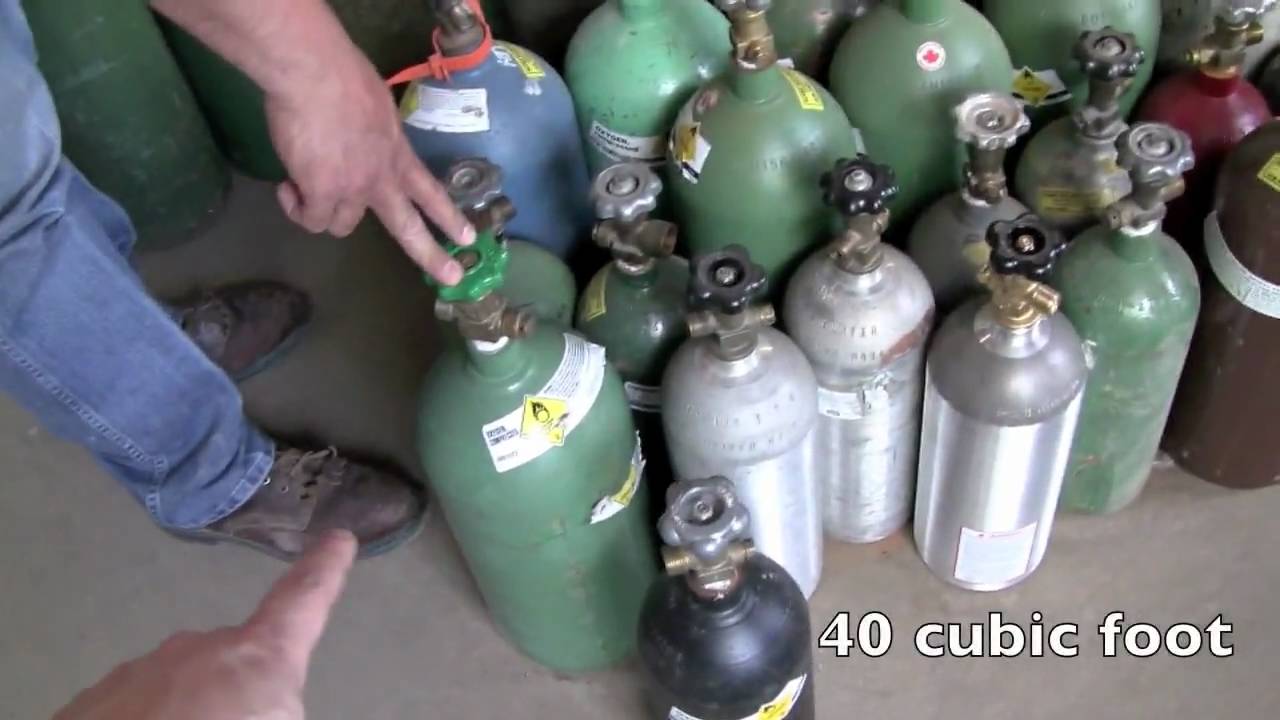
Oxygen and acetylene tanks come in various sizes, typically designated by a letter code (e.g., MC, B, R). The size you need will depend on the scale of your welding projects. Welding supply stores can help you choose the right size.
Local regulations may govern the storage and handling of compressed gas cylinders. Check with your local fire department or building codes department for specific requirements in your area.
Conclusion
Running out of oxygen or acetylene is a common occurrence for DIY welders. By following these steps, you can diagnose the problem, find a reliable refill location, and ensure a safe and efficient refill process. Remember to prioritize safety at all times and seek professional assistance when needed. With a little knowledge and preparation, you can keep your welding projects running smoothly.