Which Aircon Brand Is The Best

Homeowners frequently grapple with air conditioning units that blow warm air instead of cold, or fail to adequately heat a space during colder months. This issue can stem from various causes, some easily addressed while others demand professional intervention. This guide provides a systematic approach to diagnosing and resolving common air conditioning problems, helping you determine if it's a DIY fix or time to call in the experts.
Troubleshooting: Your Aircon Isn't Cooling (or Heating) Properly
Before jumping to conclusions about which brand is “best,” remember that even the most reliable air conditioner can experience issues. The key is to identify the root cause and address it effectively. Let's start with a methodical diagnostic process.
Step 1: Initial Assessment - What Can You Check Without Tools?
Begin with the simplest checks, requiring no tools or specialized knowledge. These steps often reveal easily correctable problems.
- Check the Thermostat: Is it set correctly? Ensure the thermostat is set to "Cool" (or "Heat" in winter) and the desired temperature is significantly lower (or higher) than the current room temperature. A common mistake is accidentally leaving it in "Fan Only" mode.
- Inspect the Air Filter: A dirty air filter is one of the most common culprits behind poor air conditioning performance. A clogged filter restricts airflow, making the unit work harder and less efficiently. It can also lead to coil freeze-up.
- Verify Power Supply: Make sure the air conditioner is receiving power. Check the circuit breaker in your electrical panel. If the breaker has tripped, reset it. If it trips again immediately, there may be a short circuit, requiring professional attention.
- Examine Outdoor Unit (if applicable): Is the outdoor unit free of obstructions? Ensure there are no bushes, debris, or other objects blocking airflow around the unit. Clear any visible obstructions.
- Check Vents: Make sure all supply vents in your home are open and unobstructed by furniture or curtains. Closed vents can restrict airflow and reduce overall cooling (or heating) efficiency.
If all of these checks are clear and the problem persists, move on to the next step.
Step 2: Intermediate Checks - Basic Equipment Required
These steps require some basic equipment, typically a screwdriver and possibly a multimeter. Exercise caution when working with electrical components. If you are uncomfortable with any of these steps, consult a qualified HVAC technician.
- Inspect the Condenser Coils (Outdoor Unit): With the power to the unit turned off at the breaker, visually inspect the condenser coils. These coils are responsible for releasing heat from your home. They can become dirty and clogged with debris, reducing their efficiency. Use a garden hose with a gentle spray nozzle to clean the coils. Avoid using high-pressure spray, which can damage the fins.
- Check the Evaporator Coils (Indoor Unit): Accessing the evaporator coils often requires removing a panel on the indoor unit. With the power turned off at the breaker, inspect the coils for ice buildup. If you find ice, the unit may be freezing up due to low refrigerant, a dirty air filter, or a malfunctioning blower motor. Let the ice melt completely before restarting the unit. Replace the air filter immediately if it's dirty.
- Test the Capacitor: The capacitor is a component that helps start and run the air conditioner's motor. A failing capacitor is a common cause of air conditioning problems. Testing a capacitor requires a multimeter and knowledge of electrical safety. If you are not comfortable using a multimeter, DO NOT attempt this step. A failed capacitor often appears swollen or leaking. If the capacitor is faulty, it needs to be replaced by a qualified technician.
Important Safety Note: Before working on any electrical components, always turn off the power at the circuit breaker. Double-check that the power is off before touching any wires or components.
Step 3: Identifying Problems Beyond DIY Repair
Certain air conditioning problems are best left to qualified HVAC technicians. Attempting to repair these issues yourself can be dangerous and potentially void your warranty.
- Refrigerant Leaks: If you suspect a refrigerant leak, do not attempt to repair it yourself. Refrigerant is a hazardous substance, and handling it requires specialized equipment and training. Signs of a refrigerant leak include:
- Ice buildup on the evaporator coils even after cleaning the air filter.
- Weak airflow.
- Hissing or bubbling sound coming from the unit.
- Significantly reduced cooling capacity.
- Compressor Issues: The compressor is the heart of the air conditioning system. If the compressor is failing, the unit will not cool properly. Diagnosing and repairing compressor problems requires specialized equipment and knowledge. Signs of a compressor problem include:
- Loud or unusual noises coming from the outdoor unit.
- The unit cycles on and off frequently.
- The unit fails to cool even when running continuously.
- Electrical Problems: If you suspect an electrical problem beyond a tripped circuit breaker, do not attempt to diagnose or repair it yourself. Electrical work can be dangerous, and incorrect wiring can lead to fires or electrocution. Contact a qualified electrician or HVAC technician to diagnose and repair electrical problems.
- Blower Motor Malfunctions: The blower motor circulates air through the system. If the blower motor is not working properly, the unit will not cool or heat effectively. Diagnosing and repairing blower motor problems often requires specialized tools and knowledge. Signs of a blower motor problem include:
- Weak airflow.
- Unusual noises coming from the indoor unit.
- The blower motor does not turn on at all.
Aircon Brands: A Note on Reliability and Features
While this article focuses on troubleshooting, it's natural to wonder about brand reliability. The "best" aircon brand is subjective and depends on individual needs, budget, and priorities. Consider these factors when researching brands:
- SEER Rating: The Seasonal Energy Efficiency Ratio (SEER) measures the cooling efficiency of an air conditioner. A higher SEER rating indicates greater energy efficiency and lower operating costs.
- HSPF Rating: The Heating Seasonal Performance Factor (HSPF) measures the heating efficiency of a heat pump. A higher HSPF rating indicates greater energy efficiency.
- Features: Look for features such as programmable thermostats, variable-speed blowers, and smart home integration.
- Warranty: A good warranty provides peace of mind and protects you from unexpected repair costs.
- Reputation: Research brands and read online reviews to get an idea of their reliability and customer satisfaction.
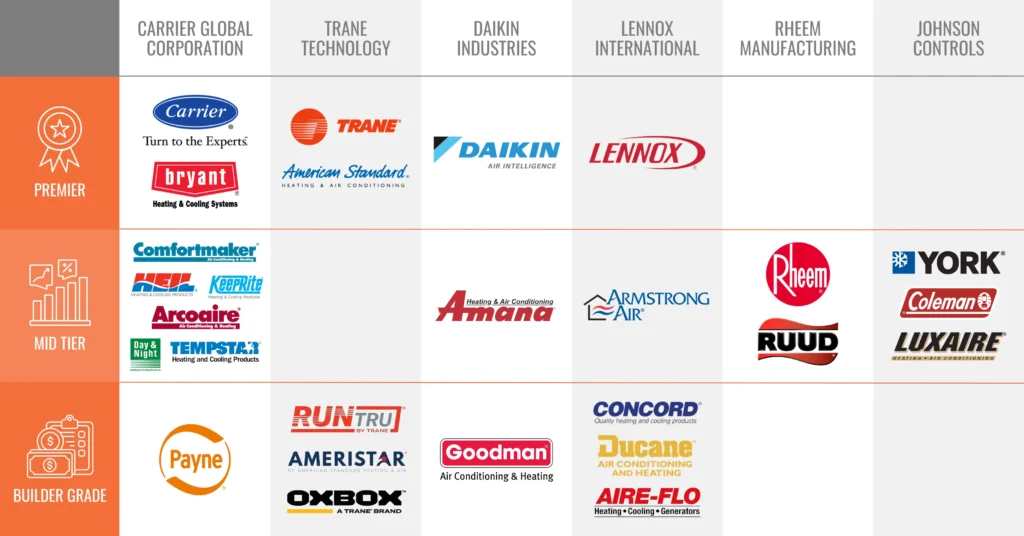
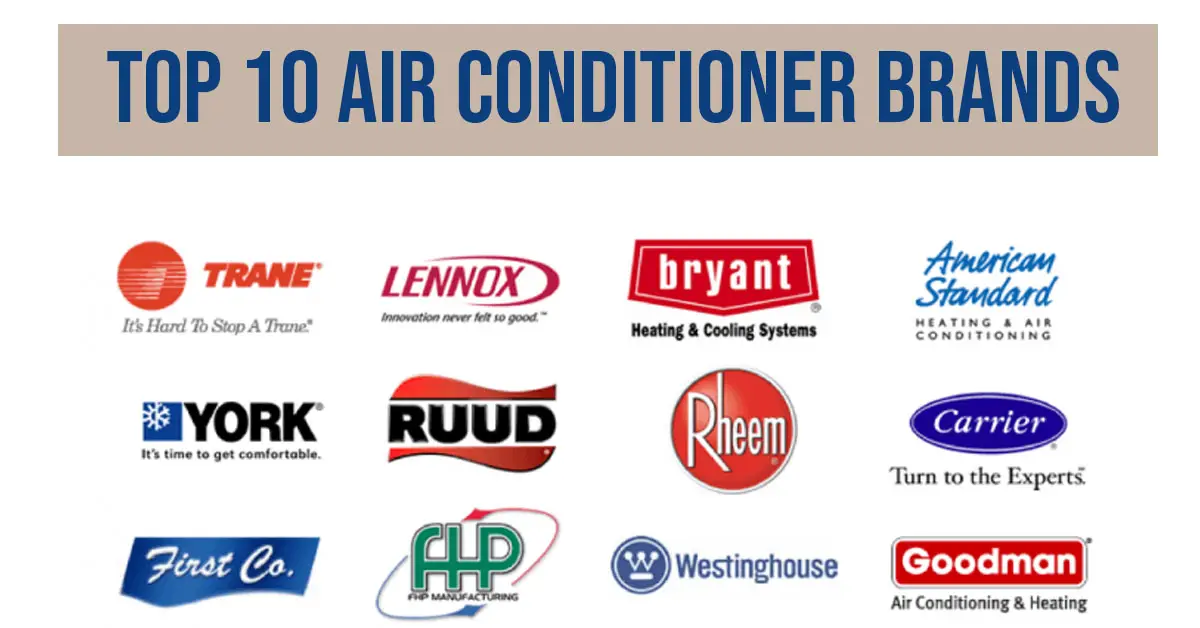
Some popular and well-regarded brands include (but are not limited to):
- Carrier
- Trane
- Lennox
- Rheem
- Goodman
- Mitsubishi Electric (for ductless systems)
Important: Proper installation is crucial, regardless of the brand. A poorly installed air conditioner will not perform optimally and may experience problems sooner than expected. Always choose a qualified and experienced HVAC contractor for installation.
Preventative Maintenance: Keeping Your Aircon in Top Shape
Regular maintenance can help prevent air conditioning problems and extend the life of your unit. Consider these preventative measures:
- Change the Air Filter Regularly: As mentioned earlier, a dirty air filter is a major cause of air conditioning problems. Check the air filter monthly and replace it when it's dirty.
- Clean the Condenser Coils Annually: Clean the condenser coils at least once a year to remove dirt and debris.
- Schedule Professional Maintenance: Have your air conditioner professionally inspected and tuned up annually. A qualified HVAC technician can identify and address potential problems before they become major issues.
By following these troubleshooting steps and implementing preventative maintenance measures, you can keep your air conditioner running smoothly and efficiently for years to come. Remember, when in doubt, always consult a qualified HVAC technician. Trying to fix complex issues without the proper knowledge and tools can be dangerous and costly in the long run.