
Which Design Of Humidifier Uses The Most Water

Maintaining the right humidity level in your home is crucial for comfort, health, and even protecting your furniture. But with different types of humidifiers available, you might wonder which one is guzzling the most water. Understanding this can help you optimize your humidifier use, conserve water, and potentially save money on your utility bills. Let’s dive in and explore which humidifier design tends to be the thirstiest.
Understanding Humidifier Types
Before we get into which design uses the most water, let's quickly review the common types of humidifiers found in homes. Each operates on a different principle, which directly affects its water consumption.
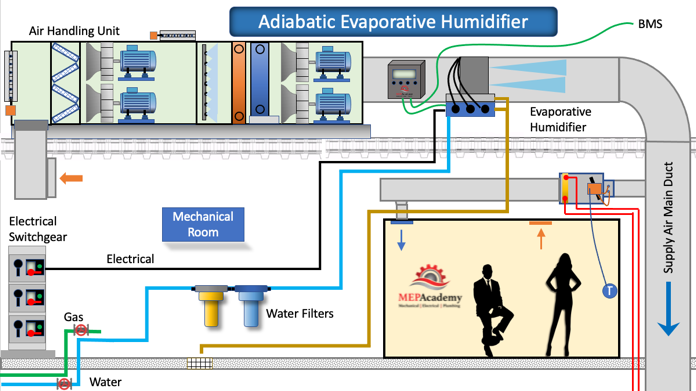
- Evaporator Humidifiers: These use a fan to blow air through a wet wick, filter, or pad. The water evaporates into the air, increasing humidity.
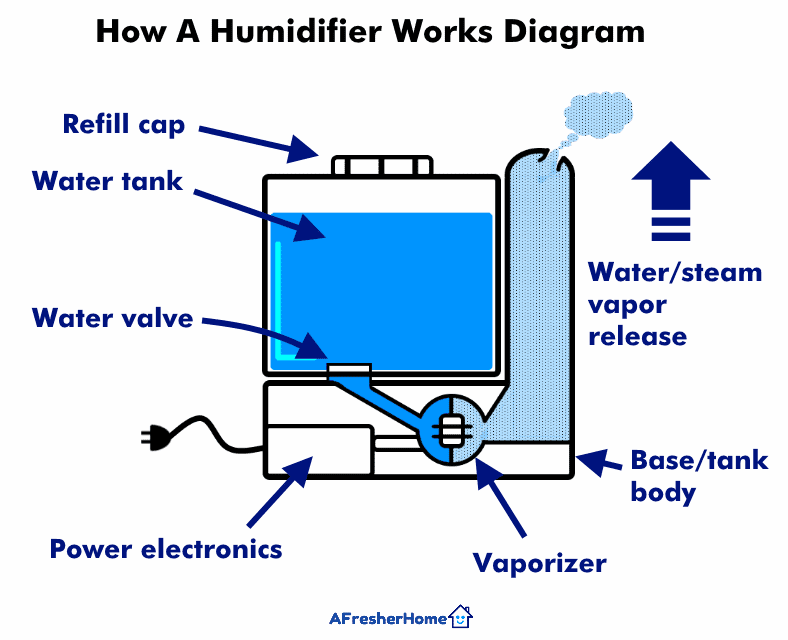
- Ultrasonic Humidifiers: These use a vibrating transducer to create a fine mist that is then dispersed into the air.
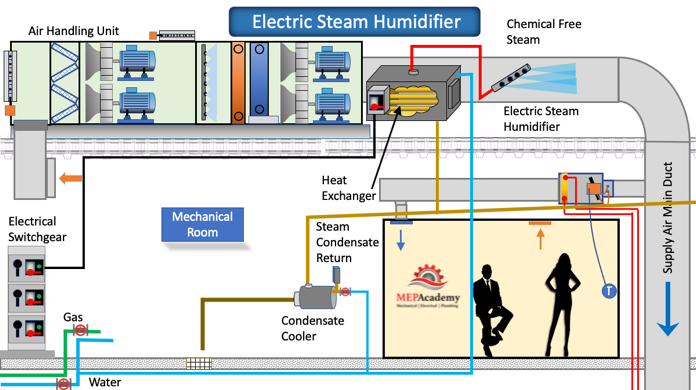
- Steam Humidifiers (Vaporizers): These heat water to create steam, which is then released into the air.
- Impeller Humidifiers: These use a rotating disk to fling water onto a diffuser, breaking it into fine droplets that are dispersed into the air.
- Whole-House Humidifiers: These are integrated into your HVAC system and humidify the entire home through the ductwork. These can be evaporative, steam, or bypass types.
The Water Consumption Culprit: Evaporative Whole-House Humidifiers
While individual units can vary, generally, evaporative whole-house humidifiers integrated with your HVAC system tend to use the most water. Here's why:
They operate whenever your furnace is running to achieve the desired humidity level, and their design inherently requires a constant supply of water to the evaporator pad. The larger the house and the drier the air, the more water they'll consume. Furthermore, *bypass* evaporative humidifiers continuously feed water into the unit whether or not it's actively humidifying. This is because they rely on the pressure difference between the supply and return ducts to draw air across the wet pad.
Consider a scenario: you have a large home in a region with very cold winters and forced air heating. Your thermostat triggers both the furnace and the humidifier to run frequently to maintain a comfortable humidity level. This continuous operation, coupled with the natural inefficiencies of evaporative technology in large systems, results in significant water usage.
Why Evaporative Whole-House Humidifiers Use More Water: A Deep Dive
Several factors contribute to the high water consumption of these systems:
- Continuous Operation: Whole-house humidifiers operate in tandem with your furnace, and often run for extended periods during cold, dry months.
- Evaporative Process: Evaporation requires a substantial amount of water. The larger the surface area of the evaporator pad and the drier the incoming air, the more water will be evaporated.
- Water Waste: Some models, particularly bypass humidifiers, continuously trickle water, regardless of the humidity level. This leads to significant water waste down the drain.
- Scale Buildup: Mineral deposits from hard water can accumulate on the evaporator pad, reducing its efficiency and increasing water consumption as the system tries to compensate.
Other Humidifier Types and Water Usage
Let's compare the water consumption of other humidifier types:
- Ultrasonic Humidifiers: These are generally water-efficient. They create mist using ultrasonic vibrations, so they don't waste much water. The size of the tank is the limiting factor.
- Steam Humidifiers (Vaporizers): They are also relatively water-efficient. They boil water, converting almost all of it into steam. However, they can consume a significant amount of electricity.
- Impeller Humidifiers: Similar to ultrasonic humidifiers, impeller humidifiers are generally water-efficient. The water is simply broken into droplets and dispersed.
- Portable Evaporative Humidifiers: These use less water than whole-house evaporative systems simply because they are smaller and humidify a smaller area. However, they still rely on evaporation, which can be less efficient than ultrasonic or steam methods.
Estimating Water Usage and Costs
It's difficult to give precise figures for water usage because it depends on many variables, including:
- House Size: Larger houses require more humidification.
- Climate: Drier climates require more humidification.
- Insulation: Poorly insulated homes lose humidity faster.
- Humidifier Efficiency: Some models are more efficient than others.
- Water Hardness: Hard water leads to scale buildup and reduced efficiency.
However, you can get a rough estimate by:
- Checking your water bill: Compare your water usage during humidification season (winter) to non-humidification season (summer). The difference is likely due to humidifier use (among other factors).
- Monitoring the humidifier's tank refills: For portable humidifiers, track how often you need to refill the tank. This will give you a direct measure of water consumption.
Once you have an estimate of water usage, you can multiply it by your water rate to calculate the approximate cost.
Troubleshooting High Water Consumption
If you suspect your humidifier is using too much water, here are some troubleshooting steps:
- Check for leaks: Inspect the humidifier and its connections for any signs of leaks.
- Clean the humidifier: Scale buildup can reduce efficiency. Clean the humidifier regularly according to the manufacturer's instructions.
- Replace the filter or pad: A clogged filter or pad can restrict airflow and reduce efficiency.
- Adjust the humidity setting: Don't set the humidity too high. Over-humidifying can lead to condensation and mold growth. The recommended indoor humidity is between 30% and 50%.
- Inspect ductwork: If you have a whole-house humidifier, check your ductwork for leaks. Leaky ducts can reduce efficiency and increase water consumption.
- Evaluate your home's insulation: Poor insulation can cause humidity to escape, forcing the humidifier to work harder.
DIY Repairs vs. Calling a Professional
Some humidifier maintenance and troubleshooting tasks are within the scope of DIY. These include:
- Cleaning the humidifier
- Replacing the filter or pad
- Adjusting the humidity setting
However, more complex repairs, such as:
- Repairing leaks in the humidifier or its connections
- Troubleshooting electrical problems
- Inspecting and repairing ductwork
- Replacing major components of a whole-house humidifier
are best left to a qualified HVAC technician. Working with water and electricity can be dangerous, and incorrect repairs can damage your humidifier or even pose a safety hazard.
Safety First!
Always remember to prioritize safety when working with humidifiers:
- Unplug the humidifier before performing any maintenance or repairs.
- Read the manufacturer's instructions carefully before attempting any repairs.
- Wear appropriate safety gear, such as gloves and eye protection.
- If you are not comfortable with a particular repair, call a professional.
Cost Considerations
The cost of humidifier repairs can vary depending on the type of humidifier, the nature of the problem, and the hourly rate of the HVAC technician. Here are some rough estimates:
- Cleaning and basic maintenance: DIY - negligible cost
- Replacing a filter or pad: $10 - $30 (DIY)
- Leak repair: $75 - $200 (professional)
- Electrical repair: $100 - $300 (professional)
- Replacing a major component: $200 - $500+ (professional)
These are just estimates, and the actual cost may vary. Always get a written estimate from a qualified HVAC technician before authorizing any repairs.
Long-Term Solutions: Water Conservation Strategies
If you're concerned about the water consumption of your humidifier, consider these strategies:
- Upgrade to a more efficient humidifier: Consider replacing an older, less efficient humidifier with a newer, more efficient model, such as an ultrasonic or steam humidifier.
- Switch to a whole-house steam humidifier: These consume less water compared to traditional bypass evaporative models.
- Install a humidifier with a water-saving feature: Some humidifiers have features that reduce water waste, such as automatic shut-off or water recycling.
- Improve your home's insulation: Proper insulation can reduce humidity loss and decrease the need for humidification.
- Use a smart thermostat: Smart thermostats can optimize humidity levels based on your home's conditions and your preferences.
- Consider a descaling system: Installing a water softener can reduce scale buildup and improve humidifier efficiency.
Conclusion
While all humidifiers use water to increase humidity, evaporative whole-house humidifiers are generally the thirstiest due to their design and continuous operation. Understanding the factors that contribute to high water consumption, troubleshooting common issues, and implementing water conservation strategies can help you optimize your humidifier use and reduce your water footprint. Remember to prioritize safety and call a professional for complex repairs. By being informed and proactive, you can enjoy the benefits of a properly humidified home without wasting water or breaking the bank.


:max_bytes(150000):strip_icc()/spr-product-dreo-humidifer-713S-dburreson-003-db8b862a4b10492587cab94da2d6af46.jpeg)
