Which Line Is The Suction Line On Air Conditioner

Identifying the Suction Line on Your Air Conditioner: A Homeowner's Guide
Understanding the different components of your air conditioning system can empower you to diagnose minor issues and communicate effectively with HVAC professionals. One crucial component is the suction line. This article will help you identify the suction line, understand its function, and troubleshoot common problems. Always prioritize safety when working with electrical and mechanical equipment.
What is the Suction Line?
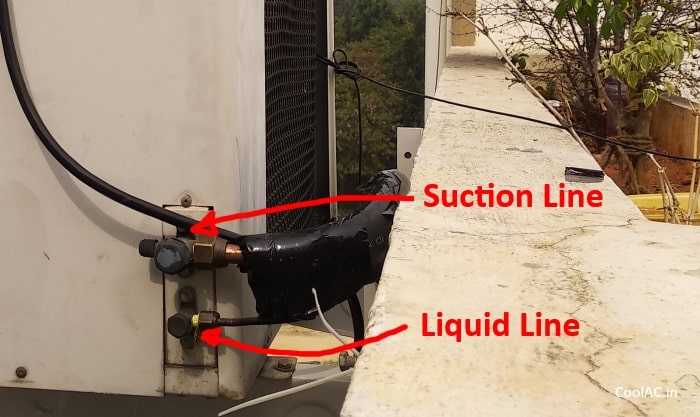
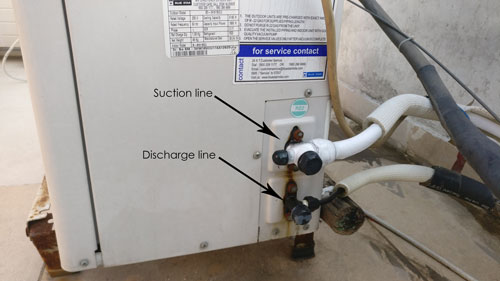
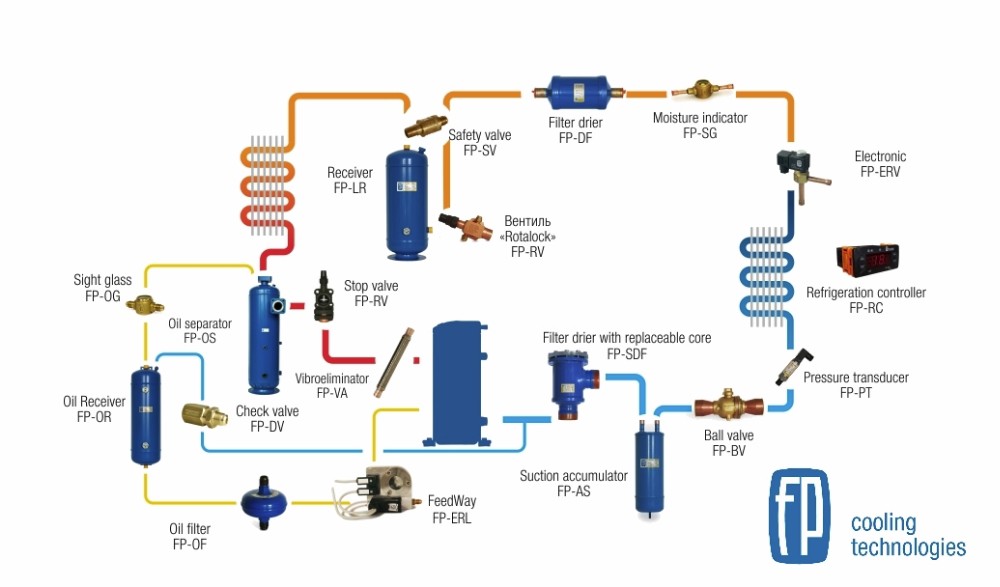
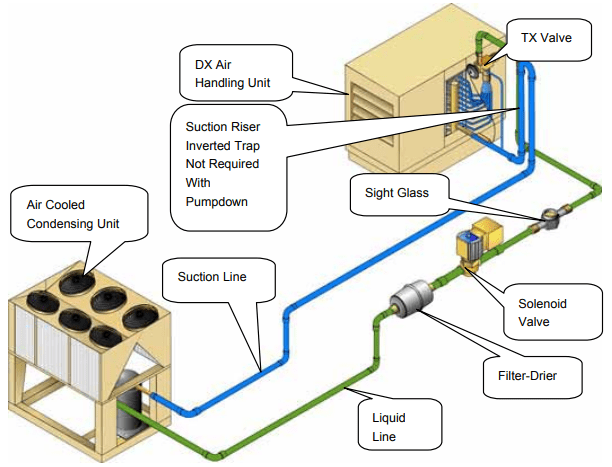
The suction line, also known as the vapor line or return line, is one of the two copper pipes connecting your outdoor air conditioning unit (the condenser) to your indoor unit (the evaporator coil). Its primary function is to carry cool, low-pressure refrigerant gas *from* the evaporator coil *back to* the compressor in the outdoor unit.
How to Identify the Suction Line
Here's a step-by-step guide to identifying the suction line:
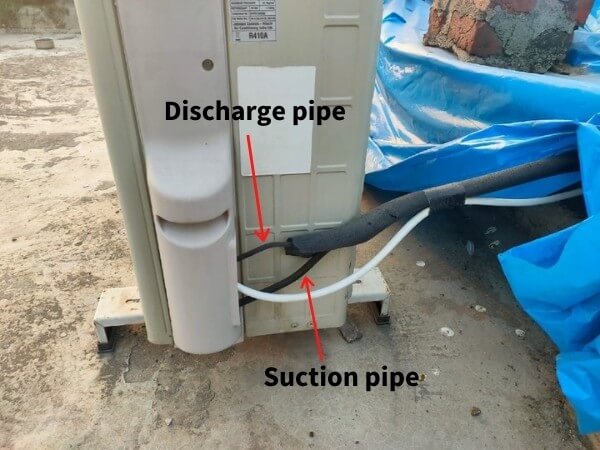
- Locate the Copper Pipes: Go to your outdoor air conditioning unit (the condenser). You'll see two insulated copper pipes exiting the unit and running towards your house.
- Check the Size: The suction line is generally the larger of the two copper pipes. It’s often ¾ inch or larger in diameter, though this can vary based on the size of your system. The other, smaller pipe is the liquid line.
- Look for Insulation: The suction line is almost always heavily insulated. This insulation helps prevent condensation and ensures that the refrigerant doesn't warm up before reaching the compressor. The insulation is typically black or gray foam.
- Trace the Line: Follow the larger, insulated pipe to where it enters your house. It should lead directly to the indoor unit (air handler or furnace).
Warning: Never cut or puncture either of these lines. They contain pressurized refrigerant, which can be dangerous. Contact with refrigerant can cause frostbite and other health issues. If you suspect a leak, call a qualified HVAC technician immediately.
Tools That Might Be Helpful
- Flashlight: For better visibility, especially in poorly lit areas.
- Work Gloves: To protect your hands.
- Safety Glasses: To protect your eyes from debris.
- Tape Measure: To help determine the size of the pipes.
Why is Identifying the Suction Line Important?
Knowing which line is the suction line is important for several reasons:
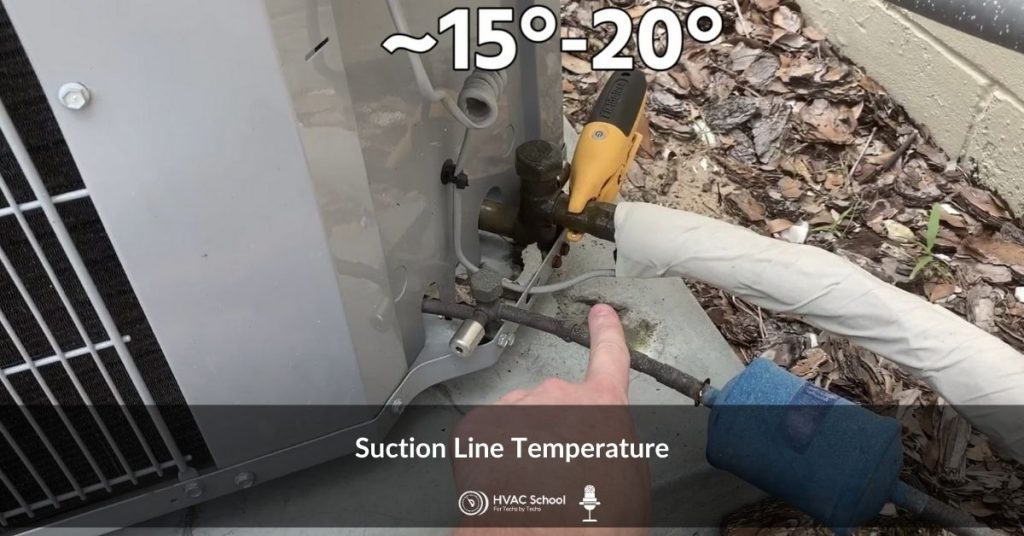
- Troubleshooting: Many AC problems can be diagnosed by checking the condition of the suction line. For example, a frozen suction line is a common symptom of low refrigerant or airflow issues.
- Understanding System Performance: The temperature of the suction line can provide clues about the overall performance of your AC system. An extremely cold suction line, especially one that's freezing, indicates a problem.
- Adding Refrigerant: HVAC technicians use the suction line to connect gauges and add refrigerant to the system.
- Avoiding Costly Mistakes: Mistaking the liquid line for the suction line can lead to incorrect diagnosis and potentially damage your system.
Common Problems Related to the Suction Line
Here are some common issues that can affect the suction line:
Frozen Suction Line
A frozen suction line is a common problem that indicates a larger issue within the AC system. Possible causes include:
- Low Refrigerant: Insufficient refrigerant can cause the evaporator coil to become too cold, leading to ice formation on the suction line.
- Restricted Airflow: A dirty air filter, blocked vents, or a malfunctioning blower motor can restrict airflow over the evaporator coil, causing it to freeze.
- Dirty Evaporator Coil: Dirt and debris on the evaporator coil can also restrict airflow and lead to freezing.
- Blower motor issues: If the blower motor is not working properly, the coil can freeze up.
What to do:
- Turn off the AC system.
- Check and replace the air filter.
- Ensure that all vents are open and unobstructed.
- Allow the ice to thaw completely. This may take several hours.
- Turn the AC back on and monitor the suction line. If the problem persists, call a qualified HVAC technician.
Warm Suction Line
A warm or hot suction line can indicate that the compressor is overheating or that the system is not properly cooling the refrigerant. Possible causes include:
- Compressor Issues: A failing compressor can cause the suction line to become warm.
- Refrigerant Leaks: Low refrigerant levels can cause the system to run inefficiently and the suction line to heat up.
- Restricted Refrigerant Flow: Blockages in the refrigerant lines can prevent proper cooling.
What to do:
- Turn off the AC system.
- Check for any obvious leaks or damage to the refrigerant lines.
- Call a qualified HVAC technician to diagnose and repair the problem.
Leaking Suction Line
A refrigerant leak from the suction line is a serious issue that requires immediate attention. Signs of a leak include:
- Visible Oil Stains: Oil often leaks out along with the refrigerant, leaving visible stains on the copper lines.
- Hissing Sound: A hissing sound near the suction line can indicate a refrigerant leak.
- Poor Cooling Performance: A refrigerant leak will reduce the cooling capacity of your AC system.
What to do:
- Turn off the AC system.
- Evacuate the area and ventilate the space.
- Call a qualified HVAC technician immediately. Refrigerant leaks can be hazardous to your health and the environment.
When to Call a Professional
While some minor issues, like replacing a dirty air filter, can be handled yourself, it's important to know when to call a qualified HVAC technician. Here are some situations that require professional assistance:
- Refrigerant Leaks: Refrigerant leaks are hazardous and require specialized equipment to repair.
- Compressor Problems: Compressor repairs are complex and should only be performed by trained professionals.
- Electrical Issues: Electrical problems within the AC system can be dangerous and require specialized knowledge.
- Persistent Problems: If you've tried troubleshooting basic issues and the problem persists, it's time to call a professional.
- You Lack Experience: If you are not comfortable working with electrical or mechanical equipment, do not attempt to repair your AC system yourself.
Estimated Repair Costs
Here are some rough estimates of common AC repair costs. These prices can vary depending on your location, the complexity of the job, and the HVAC contractor you choose.
- Refrigerant Recharge: $150 - $400
- Refrigerant Leak Repair: $200 - $1500 (depending on the location and severity of the leak)
- Compressor Replacement: $800 - $2500
- Evaporator Coil Replacement: $600 - $2000
- Blower Motor Replacement: $300 - $800
Important Note: Always get multiple quotes from different HVAC contractors before proceeding with any repairs. Make sure the contractors are licensed and insured.
Safety Precautions
Always prioritize safety when working with your AC system:
- Turn off the Power: Before performing any maintenance or repairs, turn off the power to the AC unit at the breaker box.
- Wear Protective Gear: Wear safety glasses and work gloves to protect yourself from injury.
- Avoid Contact with Refrigerant: Refrigerant can cause frostbite and other health problems. If you suspect a leak, evacuate the area and call a professional.
- Don't Work Alone: It's always a good idea to have someone nearby when working with electrical or mechanical equipment.
Conclusion
Understanding the location and function of the suction line on your air conditioner can help you diagnose minor problems and communicate effectively with HVAC professionals. Remember to prioritize safety and call a qualified technician for any complex repairs. By taking proactive steps to maintain your AC system, you can ensure its efficient operation and extend its lifespan.