Which Line Is The Suction Line On An Ac

Understanding the components of your air conditioning system is key to maintaining its efficiency and lowering your energy bills. One of the most crucial aspects to grasp is identifying the suction line. This article will delve into the specifics of the suction line, its role in your AC's operation, and why proper maintenance and understanding can lead to significant energy savings and improved performance.
Identifying the Suction Line: A Homeowner's Guide
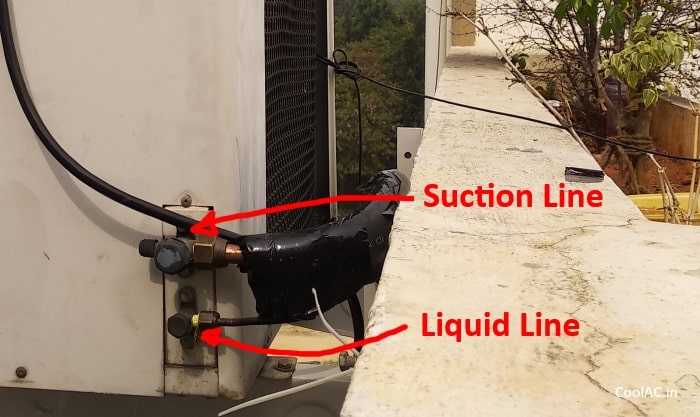
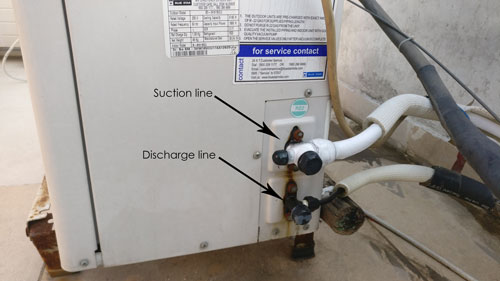
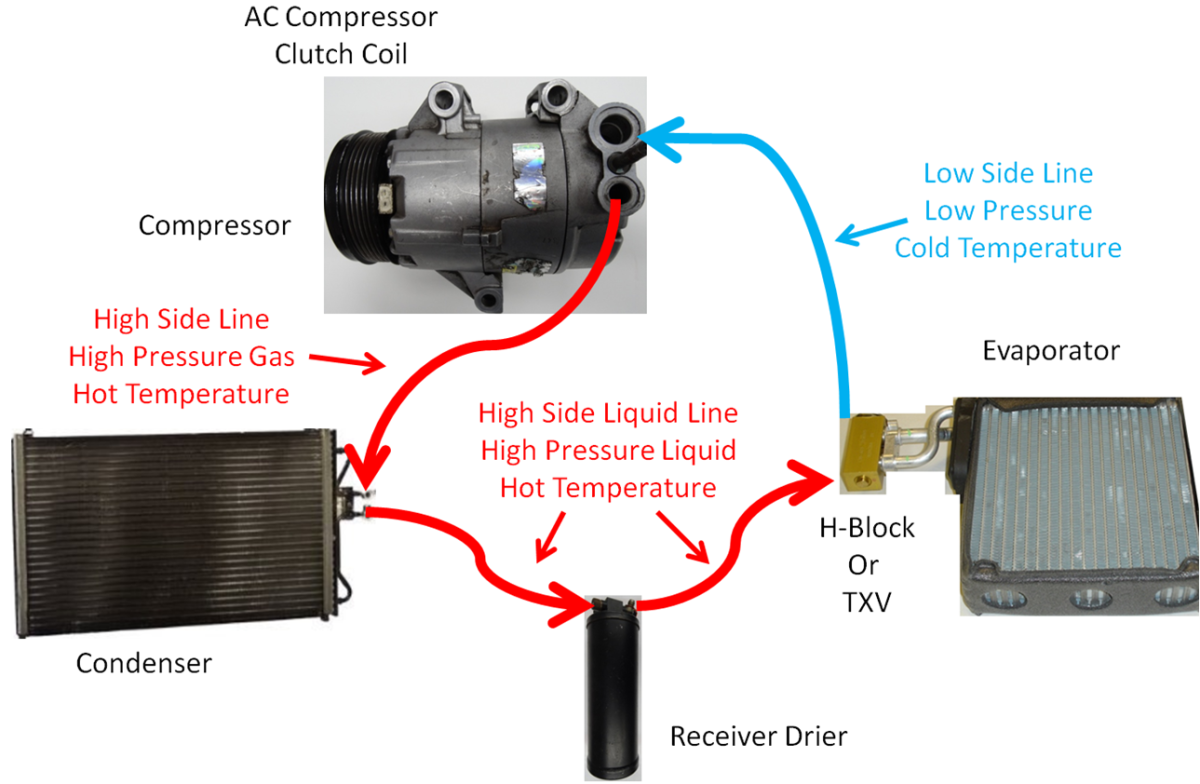
The suction line, also known as the return line, is one of the two copper pipes that connect your outdoor air conditioning unit (the condenser) to your indoor unit (the evaporator coil, typically found within your furnace or air handler). It’s responsible for carrying cool, low-pressure refrigerant gas back to the compressor in the outdoor unit. Think of it as the "intake" for the compressor. Knowing which line is which is essential for troubleshooting, basic maintenance, and understanding your system's overall performance.
The Key Differences: Size and Temperature
There are two primary ways to distinguish the suction line from the other copper pipe, the liquid line:
- Size: The suction line is typically larger in diameter than the liquid line. This is because it carries a larger volume of refrigerant gas. While sizes can vary depending on the AC unit's capacity (measured in tons), the suction line is almost always noticeably thicker. For example, a typical residential AC unit might have a 3/8-inch liquid line and a 5/8-inch or 3/4-inch suction line.
- Temperature: When your AC is running, the suction line should be cool to the touch. This is because it's carrying refrigerant that has already absorbed heat from inside your home. The liquid line, on the other hand, will generally feel warm or hot. This difference in temperature is a quick and easy way to identify the suction line when the system is operational. Caution: Always be careful when touching any part of your AC unit, especially when it's running. If you're unsure, consult a qualified HVAC technician.
Important Note: These are general guidelines. The exact size and temperature can vary based on factors like the refrigerant type, the outside temperature, and the AC system's operating conditions. If you're unsure, it's always best to consult with a professional.
Visual Cues: Insulation
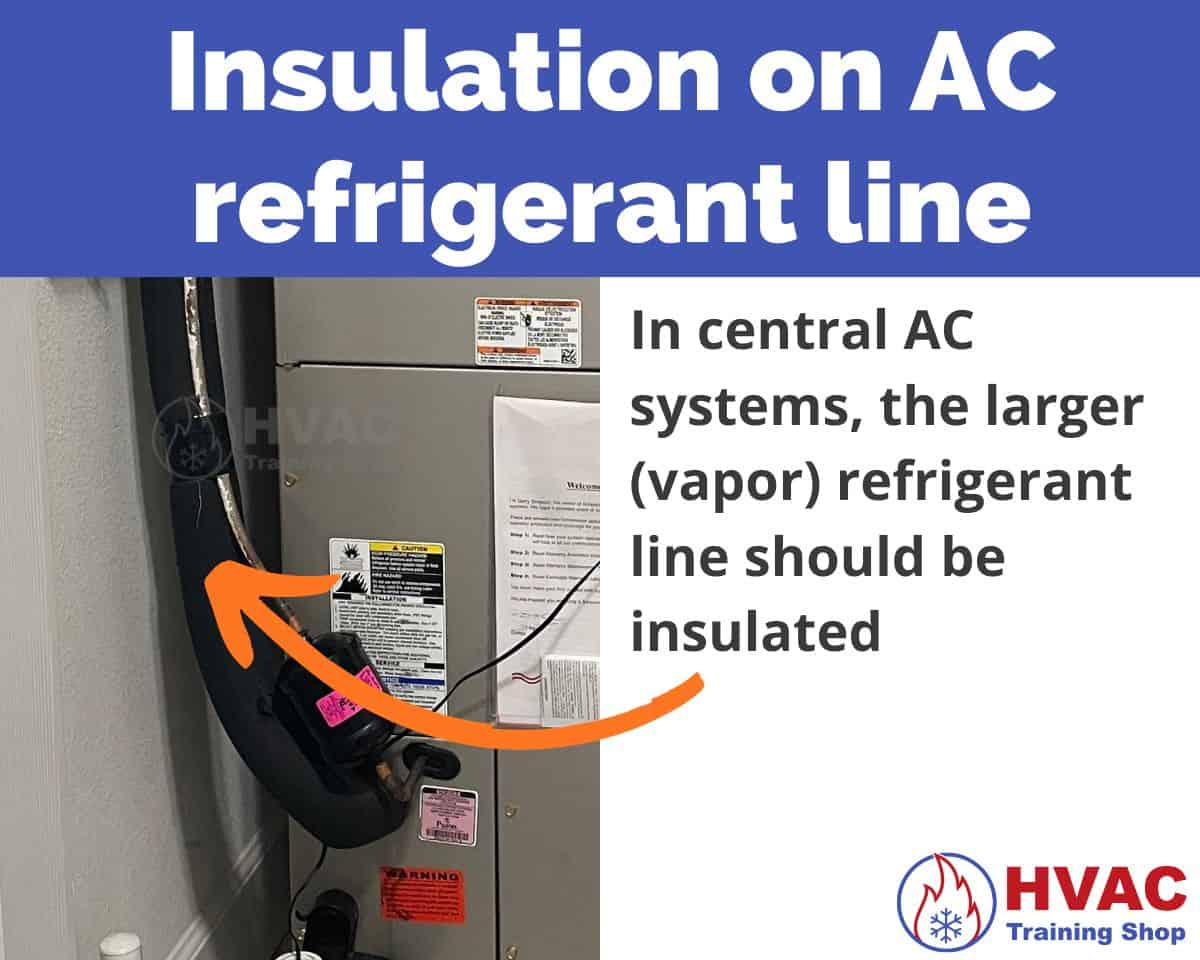
Often, the suction line is covered with insulation to prevent it from absorbing heat from the surrounding air before it reaches the compressor. This insulation helps maintain the efficiency of the system. While the liquid line *might* also be insulated in some installations, the suction line is more commonly insulated, and the insulation is often thicker.
Why Understanding the Suction Line Matters for Energy Efficiency
The suction line plays a critical role in your AC's efficiency. Here's why understanding it can help you save on energy bills:
Refrigerant Charge and System Performance
The pressure in the suction line is a key indicator of the refrigerant charge in your system. Low refrigerant levels are a common cause of AC inefficiency. If the pressure in the suction line is too low, it could indicate a leak or insufficient refrigerant. This forces your AC unit to work harder to cool your home, leading to higher energy consumption and potentially damaging the compressor. Conversely, if the pressure is too high, it could indicate overcharging, which can also lead to inefficiency and compressor damage. An HVAC technician can use gauges connected to the suction line to accurately measure the refrigerant pressure and diagnose any issues.
Superheat: Fine-Tuning Efficiency
HVAC technicians use a measurement called "superheat" to fine-tune the refrigerant charge and ensure optimal performance. Superheat is the temperature difference between the refrigerant vapor leaving the evaporator coil (measured at the suction line) and the saturation temperature of the refrigerant at that pressure. Proper superheat ensures that only vapor, and not liquid, enters the compressor, preventing damage. Maintaining the correct superheat optimizes the cooling process and minimizes energy waste.
Avoiding Costly Repairs
Identifying potential problems early can prevent costly repairs down the line. If you notice ice forming on the suction line (which can happen in cases of low refrigerant or poor airflow), it's a sign that something is wrong. Ignoring this issue can lead to compressor failure, a major and expensive repair. By regularly inspecting your system and being aware of the suction line's condition, you can catch problems early and address them before they escalate.
Smart Home Integration and the Suction Line
Smart thermostats and sensors can play a valuable role in monitoring your AC system's performance and identifying potential issues. While these devices don't directly measure the suction line pressure, they can provide insights into overall system efficiency.
Smart Thermostats: Learning Your Home's Cooling Needs
Smart thermostats learn your cooling patterns and adjust the temperature automatically to optimize energy use. Some models can even detect when your AC system is running inefficiently based on how long it takes to reach the desired temperature. For example, if your smart thermostat notices that your AC is running longer than usual to cool your home, it could indicate a problem with the refrigerant charge or airflow, prompting you to call a technician.
Smart Sensors: Monitoring Room Temperature and Humidity
Smart sensors placed throughout your home can monitor temperature and humidity levels. By tracking these data points, you can identify areas that are not being cooled effectively, which could indicate a problem with your AC system. For instance, if one room consistently feels warmer than others despite the thermostat being set to the same temperature, it might suggest a ductwork issue or a problem with the evaporator coil, both of which can impact the suction line pressure and overall system performance.
Rebates and Incentives for Energy-Efficient HVAC Systems
Many government and utility companies offer rebates and incentives for upgrading to energy-efficient HVAC systems. These programs can significantly reduce the upfront cost of a new system and provide long-term savings on your energy bills. Look for systems that are Energy Star certified, as these models meet strict energy efficiency guidelines set by the U.S. Environmental Protection Agency (EPA).
Federal Tax Credits
The federal government offers tax credits for qualified energy-efficient home improvements, including HVAC systems. These credits can help offset the cost of upgrading to a more efficient system. Check the Energy Star website for the latest information on available tax credits and eligibility requirements.
State and Local Rebates
Many states and local utility companies offer rebates for installing energy-efficient HVAC systems. These rebates can vary depending on the location, the type of system, and the efficiency rating. Check with your local utility company or your state energy office to see what rebates are available in your area.
Financing Options
Some financing options are also available to make energy-efficient upgrades more affordable. Many banks and credit unions offer loans specifically for energy-efficient home improvements. Additionally, some utility companies offer on-bill financing, which allows you to pay for the upgrade through your monthly utility bill.
Choosing the Right HVAC Contractor
When it comes to maintaining or upgrading your AC system, choosing a qualified and experienced HVAC contractor is crucial. Here are some tips for selecting the right contractor:
- Check for licensing and insurance: Make sure the contractor is properly licensed and insured in your state. This protects you in case of accidents or damage during the work.
- Read reviews and get references: Check online reviews and ask for references from past customers. This will give you an idea of the contractor's reputation and quality of work.
- Get multiple quotes: Get quotes from several contractors before making a decision. This will help you compare prices and services.
- Ask about experience: Ask the contractor about their experience with energy-efficient HVAC systems. Make sure they are familiar with the latest technologies and best practices.
- Verify certifications: Certifications like NATE (North American Technician Excellence) demonstrate that the technician has undergone rigorous training and testing.
Conclusion: Empowering Energy Savings Through Knowledge
Understanding the suction line and its role in your AC system is a key step towards improving energy efficiency and lowering your utility bills. By being aware of the potential issues that can affect the suction line pressure and overall system performance, you can take proactive steps to maintain your system and prevent costly repairs. Coupled with smart home technology, available rebates, and a qualified HVAC contractor, you can significantly improve your home's cooling efficiency and save money in the long run. Don't underestimate the power of knowledge; understanding your AC system empowers you to make informed decisions and optimize its performance for maximum energy savings.