Which Side Is Hot Water Under Sink

Figuring out which side is the hot water under your sink seems like a simple question, but surprisingly, there's a bit more to it than just guessing. Incorrectly connecting water lines can lead to lukewarm water when you expect hot, or even damage to your plumbing system. This article provides a comprehensive guide for homeowners, HVAC technicians, and property managers on identifying the hot water line under the sink, ensuring correct connections, and understanding the underlying plumbing principles.
Understanding Standard Plumbing Conventions
In North America, a fairly consistent standard dictates the placement of hot and cold water lines. While local codes can occasionally vary, adhering to this standard helps prevent confusion and ensures safe operation. Understanding this convention is crucial for everyone from DIY homeowners to seasoned HVAC professionals.
The Left-is-Hot Rule
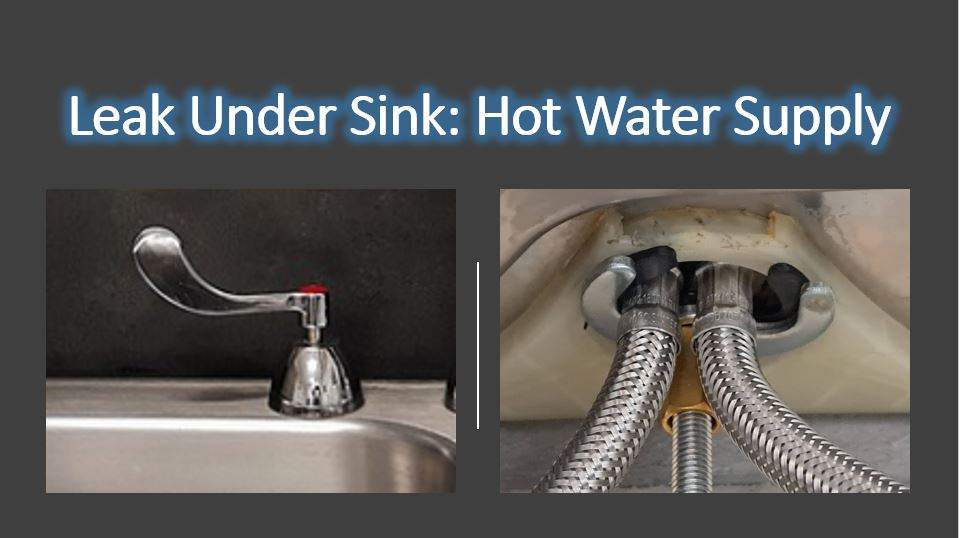
The most common and widely accepted convention is that the hot water line is on the left. When facing the faucet, the handle or knob on the left-hand side will typically control the flow of hot water. The pipe connected to this handle under the sink *should* be the hot water line. Conversely, the right-hand side is designated for cold water.
Why the Left?
The reason for this convention isn't just arbitrary. It stems from building codes designed to promote safety and ease of use. Standardizing the location of hot water prevents accidental scalding, especially for children and the elderly. Imagine reaching for water in the dark; knowing that the left handle dispenses hot water allows you to react quickly if the temperature is too high.
Identifying Hot Water Lines Under the Sink: A Step-by-Step Guide
While the left-is-hot rule is a good starting point, never assume it's correct without verification. Here's a reliable method for confirming which line carries hot water:
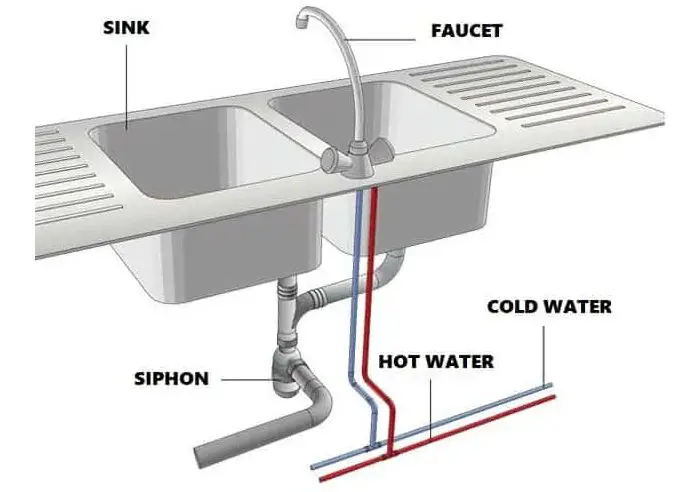
- Visual Inspection: Look for markings. Some plumbing installations will have “H” or “C” printed on or near the pipes, or colored tape indicating hot (usually red or orange) and cold (usually blue). However, don't rely solely on this, as labels can fade or be applied incorrectly.
- Temperature Test: This is the most reliable method. Turn on the faucet, letting it run on the left (presumed hot) side for a minute or two. Carefully touch the pipes under the sink. One should noticeably warm up. *Always exercise caution when handling potentially hot pipes.*
- Pipe Insulation: Hot water lines are often insulated to retain heat and improve energy efficiency. If one of the pipes is wrapped in insulation, it’s highly likely to be the hot water line.
- Tracing the Pipes: If possible, trace the pipes back to their source. The hot water line will lead to the water heater. This method is particularly useful in complex plumbing systems or multi-unit dwellings.
Common Mistakes and How to Avoid Them
Incorrectly identifying and connecting water lines is a common plumbing error that can lead to inconvenience and potential damage. Here's how to avoid these pitfalls:
- Assuming the Previous Installer Was Correct: Never assume the previous installation was done correctly, especially in older homes or DIY projects. Always verify before making any changes.
- Ignoring Local Codes: While the left-is-hot rule is prevalent, local plumbing codes may have specific requirements. Consult your local building department or a licensed plumber to ensure compliance.
- Over-Tightening Connections: When connecting water lines, avoid over-tightening fittings. Over-tightening can damage the pipes or fittings, leading to leaks. Use Teflon tape on threaded connections for a watertight seal.
- Mixing Pipe Materials: Using dissimilar metals (e.g., copper and galvanized steel) in direct contact can cause corrosion due to galvanic reaction. Use dielectric unions to separate dissimilar metals.
Troubleshooting Common Issues
Even with careful installation, problems can arise. Here are some troubleshooting tips for common hot water issues under the sink:
- Lukewarm Water on the Hot Side: This could indicate a cross-connection between the hot and cold water lines, a faulty mixing valve, or insufficient hot water supply from the water heater.
- No Hot Water at All: Check the water heater's thermostat and power supply. Also, inspect the shut-off valves under the sink to ensure they are fully open.
- Leaking Pipes: Leaks can occur at connections or along the pipe itself. Tighten loose connections, replace damaged fittings, or call a plumber for more extensive repairs.
The Importance of Professional Installation and Maintenance
While some plumbing tasks are suitable for DIY, complex installations or repairs should be handled by a licensed plumber. A qualified professional can ensure correct connections, prevent potential hazards, and comply with local building codes. Regular maintenance, such as flushing the water heater and inspecting pipes for leaks, can extend the lifespan of your plumbing system and prevent costly repairs.
Hot Water Recirculation Systems
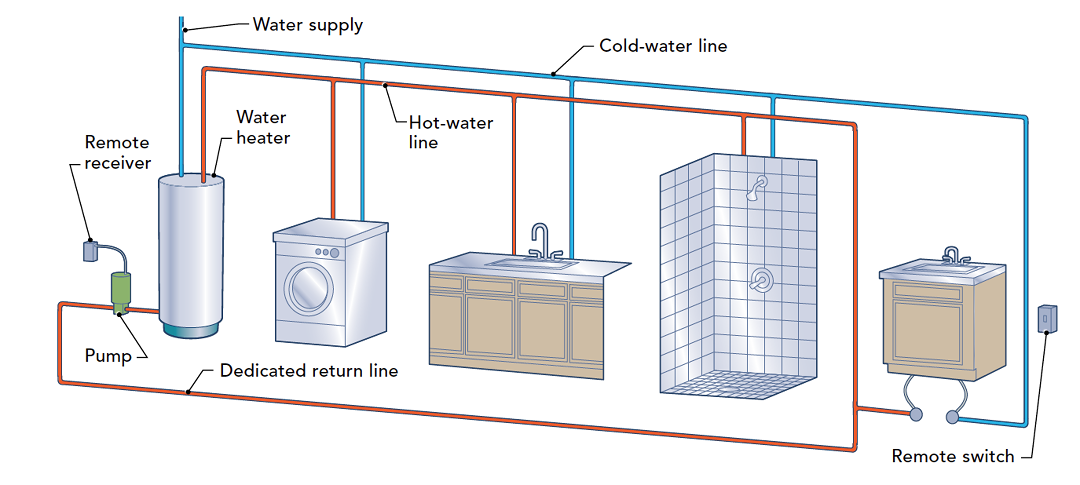
In larger homes and commercial buildings, hot water recirculation systems are often used to provide instant hot water at every faucet. These systems use a pump to circulate hot water through the plumbing lines, keeping hot water readily available. Identifying the hot water lines is even more critical in these systems, as improper connections can disrupt the recirculation loop and render the system ineffective.
HVAC Technicians and Plumbing Connections
While HVAC technicians primarily focus on heating and cooling systems, they often encounter plumbing connections, especially when installing or servicing hydronic heating systems (e.g., radiant floor heating). Understanding basic plumbing principles and how to identify hot and cold water lines is essential for these technicians to avoid damaging the plumbing system and ensure proper system operation. Incorrect connections can not only affect the heating system's performance but also create problems with the domestic hot water supply.
Cost Considerations
While identifying the hot water line might seem like a small task, the consequences of getting it wrong can be significant and costly. Misconnections can lead to increased energy consumption due to constantly heating water that's not being used effectively. Furthermore, repairing water damage caused by leaks resulting from improper connections can be very expensive. Investing in professional plumbing services, especially for complex installations or repairs, can save money in the long run by preventing these costly problems. Also, consider the energy efficiency of your water heating system. A modern, high-efficiency water heater can significantly reduce your energy bills compared to older, less efficient models. Look for Energy Star certified models to maximize savings.
Property Management Considerations
For property managers overseeing multiple units, maintaining consistent plumbing standards is crucial. Standardized installations simplify maintenance and repairs, reducing the likelihood of errors. Regularly inspect plumbing systems in all units, especially during tenant turnover, to identify and address potential problems before they escalate. Maintain accurate records of plumbing layouts and maintenance activities to facilitate efficient troubleshooting and repairs. Encourage tenants to report any plumbing issues promptly to prevent further damage.
Conclusion
Successfully identifying which side is the hot water under your sink involves understanding plumbing conventions, employing reliable testing methods, and avoiding common mistakes. Whether you're a homeowner, HVAC technician, or property manager, this knowledge is essential for ensuring safe, efficient, and trouble-free operation of your plumbing system. When in doubt, always consult with a licensed plumber to ensure the job is done correctly.