Which Side Of Furnace To Install Humidifier
Choosing the Right Side: Humidifier Placement on Your Furnace
Adding a whole-house humidifier to your HVAC system can significantly improve indoor air quality, especially during dry winter months. However, proper installation is crucial for optimal performance and to prevent potential problems. One of the first questions homeowners face is: which side of the furnace should the humidifier be installed on? This article explores the factors influencing this decision, provides guidelines for choosing the right location, and covers essential installation tips.
Understanding Furnace Airflow
Before diving into humidifier placement, it's essential to understand how air flows through your furnace. Furnaces typically draw cool air from return ducts, heat it, and then distribute the warm air through supply ducts. The *ideal* location for a humidifier is where the air is warmest and most consistent, allowing for efficient moisture evaporation.
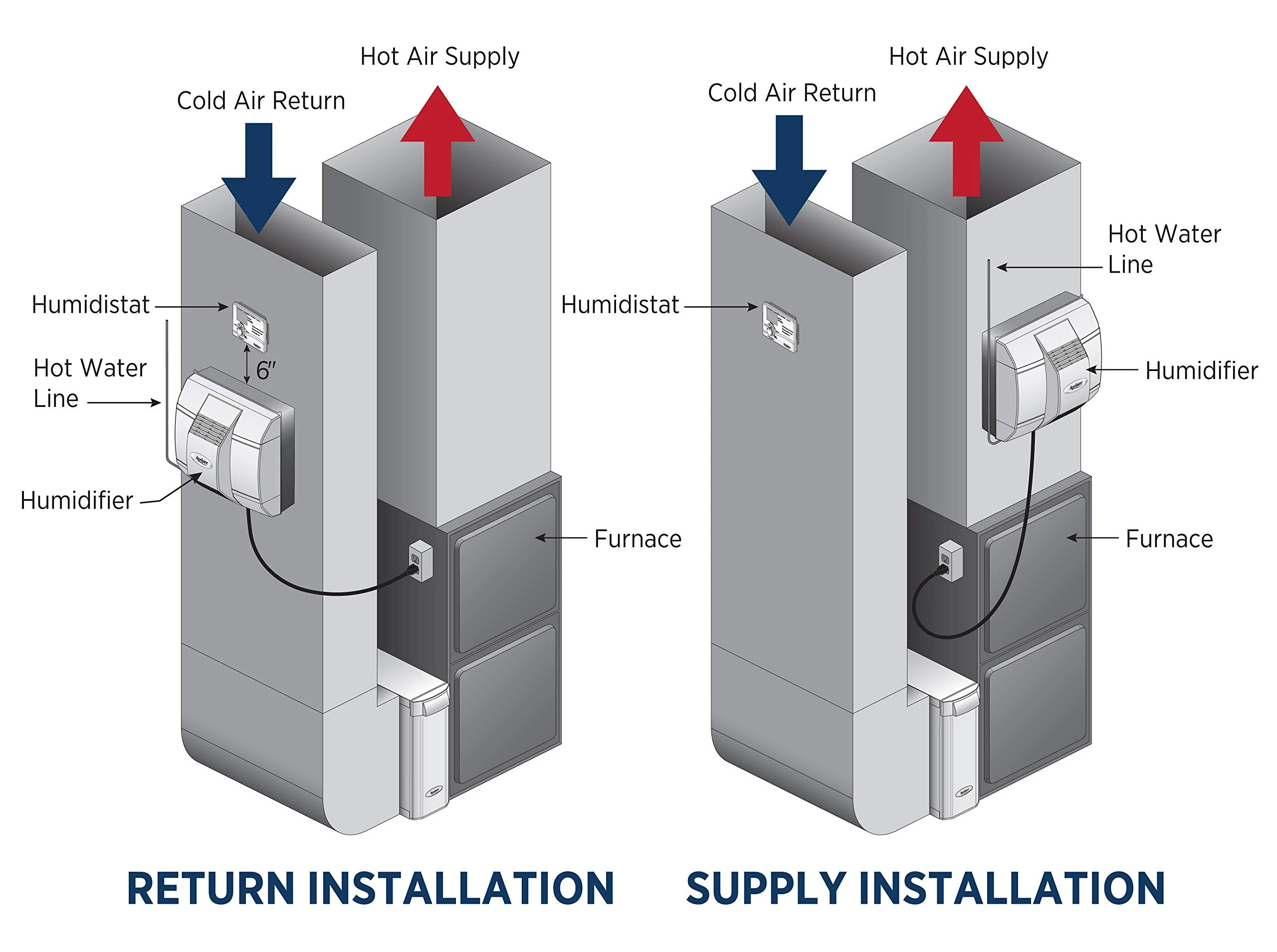
Typically, furnaces have two main sides that could accommodate a humidifier: the supply plenum (the ductwork immediately after the furnace where heated air exits) and the return plenum (the ductwork before the furnace where cooler air enters). Each location has its advantages and disadvantages.
Supply Plenum Installation: Pros and Cons
Installing the humidifier on the supply plenum, the side where heated air is pushed into your home, is often the preferred method. Here's why:
Pros:
- Warmer Air: The air in the supply plenum is already heated, promoting better evaporation and humidity distribution.
- Reduced Condensation: Warmer air can hold more moisture, minimizing the risk of condensation within the ductwork.
- Even Humidity Distribution: Humidity is introduced into the airflow after the furnace, ensuring it's distributed throughout the entire home.
Cons:
- Potential for Over-Humidification: If the humidifier is not properly controlled or the home is poorly insulated, over-humidification can occur, leading to condensation on windows and walls.
- Slightly Higher Installation Cost: Depending on the ductwork configuration, supply plenum installation might require more extensive modifications.
Return Plenum Installation: Pros and Cons
Installing the humidifier on the return plenum, the side where cooler air is drawn into the furnace, is another option. However, it's generally less recommended than supply plenum installation.
Pros:
- Potentially Simpler Installation: In some cases, return plenum installation can be simpler, especially if there's ample space and easy access.
- May be Necessary in Limited Space: If space is severely limited around the supply plenum, the return plenum may be the only viable option.
Cons:
- Colder Air: The air in the return plenum is cooler, which can hinder evaporation and reduce the humidifier's efficiency.
- Increased Condensation Risk: Cooler air holds less moisture, increasing the risk of condensation within the ductwork, potentially leading to mold growth.
- Uneven Humidity Distribution: Humidity is introduced before the furnace, potentially leading to some of the moisture condensing before it reaches all areas of the home.
Factors to Consider When Choosing a Location
The best location for your humidifier depends on several factors:
- Available Space: Assess the space around both the supply and return plenums. Consider the humidifier's dimensions and ensure there's enough room for installation and maintenance.
- Ductwork Configuration: Examine the ductwork layout. Complex configurations may make one location more difficult to access than the other.
- Local Climate: In extremely cold climates, supply plenum installation is generally preferred to minimize condensation risks.
- House Insulation: Well-insulated homes are less prone to over-humidification, making supply plenum installation a more viable option. Poorly insulated homes may benefit from careful monitoring and control, regardless of location.
- Professional Advice: Consult with a qualified HVAC technician. They can assess your specific situation and recommend the best location based on your furnace, ductwork, and home's characteristics.
Types of Whole-House Humidifiers
Understanding the different types of humidifiers can also influence your installation decisions. The most common types include:
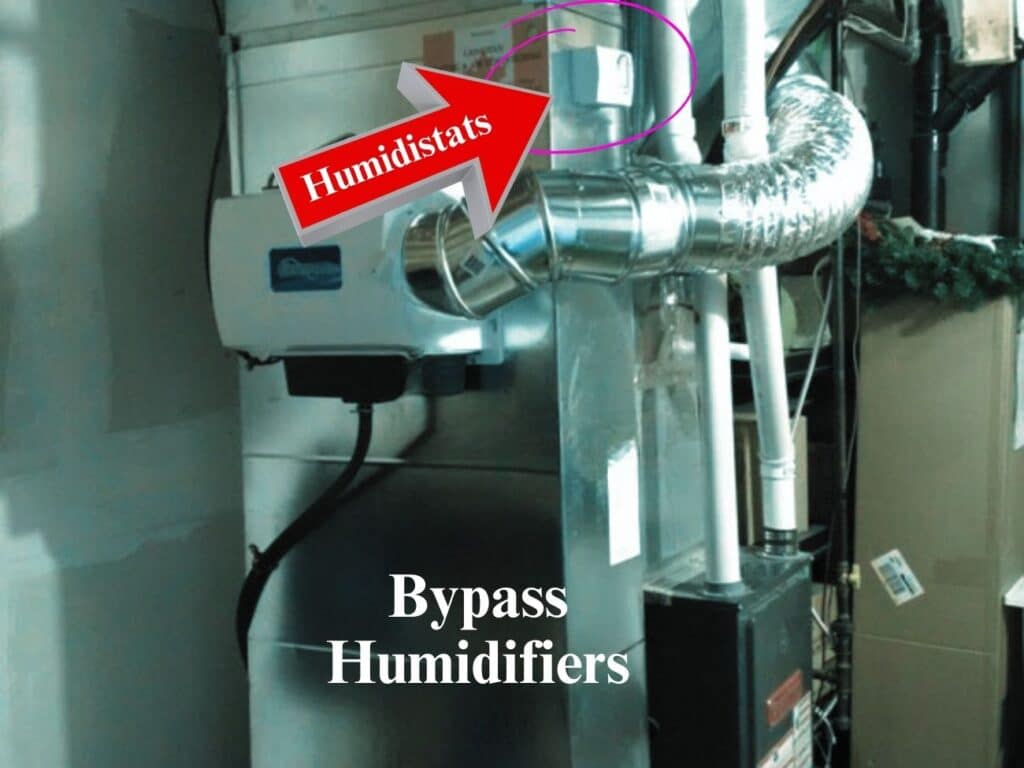
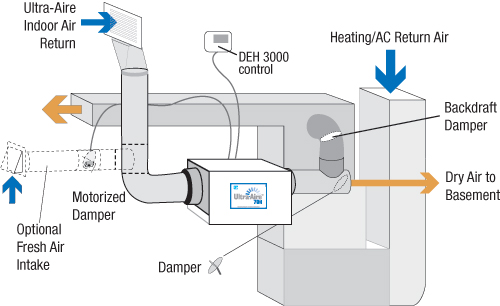
- Bypass Humidifiers: These humidifiers use the furnace's blower to evaporate water. They can be installed on either the supply or return plenum. A duct connects the humidifier to the other plenum, creating a bypass airflow.
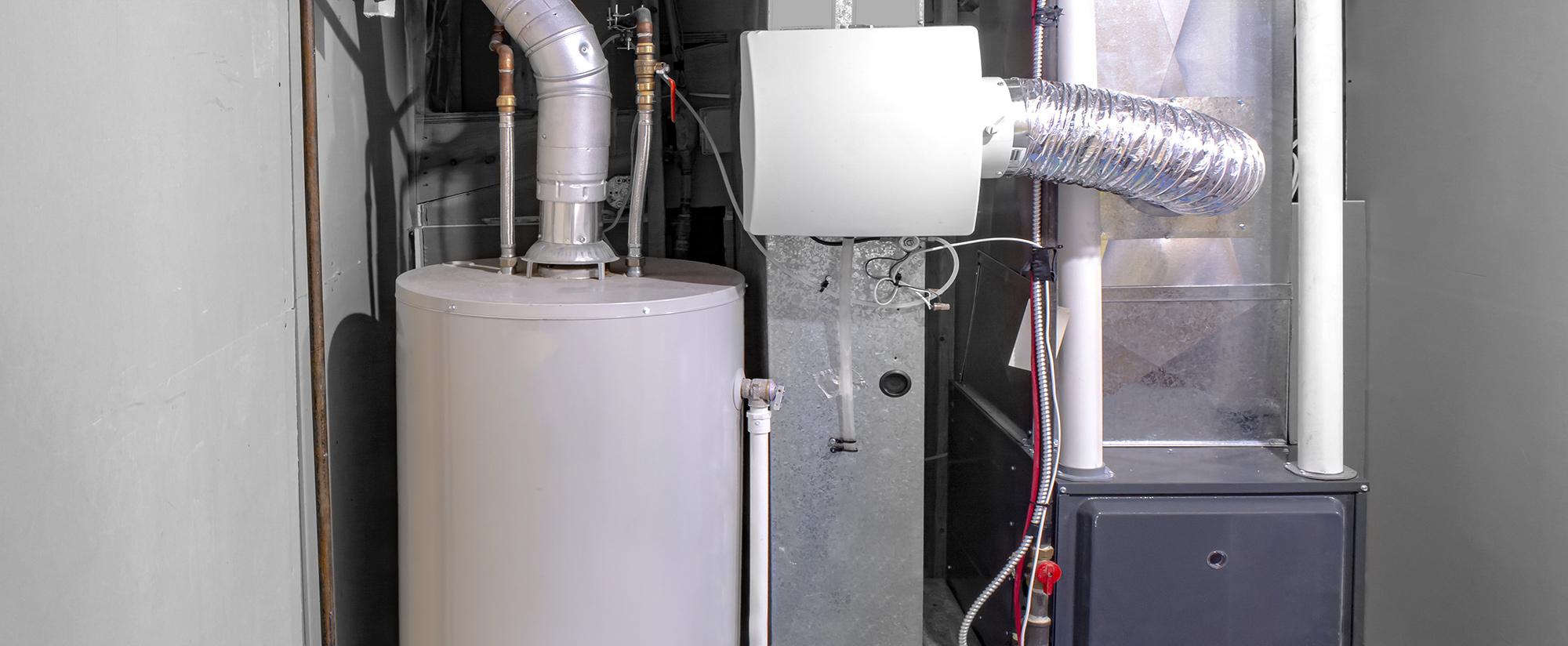
- Fan-Powered Humidifiers: These humidifiers have their own fan to draw air across the water evaporation pad. They are generally more efficient than bypass humidifiers and are typically installed on the supply plenum.
- Steam Humidifiers: These humidifiers generate steam to humidify the air. They are the most expensive but also the most effective. They can be installed on either the supply or return plenum, but supply plenum installation is more common.
Installation Tips
Regardless of the chosen location, proper installation is critical for optimal performance and longevity.
- Professional Installation: While DIY installation is possible, hiring a qualified HVAC technician is highly recommended. They have the expertise to ensure proper installation and avoid potential problems.
- Proper Sealing: Ensure all connections are properly sealed to prevent air leaks.
- Water Line Connection: Connect the humidifier to a water supply line according to the manufacturer's instructions.
- Drain Line: Install a drain line to remove excess water.
- Humidistat Placement: Install the humidistat in a central location away from drafts and heat sources.
- Regular Maintenance: Clean the humidifier regularly to prevent mineral buildup and ensure optimal performance. This typically involves replacing the water panel or filter annually.
Popular HVAC Brands and Models
When considering a whole-house humidifier, several brands offer reliable and efficient models. Some popular brands include:
- Aprilaire: Known for their durable and efficient humidifiers. Models like the Aprilaire 400 and Aprilaire 500 are popular choices.
- Honeywell: Offers a wide range of humidifiers, including bypass, fan-powered, and steam models. The Honeywell HE260A and Honeywell HM750A are well-regarded.
- Lennox: Provides integrated HVAC systems, including humidifiers designed to work seamlessly with their furnaces and air conditioners.
- GeneralAire: Offers a variety of humidifier options, including bypass and fan-powered models.
When choosing a humidifier, consider its capacity (measured in gallons per day), energy efficiency, and warranty. Look for models with automatic humidistats for precise humidity control.
Warranty and Maintenance
Most humidifiers come with a warranty, typically ranging from 1 to 5 years. Read the warranty carefully to understand the coverage and any exclusions. Regular maintenance, such as cleaning and replacing the water panel, is essential to keep the humidifier in good working order and maintain the warranty.
Pricing
The cost of a whole-house humidifier varies depending on the type, brand, and installation complexity. Bypass humidifiers are generally the least expensive, while steam humidifiers are the most expensive. Installation costs can range from $200 to $800 or more, depending on the complexity of the installation and the labor rates in your area. Fan-powered humidifiers are in the mid-range for pricing and installation complexity.
Conclusion
Choosing the right side of the furnace to install your humidifier is a crucial decision that impacts its efficiency, performance, and longevity. While supply plenum installation is generally preferred due to warmer air and reduced condensation risk, factors like available space, ductwork configuration, and local climate should be considered. Consulting with a qualified HVAC technician is highly recommended to ensure proper installation and optimal performance. By carefully considering these factors, you can enjoy the benefits of a whole-house humidifier and improve your indoor air quality.
Remember to prioritize professional advice when making your final decision, as an experienced technician can assess your specific HVAC system and home environment to recommend the most suitable solution.


:max_bytes(150000):strip_icc()/anatomy-of-the-home-furnace-humidifier-1824773color-d41575bdba834fd59ac29178949a1e2a.png)


/ScreenShot2020-05-15at2.11.45PM-e19f0972ecdc4009ad359819ed7f0d0d.png)