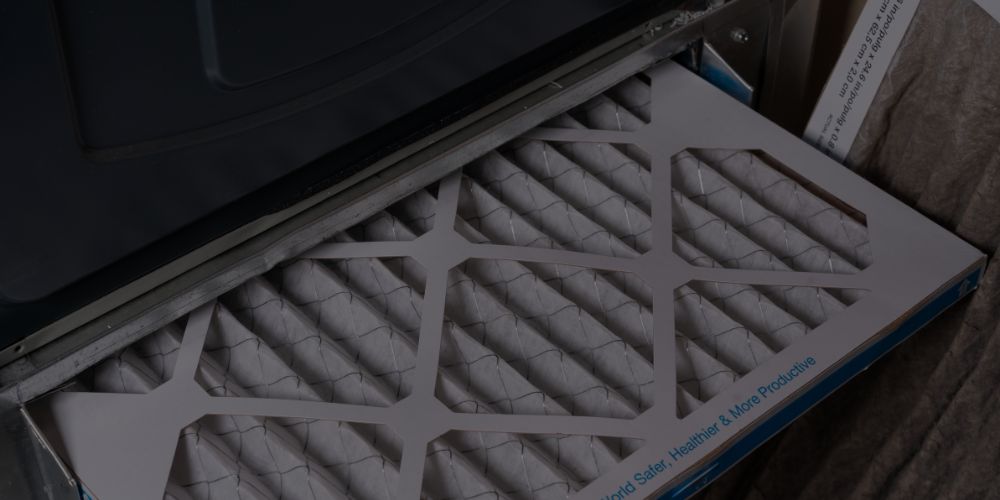
Which Way Do Filters Go In Furnace

Knowing which way your furnace filter goes in is crucial for maintaining a healthy and efficient heating system. A correctly installed filter protects your furnace from dust and debris, ensuring optimal performance and preventing costly repairs. Putting it in backward can lead to problems, so let's get this right!
Understanding Furnace Filters: The Basics
A furnace filter's primary job is to trap airborne particles like dust, pollen, pet dander, and even some bacteria before they can circulate throughout your home or damage the furnace components. Think of it like a sentry at the gate, stopping unwanted intruders from entering.
Furnace filters come in various materials, sizes, and MERV (Minimum Efficiency Reporting Value) ratings. The MERV rating indicates the filter's ability to capture particles of different sizes. Higher MERV ratings generally mean better filtration, but they can also restrict airflow. We'll touch on that later.
Ignoring filter changes can lead to a dirty filter, which restricts airflow, causing your furnace to work harder and less efficiently. This can lead to overheating, increased energy bills, and even premature failure of furnace components like the blower motor or heat exchanger. That's why knowing which way to install it matters.
Identifying the Airflow Direction
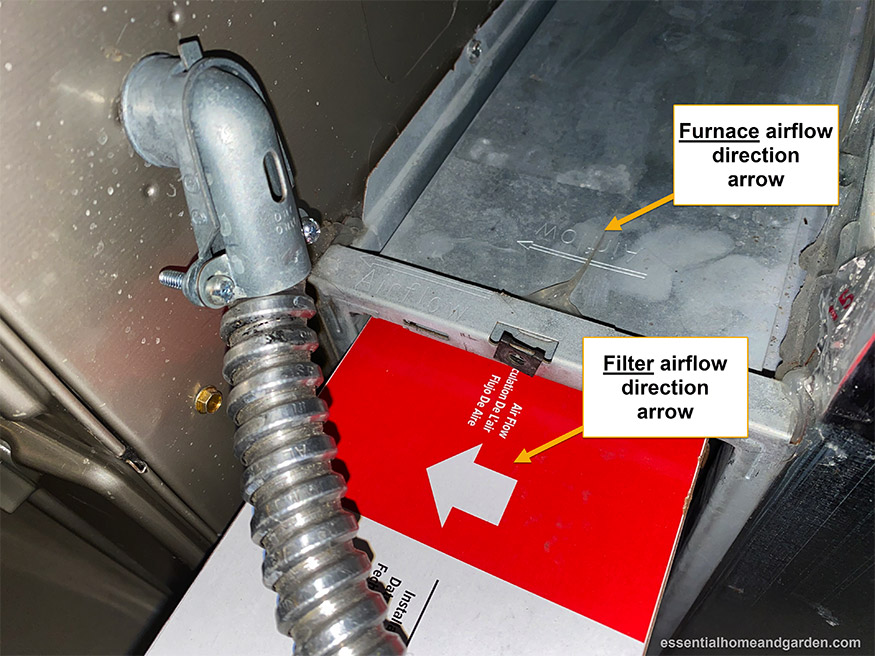
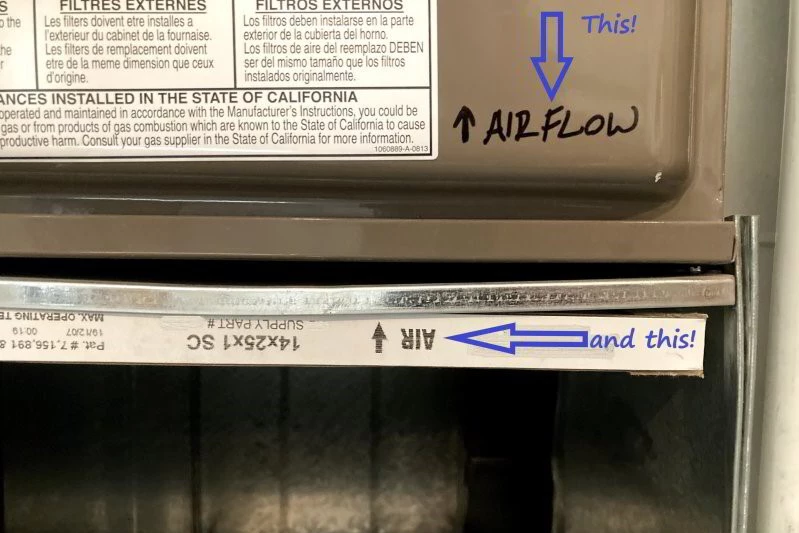
The most important thing to remember when installing a furnace filter is the direction of airflow. Every filter has an arrow printed on its frame. This arrow indicates the direction the air should flow through the filter.
To determine the airflow direction in your furnace, you need to identify where the return air duct is located. This is the duct that pulls air from your home back into the furnace to be heated. Here's how to find it:
- Check near the furnace: The filter slot is usually located near the return air duct, often a large rectangular opening.
- Follow the ductwork: Trace the ductwork connected to your furnace. The return air duct will lead to the filter slot.
- Listen for airflow: When the furnace is running (or even just the fan), you should be able to feel air being sucked into the return air duct.
Once you've located the return air duct and the filter slot, you'll be able to visualize the airflow direction. The air is being pulled *into* the furnace through the return air duct and *then* pushed through the furnace and into the supply ducts that deliver the heated air to your home.
The Golden Rule: Arrow Points Towards the Furnace
With the airflow direction identified, the rule is simple: The arrow on the filter should point towards the furnace. This means the arrow should point in the direction the air is flowing towards the blower motor and other internal components of the furnace.
Think of it this way: The filter is positioned to catch debris before it enters the furnace's sensitive components. So, the dirty side of the filter (where the arrow originates) faces the return air duct, catching all the dust and particles before they reach the furnace.
Why Direction Matters: The Consequences of Installing Backwards
Installing a furnace filter backward might seem like a minor mistake, but it can have several negative consequences:
- Reduced Filtration: The filter's design is optimized for airflow in one direction. Installing it backward can significantly reduce its ability to trap particles. This means more dust and debris will circulate in your home and potentially damage your furnace.
- Decreased Airflow: Some filters have a denser filtration media on one side. Installing it backward can further restrict airflow, forcing your furnace to work harder.
- Furnace Damage: Over time, a backward filter can allow enough dust and debris to accumulate on the blower motor and other components, leading to overheating and premature failure. Imagine dust bunnies clogging the engine of your car!
- Increased Energy Bills: A struggling furnace consumes more energy to maintain the desired temperature, resulting in higher heating bills.
- Poor Indoor Air Quality: If the filter isn't working effectively, more allergens and pollutants will circulate in your home, potentially worsening respiratory problems.
Step-by-Step Guide to Installing a Furnace Filter Correctly
Here's a step-by-step guide to ensure you install your furnace filter correctly every time:
- Turn off the Furnace: Always turn off the furnace at the thermostat and/or the circuit breaker before changing the filter. This is a safety precaution to prevent any accidents.
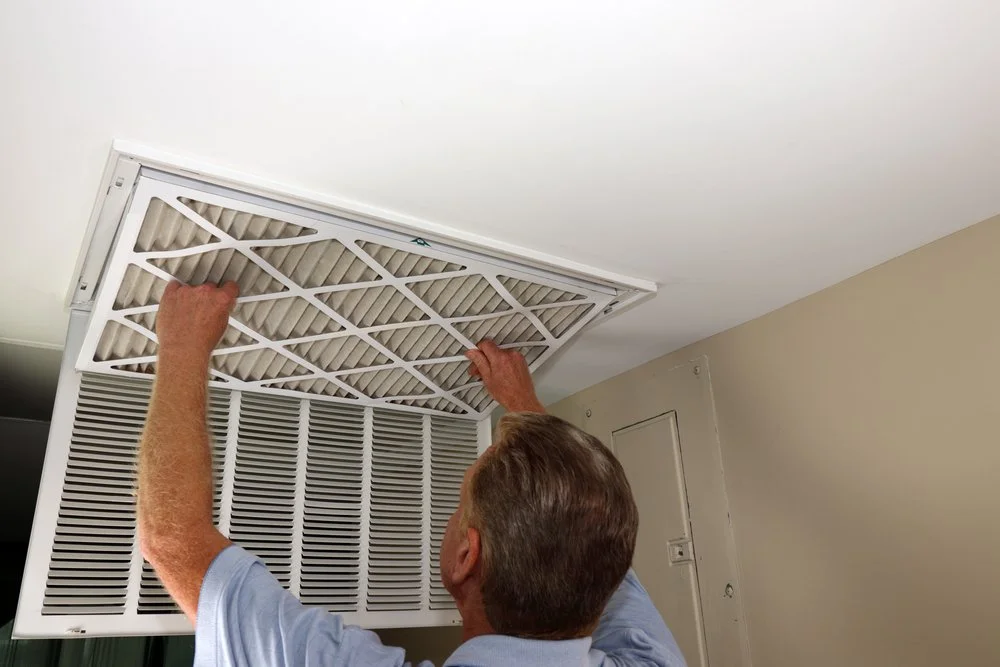
- Locate the Filter Slot: Find the filter slot near the return air duct. It's usually a rectangular opening with a slot or door.
- Remove the Old Filter: Carefully remove the old filter. Note the direction of the arrow on the old filter. This can serve as a reminder for the new filter.
- Inspect the Area: Before installing the new filter, take a moment to inspect the area around the filter slot. If there's a significant buildup of dust or debris, clean it with a vacuum cleaner.
- Identify the Airflow Arrow: Locate the arrow printed on the frame of the new filter.
- Position the Filter: Hold the filter with the arrow pointing towards the furnace (in the direction of airflow).
- Insert the Filter: Carefully insert the filter into the slot, ensuring it fits snugly.
- Close the Filter Door or Slot: Secure the filter door or slot, if applicable.
- Turn the Furnace Back On: Turn the furnace back on at the thermostat and/or circuit breaker.
- Monitor Performance: For the next few days, pay attention to your furnace's performance. If you notice any unusual noises or reduced heating, check the filter to make sure it's installed correctly.
Choosing the Right Filter: MERV Ratings and Airflow
While a higher MERV rating might seem like the best choice for superior filtration, it's essential to consider the impact on airflow. Higher MERV filters are denser and can restrict airflow more significantly.
If your furnace isn't designed to handle a high MERV filter, it can lead to the same problems as a dirty filter: reduced efficiency, overheating, and potential damage. Consult your furnace's manual or a qualified HVAC technician to determine the appropriate MERV rating for your system.
As a general guideline:
- MERV 1-4: Basic filters for trapping large particles like dust and pollen. Suitable for standard furnaces and minimal filtration needs.
- MERV 5-8: Good for trapping smaller particles like mold spores and pet dander. A good balance between filtration and airflow for most homes.
- MERV 9-12: Excellent for trapping very small particles like smoke and bacteria. May restrict airflow in some furnaces.
- MERV 13-16: Hospital-grade filters that trap the smallest particles. Typically require a high-efficiency furnace designed to handle the restricted airflow.
If you or someone in your household has allergies or respiratory problems, a higher MERV filter might be beneficial, but always prioritize proper airflow to protect your furnace.
Filter Maintenance: When to Change Your Filter
The frequency of filter changes depends on several factors, including:
- Type of Filter: Some filters are designed to last longer than others.
- Household Size: Larger households with more activity tend to generate more dust and debris.
- Pets: Pets contribute significantly to airborne particles, requiring more frequent filter changes.
- Air Quality: If you live in an area with high levels of pollution or pollen, you'll need to change your filter more often.
As a general rule, you should check your furnace filter monthly and change it when it appears dirty. A good visual indicator is if you can no longer see the pleats of the filter due to accumulated dust. Most filters should be changed every 1-3 months. If you have pets or allergies, you may need to change it more frequently.
Consider setting a reminder on your phone or calendar to check your furnace filter regularly. This simple habit can save you money on energy bills, prevent costly repairs, and improve your indoor air quality.
When to Call a Professional
While changing a furnace filter is a straightforward task, there are situations where it's best to consult a qualified HVAC technician:
- Unsure of Airflow Direction: If you're having trouble determining the airflow direction in your furnace, a technician can help you identify it.
- Furnace Issues: If you're experiencing problems with your furnace, such as reduced heating, unusual noises, or frequent cycling, it's best to have it inspected by a professional.
- Upgrading Filter Type: If you're considering upgrading to a higher MERV filter, consult a technician to ensure it's compatible with your furnace.
- DIY Inexperience: If you're uncomfortable working with electrical or mechanical components, it's always best to leave it to a professional.
A qualified HVAC technician can diagnose and address any issues with your furnace, ensuring it's operating safely and efficiently.
Conclusion: Filter Direction is Key
Knowing which way the filter goes in your furnace is a simple yet essential part of home maintenance. By following the steps outlined in this guide, you can ensure your furnace is operating efficiently, your indoor air quality is improved, and you avoid costly repairs. Remember to always check the airflow arrow and point it towards the furnace! A little attention to detail can make a big difference in the performance and longevity of your heating system.