Which Way Does A Piston Go In Hvac

Understanding the correct orientation of a piston in your HVAC system is crucial for its proper operation. A reversed or incorrectly installed piston can lead to significant performance issues, reduced efficiency, and even complete system failure. This guide will walk you through everything you need to know about piston orientation in HVAC systems, providing clear explanations and practical advice.
What is an HVAC Piston and Why is Orientation Important?
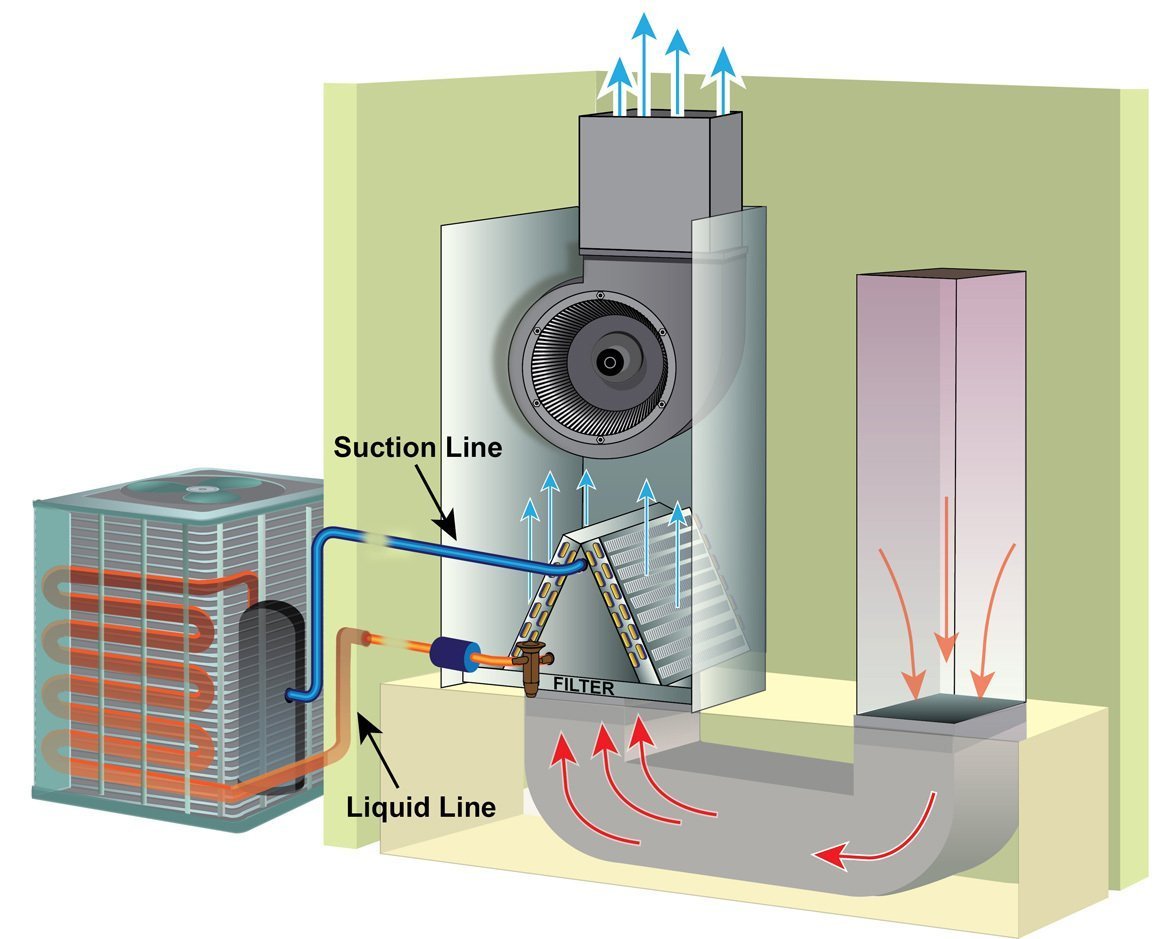
Let's start with the basics. In the context of HVAC (Heating, Ventilation, and Air Conditioning), a piston is a small, precisely sized metering device located in the refrigerant line of your air conditioning or heat pump system. Think of it as a tiny, but important, valve with a fixed opening. It's often found in systems that use a thermal expansion valve (TXV) for cooling and a piston for heating, or sometimes as the sole metering device in smaller, simpler systems.
Its primary function is to control the flow of refrigerant into the evaporator coil. Refrigerant, in simplified terms, is the “blood” of your AC system, carrying heat from inside your home to the outside. The piston creates a pressure drop, causing the refrigerant to expand and cool down as it enters the evaporator. This cooled refrigerant then absorbs heat from the air passing over the evaporator coil, providing the cooling effect you feel.
The orientation of the piston is absolutely critical for proper refrigerant flow and system performance. The piston is designed to allow refrigerant to flow optimally in one direction. Installing it backward obstructs the flow, hindering the cooling process and potentially causing serious problems.
Identifying the Correct Piston Orientation
So, how do you determine which way the piston goes? While there isn't a single universal rule, there are several clues to look for:
1. The Arrow or Flow Direction Indicator
Many pistons have a small arrow or other flow direction indicator stamped on their body. This is the easiest and most reliable way to determine the correct orientation. The arrow indicates the direction of intended refrigerant flow. Make sure the arrow points in the direction of refrigerant flow as it enters the evaporator coil. If the refrigerant is flowing *to* the evaporator coil, the arrow must point to it. If the refrigerant is flowing *from* the evaporator coil, the arrow should point away from it.
2. The Piston Design (Inlet vs. Outlet)
Even without an arrow, the physical design of the piston can often reveal the correct orientation. One side of the piston, usually the inlet side, is often slightly larger or has a different shape compared to the outlet side. This is because the inlet side needs to accommodate a larger volume of refrigerant entering the piston.
Carefully examine both ends of the piston. The inlet side typically has a smoother, more streamlined appearance to facilitate easy entry of the refrigerant. The outlet side might have a slightly recessed area or a less refined finish.
3. The Piston's Location Within the System
The piston is usually installed within a distributor or a piston housing in the refrigerant line, close to the evaporator coil. Observe the existing plumbing and how the refrigerant line is connected to the distributor. The way the line is angled or shaped can provide clues about the intended flow direction.
Before removing the old piston, take detailed pictures and notes of its position and the surrounding connections. This visual record will be invaluable when installing the new piston. Notice which side of the piston faces the larger refrigerant line and which side faces the smaller line or the distributor.
4. Check the Service Manual or Manufacturer's Specifications
The most reliable source of information is the service manual for your specific HVAC system. The manual will provide detailed diagrams and instructions on how to install the piston correctly, including its proper orientation. If you don't have a physical copy of the service manual, you can often find it online by searching for the model number of your air conditioner or heat pump.
Also, look for any markings on the piston itself. The manufacturer's name or part number can help you find specific installation instructions online.
Consequences of Incorrect Piston Orientation
Installing the piston backward or in the wrong orientation can have serious consequences for your HVAC system:
- Reduced Cooling Capacity: The most immediate symptom is a noticeable decrease in cooling performance. The system won't be able to cool your home effectively, even when running for extended periods.
- Increased Energy Consumption: The system will have to work harder to achieve the desired temperature, resulting in higher energy bills.
- Compressor Damage: Incorrect refrigerant flow can lead to liquid refrigerant entering the compressor, which is designed to compress gas. This can cause serious damage to the compressor, which is the most expensive component in your AC system.
- Evaporator Coil Freezing: Inadequate refrigerant flow can cause the evaporator coil to freeze up, further reducing cooling capacity and potentially damaging the coil.
- System Overheating: Restricted refrigerant flow can cause the system to overheat, leading to premature component failure.
Practical Tips for Piston Installation
Here are some practical tips to ensure proper piston installation:
- Turn Off the Power: Always disconnect the power to your HVAC system before working on any electrical or mechanical components. Safety first!
- Recover Refrigerant: Before opening the refrigerant lines, you MUST recover the refrigerant using a refrigerant recovery machine. Releasing refrigerant into the atmosphere is illegal and harmful to the environment. This step should be performed by a qualified HVAC technician.
- Use Proper Tools: Use the correct tools for the job, including a refrigerant wrench, torque wrench, and appropriate sockets.
- Cleanliness is Key: Keep the system clean and free of contaminants. Dirt and debris can damage the piston and other components.
- Replace O-Rings and Seals: When replacing the piston, always replace any associated O-rings or seals to ensure a proper seal and prevent leaks.
- Torque to Specifications: Tighten all connections to the manufacturer's specified torque to prevent leaks and ensure proper sealing.
- Vacuum and Recharge: After completing the installation, evacuate the system to remove any air or moisture. Then, recharge the system with the correct amount of refrigerant according to the manufacturer's specifications. This step should be performed by a qualified HVAC technician.
- Test the System: After recharging the system, test its operation to ensure that it is cooling properly and that there are no leaks. Monitor the system's pressures and temperatures to verify that it is functioning within the normal range.
When to Call a Professional
While some HVAC repairs can be handled by knowledgeable homeowners, working with refrigerant requires specialized equipment and expertise. It's highly recommended to consult a qualified HVAC technician for the following situations:
- You are not comfortable working with refrigerant lines or electrical components.
- You do not have the necessary tools or equipment, such as a refrigerant recovery machine or a vacuum pump.
- You are unsure about the correct piston orientation or installation procedure.
- You suspect that the system has other underlying problems, such as a refrigerant leak or a faulty compressor.
A qualified HVAC technician has the training, experience, and equipment to diagnose and repair HVAC problems safely and effectively. Attempting to repair the system yourself without the proper knowledge can lead to further damage, injuries, and environmental hazards.
In Conclusion
The correct orientation of an HVAC piston is paramount for the efficient and reliable operation of your air conditioning system. By understanding the function of the piston, recognizing the clues for proper orientation, and following the recommended installation procedures, you can help ensure that your system is cooling effectively and operating safely. When in doubt, always consult a qualified HVAC technician to avoid costly mistakes and potential hazards.