Which Way Is Air Flow On Ac Unit
Understanding the way air flows through your HVAC system is crucial for maximizing energy efficiency, lowering your utility bills, and ensuring your home or business stays comfortable year-round. This article will delve into the intricacies of air flow direction in your air conditioning unit, covering everything from identifying the correct flow to optimizing it for peak performance and cost savings.
Decoding Air Flow Direction: A Homeowner's Guide
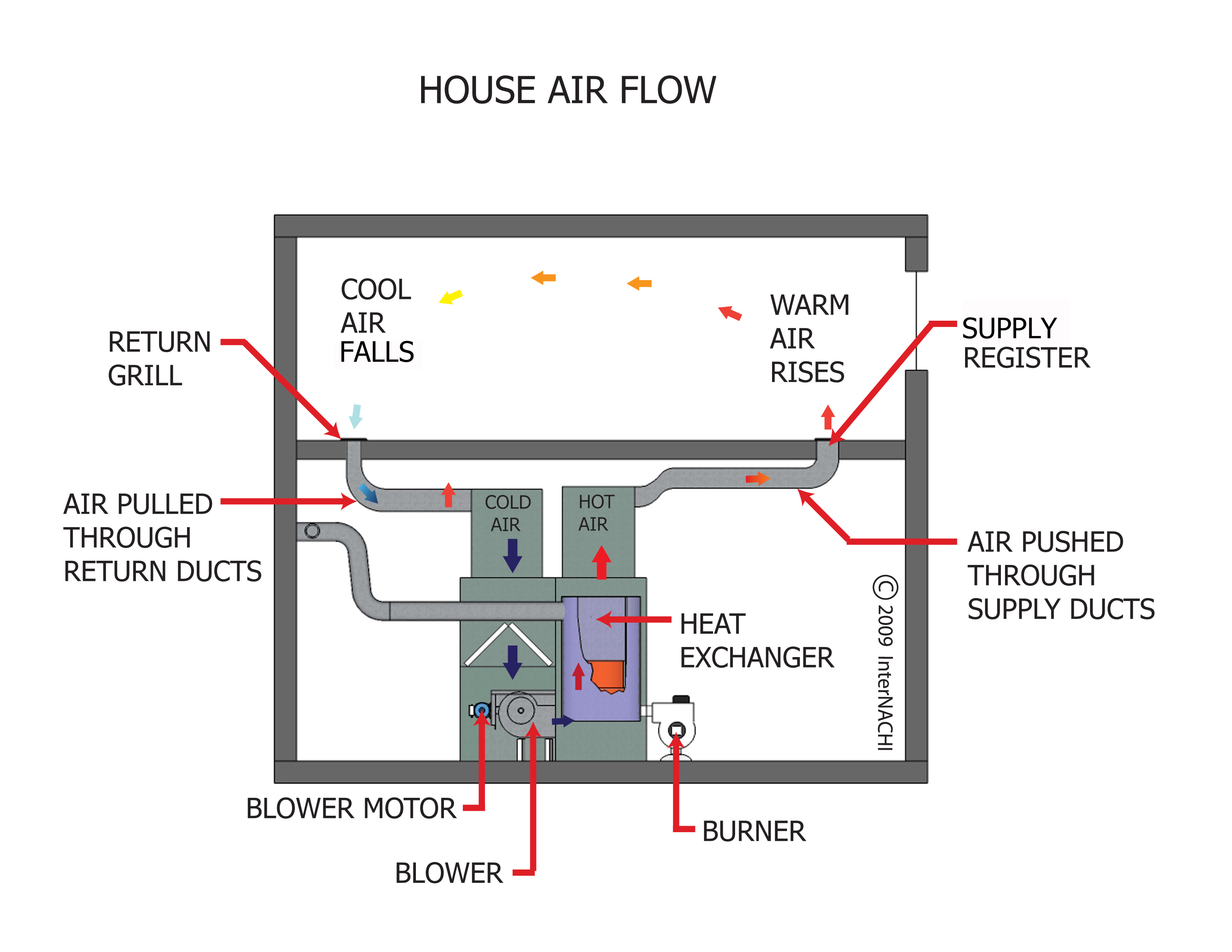
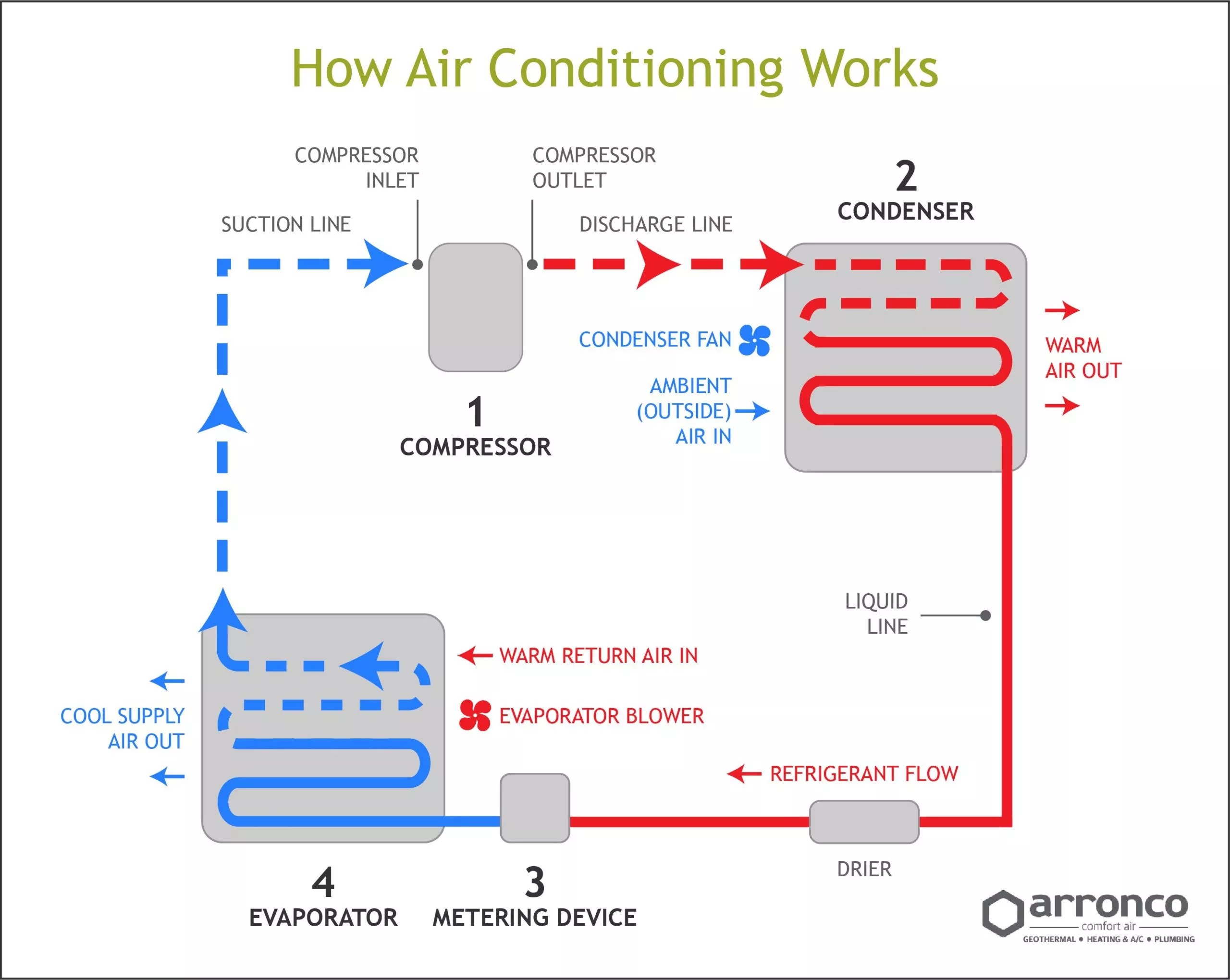
The direction of air flow in your AC unit is not arbitrary; it's carefully engineered to facilitate the cooling process. Typically, air conditioners draw warm air from inside your space, cool it by passing it over refrigerant-filled coils, and then circulate the now-cooled air back into the room. Determining the correct direction is paramount for optimal operation and avoiding costly inefficiencies.
Identifying Air Flow at the Indoor Unit (Air Handler)
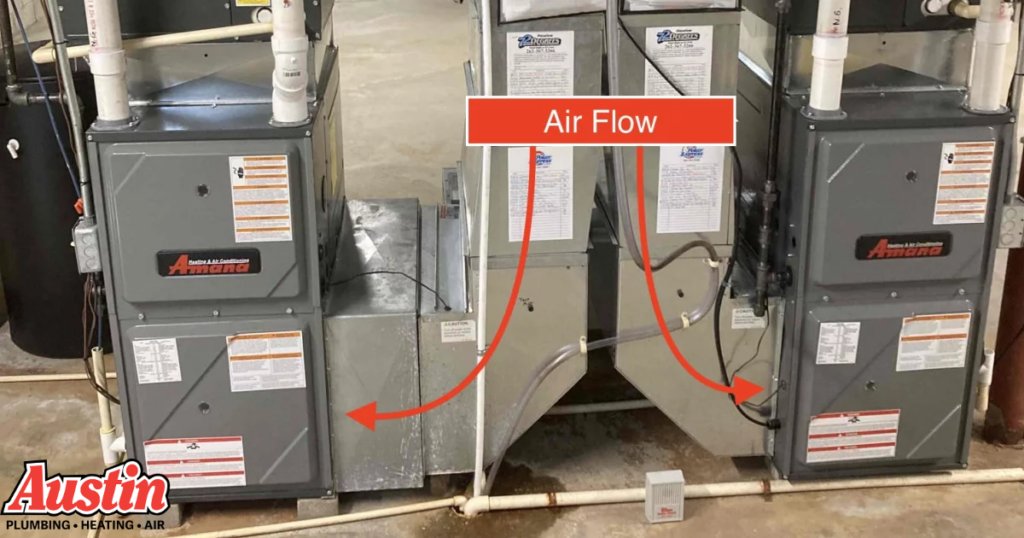
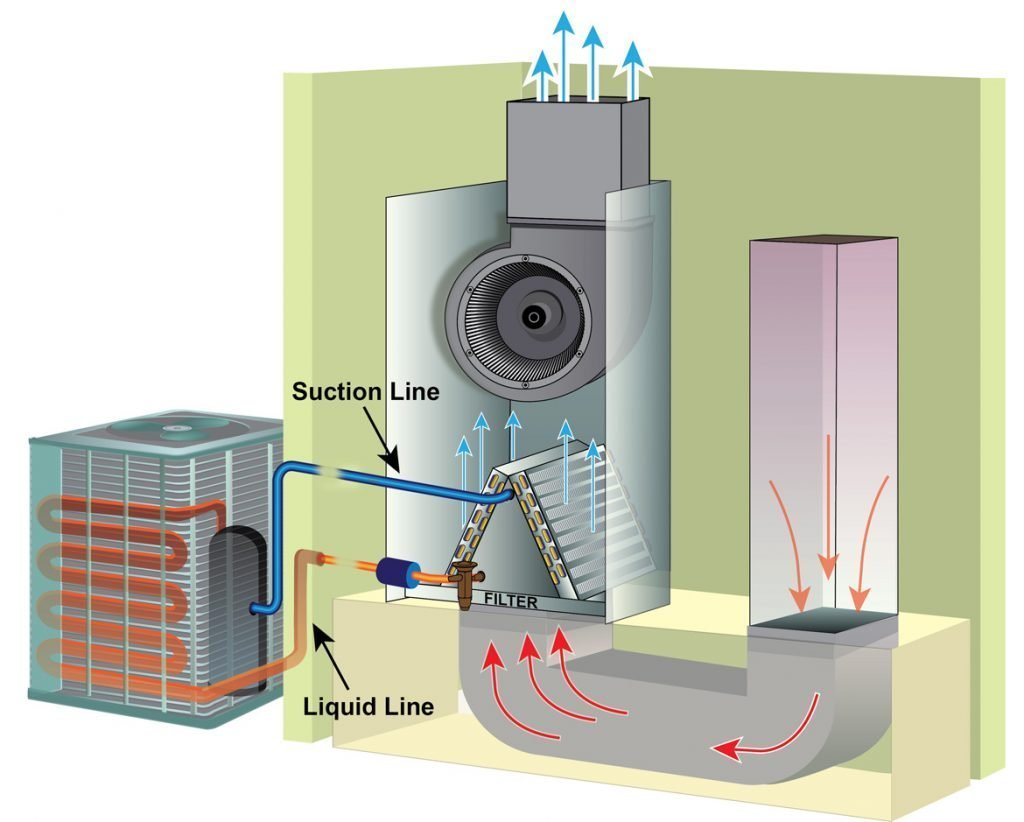
Your indoor unit, often called the air handler, is where the magic happens. Generally, the air handler sucks air in through a return vent, filters it, cools it, and then blows the cooled air out through supply vents. Determining the direction of air flow involves understanding the return and supply vents.
Return Vents: These are typically larger than supply vents and are designed to pull air into the system. A simple test involves holding a tissue or a piece of paper near the vent; if it's drawn towards the vent, that's a return vent.
Supply Vents: These vents push cooled air into the room. You'll feel a noticeable stream of air emanating from them when the AC is running.
Incorrect air flow can occur if return vents are blocked by furniture or rugs. This restricts the amount of warm air reaching the unit, forcing it to work harder and consume more energy. According to the Energy Star program, ensuring unobstructed airflow can improve your system's efficiency by as much as 15%. Regularly inspect and clear your return vents to maintain optimal performance.
Understanding Air Flow at the Outdoor Unit (Condenser)
The outdoor unit, also known as the condenser, plays a critical role in dissipating the heat extracted from your indoor air. Air flow around the condenser is just as important as indoor air flow.
The condenser fan pulls air through the coil, cooling the refrigerant inside. This warm air is then expelled out of the unit. The direction of air flow is typically inward through the coil and outward through the fan grill. You should feel warm air being blown away from the unit when it's operating.
Obstructions around the condenser, such as overgrown shrubs, fences placed too close, or accumulated debris, can severely hinder air flow. This forces the unit to work harder, leading to reduced efficiency and potential overheating. Energy Star recommends maintaining at least 2 feet of clear space around the condenser on all sides. Regular cleaning and maintenance are essential for ensuring optimal air flow and prolonging the lifespan of your unit. Some utility companies offer rebates for professional AC tune-ups, which often include coil cleaning and airflow assessment.
Optimizing Air Flow for Maximum Efficiency and Savings
Once you understand the basics of air flow direction, you can take steps to optimize it for better energy efficiency and lower energy bills. These include:
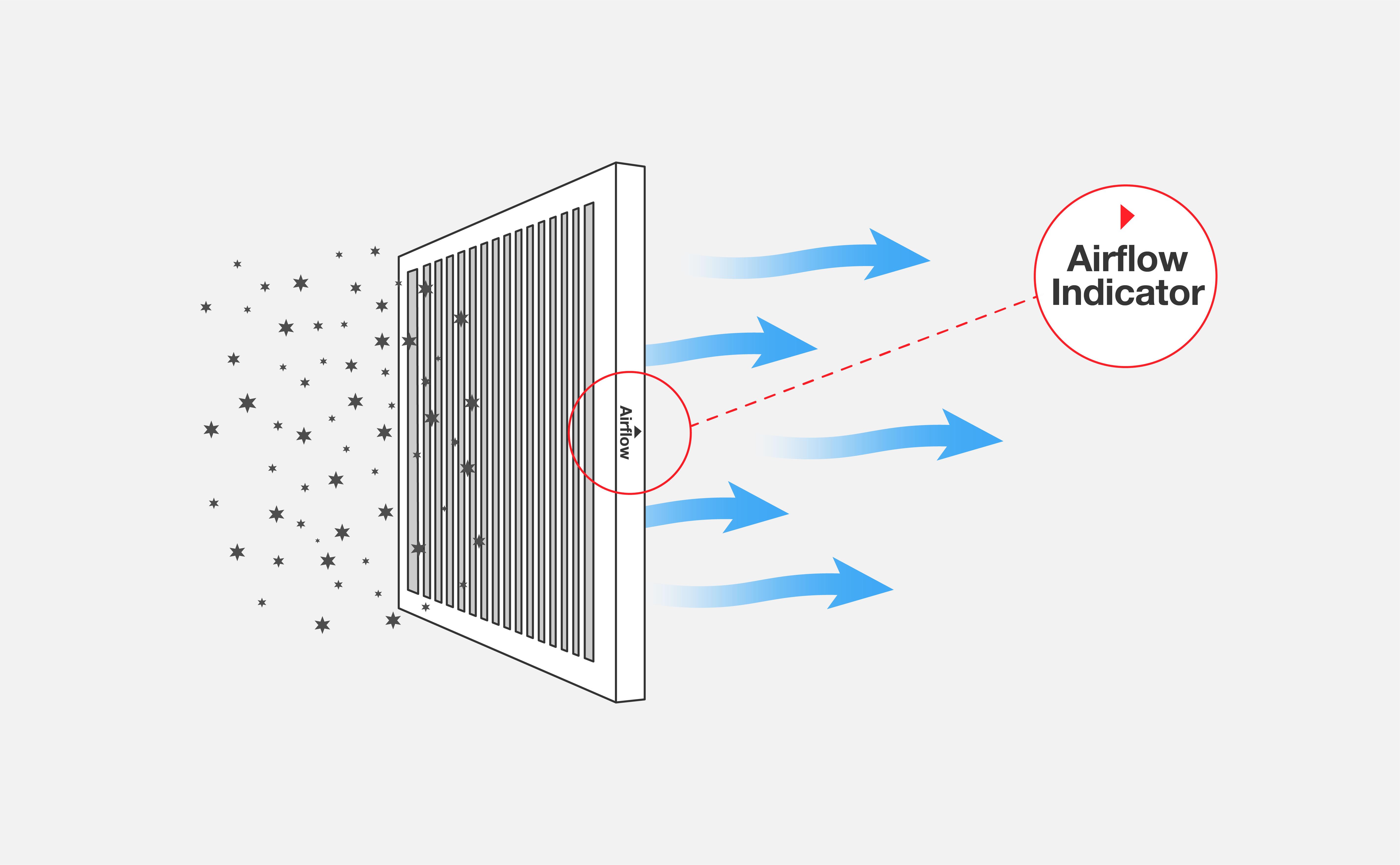
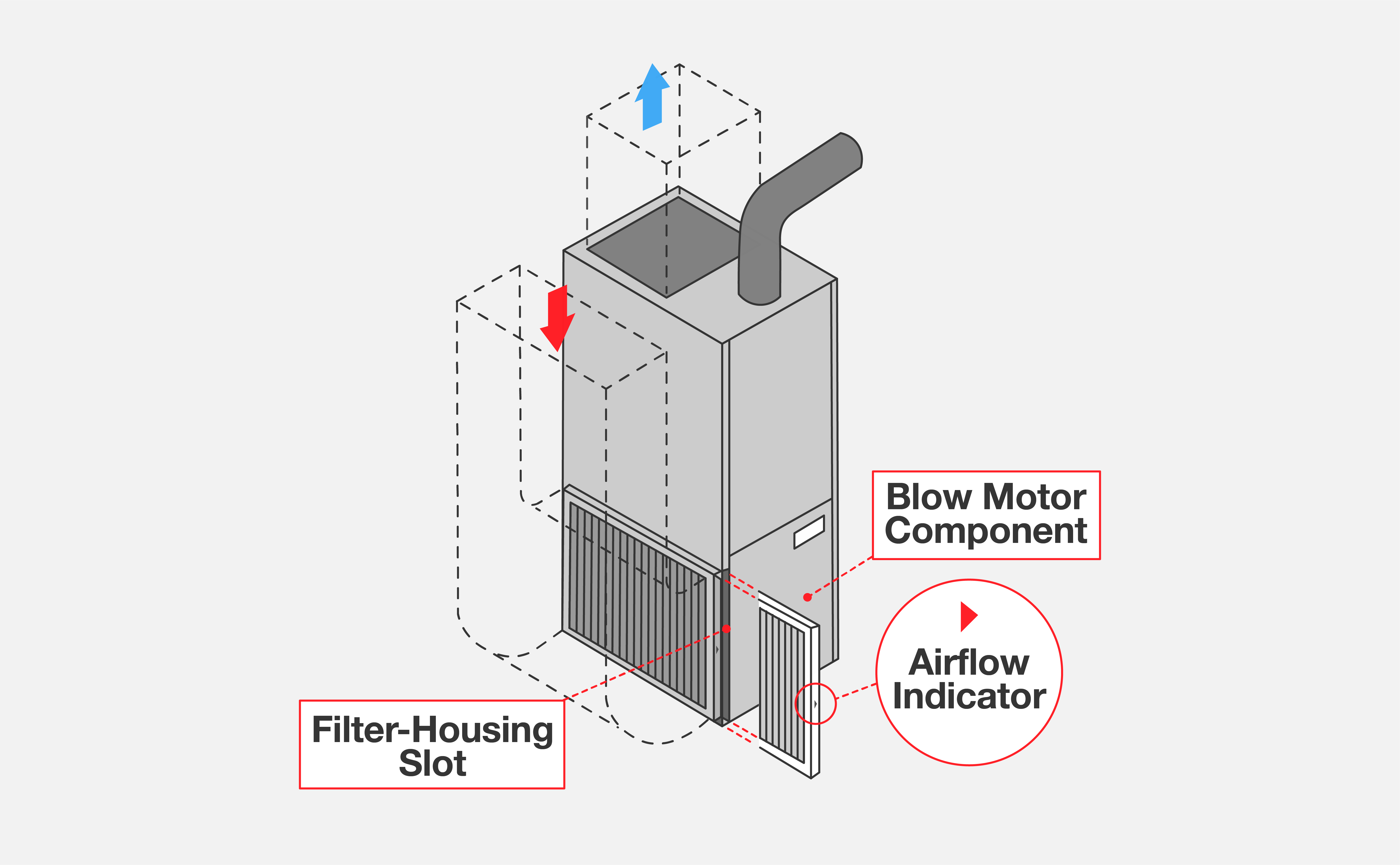
- Regular Filter Changes: A dirty air filter restricts air flow, forcing your system to work harder. Energy Star recommends changing your filter every 1-3 months, or more frequently if you have pets or allergies.
- Professional Duct Cleaning: Over time, dust and debris can accumulate in your ductwork, restricting air flow and reducing efficiency. Professional duct cleaning can remove these obstructions, improving air quality and system performance. According to the EPA, dirty ducts can contribute to poor indoor air quality.
- Sealing Air Leaks: Leaky ducts can lose significant amounts of cooled air, forcing your system to work harder to maintain the desired temperature. Seal any visible leaks with duct tape or mastic sealant. For larger or hard-to-reach leaks, consider hiring a professional HVAC contractor.
- Zone Control Systems: Zone control systems allow you to control the temperature in different areas of your home or business independently. This can significantly reduce energy waste by only cooling the areas that are occupied.
- Smart Thermostats: Smart thermostats learn your habits and automatically adjust the temperature to optimize energy savings. Many models also offer remote control via smartphone, allowing you to adjust the temperature even when you're away from home. Some utility companies offer rebates on the purchase of smart thermostats.
Integrating Smart HVAC for Enhanced Control and Monitoring
The integration of smart HVAC systems allows for greater control and monitoring of air flow and energy usage. Smart thermostats can provide detailed reports on energy consumption, helping you identify areas where you can further reduce your energy bills. Some smart systems can even detect blocked vents or restricted air flow and alert you to potential problems.
Moreover, some advanced systems integrate sensors that monitor room occupancy and adjust air flow accordingly. This can further optimize energy savings by only cooling occupied spaces. For example, companies like Ecobee and Nest offer smart thermostats that integrate with other smart home devices and provide detailed energy usage reports.
Troubleshooting Air Flow Issues
If you notice any of the following symptoms, you may have an air flow issue:
- Uneven cooling throughout your home or business
- Higher-than-usual energy bills
- The AC unit running constantly
- Strange noises coming from the unit
Before calling a professional, check the following:
- Air Filter: Ensure the air filter is clean.
- Vents: Make sure all vents are open and unobstructed.
- Condenser: Check for any obstructions around the outdoor unit.
If you've checked these items and are still experiencing problems, it's best to consult with a qualified HVAC contractor. They can diagnose the problem and recommend the appropriate solution.
The ROI of Efficient Air Flow Management
Investing in efficient air flow management offers a significant return on investment (ROI) in the form of lower energy bills, improved comfort, and a prolonged lifespan for your HVAC system. According to the Department of Energy, proper HVAC maintenance can reduce energy consumption by as much as 20%. Furthermore, a well-maintained system is less likely to experience breakdowns, saving you money on costly repairs. Don't forget to check for local, state, and federal tax credits or rebates for upgrading to energy-efficient HVAC systems.
Example ROI Scenario
Let's consider a homeowner who invests in a smart thermostat and duct sealing. The smart thermostat costs $250, and duct sealing costs $500, for a total investment of $750. If the homeowner saves 15% on their annual energy bill of $2000, they'll save $300 per year. This means the investment will pay for itself in just 2.5 years. In addition to the financial savings, the homeowner will also enjoy improved comfort and a more environmentally friendly home.
Conclusion
Understanding and optimizing air flow within your AC unit is a vital step toward achieving energy efficiency, reducing costs, and maintaining a comfortable indoor environment. By following the guidelines outlined in this article, you can ensure that your system operates at peak performance and provides years of reliable service. From simple tasks like changing air filters regularly to more advanced solutions like installing smart thermostats and zone control systems, every effort to improve air flow contributes to a more sustainable and cost-effective future. Remember to consult with qualified HVAC professionals for comprehensive system evaluations and tailored solutions to meet your specific needs. And always be sure to explore available rebates and incentives for energy-efficient upgrades in your area.