Which Way To Turn Off Gas Valve
A malfunctioning gas appliance can be frustrating and, potentially, a safety concern. This guide focuses on safely turning off the gas supply – a crucial first step in many troubleshooting scenarios. We'll also touch upon some basic troubleshooting steps for common appliance issues. However, remember that gas repairs can be dangerous. If you're uncomfortable with any of these steps, or if the problem persists after trying these fixes, always contact a qualified technician.
Identifying the Problem: A Common Scenario - Gas Furnace Not Heating
Let's consider a common scenario: your gas furnace isn't heating your home. Before diving into the furnace itself, we need to ensure the gas supply is working correctly and, more importantly, how to shut it off in an emergency.
The First Step: Knowing Your Gas Valves
Understanding the types of gas valves and how to operate them is essential for safety.
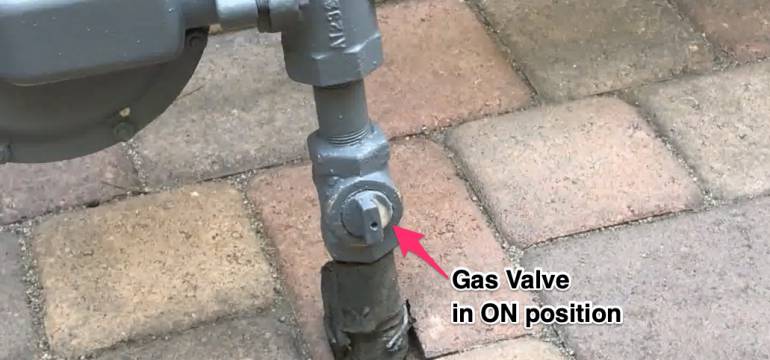
- Main Gas Valve: This valve controls the entire gas supply to your home. It's usually located near the gas meter, often outside or in the basement.
- Appliance-Specific Valve: Each gas appliance (furnace, water heater, stove, etc.) should have its own shut-off valve located on the gas line leading to that appliance. This allows you to isolate the gas supply to a single appliance without affecting others.
Which Way to Turn Off a Gas Valve?
Turning a gas valve the wrong way could worsen the situation. Here's the general rule:
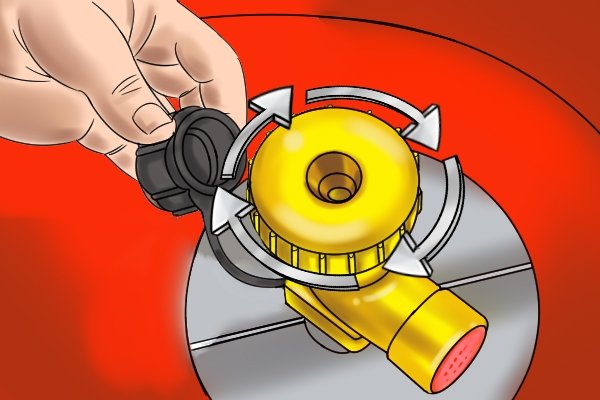
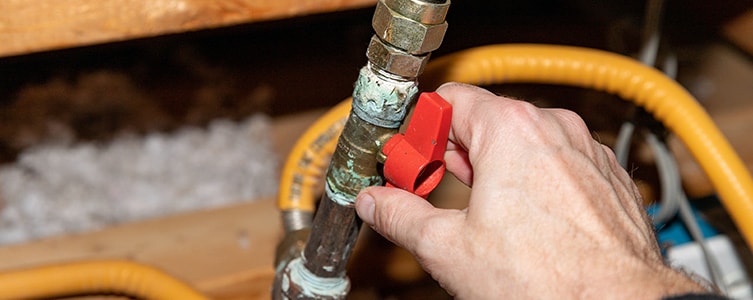
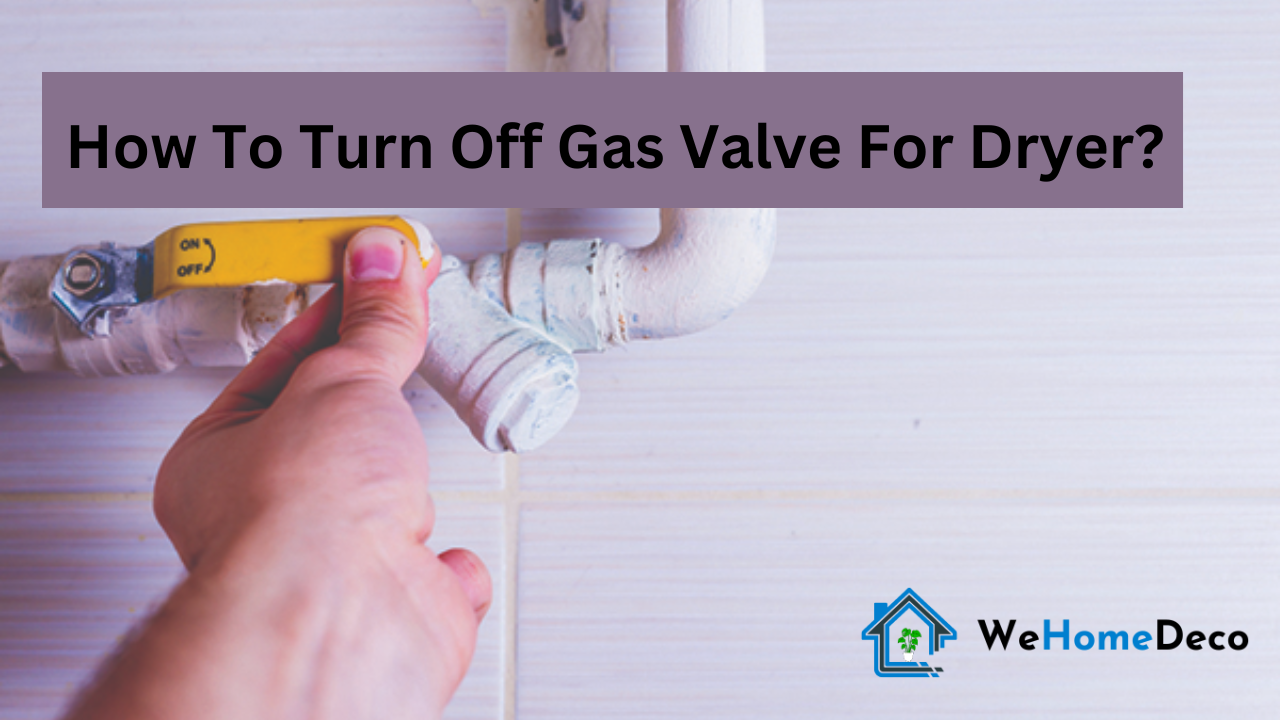
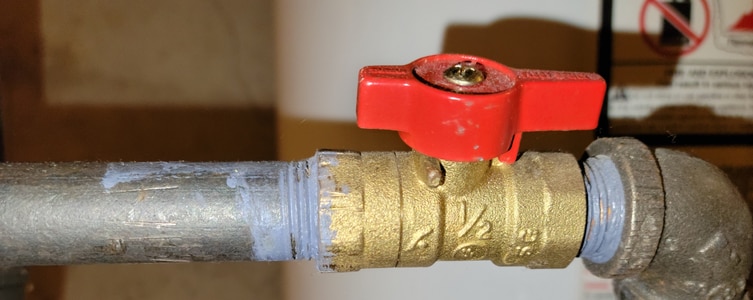
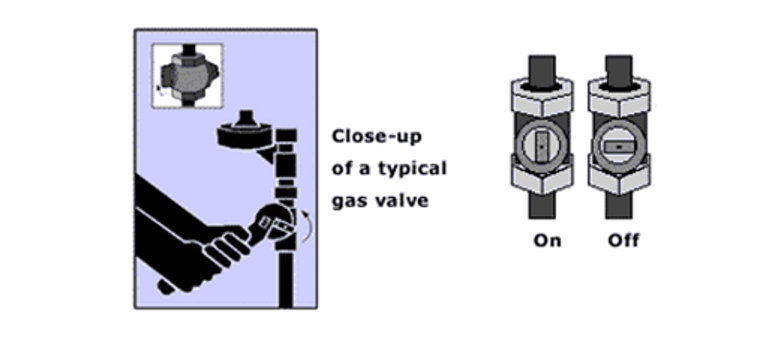
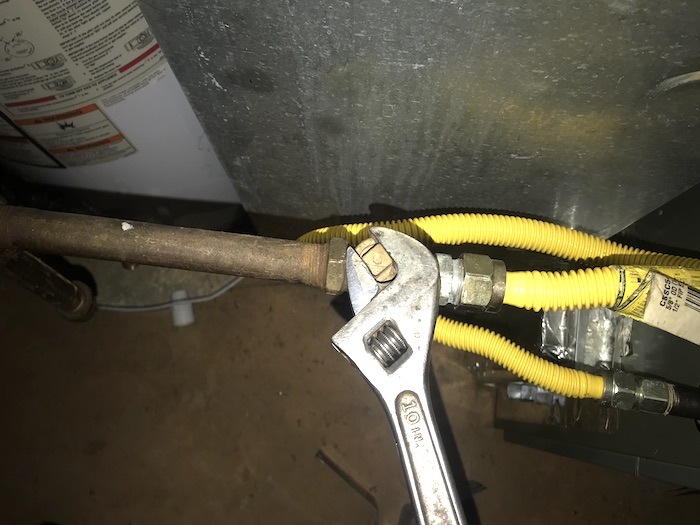
Gas valves are usually lever-handled or round-knob valves. To shut off the gas, turn the valve so that the lever or knob is perpendicular (at a right angle) to the gas pipe.
Visual Cue:
- On: The lever or knob is parallel (in line) with the gas pipe.
- Off: The lever or knob is perpendicular (at a right angle) to the gas pipe.
Think of it this way: when the valve is "open," it's aligned to allow the gas to flow through the pipe. When it's "closed," it's blocking the flow.
Round-Knob Valves:These valves usually have an arrow and labels indicating “ON” and “OFF” positions. Rotate the knob to the “OFF” position. Again, the knob should be perpendicular to the pipe when closed.
Emergency Gas Shut-Off
If you suspect a gas leak (smell of gas, hissing sound), immediately:
- Evacuate everyone from the building.
- From a safe distance (away from the building), call your gas company or 911.
- Do not use any electrical devices (lights, phones, etc.) as they could create a spark.
- If safe to do so *without entering the building*, shut off the main gas valve.
Troubleshooting: Gas Furnace Not Heating - A Step-by-Step Guide
Now that you know how to safely shut off the gas, let's look at some troubleshooting steps for our gas furnace scenario. Remember, if at any point you feel uncomfortable or unsure, stop and call a professional.
Step 1: Check the Thermostat
This might seem obvious, but it's often the culprit! Make sure:
- The thermostat is set to "Heat" mode.
- The set temperature is higher than the current room temperature.
- The thermostat has working batteries (if applicable).
Step 2: Check the Power Supply
Gas furnaces require electricity to operate the blower fan and control system. Ensure:
- The furnace's power switch (usually located on the side of the furnace) is in the "On" position.
- The circuit breaker for the furnace hasn't tripped. Check your electrical panel and reset the breaker if necessary. Before resetting, investigate why the breaker tripped – repeated tripping indicates a more serious electrical problem. If it trips immediately after resetting, call an electrician.
If you suspect any electrical issues, turn off the power to the furnace at the breaker box before proceeding.
Step 3: Check the Air Filter
A clogged air filter restricts airflow, which can cause the furnace to overheat and shut down. This is one of the easiest DIY fixes.
- Locate the air filter slot (usually near the blower compartment).
- Remove the old filter.
- Hold the old filter up to the light. If you can't see much light through it, it's time to replace it.
- Install a new filter of the correct size and type (check your furnace's manual or the old filter for specifications). Ensure the arrow on the filter points in the direction of airflow (usually towards the blower).
Step 4: Check the Pilot Light (Older Furnaces)
This step applies only to furnaces with a pilot light. Modern furnaces use electronic ignition.
- Locate the pilot light assembly (usually behind a small access panel).
- Follow the manufacturer's instructions to relight the pilot light. These instructions are often printed on a label near the pilot light assembly.
- If the pilot light won't stay lit, there may be a problem with the thermocouple (a safety device that shuts off the gas if the pilot light goes out). Replacing a thermocouple is a relatively simple DIY repair, but be absolutely sure to follow the manufacturer's instructions and shut off the gas supply to the furnace *before* starting.
- If you are unable to relight the pilot light, call a professional.
Step 5: Check the Flame Sensor (Modern Furnaces)
Modern furnaces use a flame sensor to detect the presence of a flame. If the sensor is dirty, it may not detect the flame, causing the furnace to shut down.
- Turn off the power and gas supply to the furnace.
- Locate the flame sensor (it's usually a small metal rod near the burner).
- Carefully remove the flame sensor (usually held in place by a screw or two).
- Clean the sensor with a piece of fine-grit sandpaper or steel wool.
- Reinstall the flame sensor.
- Turn the power and gas supply back on.
- Test the furnace.
Step 6: Check the Blower Motor
If the blower motor isn't running, the furnace won't distribute heat. Listen for any unusual noises coming from the blower motor area.
- Turn off the power to the furnace.
- Locate the blower motor.
- Inspect the blower motor for any signs of damage (e.g., burnt wires, loose connections).
- Check the blower motor capacitor (a cylindrical component connected to the motor). A bulging or leaking capacitor indicates a problem. Replacing a capacitor is a DIY repair some homeowners are comfortable with, but it involves working with electricity, so caution is advised. Always discharge the capacitor before handling it. If you're not comfortable, call a professional.
- If the blower motor itself is humming but not turning, it may be seized and need replacement. This is best left to a professional.
Step 7: Check the Gas Valve (Advanced - Requires Expertise)
This step is best left to a qualified technician. A malfunctioning gas valve can prevent gas from flowing to the burner.
- A technician can use a multimeter to test the gas valve's solenoid.
- They can also check for gas pressure at the valve.
- Never attempt to repair or disassemble a gas valve yourself.
When to Call a Professional
While some basic furnace troubleshooting can be done by homeowners, certain issues require professional attention. Call a qualified HVAC technician if:
- You smell gas.
- You're uncomfortable working with gas or electricity.
- The furnace continues to malfunction after you've tried the basic troubleshooting steps.
- You suspect a problem with the gas valve, heat exchanger, or other complex components.
- You lack the necessary tools or experience.
- You are unsure or uncomfortable with any step described above.
Safety First!
Working with gas appliances can be dangerous. Always prioritize safety. If you're unsure about anything, err on the side of caution and call a professional.
Additional Tips
- Regular Maintenance: Schedule annual maintenance for your gas furnace. A qualified technician can inspect and clean the furnace, identify potential problems, and ensure it's operating safely and efficiently.
- Carbon Monoxide Detectors: Install carbon monoxide detectors on every level of your home, especially near sleeping areas. Test them regularly and replace them according to the manufacturer's instructions. Carbon monoxide is a colorless, odorless gas that can be deadly.
- Keep the Area Around the Furnace Clear: Ensure the area around the furnace is free of clutter and flammable materials.
- Consult Your Owner's Manual: Your furnace's owner's manual contains valuable information about its operation, maintenance, and troubleshooting.
Remember that this guide provides basic troubleshooting steps. Appliance models and configurations vary. Always consult your owner's manual and follow the manufacturer's instructions. Stay safe!



:max_bytes(150000):strip_icc()/shut-off-gas-in-your-home-2718734-03-2281fc9fdae84bb2b312d913fa7a7899.jpg)