Who Is Responsible For Main Sewer Line

One of the most unpleasant surprises a homeowner can face is a sewer line problem. Backups, slow drains, and foul odors are all signs that something isn't right. But before you start digging (literally or figuratively!), it's crucial to understand who is responsible for main sewer line issues. This knowledge can save you time, money, and a whole lot of frustration. While this article focuses on sewer lines, it's important to remember that your HVAC system can also contribute to drainage issues through condensate drain lines. Keep those clean to avoid adding to your plumbing woes.
Understanding the Main Sewer Line
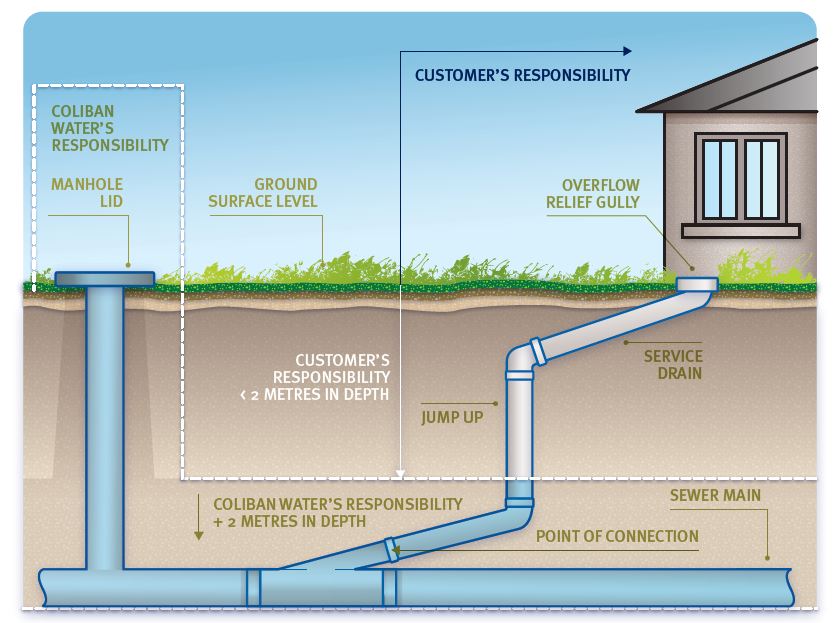
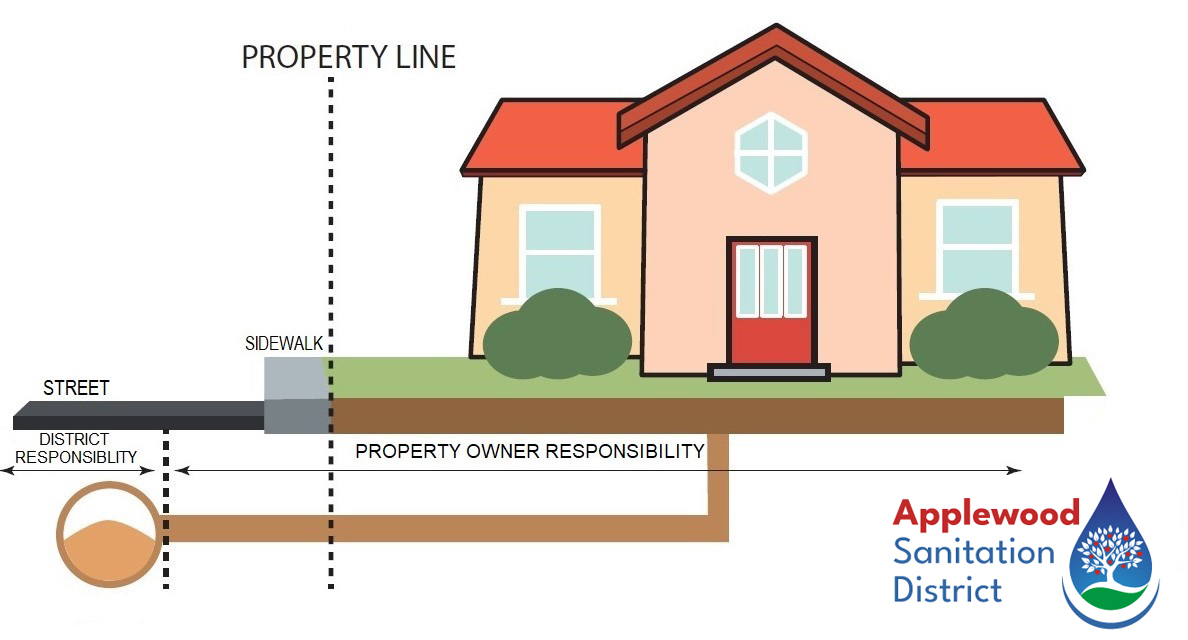
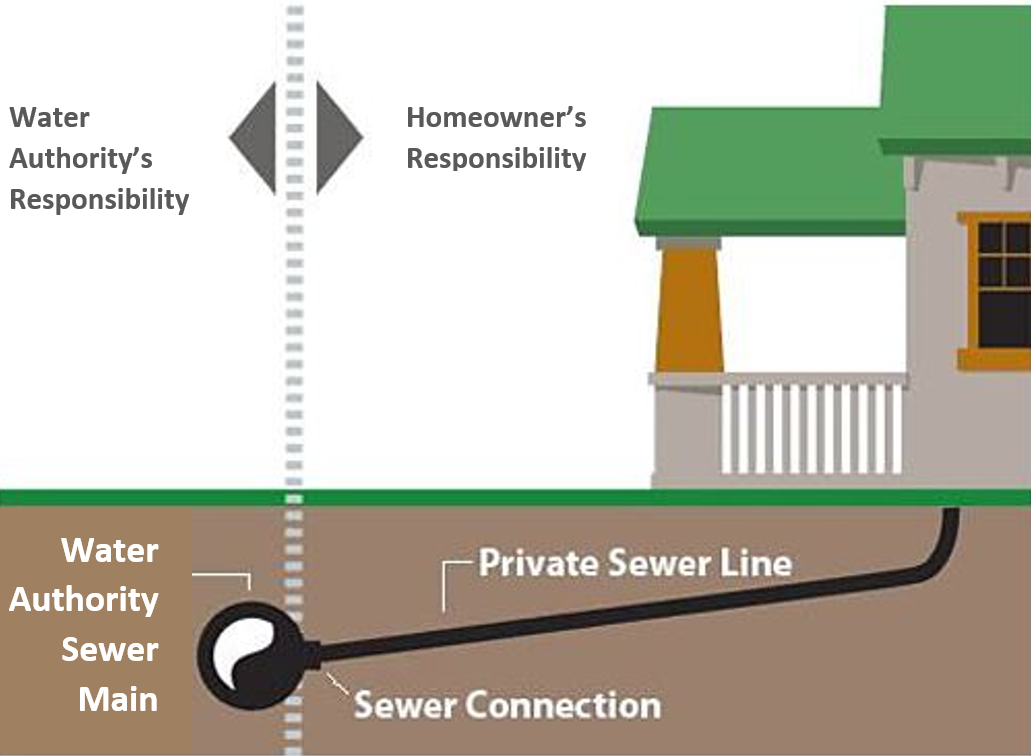
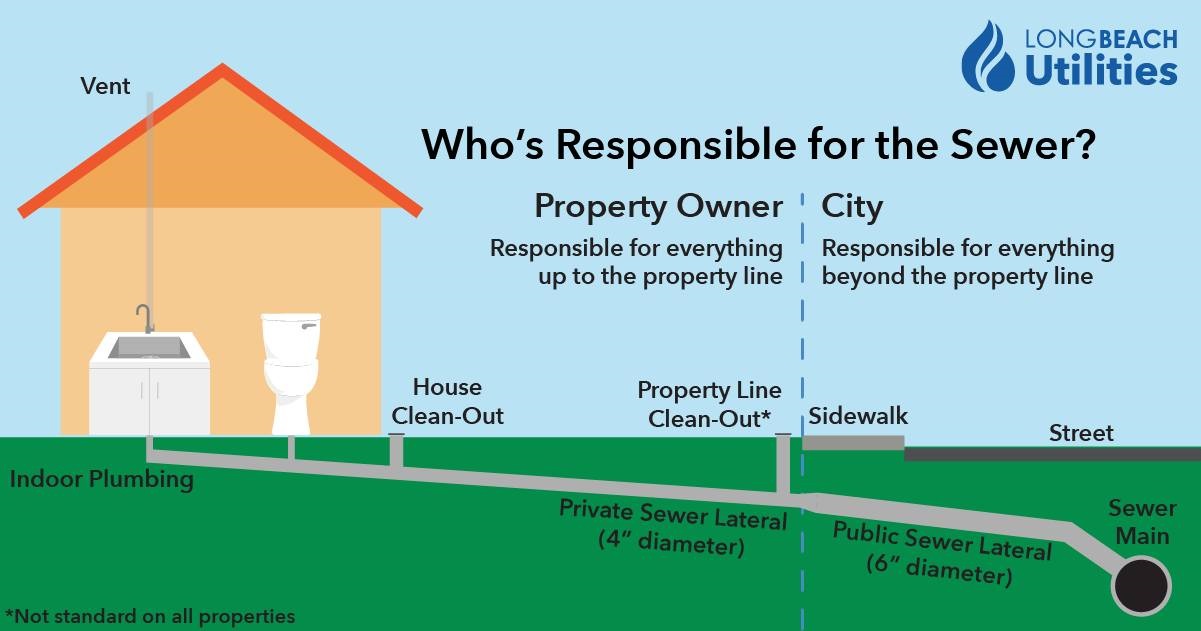
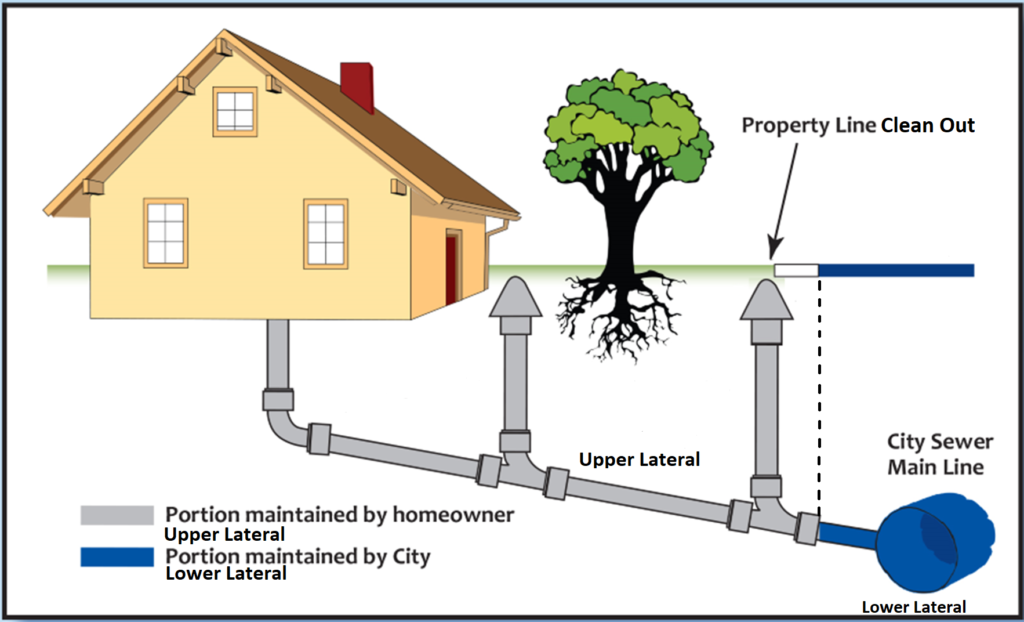
Your main sewer line is the underground pipe that carries all the wastewater from your home to either the municipal sewer system or your septic tank. This includes wastewater from toilets, showers, sinks, washing machines, and dishwashers. The section of this line that runs from your house to the property line is generally considered your responsibility as the homeowner. However, the section beyond the property line can get a little trickier.
The Property Line Distinction
In most municipalities, the portion of the sewer line running from the property line to the main municipal sewer connection is the responsibility of the city or municipality. This area is often referred to as the “sewer lateral.” However, this isn't a universal rule. Some cities require homeowners to maintain the entire line, even beyond the property line. Always check with your local government or homeowners association (HOA) to confirm local regulations.
For homeowners with septic systems, the rules are simpler. You are generally responsible for the entire sewer line, from the house to the septic tank.
Determining Responsibility: Key Steps
If you suspect a sewer line issue, take these steps to determine who's responsible:
- Identify the Problem: Is it a slow drain in one fixture, or are multiple fixtures backing up? A single slow drain is likely a localized issue within your home’s plumbing. Widespread backups often indicate a main sewer line problem.
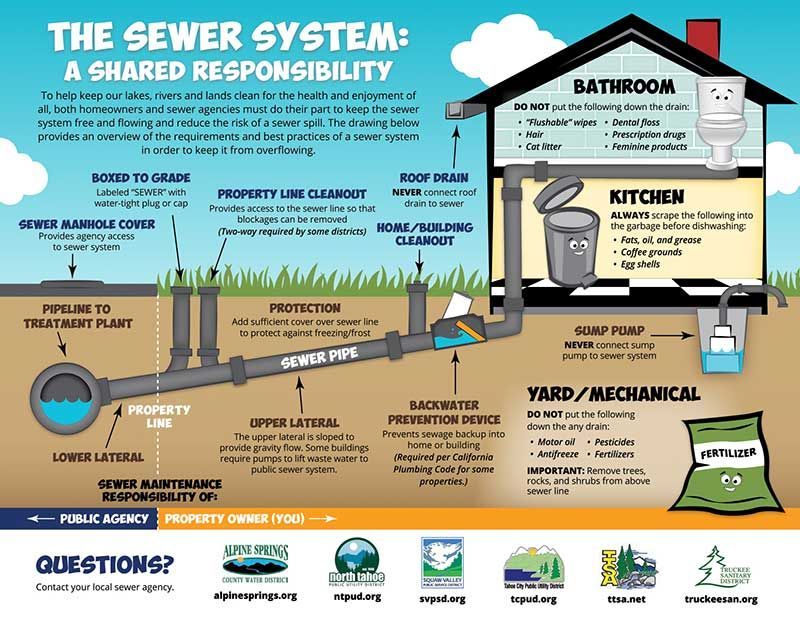
- Locate Cleanout Access: Most homes have a sewer line cleanout, usually a capped pipe located outside the house, often near the foundation. Finding it can provide easier access to the sewer line for inspection.
- Check with Neighbors: Ask your neighbors if they’re experiencing similar problems. If multiple homes are affected, it could point to a municipal sewer main issue.
- Review Your Homeowner's Insurance: Some policies cover sewer line repairs, but it's important to understand the coverage limits and exclusions.
- Contact Your Local Municipality: Before you start any major repairs, contact your city or county's public works department or water/sewer authority. They can provide information about sewer line ownership and any permit requirements.
Common Sewer Line Problems and Who Pays
Here's a breakdown of common sewer line problems and who is typically responsible:
- Clogs:
- Inside the House (before cleanout): Homeowner responsibility. This could be caused by flushing inappropriate items (feminine hygiene products, wipes, etc.), grease buildup, or tree roots entering through cracks in the pipe.
- Between Cleanout and Property Line: Generally, homeowner responsibility, but check local ordinances.
- Beyond the Property Line: Typically, the municipality's responsibility, but confirm local rules.
- Tree Root Intrusion: This is a common culprit. Tree roots are attracted to the moisture and nutrients in sewer lines. Responsibility generally follows the property line rule.
- Pipe Collapse/Breaks: Can be caused by age, ground shifting, or heavy construction nearby. Responsibility often depends on location relative to the property line and the cause of the damage. Check with your local municipality and insurance provider.
- Bellied Pipes: Occurs when a section of the pipe sags, creating a low spot that traps debris and causes backups. Responsibility follows the property line rule.
- Offset Pipes: When pipes become misaligned. Likely homeowner responsibility if found on your side of the property line.
DIY Troubleshooting (Proceed with Caution!)
Before calling a professional, you can attempt some basic troubleshooting. However, always prioritize safety and wear appropriate personal protective equipment (PPE), including gloves and eye protection.
Tools You Might Need:
- Plunger: For clearing minor clogs in individual fixtures.
- Drain Snake (Auger): For snaking out clogs in drain pipes. Start with a small hand-cranked snake and graduate to a larger one if needed.
- Wrench: For removing cleanout caps.
- Garden Hose: For flushing out debris from the cleanout.
- Protective Gloves & Eye Protection: Always wear these to protect yourself from bacteria and chemicals.
Steps to Take:
- Plunge Obvious Clogs: Start by plunging toilets, sinks, and tubs that are draining slowly.
- Use a Drain Snake: If plunging doesn't work, try a drain snake. Carefully insert the snake into the drain opening and rotate it to break up the clog.
- Access the Cleanout: Locate your sewer line cleanout. Carefully remove the cap (be prepared for some potential mess).
- Flush with a Hose: Insert a garden hose into the cleanout and try to flush out any debris. Be careful not to create more pressure than the pipe can handle.
Warning: Working with sewer lines can expose you to harmful bacteria and chemicals. Always wear appropriate PPE and wash your hands thoroughly after working on your plumbing. Avoid using chemical drain cleaners, as they can damage your pipes and are often ineffective for main sewer line clogs.
When to Call a Professional (And Why)
While DIY troubleshooting can be helpful for minor clogs, there are many situations where you should call a qualified plumber or sewer line specialist. Attempting more complex repairs without the proper knowledge and equipment can be dangerous and costly in the long run.
Reasons to Call a Pro:
- Persistent Clogs: If you've tried plunging and snaking and the problem persists, it's likely a more serious issue.
- Multiple Fixtures Backing Up: This is a strong indicator of a main sewer line problem.
- Sewer Odor: A persistent sewer odor in your home is a sign that something is seriously wrong.
- Visible Signs of Damage: If you see cracks in your foundation, wet spots in your yard, or other signs of sewer line damage, call a professional immediately.
- You're Uncomfortable or Unsure: If you're not comfortable working with plumbing or you're not sure what you're doing, it's always best to call a professional.
What a Professional Can Do:
- Sewer Camera Inspection: A plumber can use a sewer camera to inspect the inside of your sewer line and identify the cause and location of the problem.
- Hydro Jetting: This uses high-pressure water to clear out stubborn clogs and buildup in your sewer line.
- Trenchless Sewer Repair: This involves repairing or replacing your sewer line without digging up your yard.
- Traditional Sewer Line Repair: This involves digging up your yard to repair or replace your sewer line.
Cost Estimates for Sewer Line Repair
The cost of sewer line repair can vary widely depending on the severity of the problem, the location of the damage, and the repair method used. Here are some general cost estimates:
- Sewer Camera Inspection: $150 - $500
- Hydro Jetting: $300 - $600
- Sewer Line Repair (Trenchless): $4,000 - $25,000+
- Sewer Line Repair (Traditional): $5,000 - $25,000+
These are just estimates, and the actual cost may be higher or lower. It's always best to get multiple quotes from qualified plumbers before making a decision. Remember to ask for a detailed breakdown of the costs and warranty information.
Preventative Measures
While you can't prevent all sewer line problems, there are some steps you can take to reduce your risk:
- Be Mindful of What You Flush: Avoid flushing anything other than toilet paper. Never flush feminine hygiene products, wipes, diapers, or other non-flushable items.
- Avoid Grease Down the Drain: Pour grease into a container and dispose of it in the trash.
- Maintain Your Trees: Keep tree roots away from your sewer line by planting trees away from the line or using root barriers.
- Schedule Regular Inspections: Consider having your sewer line inspected periodically, especially if you have older pipes.
Understanding who is responsible for main sewer line maintenance and repairs is crucial for every homeowner. By taking preventative measures and knowing when to call a professional, you can avoid costly repairs and keep your plumbing system running smoothly. And don’t forget, keep an eye on your HVAC system’s condensate drain as well – a little preventative maintenance goes a long way!