Who Makes The Best Furnace

Choosing the best furnace for your home is a significant decision. It impacts your comfort, your energy bills, and even the air quality you breathe. But with so many brands and models available, navigating the market can feel overwhelming. This guide will break down the key factors to consider, offering a comprehensive overview to help you make an informed choice.
Understanding Furnace Basics
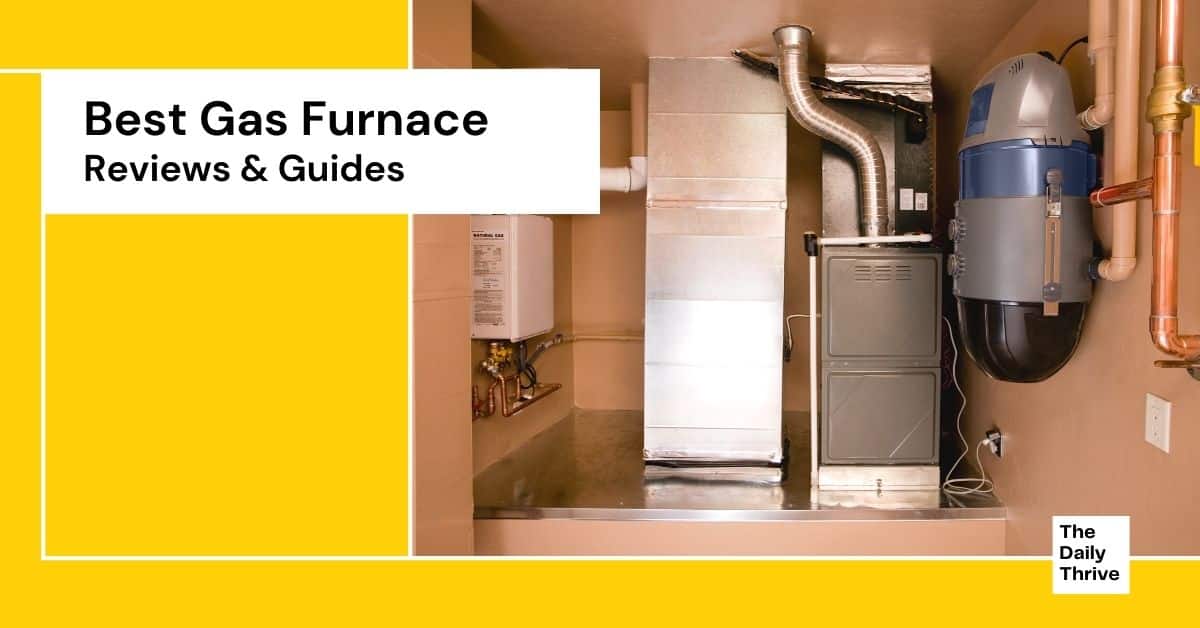
Before diving into specific brands, it's crucial to understand the fundamentals of how a furnace works. Most residential furnaces are forced-air systems, meaning they heat air and then distribute it throughout your home via ducts. Here's a simplified explanation:
- Thermostat Signals: Your thermostat senses the room temperature and, when it's too cold, sends a signal to the furnace.
- Burner Ignition: The furnace burner ignites, typically using natural gas or propane as fuel.
- Heat Exchanger: The burning fuel heats a component called the heat exchanger. This is a series of metal chambers that transfer the heat to the air without mixing the combustion gases with the air you breathe.
- Blower Motor: A powerful fan, called the blower motor, forces air across the heat exchanger, warming it up.
- Air Distribution: The heated air is then pushed through your ductwork and out through your vents, warming your home.
- Exhaust: The combustion gases (like carbon dioxide and water vapor) are safely vented outside through a flue.
Important Terms:
- AFUE (Annual Fuel Utilization Efficiency): This is a percentage that represents how efficiently a furnace converts fuel into heat. A higher AFUE means less fuel is wasted and lower energy bills. Modern furnaces typically range from 80% to 98% AFUE.
- Single-Stage vs. Two-Stage vs. Modulating: These terms refer to the furnace's heating output.
- Single-Stage: Operates at only one heat output – full blast. This can lead to temperature fluctuations and less consistent comfort.
- Two-Stage: Operates at two heat outputs – high and low. This provides more consistent heating and better energy efficiency than single-stage furnaces.
- Modulating: Offers a wide range of heat outputs, adjusting to precisely match the heating demand. This provides the most consistent comfort and the highest energy efficiency.
- Blower Motor Types: The blower motor circulates air. There are generally two types:
- PSC (Permanent Split Capacitor): Older, less efficient, and generally louder.
- ECM (Electronically Commutated Motor): More energy-efficient, quieter, and offer better airflow control. These are sometimes referred to as "variable-speed" blower motors.
Key Factors to Consider When Choosing a Furnace
Before deciding on a brand, consider these factors. They'll help narrow down your choices and ensure you select the right furnace for your specific needs.
- Climate: If you live in a very cold climate, a furnace with a higher AFUE and a two-stage or modulating burner might be worth the investment, even though it will cost more upfront. In milder climates, a less expensive, single-stage furnace with a slightly lower AFUE might be sufficient.
- Home Size and Insulation: A larger home or a home with poor insulation will require a more powerful furnace (measured in BTUs – British Thermal Units). A qualified HVAC technician can perform a heat load calculation to determine the appropriate BTU rating for your home.
- Budget: Furnaces range widely in price, from basic models to high-efficiency units with advanced features. Set a realistic budget and prioritize the features that are most important to you. Remember to factor in installation costs as well.
- Energy Efficiency: Consider the long-term cost savings of a high-efficiency furnace. While the initial investment may be higher, the lower energy bills can offset the cost over time. Look for furnaces with the Energy Star label.
- Features: Consider features like variable-speed blowers, smart thermostats, and air purification systems. These can enhance comfort, improve air quality, and provide greater control over your home's environment.
- Warranty: Pay attention to the manufacturer's warranty. A longer warranty typically indicates greater confidence in the product's reliability. Look for warranties that cover both parts and labor.
Evaluating Furnace Brands: What to Look For
While many brands offer reliable furnaces, some consistently stand out for their performance, reliability, and features. Here are some factors to consider when evaluating different brands:
- Reliability and Longevity: Research the brand's reputation for reliability. Look for online reviews and ratings from independent sources. A furnace should last 15-20 years with proper maintenance.
- Energy Efficiency: Check the AFUE ratings of the brand's furnaces. Look for models with Energy Star certification.
- Innovation and Technology: Consider whether the brand invests in research and development and offers advanced features like modulating burners, variable-speed blowers, and smart thermostat compatibility.
- Warranty and Customer Support: Evaluate the brand's warranty coverage and customer support reputation. A strong warranty and responsive customer support can provide peace of mind.
- Price and Value: Compare the prices of different brands and models, considering the features and benefits they offer. Choose a furnace that provides the best value for your money.
- Installer Network: The best furnace in the world won't perform well if it's not installed correctly. Look for brands with a strong network of qualified and experienced installers in your area.
Top Furnace Brands (Considerations)
It's important to remember that "best" is subjective and depends on your individual needs and priorities. However, some brands consistently receive high ratings for reliability, performance, and customer satisfaction. This is not an exhaustive list, and local market conditions can impact pricing and availability. Always get quotes from multiple HVAC contractors before making a decision.
Carrier
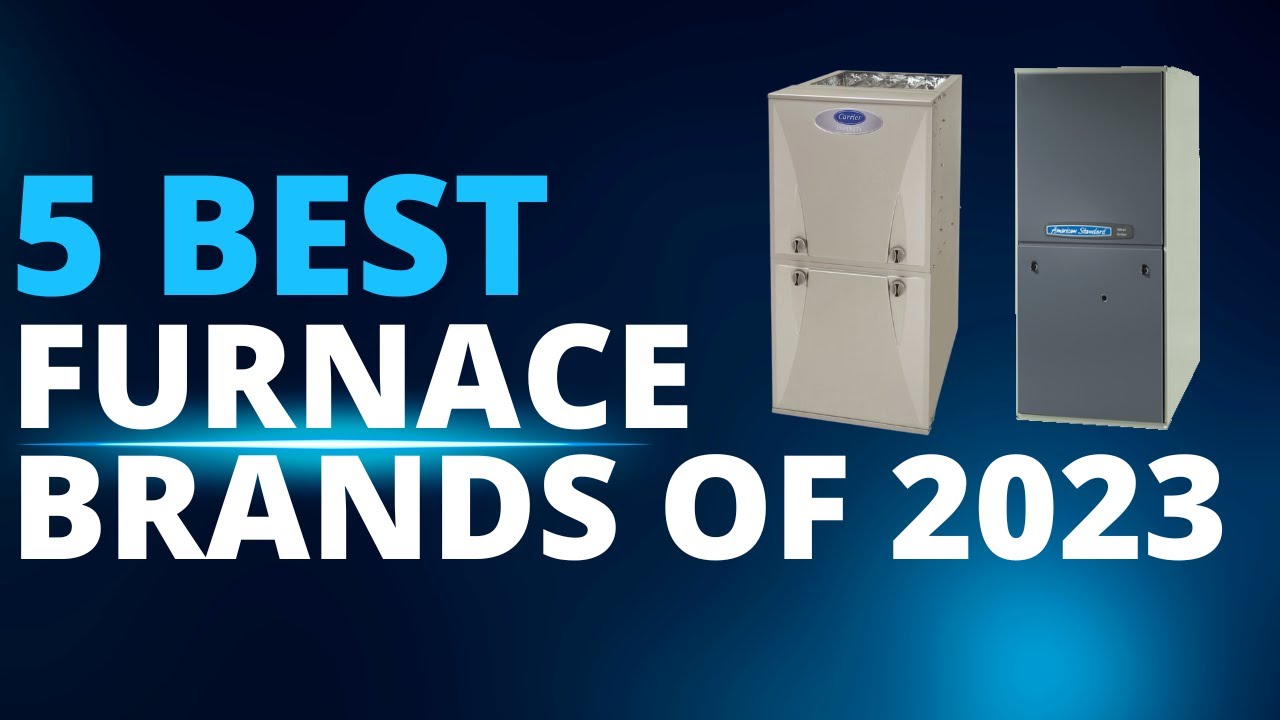
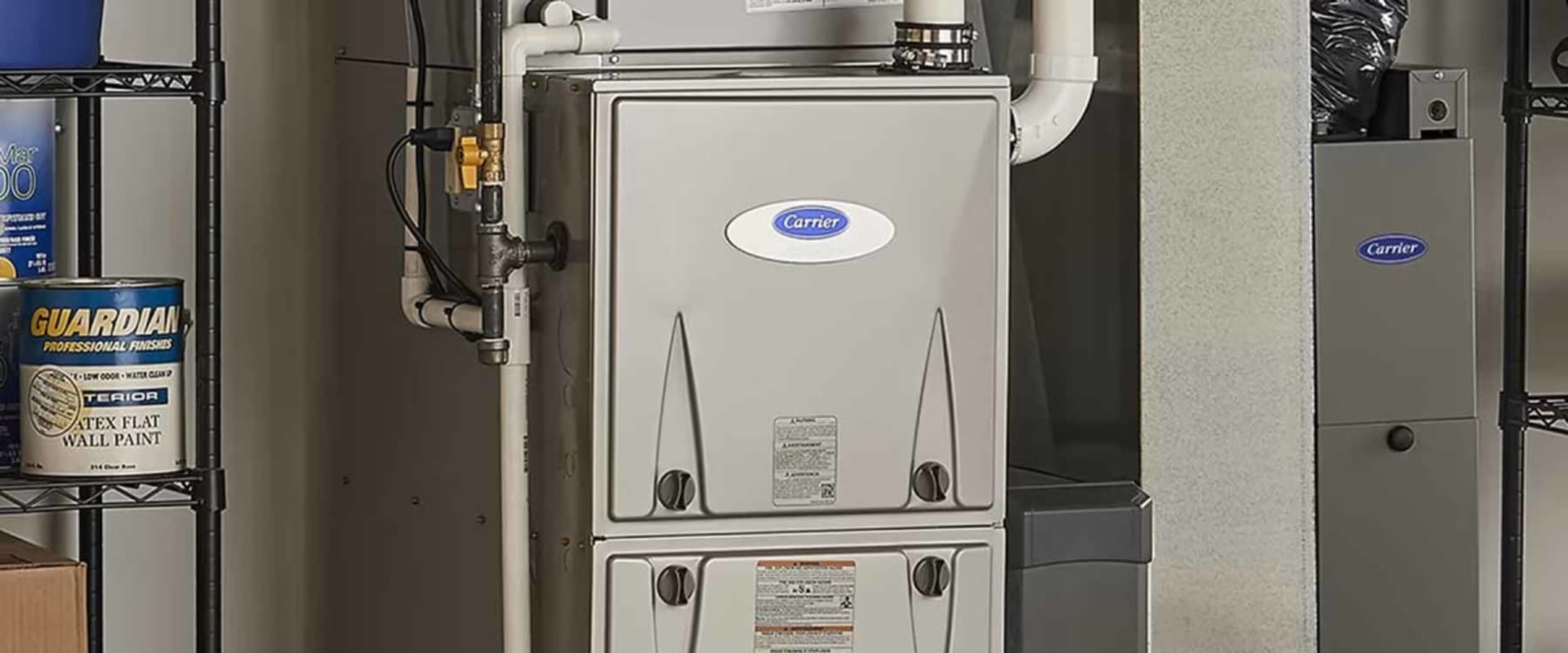
Carrier is a well-established brand known for its high-efficiency furnaces and innovative technology. They offer a wide range of models, from basic to premium, catering to various budgets and needs. Carrier furnaces often feature advanced features like modulating burners and variable-speed blowers.
Trane
Trane is another reputable brand known for its durability and reliability. Their furnaces are built to last and are often praised for their quiet operation. Trane offers a variety of models with different AFUE ratings and features.
American Standard
American Standard is closely related to Trane (both are owned by the same company) and offers similar quality and reliability. Their furnaces are often slightly more affordable than Trane models. Their reputation for product development to address consumer needs is well documented.
Lennox
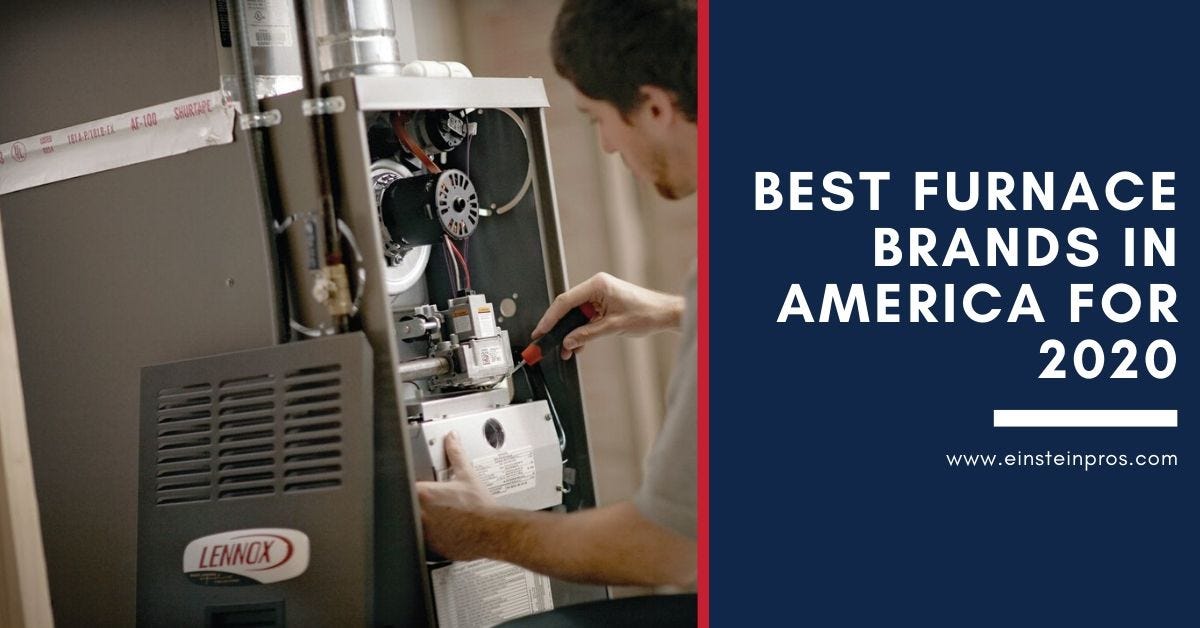
Lennox is a brand known for its high-end, innovative furnaces. They offer some of the most energy-efficient models on the market, with AFUE ratings up to 98%. Lennox furnaces often feature advanced features like communicating thermostats and zoning systems.
Goodman
Goodman is a more budget-friendly brand that offers a good value for the price. While their furnaces may not have all the bells and whistles of premium brands, they are generally reliable and efficient. They can be a solid choice if you're looking for an affordable option.
Rheem
Rheem offers a range of furnaces known for their ease of installation and service. They are a popular choice among HVAC contractors. Rheem furnaces offer a good balance of performance, reliability, and affordability.
Ruud
Ruud, like American Standard and Trane, is very close to Rheem (same parent company) and offers similar performance and features to Rheem. They offer a good range of options for different budgets.
The Importance of Professional Installation
Even the best furnace will underperform if it's not installed correctly. Proper installation is crucial for ensuring optimal efficiency, reliability, and safety. Choose a qualified and experienced HVAC contractor to install your new furnace.
Here are some things to look for in an HVAC contractor:
- Licensing and Insurance: Ensure the contractor is properly licensed and insured.
- Experience: Choose a contractor with experience installing the type of furnace you're considering.
- Reputation: Check online reviews and ratings to get a sense of the contractor's reputation.
- References: Ask for references from previous customers.
- Written Estimate: Get a detailed written estimate that includes all costs, including labor, materials, and permits.
Regular Maintenance is Key
Once your furnace is installed, regular maintenance is essential for keeping it running efficiently and reliably. Schedule annual maintenance checks with a qualified HVAC technician. Maintenance typically includes:
- Inspecting and cleaning the burner.
- Checking the heat exchanger for cracks or leaks.
- Inspecting and cleaning the blower motor.
- Checking and adjusting the gas pressure.
- Replacing the air filter.
- Testing the safety controls.
By following these steps, you can extend the life of your furnace and ensure that it continues to provide reliable and efficient heating for years to come.
Making the Right Choice
Ultimately, the best furnace for you depends on your individual needs, budget, and climate. Do your research, consider the factors outlined in this guide, and get quotes from multiple HVAC contractors before making a decision. By taking the time to make an informed choice, you can ensure that you get a furnace that provides comfortable, efficient, and reliable heating for your home.