Who Manufactures Goodman Air Conditioners
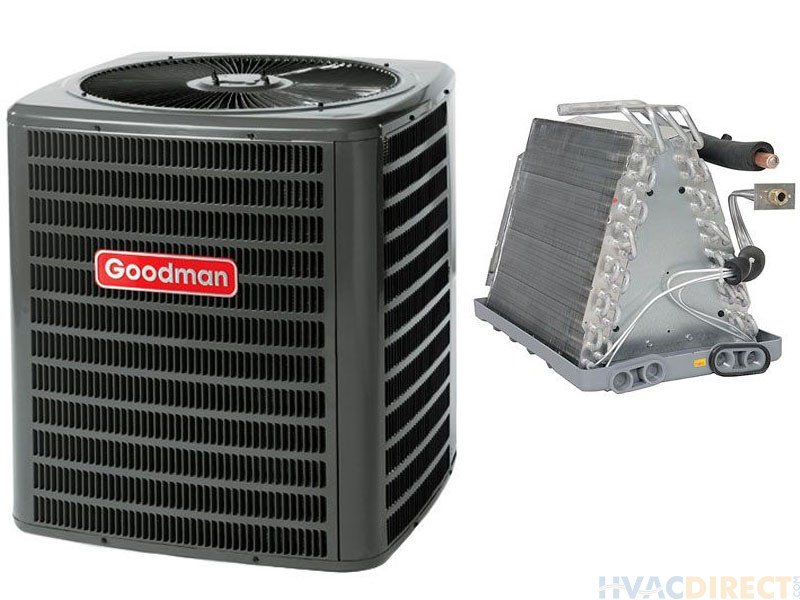
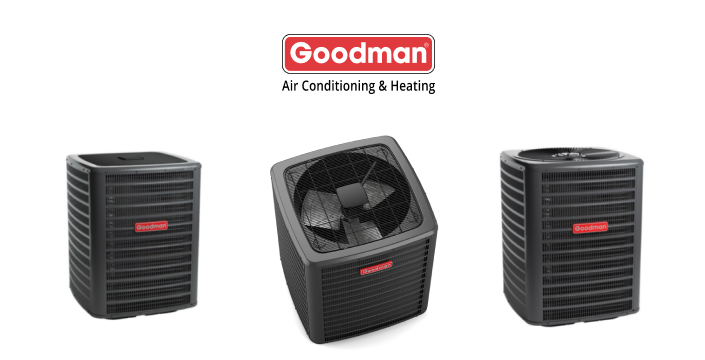
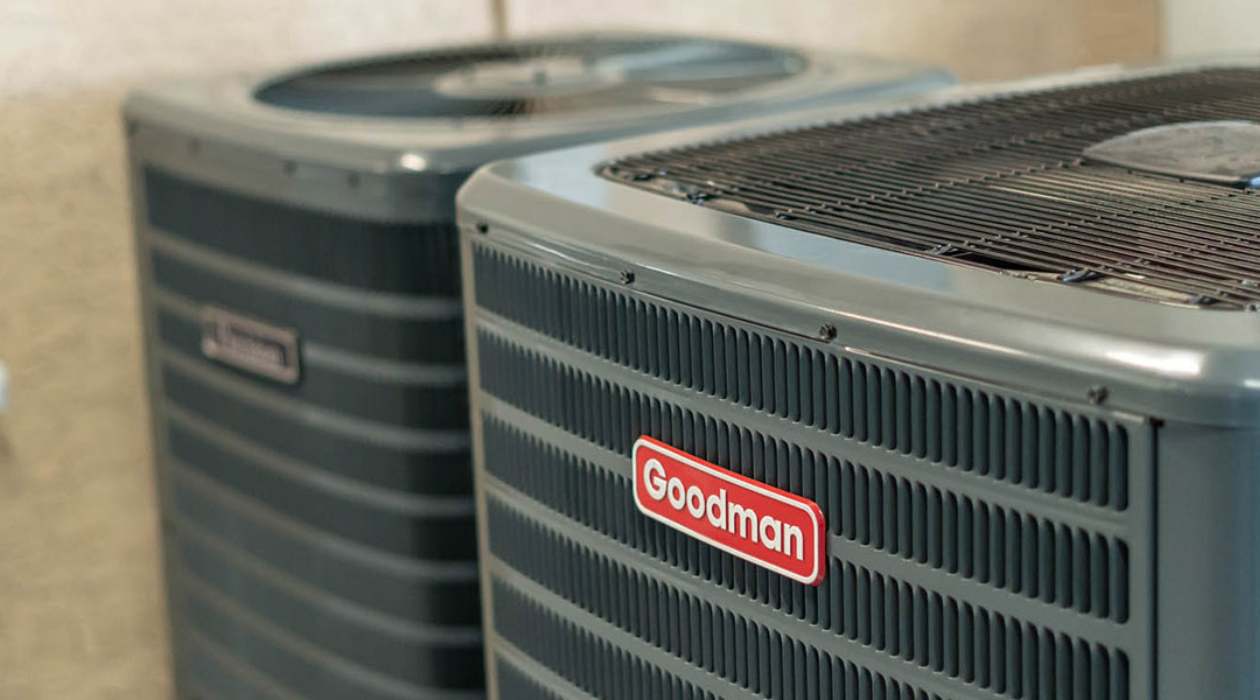
Goodman Manufacturing is a significant player in the heating, ventilation, and air conditioning (HVAC) industry, known for its wide range of affordable residential and commercial HVAC systems. A common question among homeowners, technicians, and facility managers alike is: Who actually manufactures Goodman air conditioners and other Goodman products?
The Daikin Connection: Goodman's Parent Company
Goodman Manufacturing Company, L.P. is a subsidiary of Daikin Industries, Ltd., a global leader in air conditioning solutions. Daikin, headquartered in Osaka, Japan, is a Fortune 1000 company recognized for its innovation and technological advancements in the HVAC sector. Daikin acquired Goodman Global, Inc. (Goodman's parent company at the time) in 2012. This acquisition brought Goodman under the umbrella of one of the world's largest HVAC manufacturers.
Therefore, while Goodman air conditioners carry the Goodman brand name, they are, in fact, manufactured under the direction and ownership of Daikin Industries. This relationship is critical to understanding Goodman's manufacturing processes, quality control, and overall product strategy.
Manufacturing Locations: Where are Goodman Units Made?
Goodman air conditioners and other HVAC equipment are primarily manufactured in the United States. Daikin has invested heavily in expanding Goodman's manufacturing capabilities within the U.S. In 2017, Daikin opened a massive, state-of-the-art manufacturing facility in Waller, Texas, near Houston. This facility, known as Daikin Texas Technology Park, is one of the largest HVAC manufacturing plants in North America.
The Texas Technology Park consolidates many of Daikin's and Goodman's manufacturing, engineering, logistics, and customer support operations into a single location. This co-location allows for increased efficiency, better communication, and streamlined production processes. While some components may be sourced globally, the majority of Goodman units destined for the North American market are assembled at this facility.
It is important to note that Daikin also manufactures HVAC products under its own brand name, in addition to Goodman. These Daikin-branded units are often positioned as higher-end or more technologically advanced compared to Goodman, and may be manufactured in different locations or using different processes.
What Does the Daikin Ownership Mean for Goodman?
The acquisition of Goodman by Daikin has had several significant implications for the Goodman brand and its products:
Improved Technology and Innovation
Daikin's expertise in HVAC technology has allowed Goodman to incorporate advanced features and improve the efficiency of its air conditioners and other equipment. For example, Goodman has introduced models with variable-speed compressors and sophisticated control systems, features that were previously more common in higher-end brands.
Enhanced Quality Control
Daikin's rigorous quality control standards have been implemented throughout Goodman's manufacturing processes. This has led to improved reliability and durability of Goodman products. The new Texas Technology Park is equipped with advanced testing and quality assurance equipment, ensuring that all units meet Daikin's stringent requirements.
Expanded Product Line
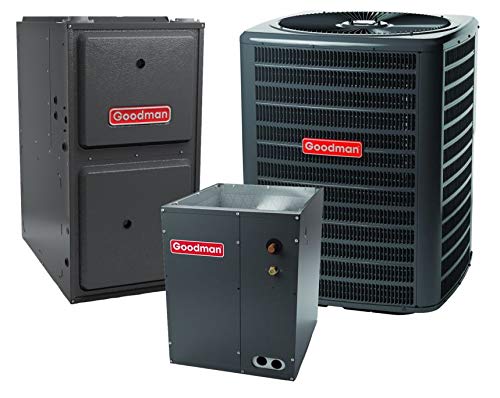
Under Daikin's ownership, Goodman has expanded its product line to include a wider range of air conditioners, furnaces, heat pumps, and other HVAC equipment. This allows homeowners and businesses to find a Goodman system that meets their specific needs and budget.
Increased Brand Recognition
Daikin's global presence and reputation have helped to increase brand recognition for Goodman, both domestically and internationally. The Goodman brand is now associated with quality and value, making it a popular choice for homeowners and contractors alike.
Goodman Air Conditioner Performance: Efficiency, Cost, and Lifespan
Goodman air conditioners are generally known for offering a good balance of affordability and performance. Here's a breakdown of some key considerations:
Efficiency (SEER Rating)
The Seasonal Energy Efficiency Ratio (SEER) rating measures the cooling efficiency of an air conditioner. Higher SEER ratings indicate greater energy savings. Goodman offers air conditioners with SEER ratings ranging from 13 to 24.5. For example, a Goodman unit with a 16 SEER rating will use significantly less energy than a 13 SEER model to provide the same amount of cooling. Selecting a higher SEER unit results in higher upfront cost, but yields more savings in the long run.
Cost
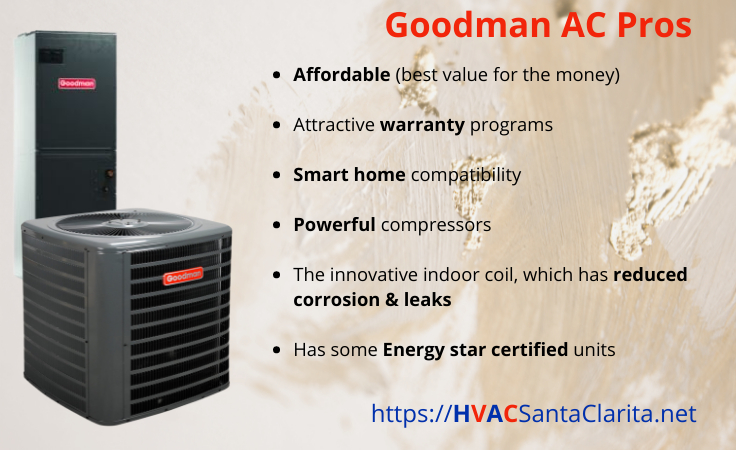
Goodman air conditioners are typically priced lower than comparable models from other leading brands. This makes them an attractive option for homeowners on a budget. However, it's important to factor in the total cost of ownership, including installation, maintenance, and energy consumption, when comparing different brands and models.
For example, a complete Goodman AC installation for a 2000 sq ft home may cost between $4,000 and $7,000, including the unit, labor, and necessary ductwork modifications. Prices vary based on SEER rating and installation complexity.
Lifespan
The lifespan of a Goodman air conditioner can vary depending on factors such as usage, maintenance, and climate. With proper maintenance, a Goodman AC unit can last 10-15 years. Regular maintenance, such as cleaning the coils and changing the air filter, can help to extend the lifespan of the unit and improve its efficiency.
Warranty
Goodman offers a standard warranty on its air conditioners, typically including a 10-year parts limited warranty. This warranty provides protection against defects in materials and workmanship. Some models also offer extended warranties on the compressor and other key components. Properly registering the unit upon installation is critical to ensure warranty coverage.
Goodman vs. Daikin: Key Differences
While Goodman is owned by Daikin, there are still key differences between the two brands:
- Price: Goodman units are generally more affordable than Daikin units.
- Features: Daikin often incorporates more advanced features and technologies into its units, such as variable refrigerant volume (VRV) systems and sophisticated control systems.
- Target Market: Goodman primarily targets the residential market and smaller commercial applications, while Daikin caters to a wider range of commercial and industrial customers.
- Brand Perception: Daikin is often perceived as a premium brand, while Goodman is seen as a value-oriented brand.
Ultimately, the choice between a Goodman and a Daikin air conditioner depends on individual needs and preferences. Homeowners looking for an affordable and reliable option may find that a Goodman unit is a good fit. Businesses and organizations with more complex cooling needs may prefer the advanced features and capabilities of a Daikin system.
For HVAC Technicians: Working with Goodman Equipment
HVAC technicians should be familiar with Goodman air conditioners and other equipment due to their widespread use in residential and commercial buildings. Here are a few key considerations for technicians working with Goodman units:
- Accessibility: Goodman units are generally designed for easy access and servicing. The components are typically arranged in a logical manner, making it easier to diagnose and repair problems.
- Parts Availability: Replacement parts for Goodman air conditioners are readily available through distributors and online retailers.
- Technical Support: Goodman provides technical support to HVAC technicians through its website and phone lines.
- Training: Daikin offers training programs for HVAC technicians on the installation, maintenance, and repair of Goodman and Daikin equipment.
- Documentation: Thoroughly review the product documentation, including wiring diagrams and troubleshooting guides, before working on any Goodman unit.
Important Note: Always follow proper safety procedures and use appropriate personal protective equipment (PPE) when working with HVAC equipment. Disconnect power to the unit before performing any maintenance or repairs.
Conclusion
Goodman air conditioners are manufactured under the ownership and direction of Daikin Industries, a global leader in HVAC technology. Daikin's investment in Goodman has led to improved quality, expanded product lines, and increased brand recognition. Goodman air conditioners offer a good balance of affordability and performance, making them a popular choice for homeowners and businesses alike. Understanding the relationship between Goodman and Daikin can help homeowners, technicians, and facility managers make informed decisions about their HVAC needs.
By understanding the Daikin connection, manufacturing locations, and performance characteristics of Goodman air conditioners, homeowners, technicians, and facility managers can make informed decisions about their HVAC investments.