Why Are Ac Bad For The Environment
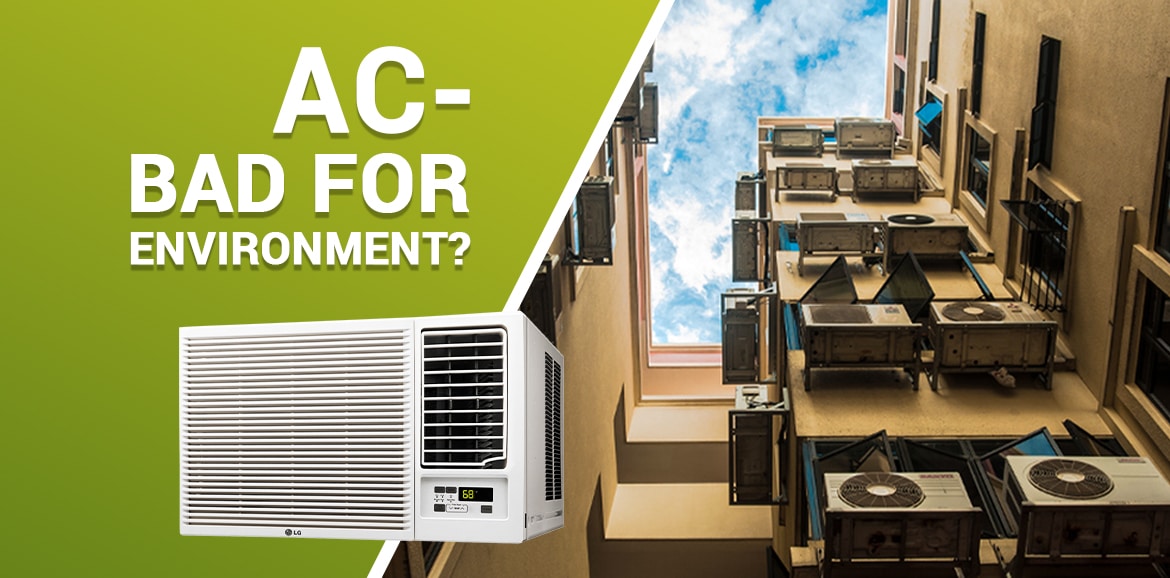
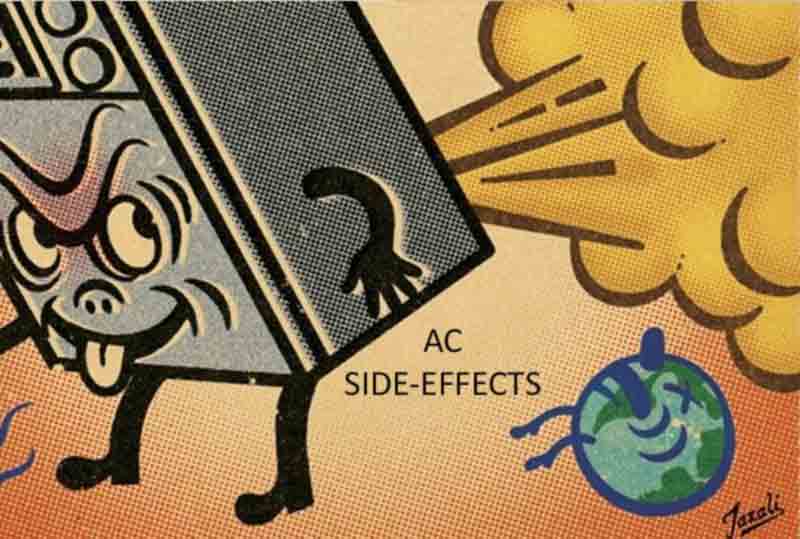
Air conditioning is a modern marvel, offering cool relief during sweltering summers. But behind that comfort lies a significant environmental impact. As homeowners and DIY enthusiasts, understanding why ACs are bad for the environment is the first step toward making informed decisions and adopting more sustainable practices.
The Refrigerant Problem: A Major Culprit
The most direct environmental harm from air conditioners comes from the refrigerants they use. Historically, refrigerants like CFCs (chlorofluorocarbons) and HCFCs (hydrochlorofluorocarbons) were common. These chemicals were incredibly damaging to the ozone layer, which protects us from harmful UV radiation. While phased out under international agreements like the Montreal Protocol, their legacy lingers, and some older systems may still contain these substances.
Modern ACs use HFCs (hydrofluorocarbons) as refrigerants, such as R-410A. While HFCs don't deplete the ozone layer, they are potent greenhouse gases with a high Global Warming Potential (GWP). This means they trap significantly more heat in the atmosphere than carbon dioxide (CO2) over a specific period. A leak of even a small amount of refrigerant can have a substantial impact on global warming.
Common Refrigerant Issues & Safety
- Leaks: The most common problem. Look for signs like reduced cooling performance, hissing sounds near the unit, or visible oil residue.
- Improper Disposal: Releasing refrigerants into the atmosphere during disposal is illegal and environmentally disastrous.
- Mixing Refrigerants: Never mix different types of refrigerants. This can damage the AC system and create dangerous chemical reactions.
Safety First: Refrigerant handling requires specialized equipment and training. Never attempt to repair refrigerant leaks yourself. Contact a licensed HVAC technician.
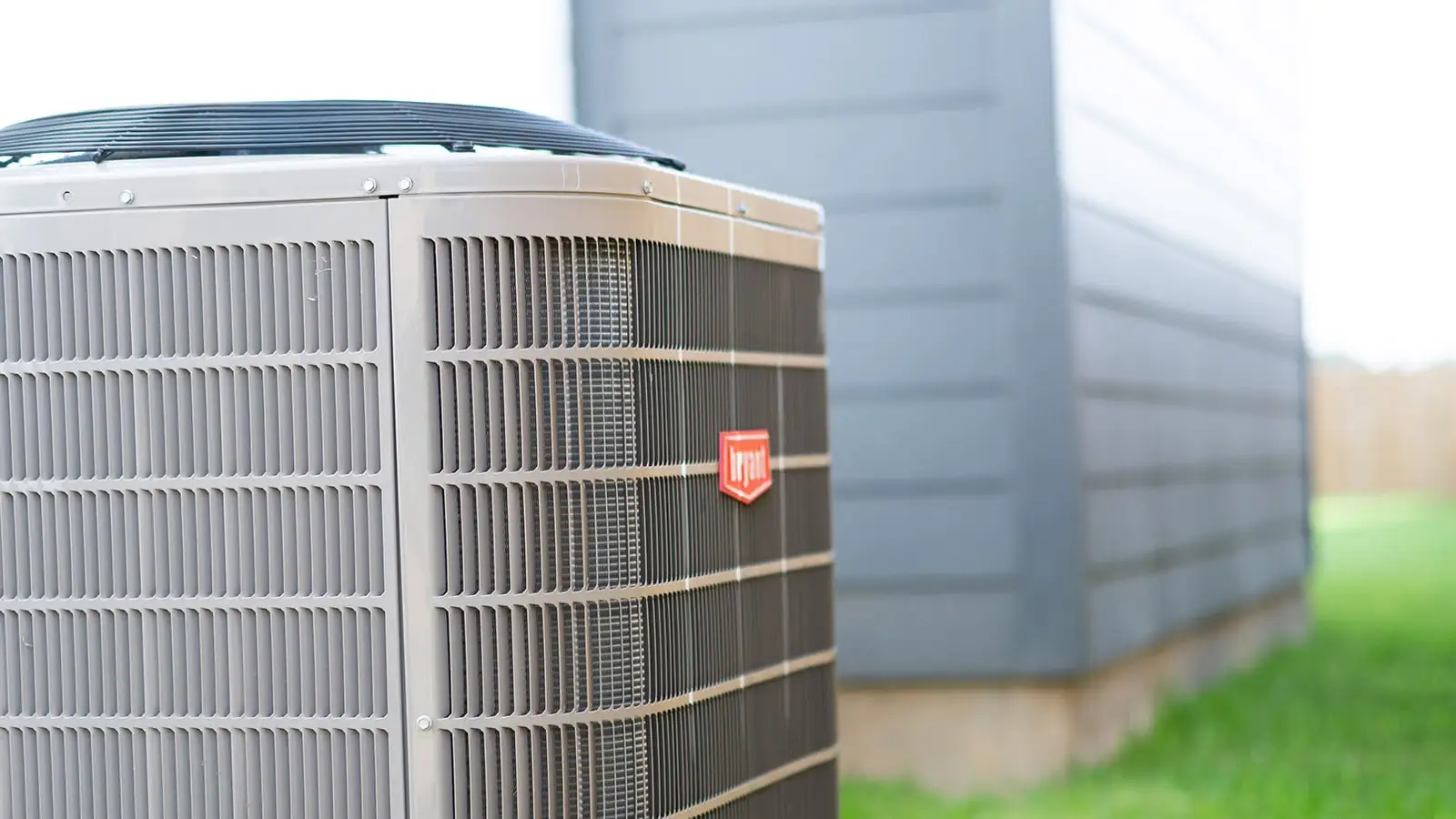
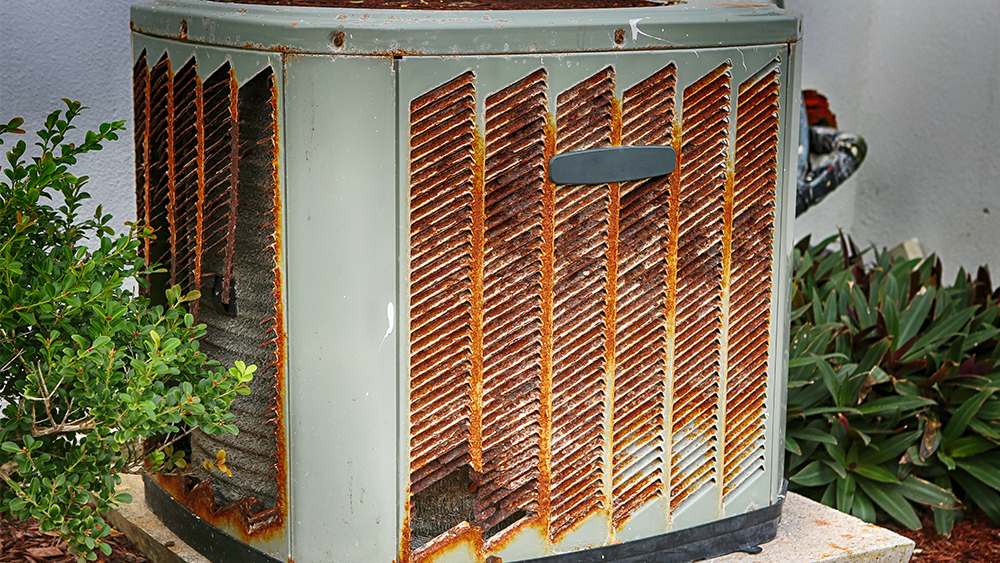
DIY Tip: You can visually inspect your outdoor unit for signs of leaks, such as oil around fittings. However, do not attempt to touch or repair any refrigerant lines. This is a job for a professional.
Energy Consumption: A Significant Contributor
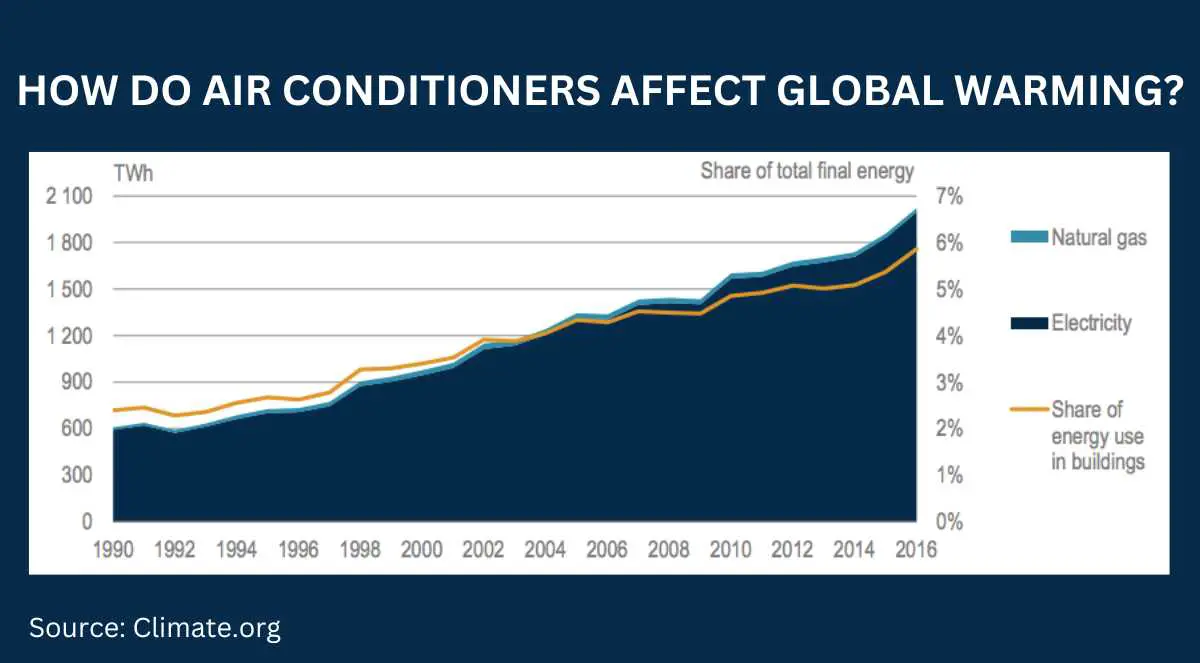
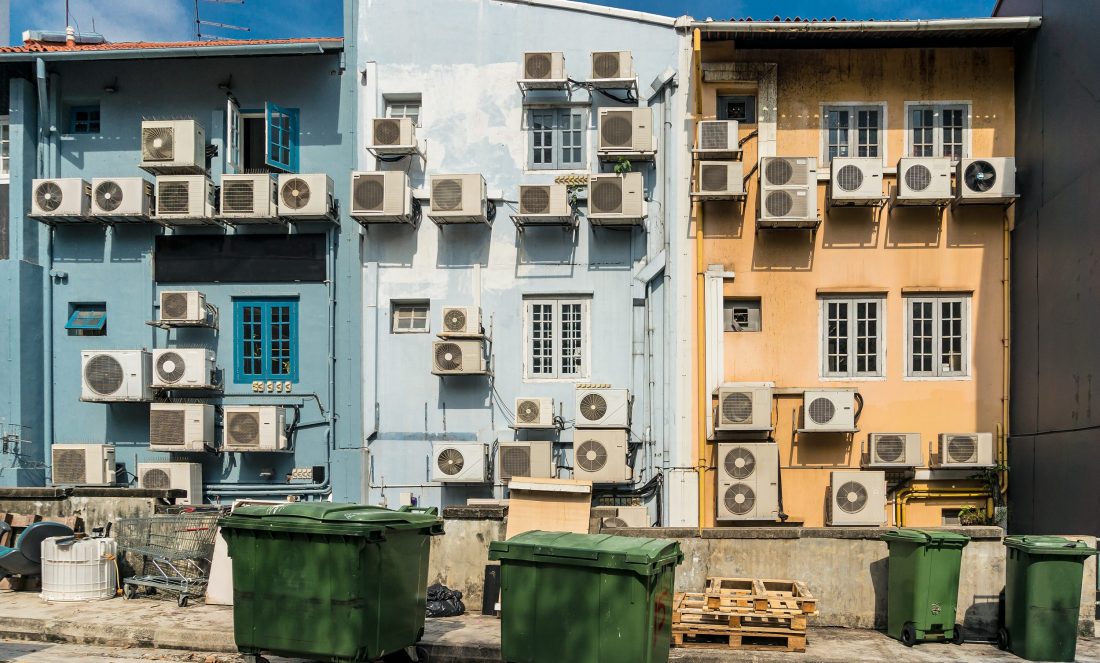
Beyond refrigerants, the sheer amount of energy consumed by air conditioners contributes significantly to environmental problems. Air conditioning accounts for a substantial portion of residential electricity use, particularly during peak summer months. This increased demand often necessitates the burning of fossil fuels at power plants, releasing greenhouse gases like CO2, as well as other pollutants, into the atmosphere.
Factors Affecting Energy Consumption
- AC Unit Age and Efficiency: Older units are generally less efficient than newer models.
- Home Insulation: Poor insulation forces the AC to work harder to maintain a comfortable temperature.
- Thermostat Settings: Lowering the thermostat significantly increases energy consumption.
- Dirty Air Filters: A clogged filter restricts airflow, making the AC work harder and less efficiently.
- Ductwork Leaks: Leaky ducts waste cooled air, forcing the system to overcompensate.
DIY Energy Saving Tips
Here are some practical steps you can take to reduce your AC's energy consumption:
- Change Air Filters Regularly: This is the single most important thing you can do. Aim to change filters every 1-3 months, or more frequently if you have pets or allergies.
- Seal Air Leaks: Caulk around windows and doors, and seal any gaps in your home's insulation.
- Use a Programmable Thermostat: Set the thermostat to a higher temperature when you're away from home.
- Utilize Fans: Ceiling fans and portable fans can help circulate air and reduce the need for AC.
- Shade Windows: Use curtains, blinds, or awnings to block sunlight and reduce heat gain.
- Consider a Smart Thermostat: These thermostats learn your habits and automatically adjust the temperature for optimal energy savings.
Manufacturing and Disposal: Hidden Environmental Costs
The environmental impact of air conditioning extends beyond their operation. The manufacturing process of AC units involves the extraction of raw materials, energy-intensive production, and the transportation of components. All of these steps contribute to greenhouse gas emissions and resource depletion.
Furthermore, the disposal of old AC units presents a challenge. Improper disposal can release refrigerants into the atmosphere and contribute to landfill waste. Recycling AC components is crucial for minimizing environmental impact.
Responsible Disposal Practices
- Hire a Licensed HVAC Technician: They can safely remove and dispose of refrigerants.
- Look for Recycling Programs: Many communities offer appliance recycling programs.
- Donate Usable Units: If your AC is still in good working condition, consider donating it to a charity.
The Future of Air Conditioning: Towards Sustainable Cooling
The HVAC industry is actively working to develop more sustainable cooling solutions. This includes:
- Developing New Refrigerants: Research is underway to find refrigerants with lower GWPs and better energy efficiency. Alternatives like R-32 and HFOs (hydrofluoroolefins) are gaining traction.
- Improving Energy Efficiency: Manufacturers are designing AC units with higher SEER (Seasonal Energy Efficiency Ratio) and EER (Energy Efficiency Ratio) ratings.
- Exploring Alternative Cooling Technologies: Innovative technologies like evaporative cooling, geothermal cooling, and radiant cooling are being explored as sustainable alternatives.
Cost Considerations: Balancing Comfort and Responsibility
Upgrading to a more energy-efficient AC system can be a significant investment, but it can also save you money in the long run through lower energy bills. Here's a general breakdown of potential costs:
- New AC Unit Installation: $3,000 - $7,000+ (depending on size, efficiency, and brand)
- Refrigerant Leak Repair: $200 - $1,500+ (depending on the severity of the leak and the type of refrigerant)
- Ductwork Repair or Replacement: $500 - $3,000+ (depending on the extent of the damage)
- Annual Maintenance: $100 - $300 (for professional tune-ups)
DIY Note: While you can save money on some maintenance tasks like changing air filters and cleaning coils, major repairs should always be handled by a qualified HVAC technician. Attempting complex repairs without the proper training and equipment can be dangerous and costly.
When to Call a Professional HVAC Technician
While some AC maintenance tasks are suitable for DIY, others require the expertise of a professional. Call an HVAC technician if you experience any of the following:
- Refrigerant Leaks: As mentioned earlier, refrigerant handling is strictly regulated and requires specialized equipment.
- Electrical Issues: AC units contain high-voltage components that can be dangerous to work with.
- Compressor Problems: The compressor is the heart of the AC system, and repairs are complex and require specialized tools.
- Unusual Noises or Smells: These can indicate serious problems that need to be diagnosed and repaired by a professional.
- Consistently Poor Cooling Performance: If your AC isn't cooling properly despite your best efforts, it's time to call a pro.
Conclusion: Making Informed Choices for a Cooler Future
Air conditioning offers undeniable comfort, but it's essential to be aware of its environmental impact. By understanding the issues related to refrigerants, energy consumption, and manufacturing, homeowners can make informed choices to minimize their footprint. Simple steps like regular maintenance, energy-efficient upgrades, and responsible disposal can make a significant difference. While some repairs are suitable for DIY, always prioritize safety and call a qualified HVAC technician for complex issues. By embracing sustainable practices, we can enjoy the benefits of air conditioning while protecting the environment for future generations.