Why Are Fabric Softener Sheets Bad

Imagine this: your clothes are fresh out of the dryer, but instead of feeling soft and smelling delightful, they're stiff, strangely coated, and your dryer seems to be taking longer and longer to dry loads. The culprit might be something you've been using for years without a second thought: fabric softener sheets.
The Silent Killer of Your Laundry (and Dryer): Fabric Softener Sheets
While marketed as a laundry essential, fabric softener sheets can actually cause a range of problems for both your clothes and your dryer. Let's explore why and what you can do about it.
Why Are Fabric Softener Sheets Bad?
The problem lies in the waxy residue these sheets leave behind. This residue coats:
- Your clothes: Reducing absorbency and breathability.
- Your dryer's lint screen: Clogging it and restricting airflow.
- The inside of your dryer: Potentially damaging heating elements and sensors.
This buildup can lead to several issues, including:
- Inefficient drying: Clothes take longer to dry, wasting energy and money.
- Stiff, coated clothes: Losing their softness and natural feel.
- Reduced absorbency: Towels and athletic wear become less effective.
- Fire hazard: Lint buildup near the heating element can ignite.
- Dryer malfunction: Overheating can damage components, leading to costly repairs.
Troubleshooting Dryer Drying Issues: A Step-by-Step Guide
If your dryer is taking longer than usual to dry clothes, or if you suspect fabric softener buildup, don't panic! Here's a logical troubleshooting guide to help you diagnose and potentially fix the problem.
Step 1: Safety First!
Before you begin any troubleshooting, always:
- Unplug the dryer: This is crucial to prevent electric shock.
- Allow the dryer to cool down: Especially if it's been recently running.
Step 2: Check the Obvious: Power Supply and Settings
Sometimes, the simplest solutions are the ones we overlook.
- Power Cord: Ensure the dryer is securely plugged into the outlet. Test the outlet with another appliance to confirm it's working.
- Circuit Breaker: Check the circuit breaker or fuse box. Has the breaker tripped or the fuse blown? If so, reset the breaker or replace the fuse. If the breaker trips repeatedly, call a qualified electrician.
- Dryer Settings: Double-check that you've selected the correct drying cycle. Some cycles, like "delicate," use lower heat and take longer.
- Dryer Overload: Avoid overloading the dryer. Overcrowding restricts airflow and prevents clothes from drying properly.
Step 3: Inspect and Clean the Lint Screen
This is the most common cause of dryer drying problems. A clogged lint screen dramatically reduces airflow.
- Location: Typically located inside the dryer door or on the top of the dryer.
- Inspection: Remove the lint screen and examine it closely. Is it coated with a waxy residue? Does it feel slick to the touch? This is a sign of fabric softener buildup.
- Cleaning:
- Remove Lint: Pull off all visible lint after *every* drying cycle.
- Wash the Screen: At least once a month, wash the lint screen with hot water and dish soap. Use a scrub brush to remove any stubborn residue. You can also try soaking it in a solution of hot water and vinegar.
- Thorough Drying: Ensure the lint screen is completely dry before replacing it.
- Test: Run the dryer empty for a few minutes after cleaning the screen to see if airflow has improved.
Step 4: Check the Dryer Vent (A Crucial Step)
The dryer vent is the duct that carries hot, moist air from your dryer to the outside. A clogged vent is a major fire hazard and a common cause of drying problems.
- Location: The vent typically exits through an outside wall.
- Safety First: Disconnect the dryer vent from the dryer before inspecting it.
- Inspection:
- Check for Kinks and Crushes: Ensure the vent is not kinked, crushed, or excessively long. This restricts airflow. Replace damaged sections of the vent.
- Disconnect and Inspect: Carefully disconnect the vent from both the dryer and the wall. Inspect the entire length of the vent for lint buildup.
- Cleaning:
- Vacuum: Use a vacuum cleaner with a hose attachment to remove lint from the vent.
- Dryer Vent Brush: A dryer vent brush (available at most hardware stores) is the most effective way to clean the vent. Insert the brush into the vent and rotate it to loosen lint. Then, vacuum up the loosened lint.
- Outside Vent Cover: Check the outside vent cover and remove any obstructions, such as bird nests or debris.
- Reassembly: Reconnect the dryer vent securely to both the dryer and the wall. Use duct tape to seal any gaps.
Step 5: Inspect the Dryer Drum and Interior
While less common, fabric softener residue can also build up inside the dryer drum.
- Visual Inspection: Look for a waxy coating on the inside of the drum. Run your hand along the drum's surface. Does it feel slick or sticky?
- Cleaning:
- Vinegar Solution: Mix equal parts white vinegar and water in a spray bottle.
- Spray and Wipe: Spray the solution onto the inside of the drum and wipe it down with a clean cloth.
- Repeat: Repeat the process until the drum feels clean and smooth.
- Dry Thoroughly: Run the dryer on a low heat setting for a few minutes to dry the drum completely.
When to Call a Professional
The steps above cover basic troubleshooting and cleaning. However, some dryer repairs are best left to qualified technicians. Call a professional if you encounter any of the following situations:
- Electrical Issues: If you suspect a problem with the dryer's wiring, heating element, or motor. Working with electricity can be dangerous.
- Gas Dryer Problems: If you have a gas dryer and suspect a gas leak or a problem with the gas valve. Gas leaks are extremely dangerous. Contact your gas company immediately.
- Complex Part Replacement: Replacing parts like the motor, heating element, or timer requires specialized knowledge and tools.
- Persistent Problems: If you've tried all the troubleshooting steps and your dryer still isn't drying properly.
Preventing Future Problems: Alternatives to Fabric Softener Sheets
Now that you understand the potential problems caused by fabric softener sheets, let's explore some safer and more effective alternatives.
- Dryer Balls: Wool dryer balls are a natural and reusable alternative. They help to separate clothes, reduce drying time, and soften fabrics.
- Vinegar Rinse: Add 1/2 cup of white vinegar to the rinse cycle of your washing machine. Vinegar helps to soften clothes and remove detergent residue. Don't worry, the vinegar smell will dissipate during drying.
- Baking Soda: Add 1/2 cup of baking soda to the wash cycle. Baking soda helps to soften water and reduce static cling.
- Line Drying: Whenever possible, line dry your clothes. This is the most environmentally friendly and gentle way to dry clothes.
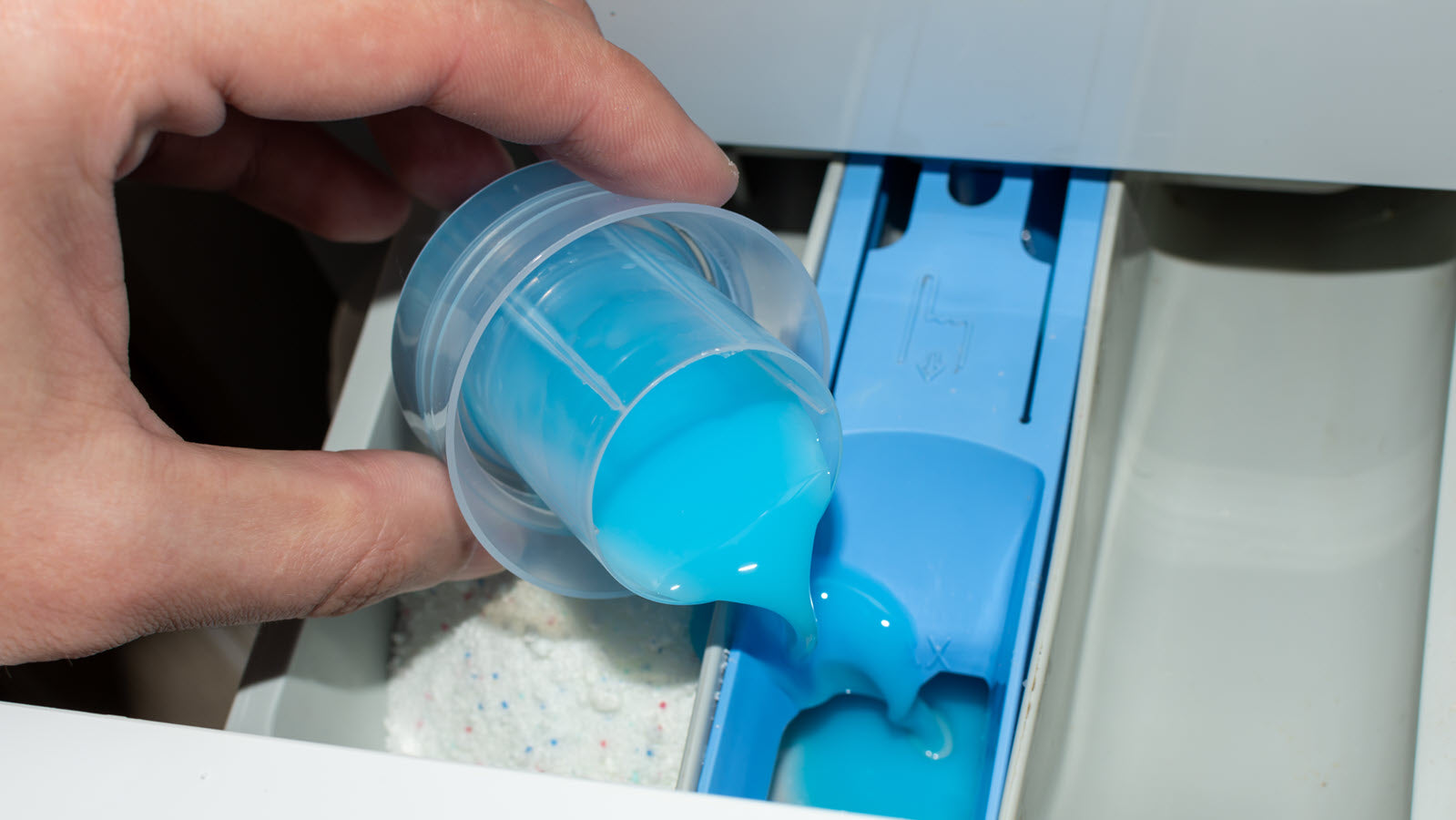
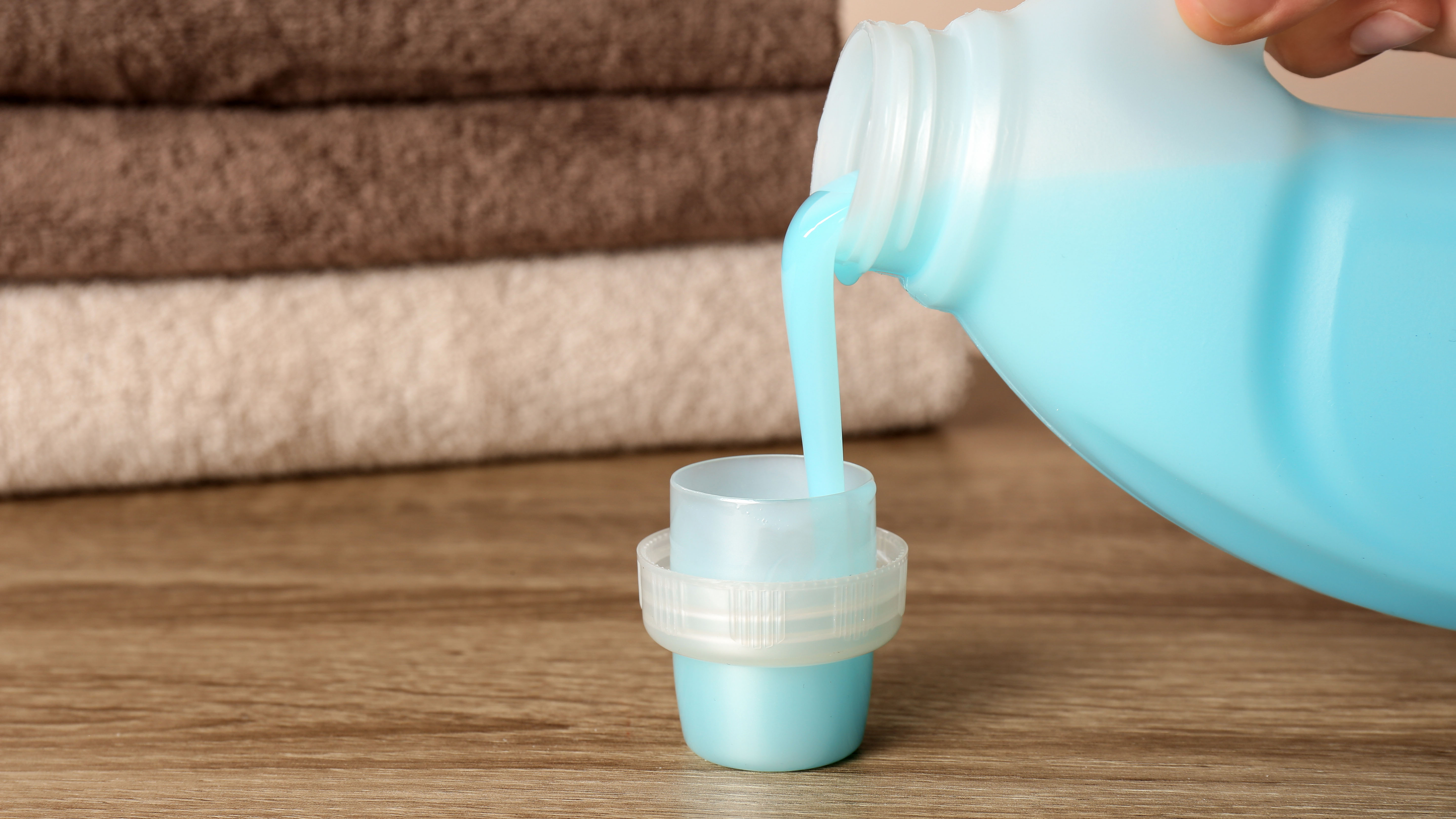
- Commercial Liquid Fabric Softener (Use Sparingly): If you prefer to use a commercial fabric softener, use it sparingly and follow the manufacturer's instructions carefully. Consider diluting it with water to minimize buildup. Also, ensure the dispenser is cleaned regularly to prevent clogging.
Conclusion: A Healthier Dryer and Softer Clothes
By understanding the potential problems associated with fabric softener sheets and taking proactive steps to clean and maintain your dryer, you can ensure its longevity and efficiency. By switching to safer alternatives, you can also enjoy softer, more absorbent clothes without the harmful residue. A little effort goes a long way in preventing costly repairs and keeping your laundry routine eco-friendly.
Remember to always prioritize safety and consult a qualified technician when dealing with electrical or gas-related issues. With a little knowledge and effort, you can keep your dryer running smoothly and enjoy fresh, clean clothes for years to come.
:max_bytes(150000):strip_icc()/remove-softener-and-dryer-sheet-stains-2146656-finalv3-ct-2e30c59ae6b44052bc5edb4de28c6ddd.png)