Why Are My Ac Coils Frozen
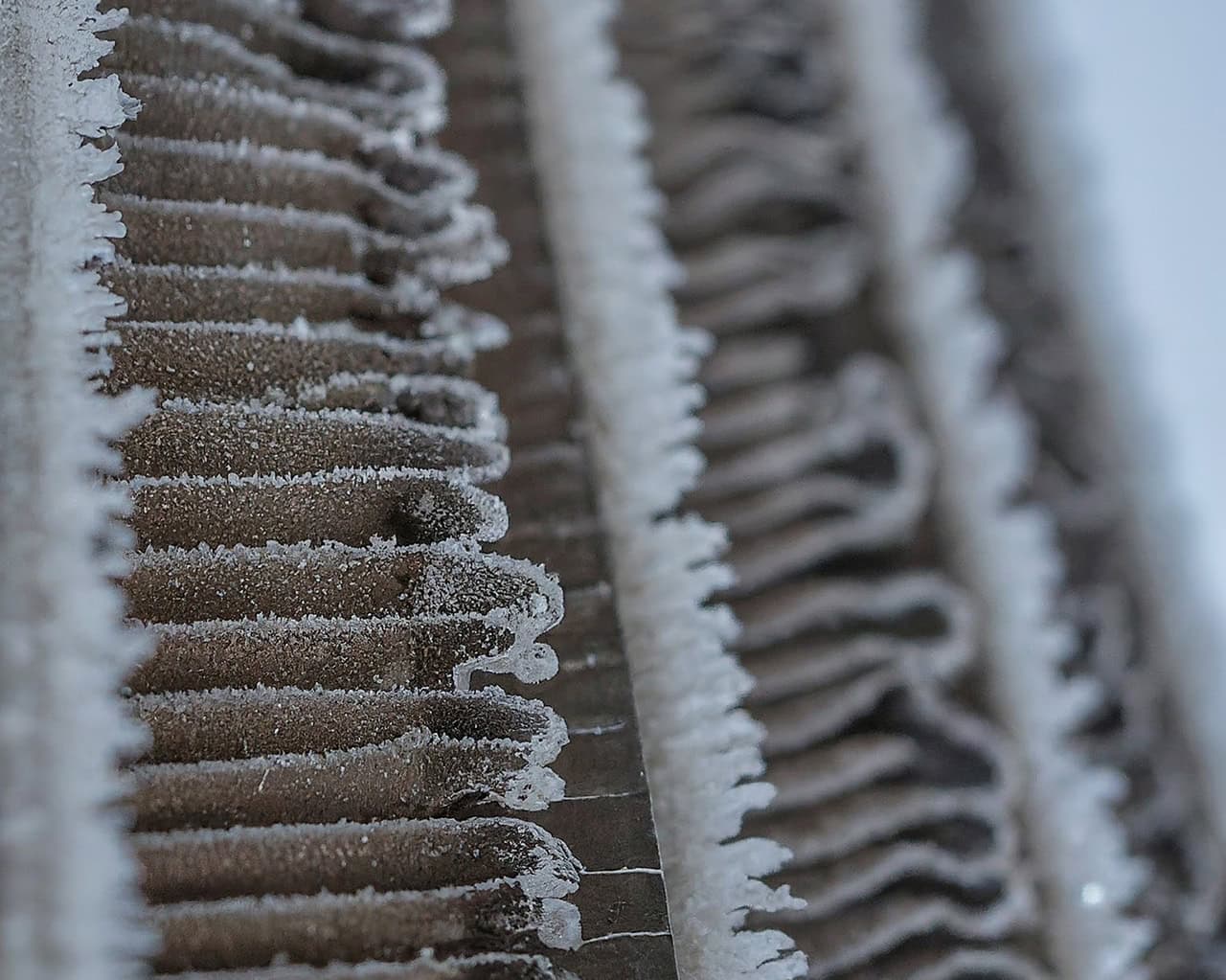
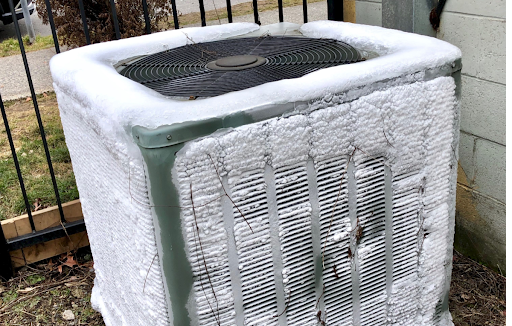
Finding ice on your air conditioner coils can be alarming. It's a sign that something is wrong, and ignoring it can lead to further damage and costly repairs. This guide will explain why your AC coils freeze, what causes it, and how to address the issue. Our goal is to provide you with the knowledge to understand the problem and make informed decisions about its solution.
Understanding the Basics: AC Coils and How They Work
Your air conditioner has two sets of coils: the evaporator coil and the condenser coil. The evaporator coil is located inside your indoor unit, and its job is to absorb heat from the air blowing across it. The condenser coil is located outside, and it releases that heat into the outside air. Both sets of coils rely on refrigerant to move the heat. Think of refrigerant as the "blood" of your AC system, carrying heat from inside to outside.
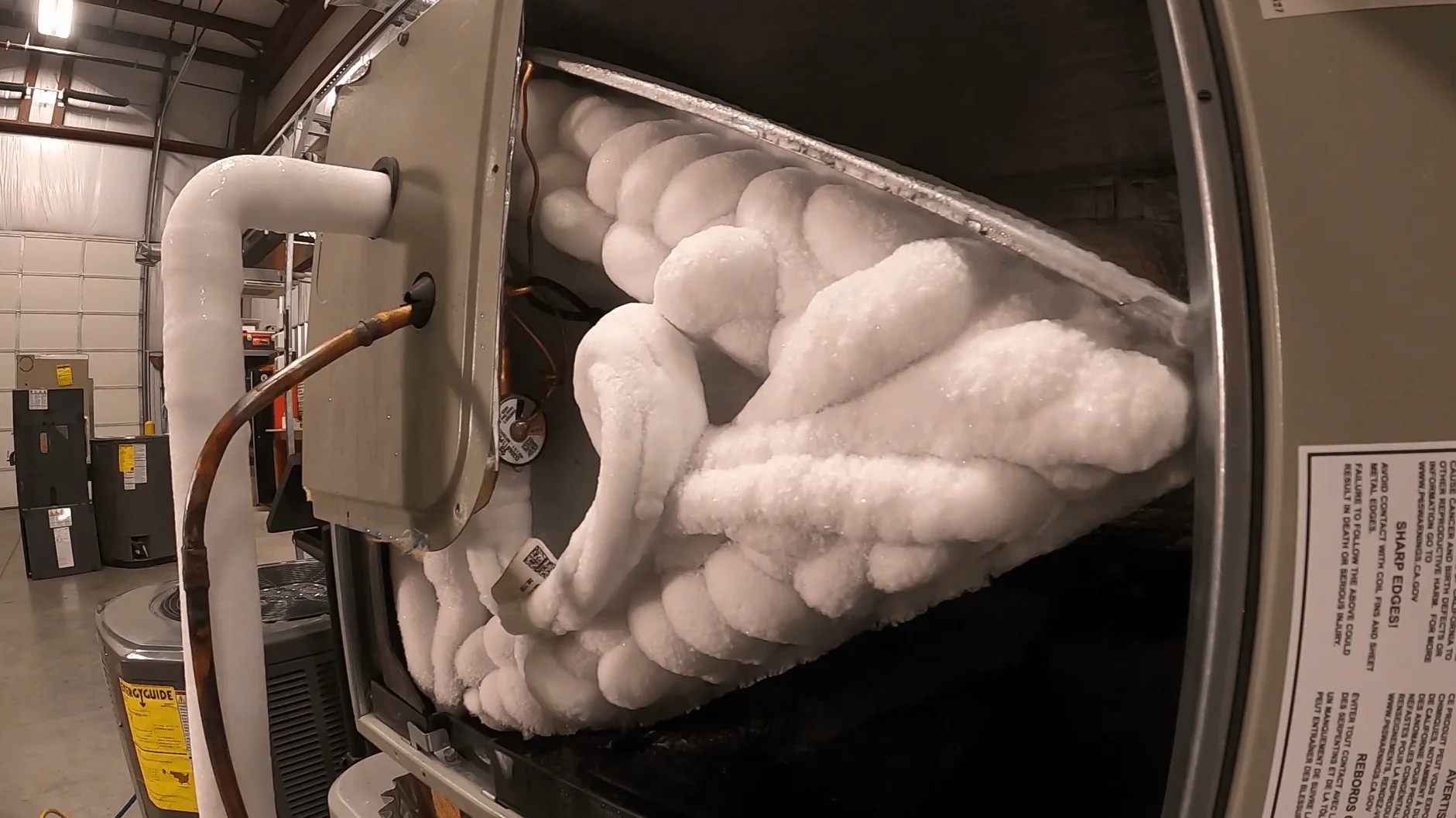
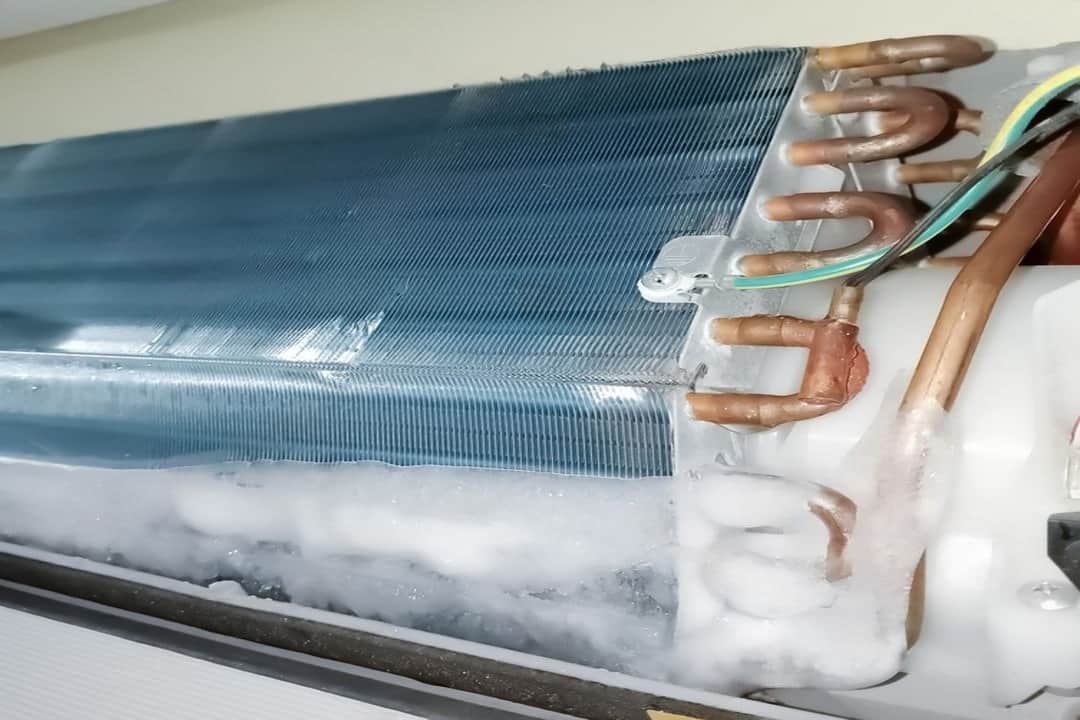
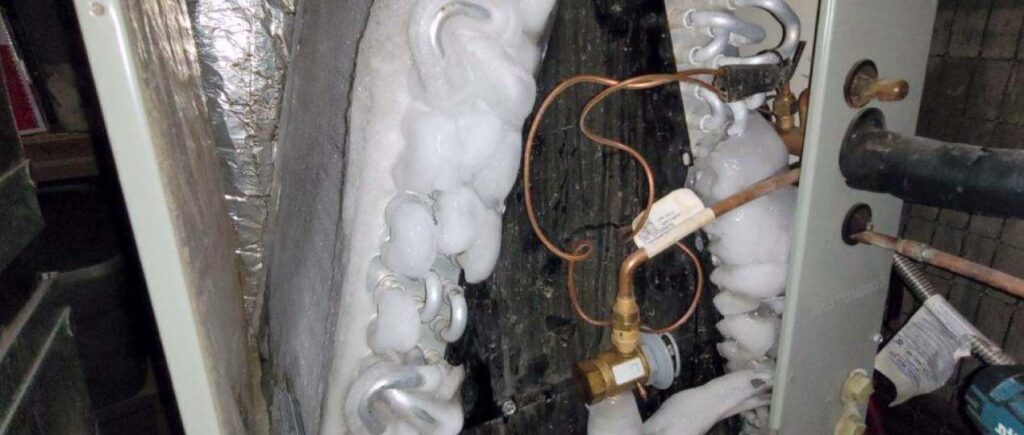
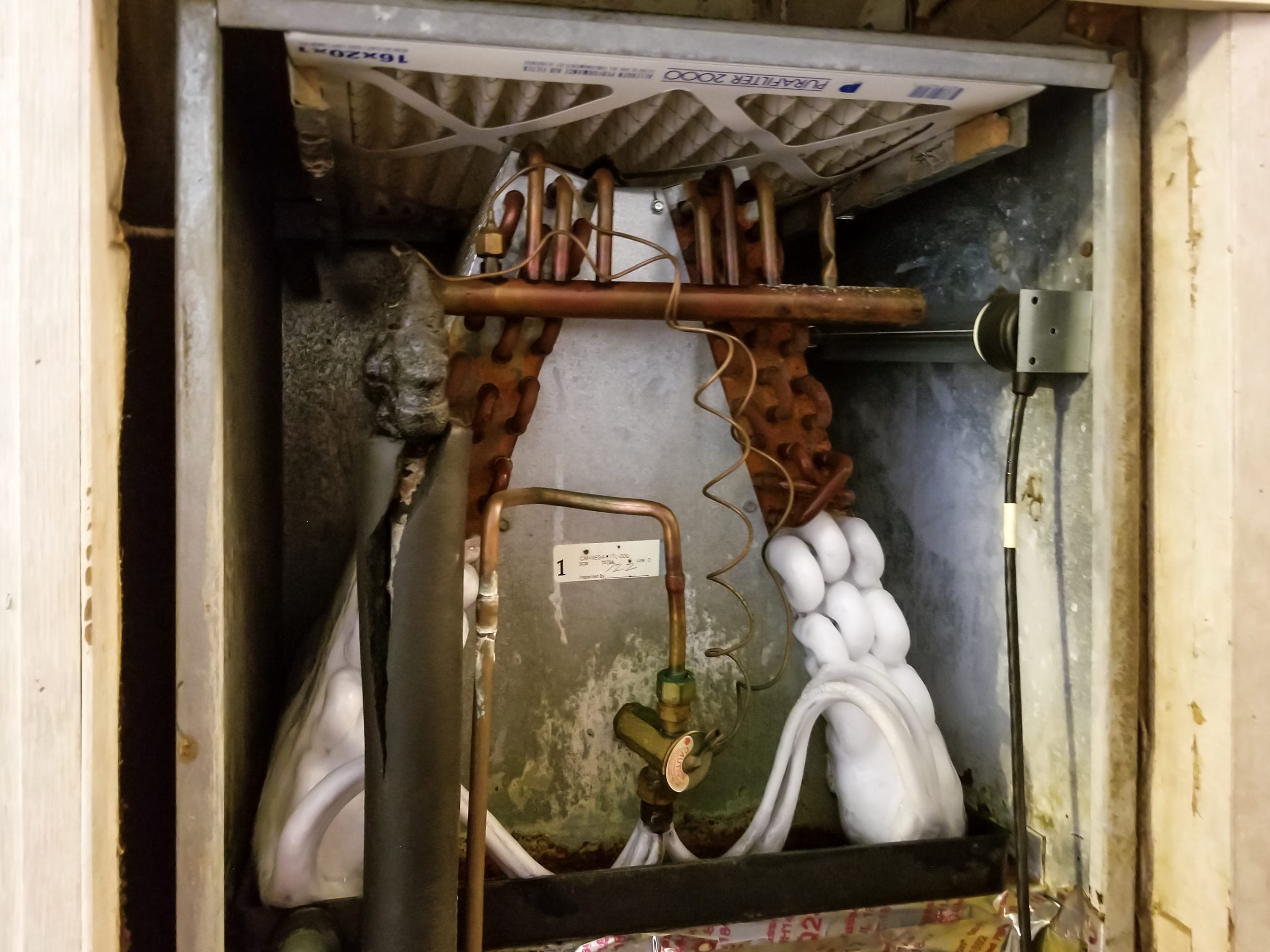
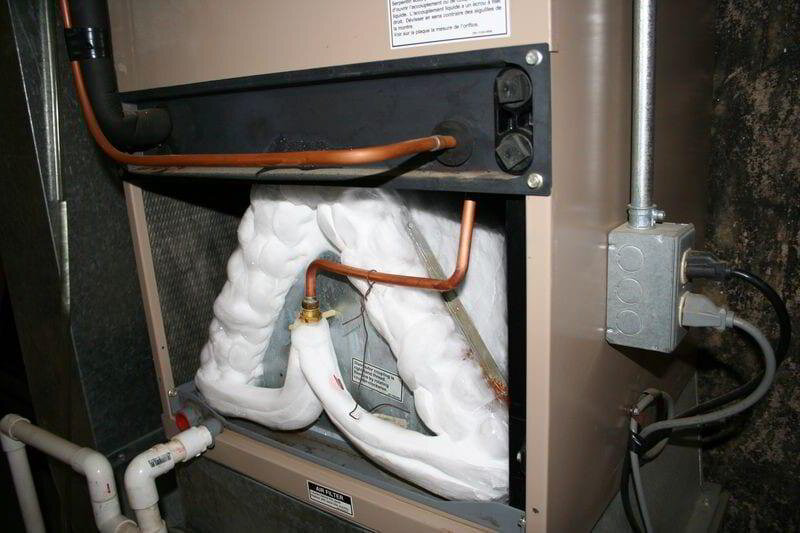
The evaporator coil operates at a very cold temperature. When warm air from your home passes over it, the refrigerant inside absorbs the heat, cooling the air before it is circulated back into your rooms. The moisture in the air naturally condenses on the cold coils, similar to how condensation forms on a cold glass of water. Normally, this condensation drips off the coils and is drained away. However, when the coils become too cold or airflow is restricted, this condensation can freeze, leading to the formation of ice.
The Primary Culprits: Why AC Coils Freeze
Several factors can cause your AC coils to freeze. Here are the most common culprits:
1. Low Refrigerant Levels
This is one of the most frequent causes of frozen AC coils. Low refrigerant means there isn't enough refrigerant to absorb heat effectively. The pressure inside the system drops, making the evaporator coil extremely cold. When this happens, the moisture in the air passing over the coil freezes more easily. A refrigerant leak is usually the cause of low refrigerant. You'll need a qualified HVAC technician to locate and repair the leak and then recharge the system with the correct amount of refrigerant. Do not attempt to handle refrigerant yourself; it requires specialized equipment and knowledge, and mishandling it can be dangerous and illegal.
2. Restricted Airflow
Proper airflow is crucial for your AC to function correctly. Restricted airflow prevents the evaporator coil from warming up sufficiently. The coil becomes too cold, causing moisture to freeze. Common causes of restricted airflow include:
- Dirty Air Filter: A clogged air filter is the most common culprit. It restricts the amount of air passing through the system, reducing the coil's ability to warm up. Change your air filter regularly (typically every 1-3 months) to prevent this.
- Blocked Return Vents: Furniture, rugs, or other obstructions blocking your return vents can significantly reduce airflow. Make sure your return vents are clear and unobstructed.
- Closed or Partially Closed Supply Vents: Closing too many supply vents can increase the pressure in the ductwork, reducing airflow across the evaporator coil. While closing vents in unoccupied rooms may seem like a good idea, it can negatively impact the overall system performance.
- Dirty Evaporator Coil: Over time, dust and debris can accumulate on the evaporator coil, insulating it and reducing its ability to absorb heat. This can also lead to frozen coils. A professional cleaning is usually required to resolve this issue.
- Damaged or Disconnected Ductwork: Leaky or disconnected ductwork can reduce airflow to the coil and decrease the system's efficiency.
3. Mechanical Problems
Several mechanical issues can contribute to frozen AC coils:
- Faulty Blower Motor: The blower motor is responsible for circulating air across the evaporator coil. If the blower motor is failing or running at a reduced speed, it can lead to insufficient airflow and frozen coils.
- Bent Coil Fins: The fins on the evaporator coil help to maximize the surface area for heat transfer. If these fins are bent or damaged, they can restrict airflow and reduce the coil's efficiency. A fin comb can often be used to straighten bent fins.
- Thermostat Issues: A malfunctioning thermostat can cause the AC to run continuously, even when the desired temperature has been reached. This constant operation can overcool the evaporator coil and lead to freezing.
4. Low Outdoor Temperature
Running your air conditioner when the outdoor temperature is too low (typically below 60°F or the manufacturer's recommended minimum operating temperature) can also cause the coils to freeze. Air conditioners are designed to operate within a specific temperature range. When the outdoor temperature is too low, the refrigerant pressure drops, and the evaporator coil can become too cold, leading to freezing. Avoid running your AC on very cold days.
Diagnosing the Problem: What to Look For
Before calling a professional, you can do some basic troubleshooting to help identify the cause of the frozen coils:
- Inspect the Air Filter: This is the easiest and most common problem. Remove the air filter and check for dirt and debris. If it's dirty, replace it with a new one.
- Check for Blocked Vents: Ensure that all supply and return vents are clear and unobstructed.
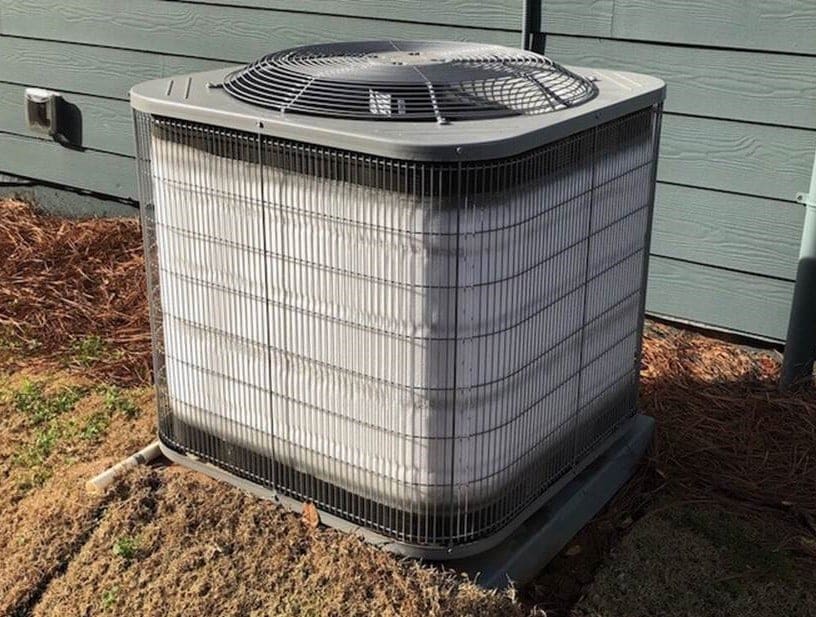
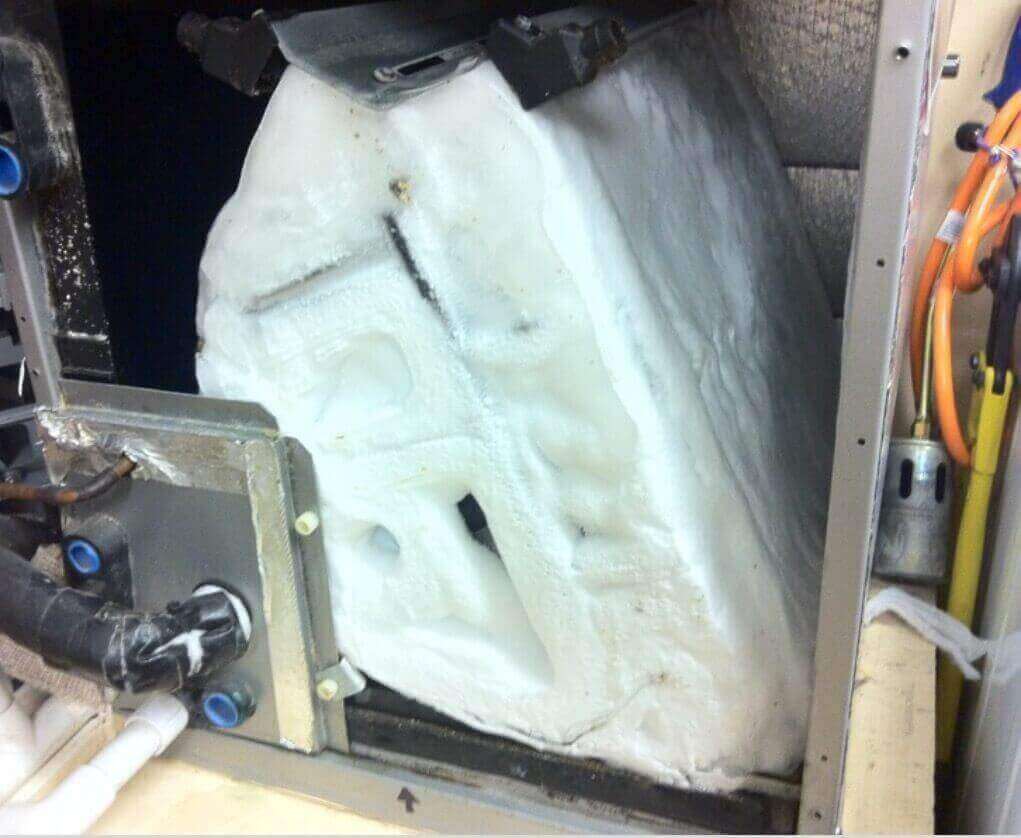
- Look for Ice on the Coils: If you can safely access the indoor unit (usually inside your furnace or air handler), visually inspect the evaporator coil for ice buildup. Do not attempt to remove the ice yourself, as you could damage the coil.
- Listen for Unusual Noises: Pay attention to any unusual noises coming from the AC unit, such as grinding, squealing, or rattling. These noises could indicate a mechanical problem.
- Assess Airflow from Vents: Check the airflow coming from your supply vents. Is it weak or non-existent? This could point to an airflow problem.
Addressing Frozen AC Coils: What to Do Next
Once you've identified that your AC coils are frozen, here's what you should do:
- Turn Off the AC: Immediately turn off your air conditioner to prevent further damage. Running the AC with frozen coils can strain the system and potentially damage the compressor, which is a very expensive repair.
- Melt the Ice: Allow the ice to melt naturally. You can speed up the process by turning on the fan-only mode on your thermostat. This will circulate warm air across the coils and help to melt the ice. Do not use a hair dryer or other heat source to melt the ice, as this could damage the coil.
- Address the Underlying Cause: Once the ice has melted, try to identify and address the underlying cause of the freezing. If it was a dirty air filter, replace it. If it was blocked vents, clear them.
- Monitor the System: After addressing the potential cause, turn the AC back on and monitor its performance. If the coils freeze again, it's a sign that the problem is more serious and requires professional attention.
- Call a Qualified HVAC Technician: If you suspect a refrigerant leak, have a faulty blower motor, or are unable to identify the cause of the frozen coils, it's best to call a qualified HVAC technician. They have the expertise and equipment to diagnose and repair the problem correctly.
Preventing Frozen AC Coils: Proactive Measures
Preventing frozen AC coils is always better than dealing with the aftermath. Here are some proactive measures you can take:
- Regularly Change Your Air Filter: As mentioned earlier, changing your air filter regularly is crucial for maintaining proper airflow. A clean air filter can significantly improve your AC's performance and prevent frozen coils.
- Schedule Regular AC Maintenance: Annual maintenance by a qualified HVAC technician can help identify and address potential problems before they lead to frozen coils. A technician can check refrigerant levels, clean the coils, inspect the blower motor, and ensure that all components are functioning correctly.
- Keep Vents Clear: Ensure that all supply and return vents are clear and unobstructed.
- Avoid Running AC in Low Temperatures: Avoid running your air conditioner when the outdoor temperature is below the manufacturer's recommended minimum operating temperature.
- Consider a Smart Thermostat: A smart thermostat can help you monitor your AC's performance and identify potential problems early on. Some smart thermostats even have features that can alert you to airflow issues or other problems.
The Importance of Professional Help
While some causes of frozen AC coils, such as a dirty air filter, are easy to fix yourself, other issues, like refrigerant leaks or faulty blower motors, require professional attention. Attempting to repair these issues yourself can be dangerous and may void your warranty. A qualified HVAC technician has the training, experience, and equipment to diagnose and repair the problem correctly and safely. They can also ensure that your AC system is running efficiently and effectively, saving you money on your energy bills in the long run.
Don't hesitate to contact a professional if you're unsure about the cause of the frozen coils or if you're uncomfortable performing the repairs yourself. Addressing the problem promptly and correctly can prevent further damage and ensure that your AC system continues to keep you cool and comfortable for years to come.