Why Do Ac Pipes Freeze
.jpg)
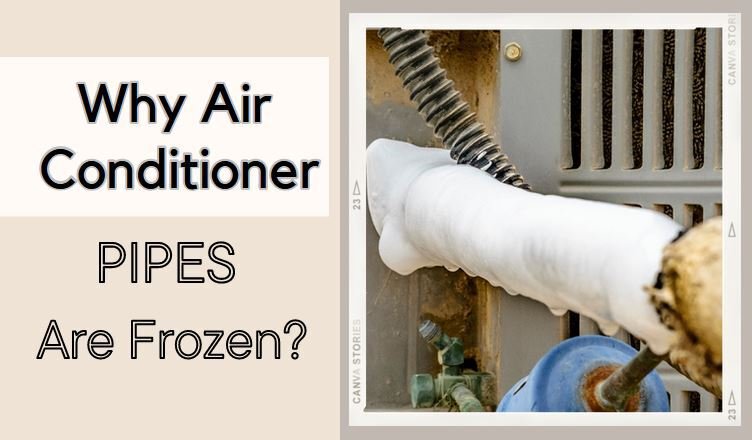
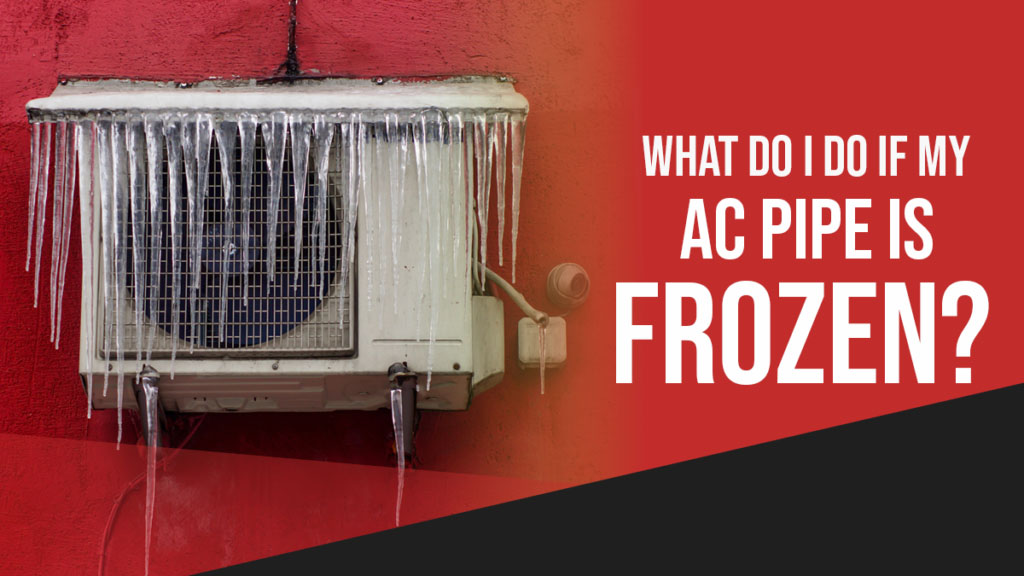
One of the most frustrating household appliance failures is when your air conditioner's pipes freeze. It can happen unexpectedly, especially during periods of high humidity or extreme heat, and leaves you with a system that's not cooling properly. Before calling in a costly professional, let's walk through some troubleshooting steps you can safely take at home.
Understanding Why AC Pipes Freeze
Frozen AC pipes are rarely a simple case of "it's too cold." In most instances, ice forms because the refrigerant inside the system gets too cold, causing moisture in the surrounding air to freeze on the pipes. This usually happens because of restricted airflow or low refrigerant levels, disrupting the cooling cycle.
Step-by-Step Troubleshooting Guide
Before you start, remember to always turn off the power to your AC unit at the breaker box. Safety first! Let's begin:
Step 1: Visual Inspection
Start with a thorough visual inspection of your AC unit, both the indoor and outdoor components:
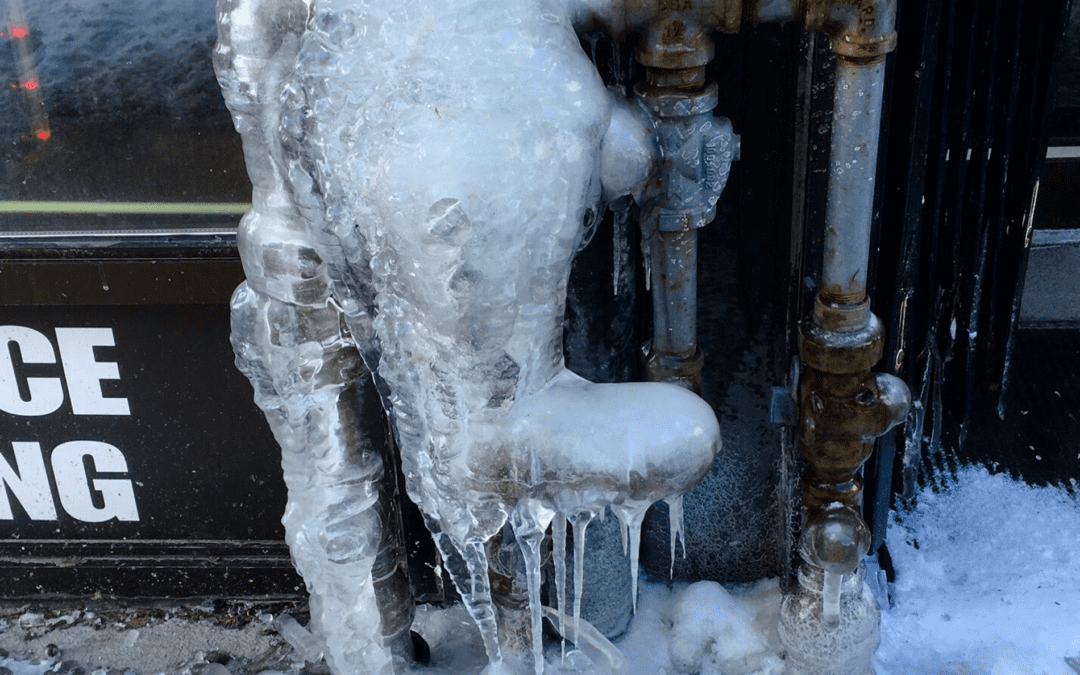
- Indoor Unit (Evaporator Coil): Look for ice buildup on the copper pipes connected to the indoor unit. Is the ice localized or covering the entire coil?
- Outdoor Unit (Condenser): Check the outdoor unit for ice. Also, inspect the fan blades to ensure they are free from obstructions.
- Air Filters: This is a crucial step. A dirty air filter is the most common cause of frozen AC pipes. Remove the filter and hold it up to the light. If you can barely see through it, it's definitely time for a change.
- Ductwork: Visually inspect any accessible ductwork for obvious damage, such as tears or disconnections.
Step 2: Check the Air Filter
As mentioned, a dirty air filter restricts airflow, causing the evaporator coil to get too cold. Here's how to address this:
- Remove the Air Filter: Locate the air filter compartment (usually in the return air vent or inside the indoor unit itself).
- Inspect the Filter: As mentioned, a dirty filter will be visibly clogged with dust and debris.
- Replace the Filter: Install a new, clean air filter. Make sure you install it with the arrow pointing in the direction of airflow (usually indicated on the filter frame).
- Filter Type: Use the correct type of filter recommended for your system. Using a filter with too high of a MERV rating (Minimum Efficiency Reporting Value) can restrict airflow just as much as a dirty filter.
Step 3: Thawing the Ice
Before you can troubleshoot further, you need to thaw the ice. Do not use a heat gun or open flame to melt the ice. This could damage the components. Here are safe ways to thaw the ice:
- Turn Off the AC: Leave the AC unit turned off at the breaker box.
- Turn on the Fan: Set the thermostat to "Fan Only." This will circulate room temperature air over the frozen coil, helping it to thaw.
- Allow Time: Thawing can take anywhere from 1 to 24 hours, depending on the severity of the ice buildup. Patience is key!
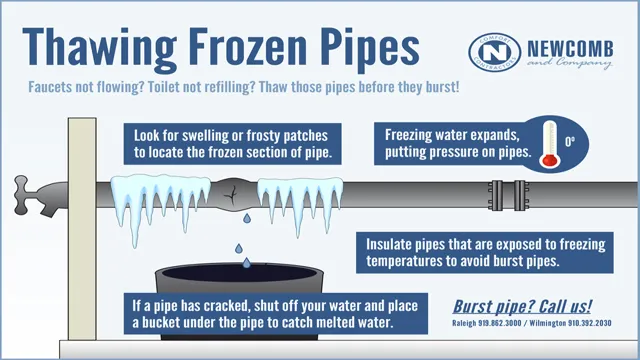
- Monitor the Thawing: Periodically check the pipes to see if the ice is melting. Place towels underneath the indoor unit to catch any water runoff.
Step 4: Checking for Airflow Obstructions
Once the ice is completely thawed, it's time to investigate other potential airflow obstructions:
- Blocked Vents: Ensure that all supply and return air vents are open and unobstructed by furniture, rugs, or curtains.
- Clogged Return Vents: Check the return air vents for any blockage. Sometimes, debris can accumulate in the ductwork leading to the return vent.
- Collapsed Ductwork: Inspect flexible ductwork (if accessible) for kinks or collapses that might be restricting airflow.
Step 5: Thermostat Settings
Sometimes, improper thermostat settings can contribute to frozen AC pipes:
- Temperature Setting: Avoid setting the thermostat too low (e.g., below 68°F or 20°C). Running the AC at extremely low temperatures can overwork the system and cause the coil to freeze.
- "Auto" vs. "On" Fan Setting: If your thermostat has a fan setting, ensure it's set to "Auto." This allows the fan to cycle on and off with the cooling cycle. Leaving the fan set to "On" can sometimes lead to frozen coils in certain systems.
Step 6: Condensate Drain Line
A clogged condensate drain line can cause water to back up into the system, potentially contributing to ice formation. Here's how to check and clear it:
- Locate the Drain Line: The condensate drain line is usually a PVC pipe located near the indoor unit. It typically drains outside or into a floor drain.
- Check for Clogs: Look for any visible obstructions at the end of the drain line.
- Clear the Drain Line: You can try to clear the drain line using a wet/dry vacuum. Attach the vacuum hose to the end of the drain line and suck out any blockage. You can also use a stiff wire or a plumbing snake to break up clogs. Be gentle to avoid damaging the pipe.
- Pour Vinegar: After clearing the clog, pour a cup of white vinegar down the drain line to help prevent future buildup.
Step 7: Checking the Outdoor Unit (With Caution)
This step involves checking the outdoor unit. Remember to disconnect the power at the breaker before proceeding. Only perform the following checks if you are comfortable doing so and if they don't require disassembling any sealed components.
- Clean the Condenser Fins: Over time, the condenser fins (the metal fins surrounding the outdoor unit) can become clogged with dirt, leaves, and debris, restricting airflow. Use a garden hose with a gentle spray nozzle to clean the fins from the inside out. Avoid using a high-pressure washer, as it can damage the fins.
- Inspect the Fan Motor: Visually inspect the fan motor for any signs of damage or wear. Ensure that the fan blades are spinning freely. If the fan motor is not running or is making unusual noises, it likely needs to be replaced (a job best left to a professional).
When to Call a Professional
While many of the above steps are safe for homeowners to perform, there are certain situations where it's essential to call a qualified HVAC technician:
- Low Refrigerant: If you suspect low refrigerant, do not attempt to add refrigerant yourself. Refrigerant handling requires specialized equipment and training. A leak needs to be located and repaired before adding refrigerant.
- Electrical Issues: If you encounter any electrical problems, such as a faulty capacitor, wiring issues, or a malfunctioning fan motor, do not attempt to repair it yourself. Electricity can be dangerous.
- Compressor Problems: The compressor is the heart of the AC system. If you suspect a compressor issue (e.g., unusual noises, not starting), it's best to call a professional. Compressor repairs are complex and expensive.
- Complex Component Failure: If you suspect a failure of any major components, such as the expansion valve or reversing valve, it's best to call a professional. These repairs require specialized tools and knowledge.
- Recurring Freezing: If your AC pipes continue to freeze despite your troubleshooting efforts, there's likely an underlying issue that requires professional diagnosis and repair.
- Gas Leaks: If your system uses gas for heating, never attempt to repair gas leaks. Call a licensed gas technician immediately.
Preventive Maintenance Tips
To help prevent frozen AC pipes and other problems, consider these preventive maintenance tips:
- Regularly Change Air Filters: This is the most important thing you can do. Change your air filter every 1-3 months, depending on usage and air quality.
- Schedule Annual Maintenance: Have your AC system professionally inspected and tuned up annually. A technician can identify and address potential problems before they lead to costly repairs.
- Keep the Outdoor Unit Clean: Clear away any vegetation or debris that is obstructing airflow around the outdoor unit.
- Monitor System Performance: Pay attention to how your AC system is performing. If you notice any changes in cooling performance, unusual noises, or excessive ice buildup, investigate promptly.
Final Thoughts
Troubleshooting frozen AC pipes can seem daunting, but by following these steps, you can often identify and resolve the problem yourself. Remember to prioritize safety and know when to call a professional. With a little knowledge and effort, you can keep your AC system running smoothly and efficiently, ensuring a comfortable home environment.
Disclaimer: This guide is for informational purposes only and should not be considered a substitute for professional advice. If you are not comfortable performing any of these steps, or if you suspect a serious problem, please consult a qualified HVAC technician.