Why Do Air Conditioner Vents Sweat
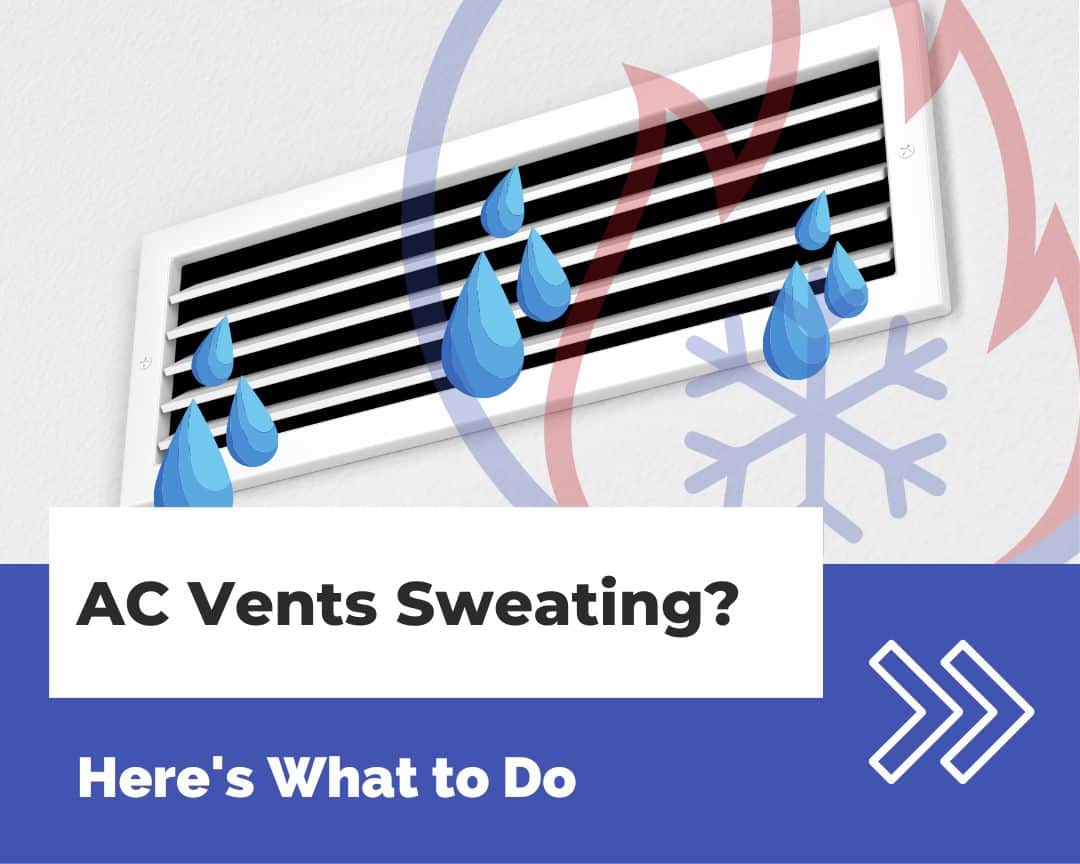
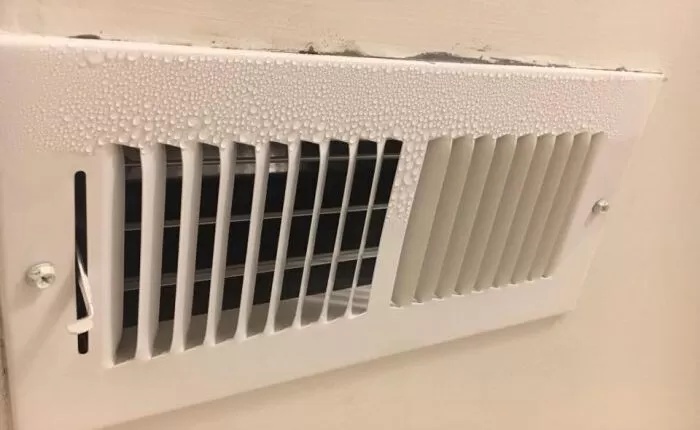
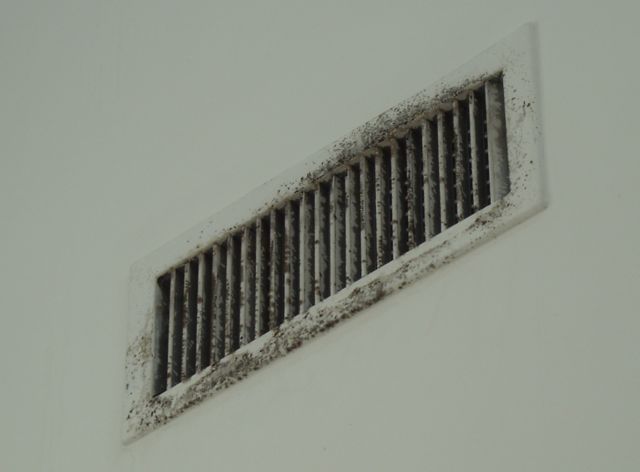
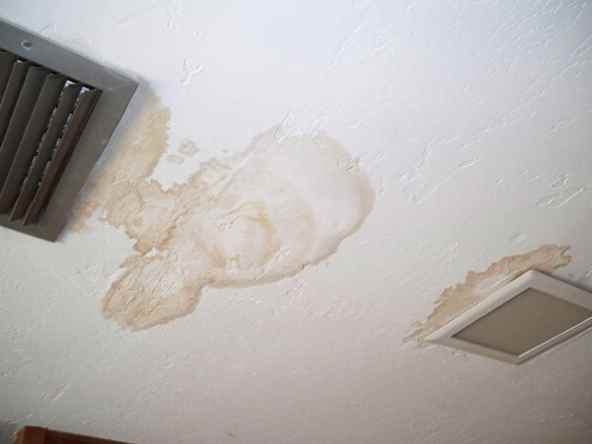
Are you noticing condensation, or "sweating," on your air conditioner vents? It's a common issue, but ignoring it can lead to bigger problems like mold growth, damaged ceilings and walls, and, most importantly, higher energy bills. This article delves into the reasons behind sweating AC vents, how to fix them, and how proactive measures can lead to a more energy-efficient and cost-effective cooling system.
Understanding the Science Behind Sweating Vents: Dew Point and Condensation
The primary culprit behind sweating AC vents is condensation. Condensation occurs when warm, humid air comes into contact with a cold surface – in this case, the exterior of your AC vents. The air's ability to hold moisture is directly related to its temperature; warmer air can hold more moisture than cooler air. The dew point is the temperature at which air becomes saturated and condensation begins to form. When the temperature of your AC vents drops below the dew point of the surrounding air, water vapor in the air turns into liquid water on the vent's surface.
Think of it like a cold glass of iced tea on a hot summer day. The glass "sweats" because the cold surface cools the air around it, causing the water vapor in the air to condense. The same principle applies to your AC vents.
Common Causes of Sweating AC Vents
Several factors can contribute to your AC vents sweating. Identifying the root cause is crucial for effective remediation. Here are some of the most common culprits:
1. High Humidity Levels
Areas with high humidity, especially coastal regions or during rainy seasons, naturally have more moisture in the air. This increases the dew point and makes condensation more likely. Indoor activities like showering, cooking, and even having houseplants can also contribute to higher humidity levels inside your home.
Impact on Energy Bills: When your air conditioner has to work harder to remove excess moisture from the air, it consumes more energy. According to the Environmental Protection Agency (EPA), reducing humidity can significantly improve your AC's efficiency, potentially saving you up to 15% on cooling costs.
2. Poor Insulation of Ductwork
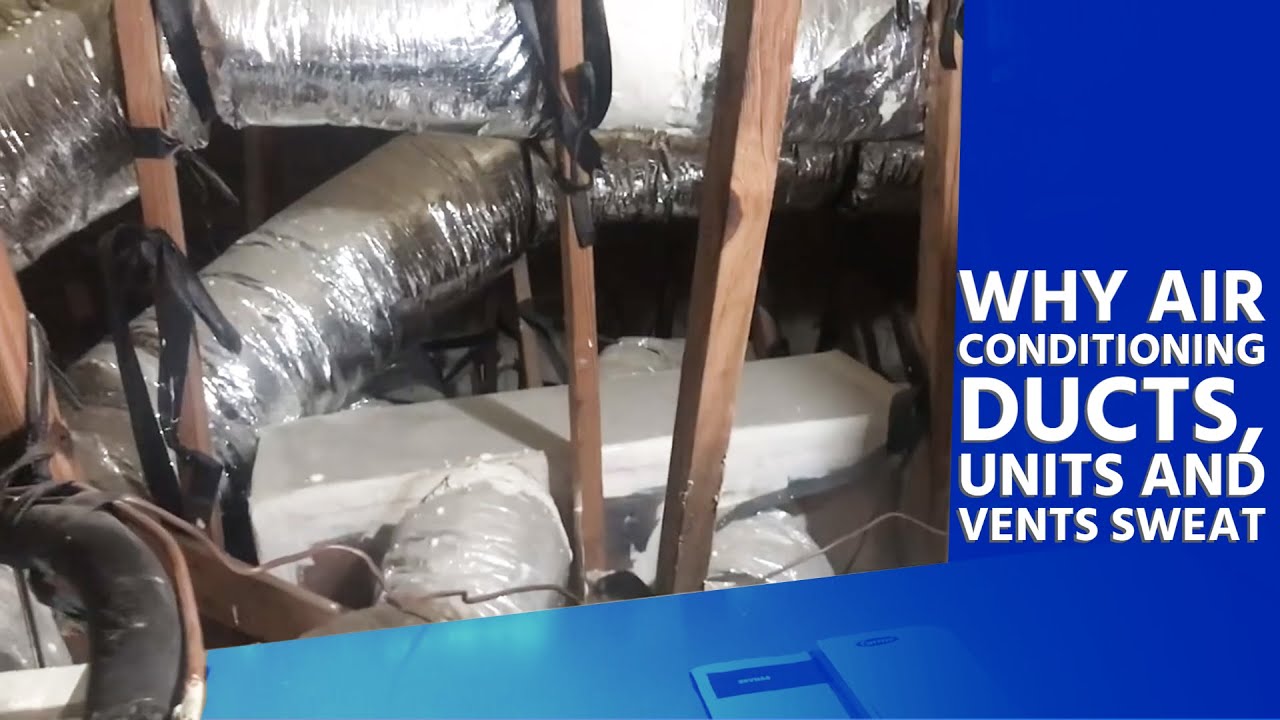
Ductwork, especially in attics or crawl spaces, is often poorly insulated. This allows the cold air inside the ducts to cool the surrounding duct surface, making it more susceptible to condensation when it comes into contact with warm, humid air. Leaky ductwork further exacerbates the problem by allowing warm, humid air to infiltrate the system, leading to increased sweating and energy loss.
ROI on Duct Insulation: Investing in professional duct sealing and insulation can offer a significant return on investment (ROI). Energy Star estimates that properly sealed and insulated ducts can reduce energy waste by as much as 20%. Furthermore, many utility companies offer rebates and incentives for energy-efficient home improvements like duct insulation. Check with your local utility provider for available programs.
3. Air Leaks Around Vents
Gaps or cracks around the vent where it meets the ceiling or wall can allow warm, humid air to come into direct contact with the cold vent surface. This is a common issue, especially in older homes where the seals around the vents may have deteriorated over time.
4. Overcooling
Setting your thermostat too low can lead to excessive cooling, causing the vents to become extremely cold. This drastically increases the temperature difference between the vent surface and the surrounding air, making condensation more likely.
Smart Thermostats for Energy Efficiency: Smart thermostats, like those certified by Energy Star, can help prevent overcooling by learning your heating and cooling preferences and automatically adjusting the temperature based on your schedule and occupancy. Many models also offer humidity monitoring and control features, allowing you to maintain optimal indoor humidity levels and further reduce energy consumption.
5. Insufficient Airflow
Restricted airflow can cause the air conditioner to work harder and cool less efficiently. This can lead to colder vent temperatures and increased condensation. Common causes of restricted airflow include clogged air filters, blocked vents, and undersized ductwork.
Regular Maintenance is Key: Regularly changing your air filter (every 1-3 months) is crucial for maintaining proper airflow and preventing your AC system from overworking. Consider upgrading to a high-efficiency particulate air (HEPA) filter for improved air quality and reduced allergen levels.
How to Fix Sweating AC Vents: Practical Solutions
Addressing sweating AC vents requires a multi-pronged approach. Here are some steps you can take to resolve the issue:
1. Reduce Indoor Humidity
- Use Dehumidifiers: Place dehumidifiers in areas with high humidity, such as bathrooms, kitchens, and basements. Aim for a relative humidity level between 30% and 50%.
- Improve Ventilation: Ensure proper ventilation in bathrooms and kitchens by using exhaust fans during and after showering or cooking.
- Address Leaks: Repair any water leaks in your home, as these can contribute to increased humidity levels.
2. Insulate and Seal Ductwork
- Professional Duct Sealing: Hire a qualified HVAC contractor to inspect and seal your ductwork. They can use specialized equipment, such as mastic sealant or foil tape, to seal leaks and gaps.
- Duct Insulation: Wrap exposed ductwork in attics and crawl spaces with insulation to minimize heat transfer and prevent condensation. Choose insulation with a high R-value for optimal performance.
3. Seal Air Leaks Around Vents
- Caulk and Weatherstrip: Apply caulk around the edges of the vents where they meet the ceiling or wall to seal any gaps. You can also use weatherstripping to create a tighter seal.
4. Adjust Your Thermostat Settings
- Raise the Temperature: Avoid setting your thermostat too low. A comfortable and energy-efficient temperature range is typically between 72°F and 78°F.
- Utilize Smart Thermostat Features: Take advantage of the features offered by smart thermostats, such as scheduling and humidity control, to optimize your cooling system's performance.
5. Improve Airflow
- Change Air Filters Regularly: Replace your air filter every 1-3 months, or more frequently if you have pets or allergies.
- Clear Blocked Vents: Ensure that vents are not blocked by furniture or other obstructions.
- Professional Duct Cleaning: Consider having your ductwork professionally cleaned to remove dust and debris that can restrict airflow.
Smart HVAC Integration: A Proactive Approach
Integrating your HVAC system with smart home technology offers a proactive approach to preventing sweating AC vents and maximizing energy efficiency. Here are some key benefits:
- Real-Time Monitoring: Smart sensors can monitor temperature and humidity levels in different areas of your home, providing valuable data that can help you identify potential problems before they escalate.
- Automated Adjustments: Smart thermostats can automatically adjust the temperature and humidity based on sensor readings and pre-programmed settings, ensuring optimal comfort and energy savings.
- Remote Control: Control your HVAC system from anywhere using your smartphone or tablet, allowing you to make adjustments on the go and optimize energy usage.
- Energy Usage Tracking: Smart HVAC systems provide detailed energy usage reports, allowing you to track your savings and identify areas where you can further improve efficiency.
Case Study: A homeowner in Austin, Texas, installed a smart thermostat and humidity sensors throughout their home. By monitoring humidity levels and adjusting the thermostat settings accordingly, they were able to reduce their cooling costs by 20% and eliminate sweating AC vents. Furthermore, they were able to take advantage of a rebate program offered by their local utility company, further reducing their upfront investment.
When to Call a Professional HVAC Technician
While many sweating AC vent issues can be resolved with DIY solutions, some situations require the expertise of a qualified HVAC technician. Consider calling a professional if:
- You suspect a refrigerant leak.
- You have extensive ductwork damage.
- You are unable to identify the cause of the problem.
- You lack the necessary skills or tools to perform repairs.
A professional HVAC technician can diagnose the problem, perform necessary repairs, and ensure that your AC system is operating efficiently and safely. They can also advise you on the best ways to improve your system's performance and reduce energy costs.
Conclusion: Prioritizing Energy Efficiency and Comfort
Sweating AC vents are more than just a nuisance; they are a sign of underlying issues that can impact your home's energy efficiency and comfort. By understanding the causes of sweating vents and taking proactive steps to address them, you can improve your indoor air quality, reduce your energy bills, and protect your home from potential damage. Remember to prioritize regular maintenance, consider investing in smart home technology, and don't hesitate to call a professional when needed. By taking these steps, you can enjoy a comfortable and energy-efficient home for years to come. Explore local, state, and federal incentives, like those in the Inflation Reduction Act, that make energy efficiency upgrades more affordable than ever.