Why Do Window Ac Leak Water
:max_bytes(150000):strip_icc()/GettyImages-13434225861-75b3ce7d8bfd490399ee20d6abcc554f.jpg)
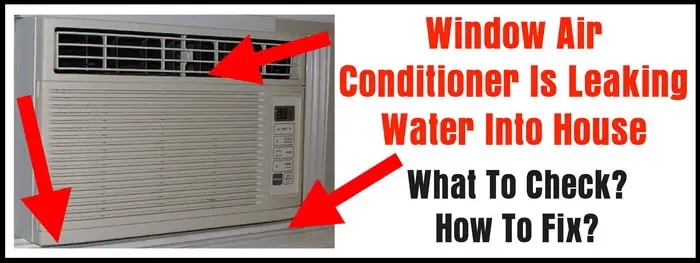
Window air conditioners offer a convenient and cost-effective cooling solution, especially for smaller spaces. However, a common issue homeowners face is water leakage. Understanding why this happens is crucial for both HVAC professionals and homeowners alike. This article delves into the various causes of window AC unit leaks, offering insights valuable for troubleshooting, maintenance, and career development in the HVAC field.
Common Causes of Window AC Unit Leaks
Several factors can contribute to water leakage from a window AC unit. Identifying the root cause is the first step towards effective resolution.
Improper Installation
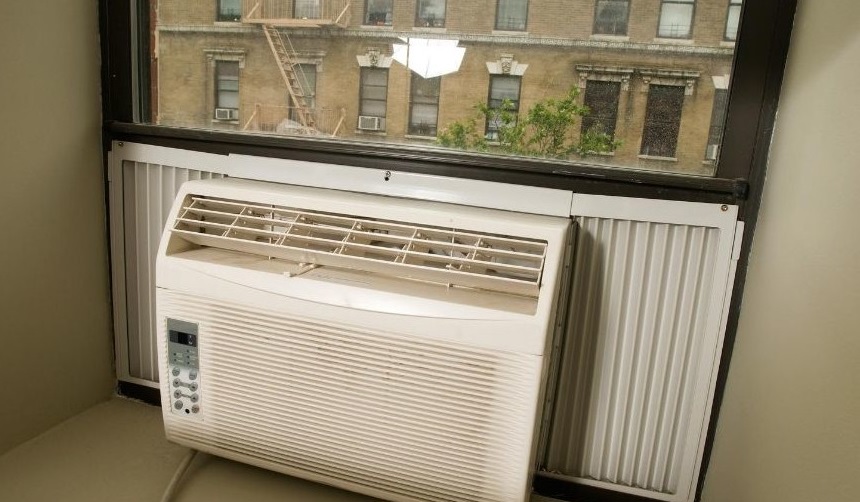
One of the most frequent culprits is improper installation. Window AC units are designed to tilt slightly backward, allowing condensation to drain properly to the outside. If the unit is installed level or tilted inwards, the water will accumulate inside and eventually leak. The angle should be approximately 1/4 inch lower on the outside than on the inside.
Pro Tip: Always use a level during installation and double-check the drainage path after securing the unit.
Clogged Drain
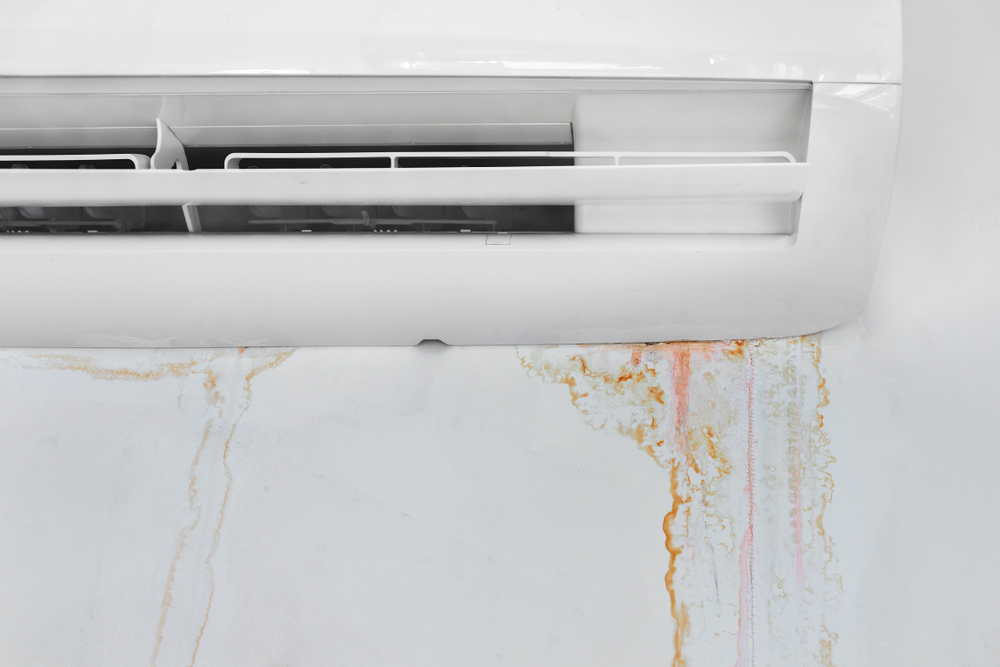
Window AC units collect condensation as they cool the air. This water is meant to drain out through a designated drain hole or system. Dust, dirt, insects, and even mold can accumulate and clog this drain. When the drain is blocked, water backs up and leaks from the front, sides, or even the back of the unit.
According to a recent survey by the Air Conditioning Contractors of America (ACCA), clogged drains account for nearly 35% of all window AC leak-related service calls. Regular cleaning is therefore paramount.
Dirty Air Filter
A dirty air filter restricts airflow, causing the evaporator coil to become excessively cold. This can lead to ice formation on the coil. When the ice melts, the resulting water can overwhelm the drainage system, leading to leaks. A clean air filter is essential not only for preventing leaks but also for maintaining optimal cooling efficiency and air quality.
Low Refrigerant Levels
While less common in window units than in central AC systems, low refrigerant can also contribute to icing and subsequent water leakage. Low refrigerant decreases the evaporator coil temperature. If you suspect a refrigerant leak, contact a certified HVAC technician immediately. Handling refrigerant requires EPA 608 certification.
Damaged or Rusted Parts
Over time, the components of a window AC unit can corrode or become damaged due to exposure to moisture and temperature fluctuations. Rusted drain pans or damaged seals can compromise the unit's ability to properly manage condensation, leading to leaks. Regular inspections and timely replacements of worn parts are essential.
Troubleshooting and Maintenance Tips
Addressing window AC leaks often involves simple troubleshooting steps. Here's a breakdown of what you can do:
- Check the Installation: Ensure the unit is tilted slightly downwards towards the outside.
- Clean the Drain: Locate the drain hole (usually at the back or bottom of the unit) and clear any obstructions using a pipe cleaner, wire, or compressed air.
- Replace the Air Filter: Regularly replace the air filter according to the manufacturer's recommendations (typically every 1-3 months).
- Inspect for Damage: Look for signs of rust, corrosion, or damage to the unit's components.
For more complex issues, such as refrigerant leaks or significant component damage, it's best to consult a qualified HVAC technician.
Career Opportunities in HVAC: A Growing Field
The HVAC industry offers a wide range of career opportunities, from entry-level technician positions to advanced engineering and management roles. According to the Bureau of Labor Statistics, the employment of HVAC mechanics and installers is projected to grow 6 percent from 2022 to 2032, about as fast as the average for all occupations. This growth is driven by increasing construction activity and the growing demand for energy-efficient cooling and heating systems. The median annual wage for HVAC mechanics and installers was $59,690 in May 2023.
Entry-Level Positions
Entry-level positions typically involve assisting experienced technicians with installations, maintenance, and repairs. A high school diploma or GED is usually required, along with some vocational training or on-the-job experience. HVAC apprenticeships are an excellent way to gain valuable hands-on experience and learn the trade from seasoned professionals.
Advanced Certifications
Earning professional certifications can significantly enhance career prospects and earning potential. Some of the most recognized certifications in the HVAC industry include:
- NATE (North American Technician Excellence): NATE certification demonstrates a technician's knowledge and skills in specific areas of HVAC, such as installation, service, and repair.
- EPA 608 Certification: This certification is required by the Environmental Protection Agency (EPA) for technicians who handle refrigerants.
Other valuable certifications include those offered by HVAC Excellence and RSES (Refrigeration Service Engineers Society).
Career Paths
The HVAC industry offers diverse career paths, including:
- HVAC Technician: Install, maintain, and repair heating, ventilation, and air conditioning systems.
- HVAC Installer: Focus on the installation of new HVAC systems.
- HVAC Service Technician: Specialize in troubleshooting and repairing existing HVAC systems.
- HVAC Sales Engineer: Design and sell HVAC systems to commercial and industrial clients.
- HVAC Project Manager: Oversee the installation and maintenance of HVAC systems for large-scale projects.
Many technicians eventually start their own HVAC businesses, offering services to residential and commercial customers.
Real-World Example: From Apprentice to Business Owner
Consider the journey of Maria Rodriguez. Maria started her HVAC career as an apprentice, working alongside a seasoned technician for several years. She obtained her NATE certification and EPA 608 certification, demonstrating her expertise in the field. After gaining sufficient experience and building a solid reputation, Maria decided to start her own HVAC business. Today, her company employs several technicians and provides a wide range of HVAC services to clients throughout the region.
The Employer's Perspective: Hiring Skilled Workers
For employers in the HVAC industry, hiring skilled and qualified workers is crucial for success. Technicians with relevant certifications and experience are highly sought after. Investing in employee training and development is essential for maintaining a competitive edge. Offering competitive salaries and benefits packages is also important for attracting and retaining top talent. Employers should prioritize candidates with NATE and EPA 608 certifications.
The HVAC industry is constantly evolving with advancements in technology and energy efficiency. Employers need to stay abreast of these changes and provide their employees with the necessary training and resources to keep up. This includes training on new refrigerants, smart HVAC systems, and energy-efficient technologies.
Conclusion
Understanding the causes of window AC leaks is essential for effective maintenance and troubleshooting. By addressing common issues such as improper installation, clogged drains, and dirty air filters, homeowners and technicians can prevent leaks and maintain optimal cooling performance. The HVAC industry offers a wealth of career opportunities for skilled and motivated individuals. With the right training, certifications, and experience, individuals can build successful and rewarding careers in this growing field. Employers who prioritize hiring skilled workers and investing in employee training will be well-positioned to thrive in the competitive HVAC market.