Why Does An Evaporator Coil Freeze Up

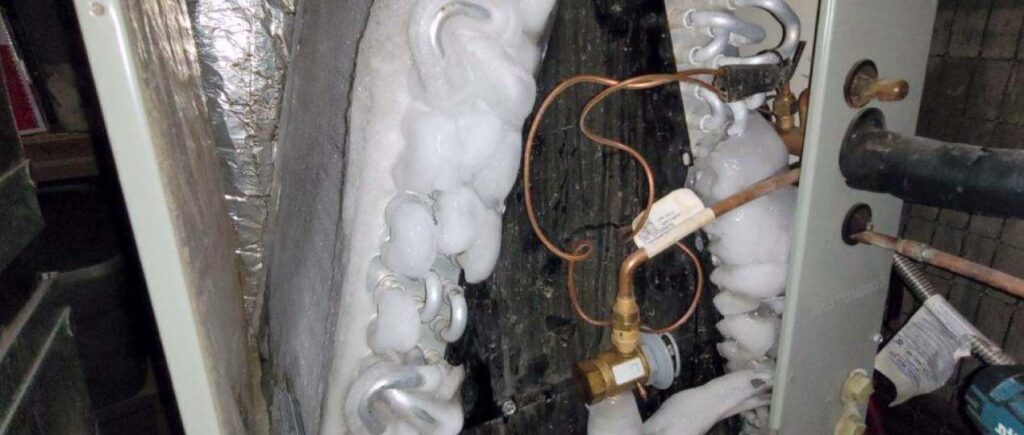
A frozen evaporator coil is a common HVAC problem that can bring your cooling system to a screeching halt, especially during the hottest days of summer. Understanding why this happens is the first step toward fixing the issue and preventing it from recurring. This article dives deep into the causes of a frozen evaporator coil, troubleshooting steps you can take, and when it's time to call in a professional.
Understanding the Evaporator Coil
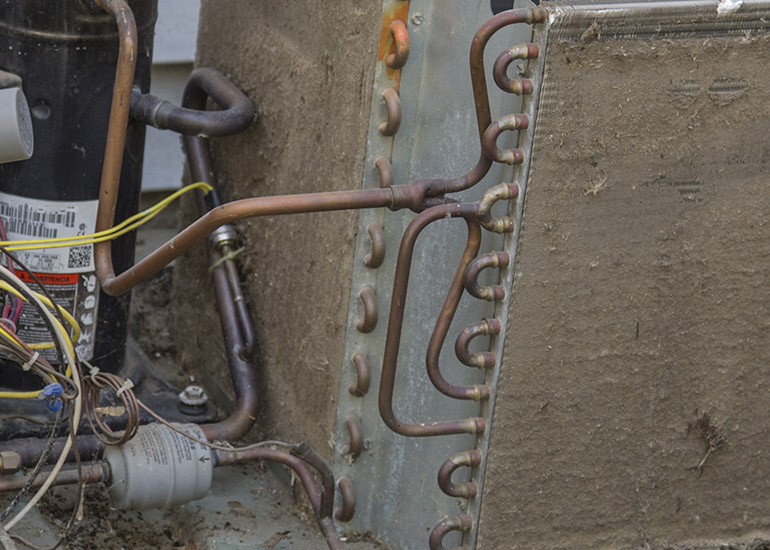
Before we delve into the causes of freezing, let's briefly explain what the evaporator coil does. Located inside your indoor air handler, the evaporator coil is responsible for absorbing heat from the air that blows across it. Refrigerant flowing through the coil absorbs this heat, turning from a liquid into a gas. This cooled air is then circulated throughout your home via the ductwork. For this process to work efficiently, the coil needs proper airflow and the right amount of refrigerant.
Common Causes of a Frozen Evaporator Coil
Several factors can contribute to a frozen evaporator coil. Addressing the root cause is crucial for a long-term solution.
1. Restricted Airflow
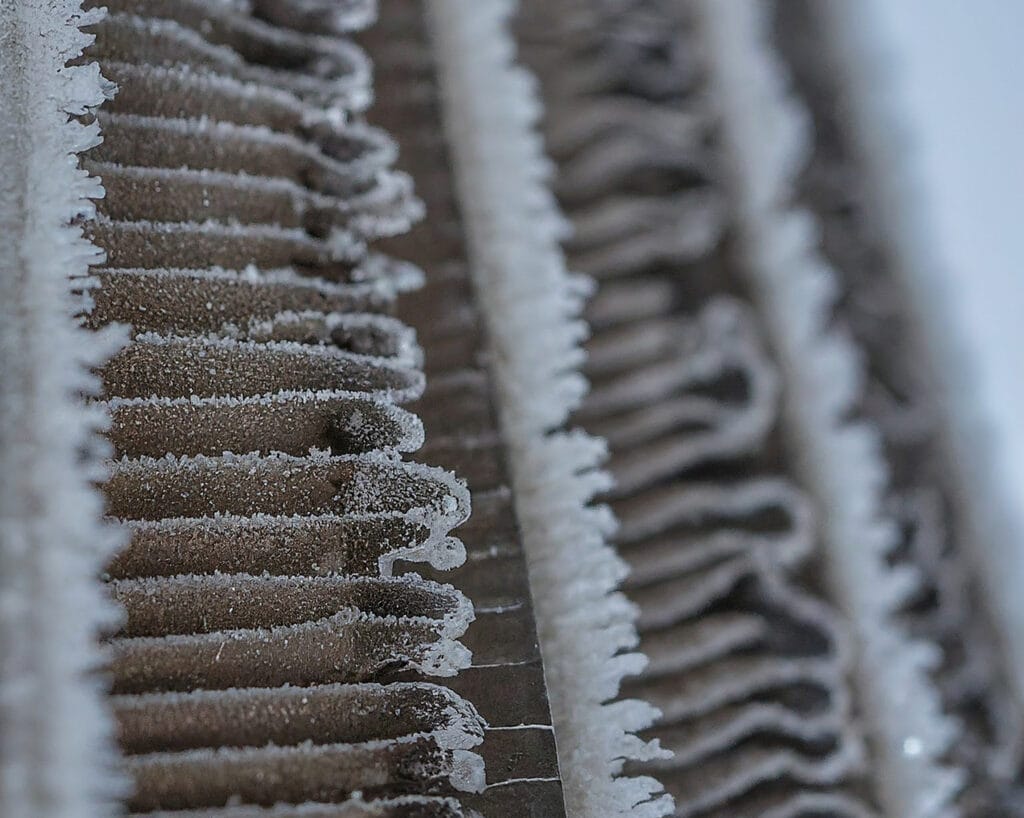
One of the most frequent culprits is restricted airflow. When the amount of air flowing over the evaporator coil is reduced, the coil gets too cold, leading to ice formation.
Possible Causes:
- Dirty Air Filter: A clogged air filter is the most common reason for reduced airflow. Replace your filter every 1-3 months, depending on usage and air quality.
- Blocked Return Vents: Make sure your return vents aren't blocked by furniture, rugs, or other obstructions.
- Closed or Partially Closed Supply Vents: Closing vents in unused rooms might seem like a good way to save energy, but it can actually restrict airflow across the entire system, leading to freezing.
- Dirty Blower Wheel: Over time, the blower wheel inside the air handler can accumulate dust and debris, reducing its efficiency.
- Ductwork Issues: Collapsed or damaged ductwork can also significantly restrict airflow.
Troubleshooting Steps:
- Check and Replace Air Filter: This should always be your first step.
- Inspect Return and Supply Vents: Ensure they are open and unobstructed.
- Visually Inspect Blower Wheel: If accessible, check the blower wheel for excessive dust buildup. (Caution: Disconnect power to the air handler before inspecting the blower wheel.)
2. Low Refrigerant Levels
Refrigerant is the lifeblood of your AC system. Low refrigerant means the evaporator coil won't absorb heat efficiently and can become too cold, leading to ice formation.
Possible Causes:
- Refrigerant Leak: The most common reason for low refrigerant is a leak somewhere in the system.
- Improper Installation: If the system was not properly charged with refrigerant during installation, it may never have had the correct amount.
Troubleshooting Steps:
Unfortunately, detecting and repairing refrigerant leaks requires specialized equipment and knowledge. Do not attempt to handle refrigerant yourself.
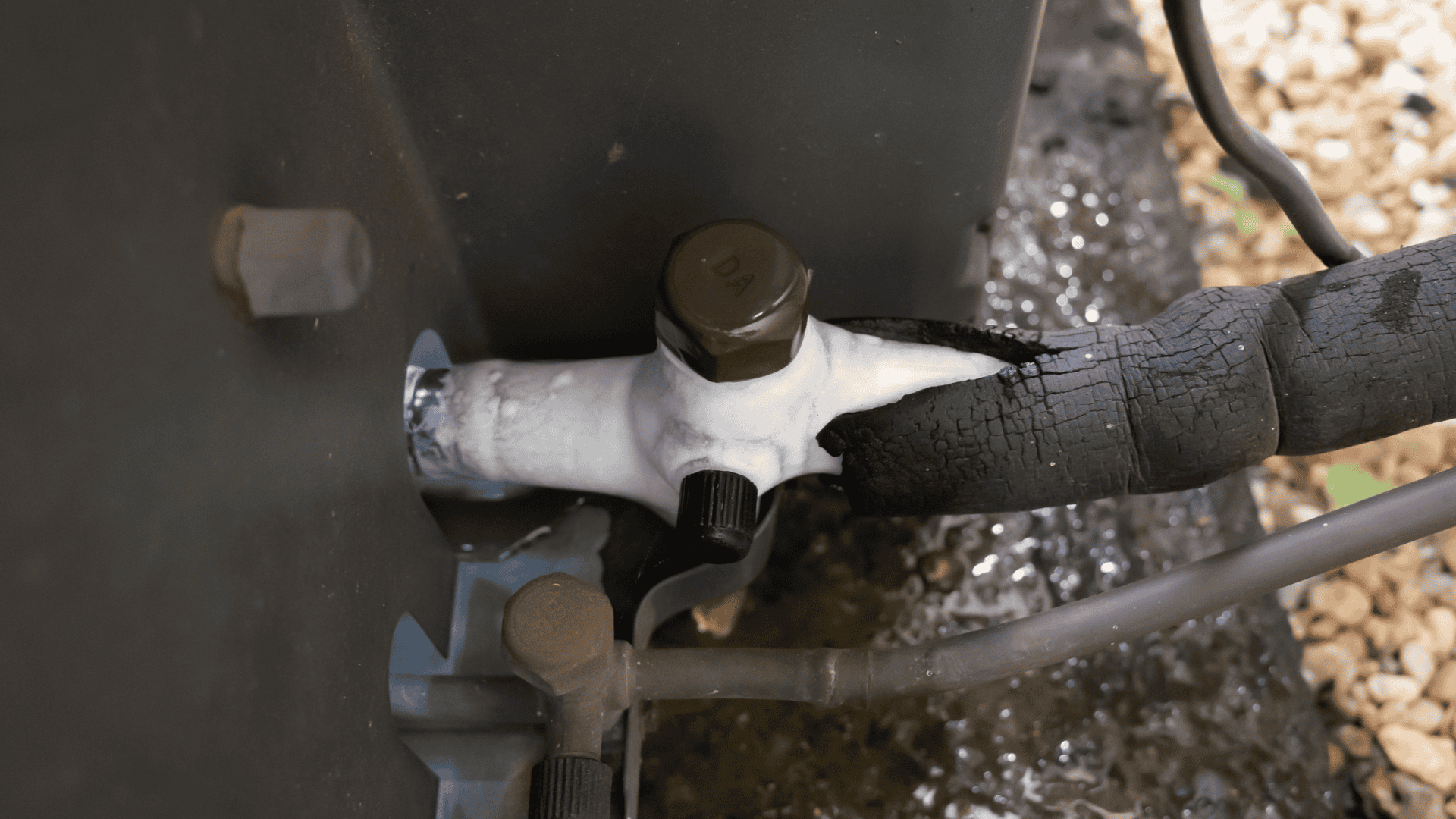
- Visual Inspection (Limited): Look for obvious signs of leaks, such as oily residue on refrigerant lines or connections. However, many leaks are very small and difficult to detect.
When to Call a Professional: If you suspect a refrigerant leak, immediately contact a qualified HVAC technician. Refrigerant leaks are harmful to the environment and can damage your equipment.
3. Mechanical Problems
Certain mechanical issues can also lead to a frozen evaporator coil.
Possible Causes:
- Faulty Blower Motor: A failing blower motor can reduce airflow across the coil.
- Stuck Contactor: A stuck contactor can cause the compressor to run continuously, even when it shouldn't, potentially freezing the coil.
- Expansion Valve Issues: A malfunctioning expansion valve can cause improper refrigerant flow.
Troubleshooting Steps:
Diagnosing and repairing these types of issues typically requires specialized knowledge and equipment. Unless you have extensive experience with HVAC systems, it's best to leave these repairs to a professional.
4. Low Outdoor Temperature
Running your air conditioner when the outdoor temperature is too low can also cause the evaporator coil to freeze. Most AC systems are not designed to operate efficiently below a certain temperature (usually around 60°F or 15°C).
Troubleshooting Steps:
- Check Outdoor Temperature: If the outdoor temperature is below the recommended operating range for your AC system, turn it off.
What to Do When You Discover a Frozen Evaporator Coil
If you find that your evaporator coil is frozen, here’s what you should do:
- Turn Off the AC: Switch off your air conditioner immediately to prevent further damage.
- Turn On the Fan: Set your thermostat to "Fan On" to circulate air over the frozen coil and help it thaw. This will speed up the thawing process.
- Check the Air Filter: Replace the air filter if it's dirty.
- Allow Time to Thaw: It may take several hours for the coil to thaw completely.
- Monitor: After the coil has thawed, turn the AC back on and monitor its performance. If the coil freezes again, there's likely an underlying issue that needs professional attention.
Preventing Frozen Evaporator Coils
Prevention is key to avoiding the inconvenience and expense of a frozen evaporator coil.
- Regularly Replace Air Filters: As mentioned earlier, this is the simplest and most effective preventative measure.
- Schedule Regular Maintenance: Have your HVAC system professionally inspected and maintained at least once a year. A technician can identify and address potential problems before they lead to major issues.
- Keep Vents Clear: Ensure that all supply and return vents are free from obstructions.
- Avoid Running AC in Low Temperatures: Don't operate your AC system when the outdoor temperature is below the recommended minimum.
Estimating Repair Costs
The cost of repairing a frozen evaporator coil can vary depending on the cause and the extent of the damage.
- Air Filter Replacement: $5 - $20 (DIY)
- Refrigerant Leak Repair: $200 - $1500+ (Professional) - This depends heavily on the size and location of the leak. Larger leaks requiring more extensive repairs will cost more.
- Blower Motor Replacement: $200 - $800 (Professional)
- Contactor Replacement: $100 - $300 (Professional)
- Evaporator Coil Replacement: $800 - $3000+ (Professional) - This is a major repair and can be quite costly, especially if the coil is difficult to access.
These are just estimates, and the actual cost may vary. Always get quotes from multiple HVAC professionals before proceeding with any repairs.
When to Call a Professional
While some troubleshooting steps can be handled by homeowners, certain situations require the expertise of a qualified HVAC technician.
Call a Professional If:
- The evaporator coil freezes again after thawing and addressing airflow issues.
- You suspect a refrigerant leak.
- You are uncomfortable working with electrical components.
- You are unsure about the cause of the freezing.
- The problem involves mechanical components like the blower motor, contactor, or expansion valve.
Tools and Parts List
DIY Troubleshooting:
- Air Filter: Correct size and type for your HVAC system.
- Screwdriver: For removing access panels.
- Wrench Set: For tightening or loosening connections (use with caution).
- Flashlight: For inspecting hard-to-reach areas.
Professional Repair (Typical Tools):
- Refrigerant Gauges: For measuring refrigerant pressure.
- Leak Detector: For pinpointing refrigerant leaks.
- Vacuum Pump: For evacuating the refrigerant system.
- Refrigerant Recovery Machine: For safely removing refrigerant.
- Manifold Gauge Set: For system diagnosis.
- Multimeter: For electrical testing.
By understanding the causes of a frozen evaporator coil and taking preventative measures, you can keep your AC system running efficiently and avoid costly repairs. Remember to prioritize safety and call a professional when needed.