Why Does It Smell Like Skunk In My House
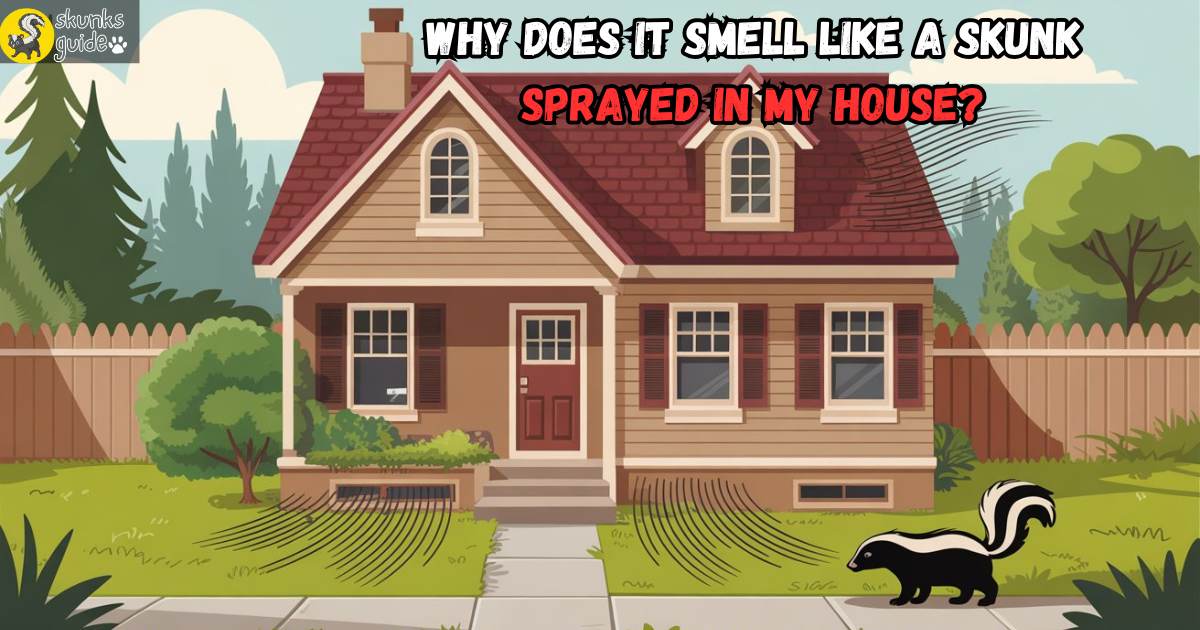
That pungent, unmistakable aroma – like a freshly road-killed skunk – wafting through your home is never a welcome surprise. While the obvious culprit might be a direct encounter between a skunk and your property, sometimes the smell originates from a far less obvious source: your HVAC system. Understanding why this happens, and more importantly, how to fix it, can save you headaches, money on energy bills, and ensure the longevity of your expensive HVAC equipment.
Skunked! But Where’s the Skunk? Deciphering the HVAC-Skunk Connection
The link between your HVAC system and a skunk-like odor isn’t always direct. In many cases, it's a matter of misidentification. Here are the most common culprits:
1. Methyl Mercaptan: The Gas Leak Imposter
Natural gas, in its pure form, is odorless. To make leaks detectable, utility companies add a chemical called methyl mercaptan. This sulfur-containing compound has a very distinctive smell that many people describe as similar to skunk spray or rotten cabbage. A small gas leak, even a slow one, can permeate your home via the ductwork. Because the HVAC system circulates air, it amplifies the smell, making it seem much worse. According to the EPA, natural gas leaks are a serious safety hazard and must be addressed immediately.
Actionable Tip: If you suspect a gas leak, evacuate your home immediately and call your gas company or 911 from a safe location. Do not attempt to locate the leak yourself.
Ignoring this can lead to bigger bills, as a gas leak, however small, drains your pocket book. Even worse it can damage the environment.
2. HVAC System Failure: Oil Furnace Problems
Older oil furnaces are a common source of skunk-like odors. When an oil furnace isn't functioning correctly, it can release unburned fuel oil into the exhaust system. This creates a strong, unpleasant smell that resembles skunk spray. Common causes include:
- Dirty Burner Nozzles: Clogged nozzles disrupt the combustion process, leading to incomplete burning of the fuel oil.
- Faulty Ignition System: If the ignition system fails, fuel oil can accumulate and then partially burn, producing the odor.
- Cracked Heat Exchanger: This is a serious problem, as it can also leak carbon monoxide into your home.
Maintaining your oil furnace with regular professional tune-ups is crucial. A well-maintained furnace operates more efficiently, saving you money on fuel costs and reducing the risk of emitting harmful pollutants. The Department of Energy recommends annual furnace inspections to ensure safe and efficient operation. Some states and local governments offer rebates for upgrading to high-efficiency furnaces, further offsetting the cost.
3. Sewer Gas Leakage: A Stinky Plumbing Issue
Sewer gas, a byproduct of decomposing waste, contains methane, hydrogen sulfide, and other gases that contribute to a foul odor, often described as skunky or rotten eggs. While the source is plumbing, the HVAC system can inadvertently pull sewer gas into your home. This usually happens when:
- Dry P-Traps: P-traps are the U-shaped pipes under sinks and drains that hold water, creating a barrier against sewer gas. If a drain isn't used frequently, the water in the P-trap can evaporate, allowing sewer gas to escape.
- Cracked or Leaking Drain Pipes: Cracks or leaks in drain pipes can allow sewer gas to seep into the surrounding air and eventually into your home.
- Vent Stack Problems: Vent stacks are pipes that extend from your plumbing system to the roof, allowing sewer gas to vent outside. If the vent stack is blocked or damaged, sewer gas can back up into your home.
Checking and maintaining your plumbing system is essential. Pouring water down infrequently used drains can replenish P-traps. If you suspect a more significant leak, consult a qualified plumber. Addressing plumbing issues promptly not only eliminates the odor but also prevents potential health hazards and property damage.
4. Rodent Infestation: The Decomposition Dilemma
Unfortunately, rodents sometimes find their way into ductwork or crawl spaces and die. The decomposition process releases a strong, unpleasant odor, often described as musty, decaying, or even skunk-like. Rodent infestations can also introduce allergens and pathogens into your home, impacting air quality and potentially causing health problems.
ROI Consideration: Investing in professional pest control services is an investment in your health and the structural integrity of your home. Sealing entry points and eliminating food sources can prevent future infestations, saving you money on repairs and reducing energy waste from drafts.
5. Dirty Sock Syndrome: Microbial Growth in Your AC
Dirty sock syndrome is a common problem in air conditioning systems. It's caused by the growth of mold, mildew, and bacteria on the evaporator coil inside your air handler. When the AC is turned on, these microbes release volatile organic compounds (VOCs) that produce a musty, dirty sock, or sometimes skunk-like odor. The CDC recognizes the importance of indoor air quality and regular HVAC system cleaning to mitigate microbial growth.
Regular cleaning of the evaporator coil and drainage pan is essential to prevent dirty sock syndrome. Consider using UV-C lights in your ductwork to kill mold and bacteria. Upgrading to a high-efficiency air filter can also help trap dust and allergens, improving indoor air quality and reducing the risk of microbial growth. Many smart thermostats now integrate with air quality sensors, providing real-time monitoring and alerts when air quality deteriorates.
Smart HVAC Integration: A Proactive Approach to Odor Detection and Prevention
Smart home technology offers advanced tools for monitoring and managing your HVAC system, enabling you to detect potential problems early and prevent skunk-like odors from developing.
- Smart Thermostats with Air Quality Sensors: These thermostats continuously monitor indoor air quality, detecting VOCs, particulate matter, and humidity levels. If a sudden increase in VOCs is detected, the thermostat can alert you to a potential problem, such as a gas leak or microbial growth. Some models can even automatically adjust the ventilation system to improve air quality.
- Leak Detectors: Smart leak detectors can be placed near potential sources of gas leaks, such as gas furnaces, water heaters, and gas lines. These detectors provide immediate alerts if a leak is detected, allowing you to take action before the odor becomes overwhelming.
- Remote Monitoring and Control: Smart HVAC systems allow you to remotely monitor and control your HVAC equipment from your smartphone or tablet. This enables you to detect unusual patterns in energy consumption or equipment performance, which could indicate a problem. For example, if your furnace is running longer than usual, it could be a sign of a combustion issue or a gas leak.
Energy Savings Highlight: Smart thermostats can learn your heating and cooling preferences and automatically adjust the temperature to save energy. According to Energy Star, a smart thermostat can save you up to 12% on heating costs and 15% on cooling costs annually. Many utility companies offer rebates for installing smart thermostats, making them an even more attractive investment.
Troubleshooting Tips: DIY vs. Professional Help
Before calling a professional, there are several things you can check yourself:
- Check for Obvious Signs: Look for dead animals around your property or near your HVAC system. Inspect your ductwork for visible signs of damage or rodent infestation.
- Sniff Test: Carefully sniff around your HVAC vents and ductwork to try to pinpoint the source of the odor. Be cautious when sniffing around gas appliances.
- Drain Cleaning: Pour water down infrequently used drains to replenish P-traps. Clean your sink and shower drains to remove any debris that could be causing odors.
- Air Filter Replacement: Replace your air filter regularly to improve air quality and prevent dust and allergens from accumulating in your HVAC system.
However, some situations require professional help:
- Gas Leaks: If you suspect a gas leak, evacuate your home immediately and call your gas company or 911.
- Oil Furnace Problems: If you have an oil furnace and suspect a malfunction, contact a qualified HVAC technician.
- Sewer Gas Leaks: If you suspect a sewer gas leak, contact a qualified plumber.
- Extensive Mold Growth: If you find extensive mold growth in your HVAC system or ductwork, contact a professional mold remediation company.
Long-Term Prevention: Maintaining a Skunk-Free Home
Preventing skunk-like odors in your home requires a proactive approach to HVAC maintenance and home care. Regular maintenance not only prevents unpleasant smells but also maximizes energy efficiency, reduces the risk of equipment failures, and extends the lifespan of your HVAC system.
- Annual HVAC Tune-Ups: Schedule annual tune-ups with a qualified HVAC technician. During a tune-up, the technician will inspect your equipment, clean components, and identify potential problems before they escalate.
- Duct Cleaning: Have your ductwork professionally cleaned every 3-5 years to remove dust, allergens, and other contaminants.
- Proper Ventilation: Ensure that your home is properly ventilated to prevent moisture buildup and mold growth. Use exhaust fans in bathrooms and kitchens to remove excess humidity.
- Pest Control: Implement a pest control program to prevent rodents from entering your home and HVAC system. Seal any cracks or openings in your foundation, walls, and roof.
- Address Plumbing Issues Promptly: Repair any leaks or plumbing problems immediately to prevent sewer gas from entering your home.
By understanding the potential causes of skunk-like odors in your home and taking proactive steps to prevent them, you can create a healthier, more comfortable, and energy-efficient living environment. Regularly scheduled HVAC maintenance, smart home integration, and prompt attention to plumbing and pest control issues are all key to maintaining a skunk-free home and saving money on energy bills.