Why Is A Heat Pump Called A Heat Pump
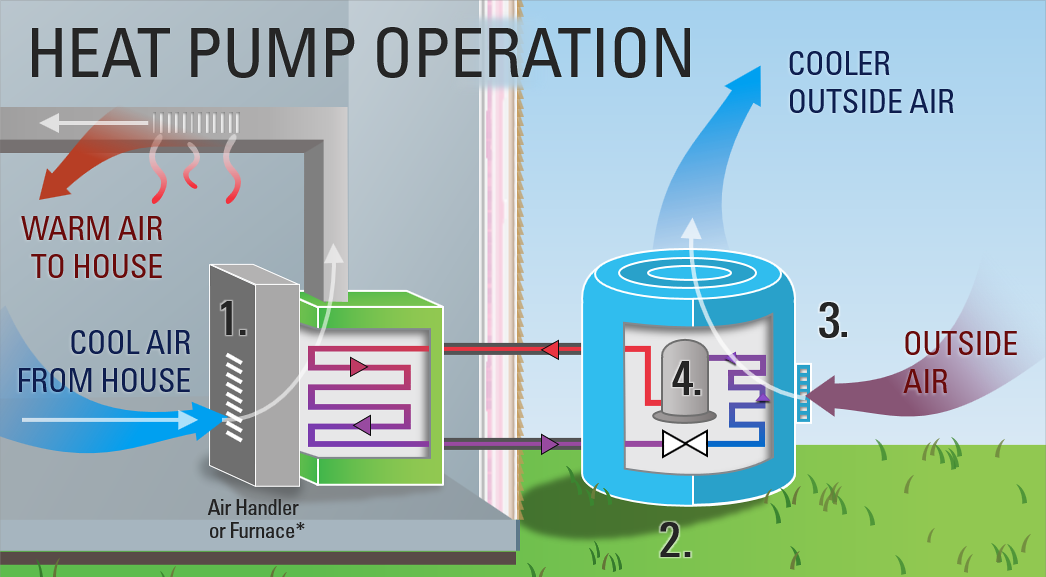
Have you ever wondered why that box outside your house is called a heat pump? It seems counterintuitive, especially if you live in a colder climate. After all, shouldn't it be called a "heater" in the winter? The name, however, accurately reflects what this device *actually* does – it moves heat. Understanding this fundamental principle unlocks a better understanding of your home's climate control system and how to troubleshoot common issues.
The "Pump" in Heat Pump: More Than Just Heating
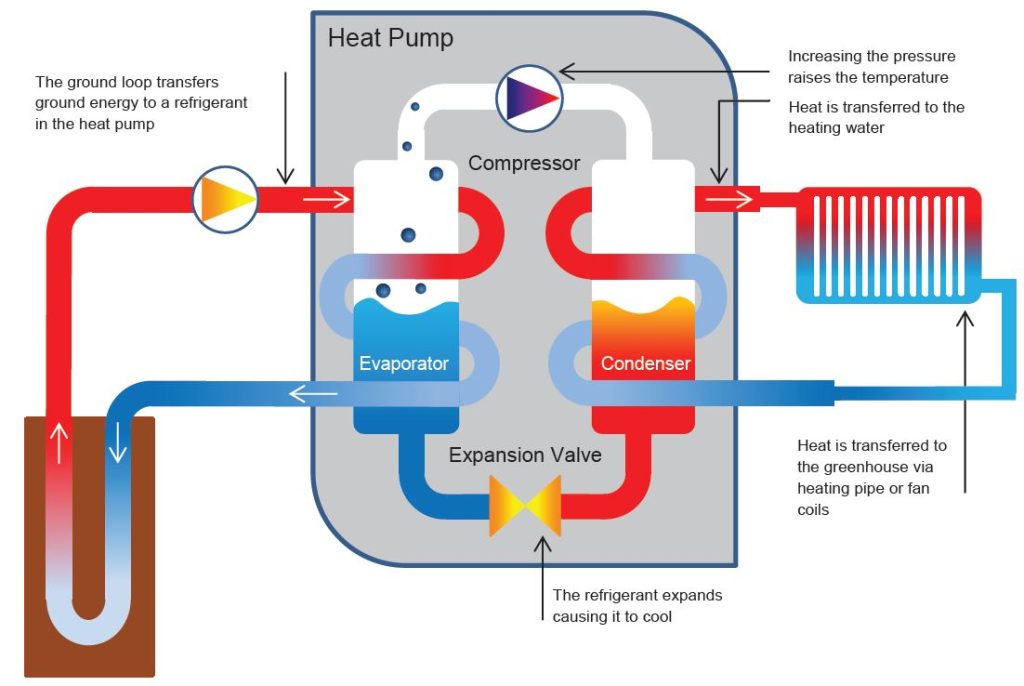
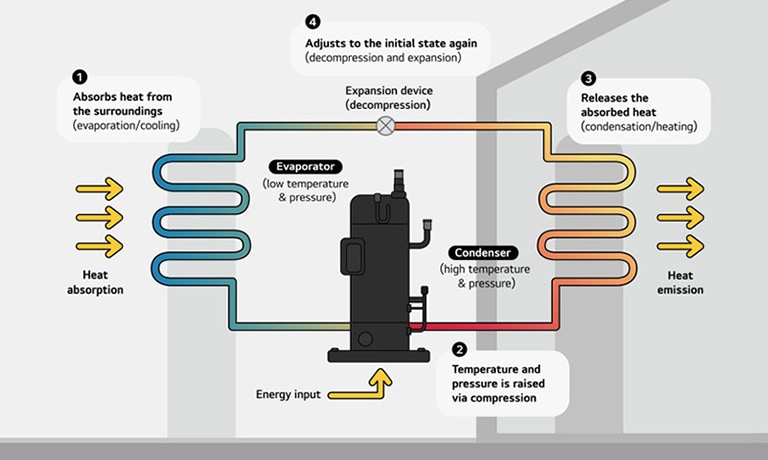
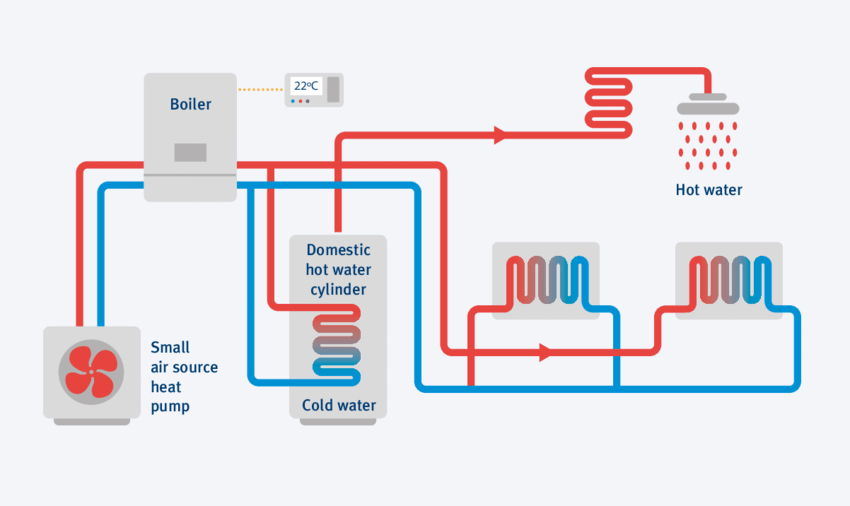
The key to understanding the name lies in recognizing that a heat pump doesn't *create* heat; it *transfers* it. Think of it like a water pump moving water from one place to another. A heat pump uses refrigerant to absorb heat from one location and release it in another. This process allows it to both heat and cool your home. Let's break down the core functionality:
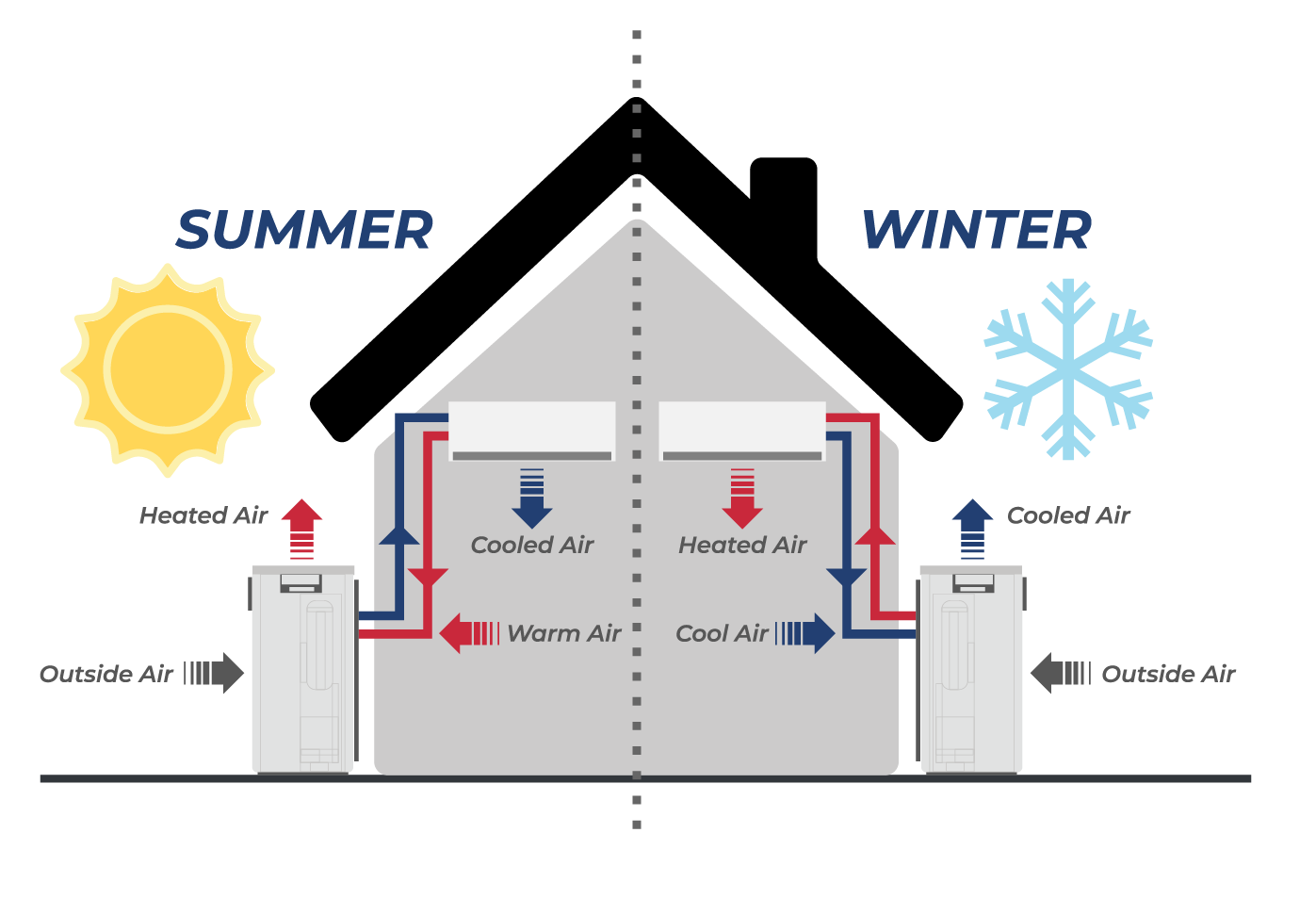
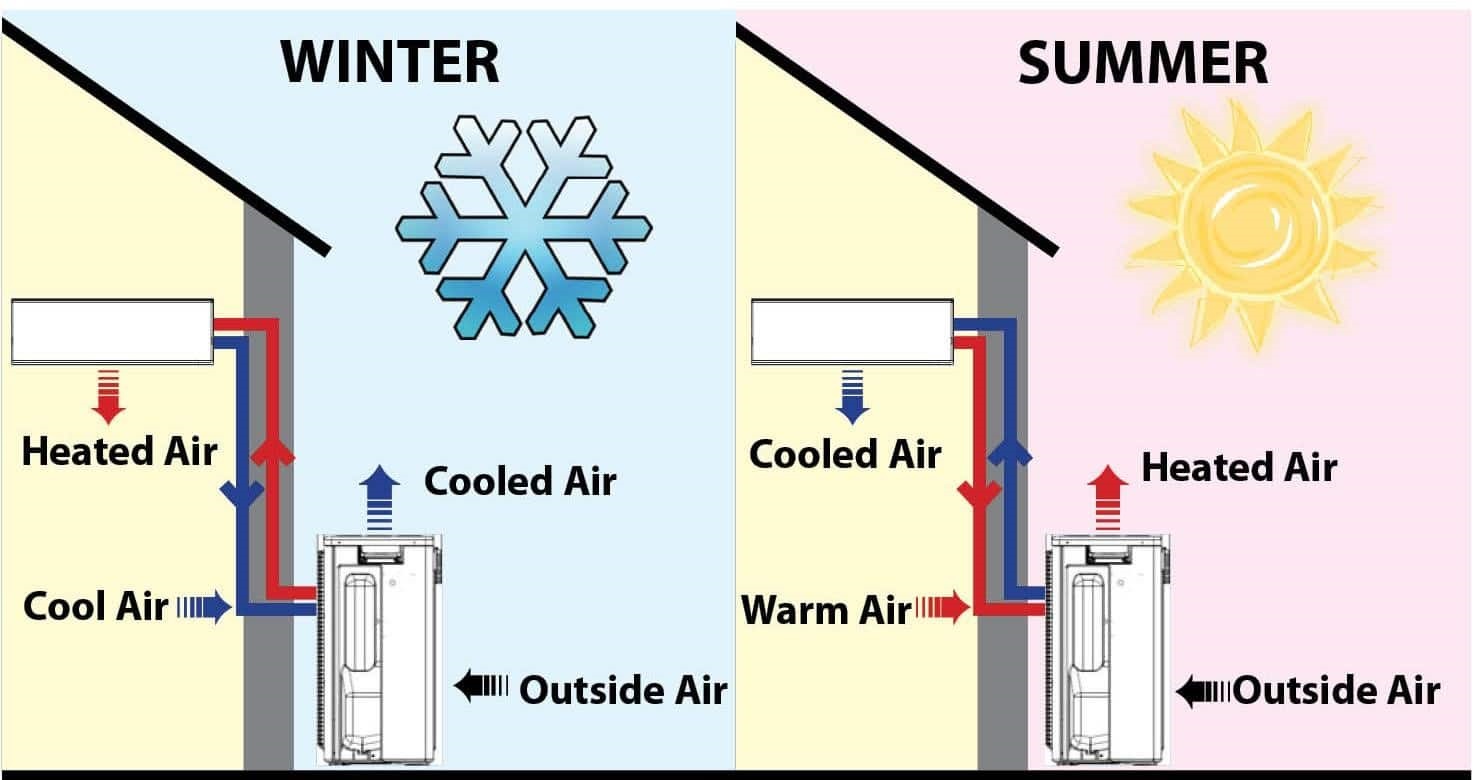
- Heating Mode: During winter, the heat pump extracts heat from the outdoor air (even when it's cold!) and transfers it inside your home.
- Cooling Mode: In the summer, the process reverses. The heat pump absorbs heat from inside your home and releases it outside.
This two-way operation is what makes a heat pump so efficient and versatile. It's essentially a reversible air conditioner.
How a Heat Pump Works: A Simplified Explanation
To understand how a heat pump moves heat, let's look at the basic components and their roles:
- Refrigerant: This special fluid circulates through the system, absorbing and releasing heat as it changes between liquid and gas states.
- Compressor: The heart of the system. It pressurizes the refrigerant, increasing its temperature and facilitating heat transfer.
- Condenser Coil: Located outside in heating mode (inside in cooling mode), the condenser releases heat from the refrigerant into the surrounding air.
- Evaporator Coil: Located inside in heating mode (outside in cooling mode), the evaporator absorbs heat from the surrounding air, causing the refrigerant to evaporate.
- Reversing Valve: This valve controls the direction of refrigerant flow, switching the system between heating and cooling modes.
- Expansion Valve (or Metering Device): This controls the flow of refrigerant into the evaporator, reducing its pressure and temperature.
Think of it this way: Imagine a sponge (refrigerant) soaking up heat from one bucket (outside air in winter) and squeezing it into another bucket (inside your home). The compressor is like your hand squeezing the sponge.
Common Heat Pump Issues and DIY Troubleshooting
While heat pumps are generally reliable, they can experience problems. Here are some common issues and what you can do:
1. Unit Not Heating or Cooling
- Possible Causes: Dirty air filter, blocked outdoor unit, refrigerant leaks, thermostat problems.
- DIY Steps:
- Check and replace the air filter: A dirty filter restricts airflow and reduces efficiency.
- Clear debris from the outdoor unit: Remove leaves, snow, and other obstructions.
- Verify thermostat settings: Ensure the thermostat is set to the correct mode (heating or cooling) and temperature.
- When to Call a Professional: If the problem persists after these steps, a refrigerant leak or compressor issue may be the cause. These require specialized tools and expertise.
2. Icing Up of the Outdoor Unit
- Possible Causes: Normal operation during defrost cycle, low refrigerant, malfunctioning defrost cycle.
- DIY Steps:
- Monitor the unit: Most heat pumps have an automatic defrost cycle. If the ice melts within a reasonable timeframe (30-60 minutes), it's likely normal.
- Ensure proper airflow: Make sure the outdoor unit isn't blocked by snow or ice.
- When to Call a Professional: If the unit is constantly iced up, even during mild weather, or if the defrost cycle seems to be failing, it could indicate a more serious problem, such as low refrigerant or a faulty defrost control board.
3. Strange Noises
- Possible Causes: Loose parts, failing motor, refrigerant leaks.
- DIY Steps:
- Inspect the unit for loose panels or debris: Tighten screws and remove any visible obstructions.
- When to Call a Professional: Unusual noises, such as grinding, squealing, or hissing, often indicate a mechanical problem that requires professional attention. Don't attempt to disassemble the unit yourself. A hissing sound can be a refrigerant leak, which can be harmful to your health.
4. High Energy Bills
- Possible Causes: Inefficient operation, air leaks in the ductwork, poor insulation.
- DIY Steps:
- Check for air leaks: Seal any gaps around windows, doors, and ductwork.
- Ensure proper insulation: Add insulation to your attic and walls to minimize heat loss or gain.
- When to Call a Professional: A professional HVAC technician can perform a system inspection to identify and address any underlying issues affecting efficiency, such as refrigerant leaks or compressor problems.
Essential Tools for DIY Heat Pump Maintenance
Having the right tools on hand can make basic maintenance tasks easier. Here's a list of helpful tools:
- Screwdrivers (Phillips and flathead)
- Wrench set
- Multimeter (for electrical testing - use with extreme caution and only if you are qualified)
- Air filter wrench
- Vacuum cleaner with brush attachment
- Duct tape (for sealing minor air leaks)
- Safety glasses
- Work gloves
Safety Tip: Always disconnect power to the unit before performing any maintenance or repairs. If you are not comfortable working with electricity, call a qualified electrician.
Understanding SEER and HSPF Ratings
When choosing a new heat pump, you'll encounter two important ratings: SEER (Seasonal Energy Efficiency Ratio) and HSPF (Heating Seasonal Performance Factor). These ratings indicate the unit's energy efficiency:
- SEER: Measures cooling efficiency. The higher the SEER rating, the more efficient the unit is at cooling your home.
- HSPF: Measures heating efficiency. The higher the HSPF rating, the more efficient the unit is at heating your home.
Look for units with higher SEER and HSPF ratings to save money on your energy bills.
When to Call a Professional HVAC Technician
While some basic maintenance and troubleshooting can be done yourself, certain repairs require the expertise of a qualified HVAC technician. Here's when to call a pro:
- Refrigerant leaks: Handling refrigerant requires specialized equipment and certifications.
- Compressor problems: The compressor is a complex and expensive component. Repairs should only be performed by a professional.
- Electrical issues: If you are not comfortable working with electricity, always call a qualified electrician.
- Defrost cycle malfunctions: Diagnosing and repairing defrost cycle problems often requires specialized knowledge and tools.
- Major component failures: If a major component, such as the fan motor or reversing valve, fails, it's best to call a professional for repair or replacement.
- You are unsure: If you are uncomfortable or not familiar with the unit do not attempt a repair, reach out to a local HVAC professional to avoid causing further damage to the unit or potentially harming yourself.
Heat Pump Repair Cost Estimates
Repair costs can vary depending on the problem and the complexity of the repair. Here are some general estimates:
- Air filter replacement: $10 - $30 (DIY)
- Minor electrical repairs (e.g., replacing a capacitor): $100 - $300
- Refrigerant recharge: $200 - $500
- Compressor replacement: $800 - $2,000
- Reversing valve replacement: $300 - $700
- Fan motor replacement: $200 - $600
These are just estimates, and the actual cost may vary depending on your location and the HVAC contractor you choose. Always get multiple quotes before authorizing any repairs.
Preventative Maintenance: Keeping Your Heat Pump Running Smoothly
Regular maintenance can help prevent costly repairs and extend the life of your heat pump. Consider these preventative maintenance tasks:
- Regularly change the air filter: At least every 1-3 months, or more often if you have pets or allergies.
- Clean the outdoor unit: Remove debris and trim vegetation around the unit.
- Schedule annual professional maintenance: A qualified HVAC technician can inspect the system, clean the coils, check refrigerant levels, and identify any potential problems.
- Inspect the ductwork: Check for air leaks and seal any gaps.
By understanding the basic principles of heat pump operation and performing regular maintenance, you can keep your home comfortable and save money on your energy bills. Remember, when in doubt, call a qualified HVAC professional for assistance.
:max_bytes(150000):strip_icc()/GettyImages-1225021365-8424e0bfe36b4254862d3f0ca5031a94.jpg)