Why Is Air Conditioner Dripping Water

Why Is Your Air Conditioner Dripping Water? A Guide to Diagnosing and Fixing the Problem
A dripping air conditioner can be more than just an annoyance; it can be a signal of underlying issues that, if left unaddressed, can lead to higher energy bills, costly repairs, and even health hazards. Understanding why your AC unit is leaking water is the first step towards efficient troubleshooting and preventing potential damage. This article will walk you through the common causes of a dripping AC, how to diagnose the problem, and what solutions are available, focusing on energy efficiency and cost savings.
The Basics: How Air Conditioners Produce Water
Before diving into the causes of dripping, it's crucial to understand that air conditioners naturally produce water. The cooling process involves drawing warm air over cold evaporator coils. As the warm air cools, moisture condenses, similar to how a cold glass of water sweats on a hot day. This condensation is collected in a drain pan and then channeled through a drain line to the outside or into a designated drain. When this system malfunctions, water can start dripping.
Common Causes of Air Conditioner Dripping
Several factors can contribute to a dripping air conditioner. Here are some of the most prevalent:
1. Clogged Drain Line
This is perhaps the most common cause. Over time, algae, mold, dust, and other debris can accumulate in the drain line, creating a blockage. This blockage prevents water from properly draining, causing it to back up into the drain pan and eventually overflow.
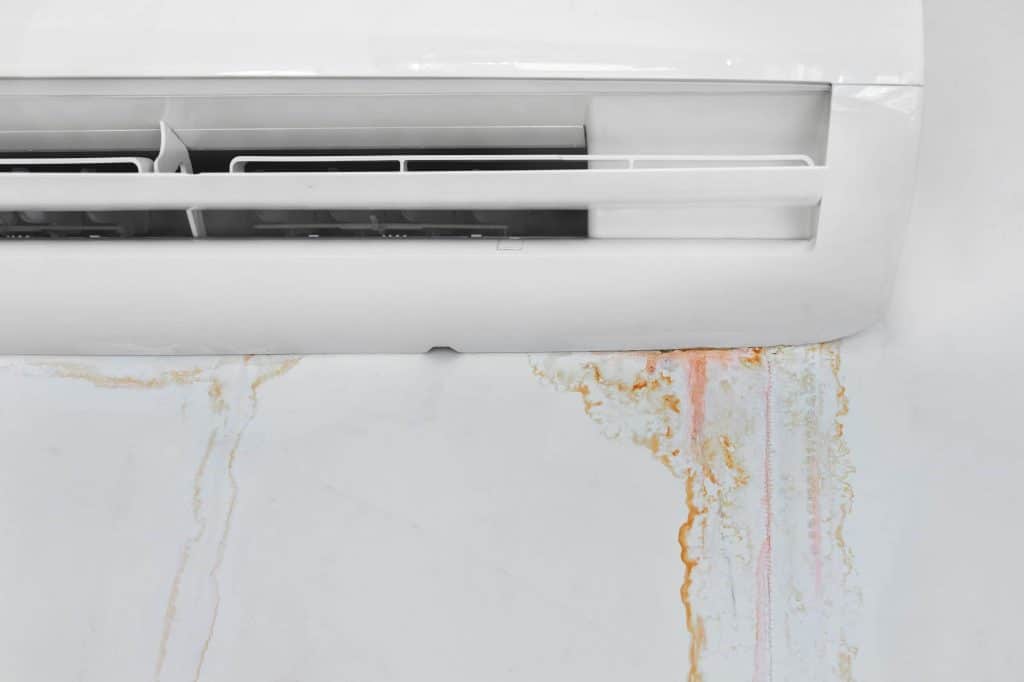
Diagnosis: Look for standing water in the drain pan or water stains around the indoor unit. Check the drain line opening (usually located outside near the condenser unit) for any visible blockage.
Solution: You can often clear a clogged drain line yourself. Try using a wet/dry vacuum to suck out the blockage from the drain line opening. Alternatively, you can use a stiff wire or a mixture of hot water and vinegar to flush the line. For stubborn clogs, a professional HVAC technician may be required.
2. Broken or Cracked Drain Pan
The drain pan, typically made of plastic, can crack or rust over time, especially in older units. This damage allows water to leak out before it can be properly drained.
Diagnosis: Inspect the drain pan for any visible cracks, rust, or damage. You may need to use a flashlight to get a good view.
Solution: A cracked or rusted drain pan usually needs to be replaced. This is a relatively straightforward repair that a qualified HVAC technician can handle. Ignoring a damaged drain pan can lead to significant water damage and mold growth.
3. Frozen Evaporator Coils
When the evaporator coils freeze over, the melting ice can overwhelm the drain pan's capacity, leading to dripping. Frozen coils are often a symptom of other problems, such as:
- Dirty Air Filter: A clogged air filter restricts airflow, causing the evaporator coils to get too cold and freeze.
- Low Refrigerant Levels: Low refrigerant reduces the coil's ability to absorb heat, leading to freezing.
- Blocked Return Vents: Obstructed return vents can also restrict airflow, contributing to frozen coils.
Diagnosis: Check the evaporator coils for ice buildup. You may need to remove an access panel to see them. Also, check your air filter and return vents for obstructions.
Solution: If you find frozen coils, first try turning off the AC and setting the fan to "on" to melt the ice. Replace a dirty air filter immediately. If the problem persists, you likely have a refrigerant leak or another underlying issue that requires professional attention.
4. Incorrect Installation
Improper installation can lead to several issues, including a tilted unit that prevents proper drainage. A unit that isn't level can cause water to overflow the drain pan.
Diagnosis: Use a level to check if your indoor unit is properly aligned. If it's significantly off, it could be the cause of the dripping.
Solution: Correcting an installation issue typically requires a professional HVAC technician. They can properly level the unit and ensure that all connections are secure.
5. High Humidity
In extremely humid conditions, your air conditioner may struggle to keep up with the amount of moisture in the air. This can lead to excessive condensation, overwhelming the drain pan.
Diagnosis: This is more likely to occur during periods of unusually high humidity. Observe if the dripping worsens on particularly humid days.
Solution: While you can't control the weather, you can improve your home's insulation and ventilation to reduce humidity levels. Consider using a dehumidifier to further manage moisture. Ensure your AC unit is properly sized for your space; an undersized unit will struggle to remove humidity effectively. Upgrading to a high-efficiency unit with a higher SEER rating can also improve humidity control. Many new models are Energy Star certified and offer rebates.
The Energy Efficiency Angle: Why Fixing Leaks Saves You Money
Addressing a dripping air conditioner isn't just about preventing water damage; it's also about maximizing energy efficiency and saving money. Here's how:
- Reduced Energy Consumption: When your AC isn't functioning optimally due to a leak or blockage, it has to work harder to cool your home. This increased workload translates to higher energy consumption and higher electricity bills.
- Preventing Costly Repairs: Addressing minor issues early can prevent them from escalating into major, expensive repairs. A small leak can lead to mold growth, which can require costly remediation. Frozen coils can damage the compressor, the most expensive component of your AC system.
- Extended Lifespan of Your AC Unit: Proper maintenance, including addressing leaks and clogs, can extend the lifespan of your AC unit. This means you won't have to replace it as frequently, saving you thousands of dollars in the long run.
Smart HVAC Integration for Leak Detection and Energy Savings
Smart home technology offers several solutions for monitoring your HVAC system and detecting potential problems early on. Smart thermostats, for example, can track your system's performance, identify anomalies, and even alert you to potential leaks.
Some smart thermostats can:
- Monitor temperature and humidity levels in different zones of your home.
- Track energy consumption and provide detailed reports.
- Send alerts if the system is running inefficiently or if unusual activity is detected.
Additionally, moisture sensors can be placed near your AC unit to detect leaks early on, preventing water damage and mold growth. Integrating these sensors with your smart home system allows you to receive instant notifications if a leak is detected.
Rebates and Incentives for Energy-Efficient Upgrades
Many utility companies and government agencies offer rebates and incentives for upgrading to energy-efficient HVAC systems. Energy Star certified units often qualify for these rebates, which can significantly reduce the upfront cost of a new system. Check with your local utility company and the DSIRE (Database of State Incentives for Renewables & Efficiency) website to find available rebates in your area.
Consider these incentives when evaluating your options for repairing or replacing your air conditioner. Investing in a high-efficiency system can not only solve the dripping problem but also provide long-term energy savings and improve your home's comfort.
DIY vs. Professional Help: When to Call an HVAC Technician
While some AC issues, like clearing a clogged drain line or replacing a dirty air filter, can be handled DIY, others require the expertise of a qualified HVAC technician. Here's a guideline to help you decide when to call a professional:
DIY-Friendly Tasks:
- Clearing a clogged drain line
- Replacing a dirty air filter
- Cleaning around the unit and removing debris
- Checking for loose connections (after shutting off power)
Tasks Requiring Professional Assistance:
- Repairing or replacing a cracked drain pan
- Diagnosing and repairing refrigerant leaks
- Repairing or replacing a compressor
- Leveling an improperly installed unit
- Addressing frozen evaporator coils (if the problem persists after cleaning the filter)
Attempting to repair complex HVAC issues without the proper training and tools can be dangerous and may void your warranty. When in doubt, it's always best to consult with a professional.
Preventative Maintenance: The Key to Avoiding Dripping Air Conditioners
The best way to prevent a dripping air conditioner is to implement a regular preventative maintenance schedule. This includes:
- Regularly Replacing Air Filters: Change your air filter every 1-3 months, depending on usage and air quality. A clean air filter improves airflow, prevents frozen coils, and reduces energy consumption.
- Cleaning the Condenser Coils: Periodically clean the condenser coils (located in the outdoor unit) to remove dirt and debris. This improves heat transfer and efficiency.
- Inspecting the Drain Line: Check the drain line regularly for clogs and debris. Flush it out with a mixture of hot water and vinegar or use a wet/dry vacuum to clear any blockages.
- Scheduling Annual Professional Maintenance: Have your AC unit professionally inspected and serviced at least once a year. A technician can identify and address potential problems before they become major issues.
By following these preventative maintenance tips, you can keep your air conditioner running efficiently, prevent dripping, and save money on energy bills.
A dripping air conditioner can be a nuisance, but by understanding the common causes and implementing preventative measures, you can keep your system running smoothly and efficiently. Remember to prioritize energy efficiency when addressing AC issues, and consider the benefits of smart home integration and available rebates for energy-efficient upgrades. Regular maintenance is the key to preventing problems and ensuring the longevity of your HVAC system.