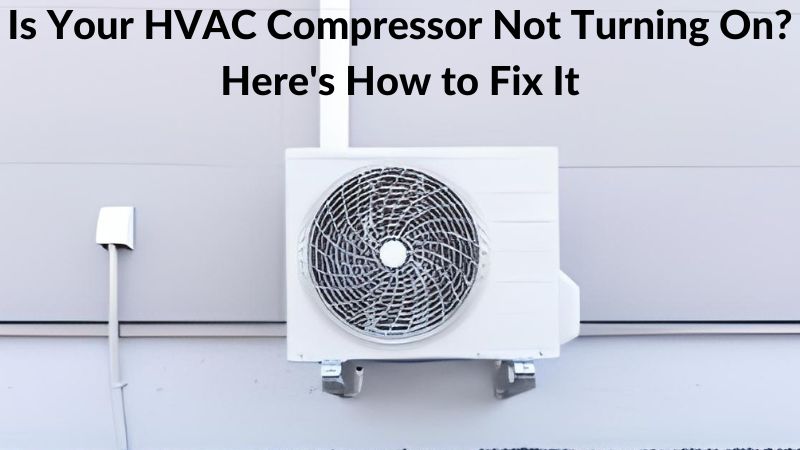
Why Is My Ac Compressor Turning On And Off
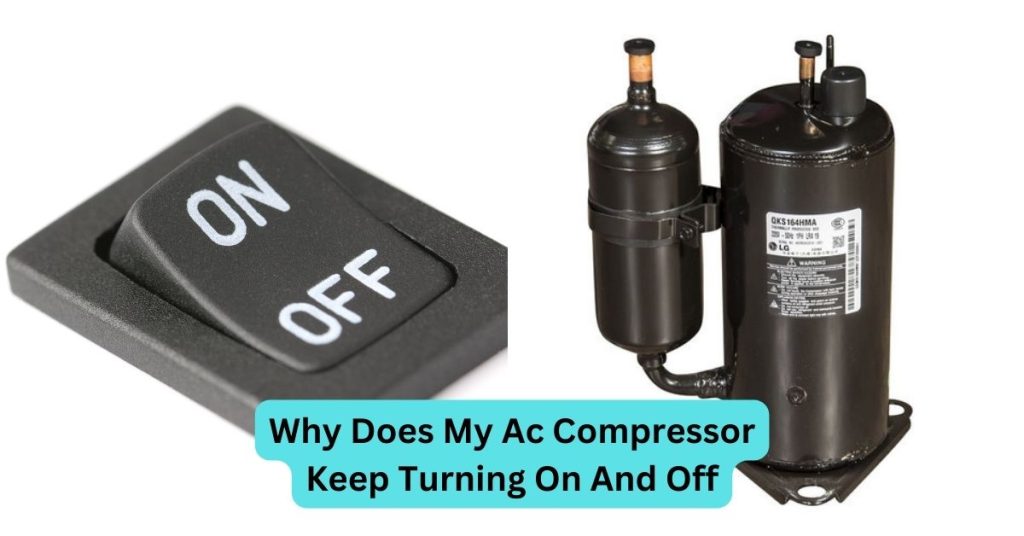
Is your AC compressor cycling on and off rapidly? This common issue, often called short cycling, can be frustrating and lead to uncomfortable temperatures, higher energy bills, and potential damage to your HVAC system. Let's dive into the potential causes and how to troubleshoot them, keeping in mind when it's best to call a qualified HVAC technician.
Understanding Your AC Compressor
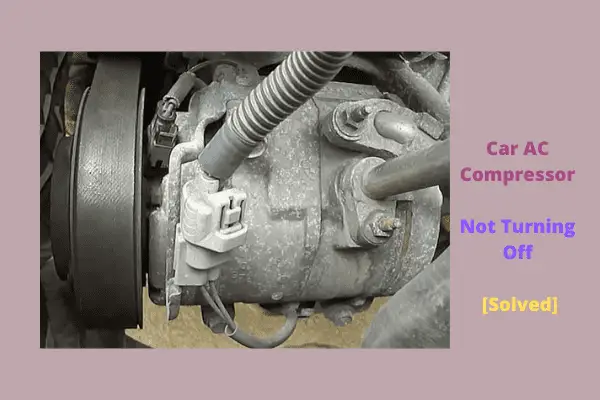
The compressor is the heart of your air conditioning system. It's responsible for compressing the refrigerant and circulating it throughout the system, enabling the cooling process. When it turns on and off frequently instead of running in longer cycles, something is disrupting its normal operation.
Common Causes of AC Compressor Short Cycling
Several factors can contribute to an AC compressor turning on and off repeatedly. Here’s a breakdown of the most frequent culprits:
Dirty Air Filter
A clogged air filter restricts airflow, causing the evaporator coil to ice up. This ice buildup reduces the compressor's ability to cool efficiently, leading to overheating and short cycling.
DIY Fix:
- Turn off your AC unit at the thermostat.
- Locate the air filter (usually in the return air vent).
- Remove the old filter.
- Install a new, clean air filter with the correct size and MERV rating.
Frozen Evaporator Coil
As mentioned, a dirty air filter is a primary cause, but other factors like low refrigerant or a malfunctioning blower motor can also lead to a frozen evaporator coil. Ice insulates the coil, hindering heat transfer and forcing the compressor to work harder and cycle on and off.
DIY Troubleshooting:
- Turn off the AC unit at the thermostat.
- Switch the fan setting to "on" to help melt the ice.
- Check the air filter and replace it if dirty.
- Allow several hours for the coil to completely thaw.
- After thawing, turn the AC back on and monitor its performance. If the problem persists, call a professional.
Refrigerant Leaks
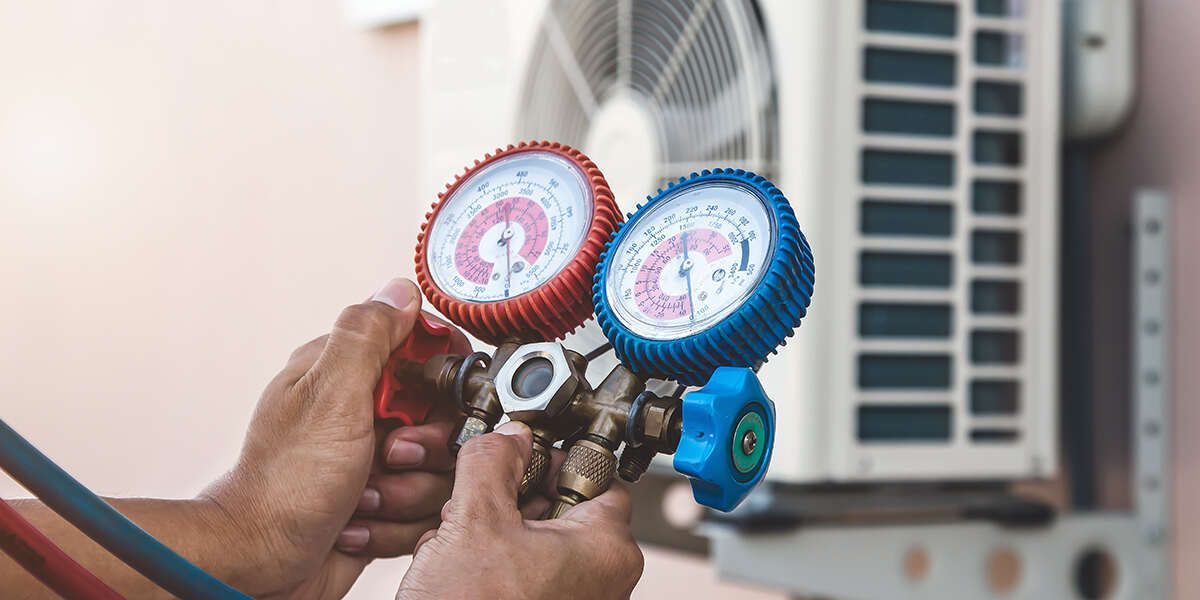
Low refrigerant levels reduce the system's cooling capacity. The compressor has to work overtime to try and reach the desired temperature, which can cause it to overheat and shut down prematurely. This is a more complex issue best left to the professionals.
Warning: Refrigerant leaks can be environmentally harmful and require specialized equipment to repair. Do NOT attempt to handle refrigerant yourself.
Oversized AC Unit
If your AC unit is too large for your home's square footage, it will cool the space too quickly and then shut off. This rapid cycling prevents proper dehumidification and wastes energy.
This often requires professional assessment and potentially replacing the AC unit with a correctly sized one.
Dirty Condenser Coils
The condenser coils, located in the outdoor unit, release heat from the refrigerant. If these coils are dirty or blocked by debris, the heat transfer is reduced, causing the compressor to overheat and short cycle.
DIY Cleaning:
- Turn off the power to the outdoor unit at the disconnect box.
- Remove any debris, such as leaves, grass clippings, or branches, from around the unit.
- Use a garden hose with a gentle spray nozzle to clean the coils from the inside out. Be careful not to bend the fins.
Electrical Issues
Faulty wiring, a weak capacitor, or a failing contactor can interrupt the power supply to the compressor, causing it to cycle on and off erratically. These issues can be dangerous and require a qualified electrician or HVAC technician to diagnose and repair.
Warning: Electrical work can be hazardous. Do NOT attempt to work on electrical components unless you are a qualified professional.
Faulty Compressor
In some cases, the compressor itself may be failing. This is often due to age, overheating, or internal damage. A failing compressor is a major repair and might be more cost-effective to replace the entire AC unit.
This requires professional diagnosis and repair or replacement.
High Head Pressure
High head pressure can happen when there is a restriction in the refrigerant line or the condenser fan is not working properly. When the pressure builds up too high, it can trip the compressor’s safety switch, causing it to shut off.
This is typically a complex issue that requires professional attention.
Thermostat Problems
A malfunctioning thermostat can send incorrect signals to the AC unit, causing it to cycle on and off inappropriately. This could be due to faulty wiring, incorrect settings, or a damaged sensor.
DIY Troubleshooting:
- Check the thermostat settings to ensure they are correct.
- Replace the thermostat batteries (if applicable).
- Ensure the thermostat is clean and free of dust.
- Try resetting the thermostat to its factory settings.
If the problem persists, consider having the thermostat professionally inspected or replaced.
Tools and Parts You Might Need
- Screwdrivers (various sizes)
- Wrench set
- Air filter
- Garden hose with spray nozzle
- Multimeter (for basic electrical testing - use with extreme caution and only if you are comfortable and qualified)
- Thermostat (if replacement is necessary)
When to Call a Professional
While some of the issues above can be addressed with DIY solutions, certain situations warrant calling a qualified HVAC technician. It's best to seek professional help if:
- You suspect a refrigerant leak.
- You are uncomfortable working with electrical components.
- The problem persists after trying basic troubleshooting steps.
- You suspect a major component failure, such as a faulty compressor.
- You are unsure about any aspect of the repair process.
Estimated Repair Costs
Here's a rough estimate of potential repair costs. Keep in mind that prices can vary widely depending on your location, the specific problem, and the contractor you choose:
- Air filter replacement: $10 - $30
- Refrigerant recharge: $200 - $500+ (depending on the amount of refrigerant needed and leak repair)
- Capacitor replacement: $100 - $300
- Contactor replacement: $150 - $400
- Thermostat replacement: $100 - $500+ (depending on the type of thermostat)
- Compressor replacement: $1,500 - $4,000+ (often more economical to replace the entire unit)
- AC unit replacement: $3,000 - $8,000+ (depending on size, efficiency, and complexity of installation)
Note: These are just estimates. Always get a written quote from a reputable HVAC contractor before authorizing any repairs.
Preventative Maintenance
The best way to avoid AC compressor short cycling is to perform regular preventative maintenance. This includes:
- Changing the air filter regularly (every 1-3 months).
- Cleaning the condenser coils annually.
- Having your AC unit professionally inspected and serviced at least once a year.
By staying proactive with maintenance, you can extend the life of your AC system and avoid costly repairs.
Disclaimer: This article provides general information for troubleshooting purposes only. It is not a substitute for professional HVAC advice. Always prioritize safety and consult a qualified technician for complex repairs.