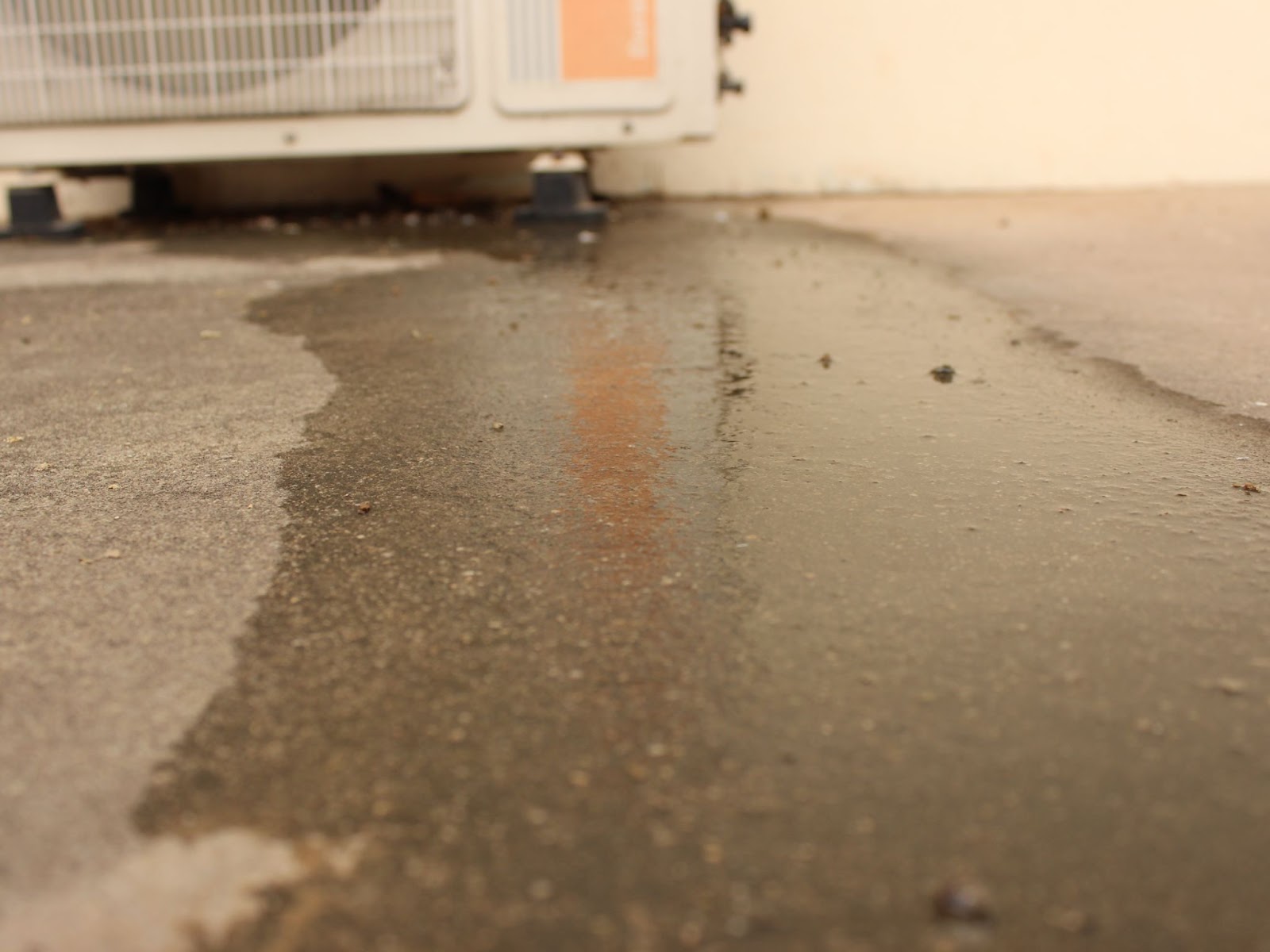
Why Is My Ac Condenser Leaking Water

Finding water around your AC condenser unit, the outdoor component of your air conditioning system, can be concerning. While some condensation is normal, excessive leaking indicates a problem that needs attention. This guide will explain the common causes of water leaks from your AC condenser, help you understand the difference between normal condensation and a real problem, and provide advice on what steps to take.
Understanding Your AC Condenser and Condensation
The AC condenser is responsible for releasing the heat extracted from inside your home. Inside the unit, refrigerant, a special fluid that absorbs and releases heat, cycles through a coil. A fan blows air across the coil, facilitating the heat transfer. This process causes condensation to form, just like a cold glass of water on a hot day.
Normal condensation is usually a small puddle of water that appears beneath or around the condenser unit, especially on humid days. It's a natural byproduct of the cooling process.
Excessive leaking, on the other hand, is a larger volume of water accumulating rapidly or continuously, or water that's originating from unusual locations on the unit. This signifies a malfunction.
Common Causes of AC Condenser Water Leaks
Here's a breakdown of the most frequent reasons your AC condenser might be leaking more water than it should:
1. Clogged Condensate Drain Line
This is the most common culprit. The condensate drain line is a pipe that carries the water collected from the evaporator coil (located inside your air handler) to the outside. Think of it as a tiny river flowing from your indoor unit to the outside near the condenser. If this line becomes blocked with algae, dirt, debris, or even small pests, the water backs up and can overflow. The water may eventually leak from your condenser unit or even back up into your indoor air handler, potentially causing water damage inside your home.
How to identify: Check the area around your indoor air handler for water stains. Look for standing water near the base of your condenser unit. You may also notice a musty smell.
2. Dirty Air Filter
A dirty air filter restricts airflow to the evaporator coil, causing it to get excessively cold. This leads to more condensation than normal and, subsequently, more water for the drain line to handle. If the drain line is already partially clogged, this increased water volume will overwhelm the system.
How to identify: Check your air filter. If it's visibly dirty and dusty, it needs to be replaced. A clean air filter is essential for proper AC operation.
3. Frozen Evaporator Coil
Similar to a dirty air filter, a frozen evaporator coil can occur due to restricted airflow, low refrigerant levels, or a malfunctioning blower motor. When the coil freezes, the melting ice creates a significant amount of water that can overwhelm the drain system and cause leaks near the condenser.
How to identify: If you can access your evaporator coil (usually inside the air handler), visually inspect it for ice buildup. Turn off your AC and allow the ice to melt completely before further troubleshooting.
4. Low Refrigerant Levels
Refrigerant is the substance that absorbs and transfers heat in your AC system. Think of refrigerant as the "blood" of your AC system, carrying heat from inside to outside. Low refrigerant levels can cause the evaporator coil to become too cold, leading to freezing and subsequent leaks as the ice melts.
How to identify: Low refrigerant often presents with other symptoms, such as weak airflow, the AC running constantly, and higher energy bills. You'll likely need a professional to diagnose and repair a refrigerant leak.
5. Damaged or Disconnected Condensate Drain Pan
The condensate drain pan sits beneath the evaporator coil and collects the condensation before it flows into the drain line. If the pan is cracked, rusted, or otherwise damaged, it can leak. Similarly, if the drain line becomes disconnected from the pan, water will spill out.
How to identify: Inspect the drain pan for visible damage or disconnections. This usually requires accessing the air handler.
6. High Humidity
While normal condensation is expected, excessively high humidity can sometimes contribute to more water accumulation than the drain system can handle. This is less likely the sole cause of a major leak but can exacerbate existing issues.
How to identify: Monitor the humidity levels inside your home. If they're consistently high, consider using a dehumidifier.
7. Improper Installation
If your AC system was recently installed, an improper installation could be the cause of the leak. Incorrectly sloped drain lines or a poorly sealed condensate pan can lead to water escaping.
How to identify: This is difficult to diagnose without professional expertise. Contact the installer to inspect the system.
8. Malfunctioning Condensate Pump (If Applicable)
Some AC systems, especially those in basements or areas where gravity drainage isn't possible, use a condensate pump to push the water up and out. If the pump fails, the water will back up and overflow.
How to identify: Listen for the pump running. If it's not operating or is making unusual noises, it may be malfunctioning. Check the pump's reservoir for overflow.
Troubleshooting and Solutions
Here's how to address each of the potential causes:
1. Clearing a Clogged Condensate Drain Line
* DIY Approach: You can try to clear the drain line yourself using a wet/dry vacuum. Locate the drain line opening outside (usually a PVC pipe sticking out of the wall near the condenser). Attach the vacuum to the opening and try to suck out the blockage. You can also try using a stiff wire or pipe cleaner to break up the clog. * Professional Help: If you can't clear the clog yourself, call a qualified HVAC technician. They have specialized tools to remove stubborn blockages.2. Replacing a Dirty Air Filter
* DIY Approach: This is a simple task. Purchase the correct size and type of air filter for your AC system and replace the old one according to the manufacturer's instructions. Aim to replace your filter every 1-3 months, depending on usage and air quality.3. Addressing a Frozen Evaporator Coil
* DIY Approach (Temporary): Turn off your AC system and allow the ice to melt completely. Once melted, check your air filter and replace it if dirty. * Professional Help: If the coil freezes repeatedly, you need to call a professional to diagnose the underlying cause (low refrigerant, blower motor issues, etc.).4. Repairing a Refrigerant Leak
* Professional Help Only: Refrigerant leaks require specialized equipment and expertise to locate and repair. Contact a licensed HVAC technician. Handling refrigerant yourself is illegal and dangerous.5. Repairing or Replacing a Damaged Condensate Drain Pan
* Professional Help: This often requires dismantling part of the air handler. A professional can properly assess the damage and recommend the best course of action.6. Managing High Humidity
* DIY Approach: Use a dehumidifier to lower humidity levels inside your home. Ensure proper ventilation in bathrooms and kitchens.7. Correcting Improper Installation
* Professional Help: Contact the original installer or a qualified HVAC technician to inspect and correct any installation errors.8. Repairing or Replacing a Malfunctioning Condensate Pump
* DIY Approach (If Comfortable): Check the pump's power supply and connections. You might be able to clean the pump's impeller. * Professional Help: If the pump is still not working, it likely needs to be replaced by a professional.When to Call a Professional
While some minor issues, like a clogged drain line or a dirty air filter, can be addressed yourself, it's crucial to call a qualified HVAC technician if:
* You suspect a refrigerant leak. * The evaporator coil is freezing repeatedly. * You're uncomfortable working with electrical components. * You can't identify the source of the leak. * The problem persists after attempting DIY solutions. * You have any concerns about your safety.Ignoring a water leak can lead to more serious problems, such as mold growth, water damage to your home, and costly repairs to your AC system. Addressing the issue promptly will save you time, money, and headaches in the long run.
Regular maintenance, including cleaning or replacing air filters and having your AC system professionally inspected annually, can help prevent many of these problems from occurring in the first place. Preventative care helps ensure your AC operates efficiently and avoids costly failures.