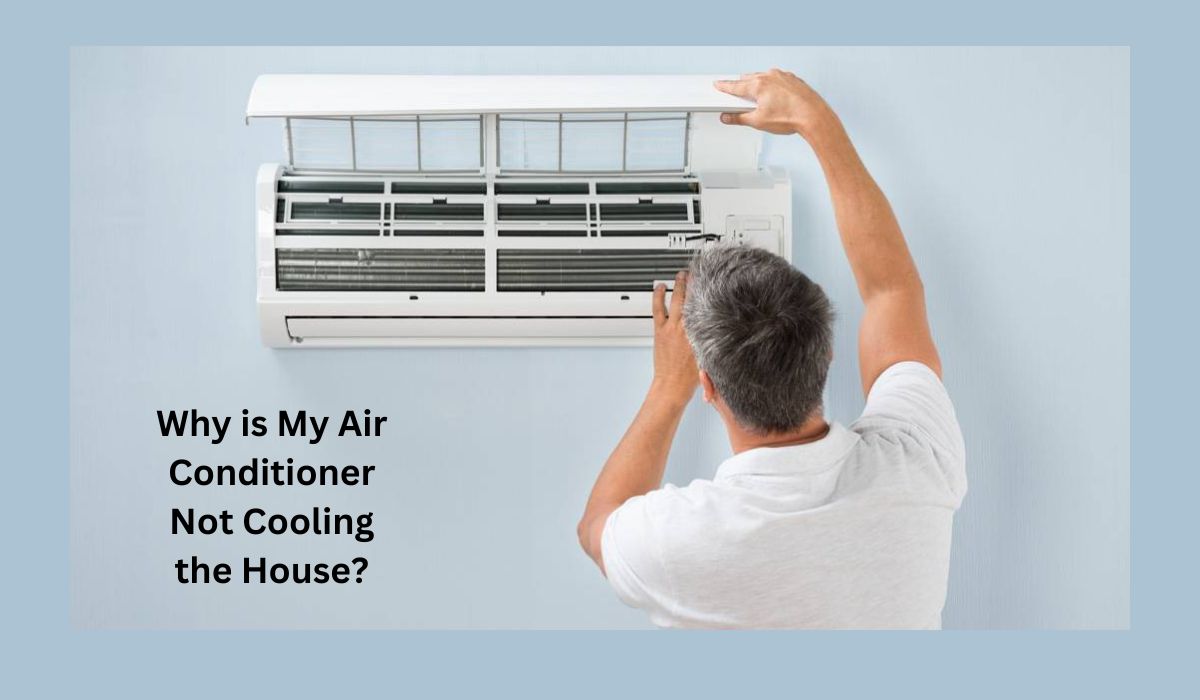
Why Is My Ac Not Cooling The House

Coming home to a stuffy, uncomfortably warm house when you expect a blast of cool air from your air conditioner is incredibly frustrating. There are many potential reasons why your AC isn't cooling your house as effectively as it should. This guide will walk you through common causes and possible solutions, helping you diagnose the problem and determine if you can fix it yourself or need to call a professional.
Understanding the Basics of AC Operation
Before diving into the specifics, it's helpful to understand how your air conditioner works. An AC unit doesn't actually *create* cold air. Instead, it removes heat from inside your home and transfers it outside. This process involves several key components:
- Refrigerant: Think of refrigerant as the "blood" of your AC system. It's a special fluid that absorbs heat from inside your house and releases it outside.
- Compressor: The compressor is the heart of the system, responsible for pressurizing the refrigerant, which helps it to absorb and release heat more efficiently.
- Evaporator Coil: Located inside your indoor unit, the evaporator coil is where the refrigerant absorbs heat from the air blowing across it. This cooled air is then circulated throughout your home.
- Condenser Coil: Located in the outdoor unit, the condenser coil releases the heat absorbed by the refrigerant to the outside air.
- Blower Fan: This fan circulates air across the evaporator coil inside and distributes the cooled air through your ductwork. Another fan blows air across the condenser coil to help dissipate heat.
When any of these components malfunction or are hampered, your AC unit's ability to cool your home is compromised.
Common Reasons Why Your AC Isn't Cooling
Let's explore the most frequent culprits behind a poorly performing AC system:
1. Dirty Air Filter
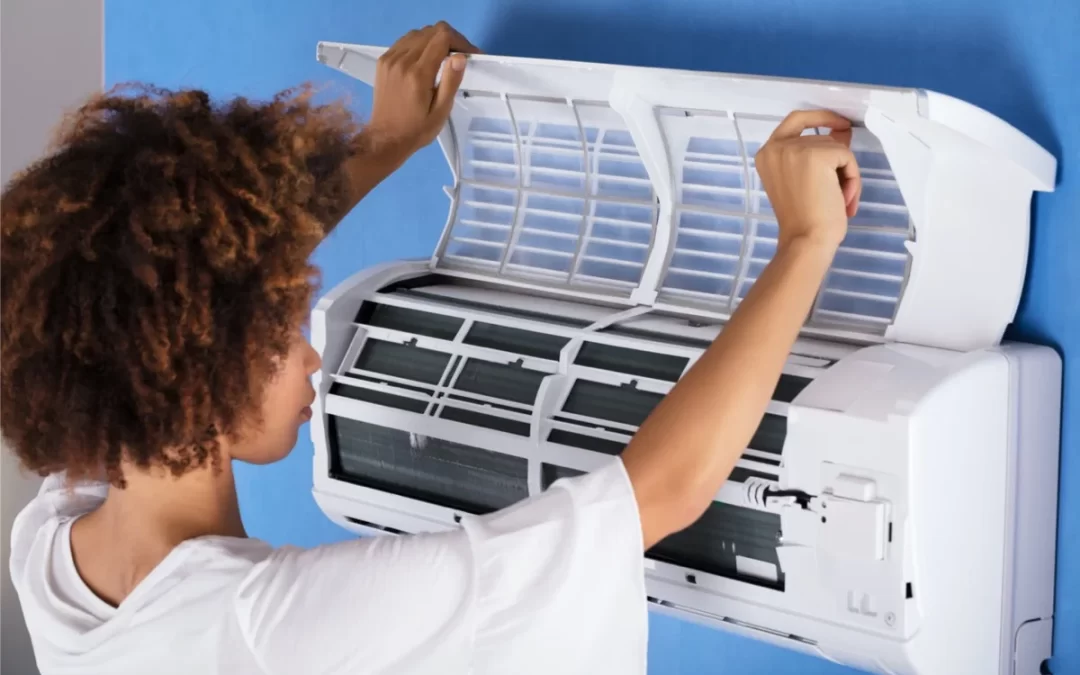
This is often the simplest and most common cause. A dirty air filter restricts airflow to the evaporator coil. When airflow is reduced, the evaporator coil can't effectively absorb heat, leading to reduced cooling capacity and even potential freezing of the coil.
Solution: Check your air filter monthly, especially during peak cooling season. Replace it with a clean filter if it's dirty. A clean air filter also improves the air quality in your home.
2. Clogged Condenser Coil
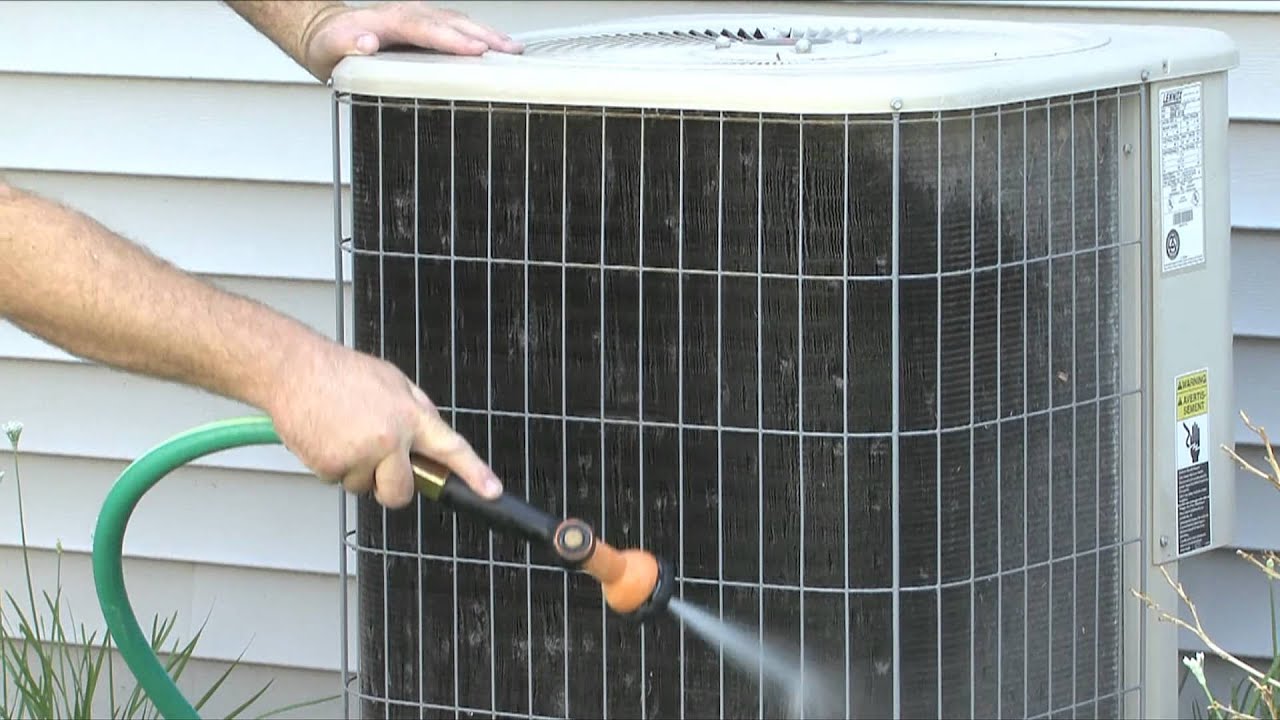
The condenser coil, located in the outdoor unit, releases heat. If it's covered in dirt, debris, leaves, or grass clippings, it can't effectively dissipate heat, causing the AC to work harder and less efficiently. This leads to less cooling and increased energy consumption.
Solution: Turn off the power to the outdoor unit at the breaker. Carefully clean the condenser coil with a soft brush or a garden hose with a gentle spray nozzle. Avoid using high-pressure water, as it can damage the fins.
3. Refrigerant Leaks
If your AC is low on refrigerant, it won't be able to cool effectively. Refrigerant doesn't "get used up"; if your AC is low on refrigerant, it means there's a leak. Leaks can occur in various parts of the system and are often difficult to detect without specialized equipment.
Signs of a Refrigerant Leak:
- AC not cooling adequately
- Ice forming on the evaporator coil
- Hissing or bubbling sound coming from the unit
- Higher than usual energy bills
Solution: Do not attempt to add refrigerant yourself. Refrigerant handling requires specialized tools and certifications. Contact a qualified HVAC technician to locate and repair the leak, and then recharge the system with the proper amount of refrigerant.
4. Frozen Evaporator Coil
A frozen evaporator coil is another common problem. It can be caused by restricted airflow (dirty air filter), low refrigerant levels, or a malfunctioning blower fan. When the coil freezes, it blocks airflow and prevents the AC from cooling properly.
Solution:
- Turn off the AC unit but leave the fan running to help melt the ice.
- Check and replace the air filter if it's dirty.
- If the coil freezes repeatedly, even with a clean filter, contact a qualified HVAC technician to diagnose and repair the underlying issue (e.g., refrigerant leak, blower motor problem).
5. Ductwork Leaks
If your ductwork is leaky, the cooled air can escape before it reaches the intended rooms. This is like trying to fill a bucket with holes – you're wasting energy and not getting the desired cooling effect.
Solution: Inspect your ductwork for visible leaks, especially at joints and seams. Seal any leaks with duct tape (although metal foil tape is preferred for a more permanent solution) or duct sealant. For significant ductwork issues, consider hiring a professional to inspect and repair or replace the ductwork.
6. Thermostat Problems
A faulty thermostat can prevent your AC from operating correctly. It might not be reading the temperature accurately, or it might not be signaling the AC to turn on or off properly.
Solution:
- Check the thermostat batteries and replace them if needed.
- Make sure the thermostat is set to "cool" and the temperature is set lower than the current room temperature.
- Ensure the thermostat is clean and free of dust.
- Consider recalibrating the thermostat according to the manufacturer's instructions.
- If the thermostat is old or malfunctioning, replace it with a new one.
7. Blower Motor Issues
The blower motor circulates air across the evaporator coil and throughout your ductwork. If the blower motor is weak, failing, or has a bad capacitor, it won't be able to move enough air to cool your home effectively.
Solution: A failing blower motor often makes unusual noises or struggles to start. It requires professional diagnosis and repair or replacement. Contact an HVAC technician.
8. Compressor Problems
The compressor is a crucial component of the AC system. If it's failing, the AC won't be able to cool properly. Compressor failures can be caused by overheating, electrical problems, or refrigerant issues.
Solution: Compressor problems are complex and almost always require professional diagnosis and repair or replacement. Compressor replacement is a major repair and may be costly. An HVAC technician can assess the situation and advise you on the best course of action.
9. Over or Undersized AC Unit
If your AC unit is too small for your home, it will struggle to cool the space adequately, especially on hot days. Conversely, if it's too large, it may cool too quickly and cycle on and off frequently, leading to poor humidity control and increased wear and tear.
Solution: An HVAC professional can perform a load calculation to determine the appropriate size AC unit for your home based on factors like square footage, insulation, window size, and climate. If your existing unit is significantly undersized or oversized, replacement with a correctly sized unit may be necessary.
10. Blocked Vents and Registers
Make sure your vents and registers are open and unobstructed. Furniture, rugs, or curtains blocking vents can restrict airflow and reduce cooling efficiency.
Solution: Clear any obstructions from vents and registers to ensure proper airflow throughout your home.
11. Electrical Problems
Electrical issues can prevent the AC from running or affect its performance. This includes tripped circuit breakers, loose wiring, or a faulty capacitor.
Solution: Check the circuit breaker for the AC unit and reset it if it's tripped. If the breaker trips frequently, or if you suspect any electrical problems, contact a qualified electrician or HVAC technician.
When to Call a Professional
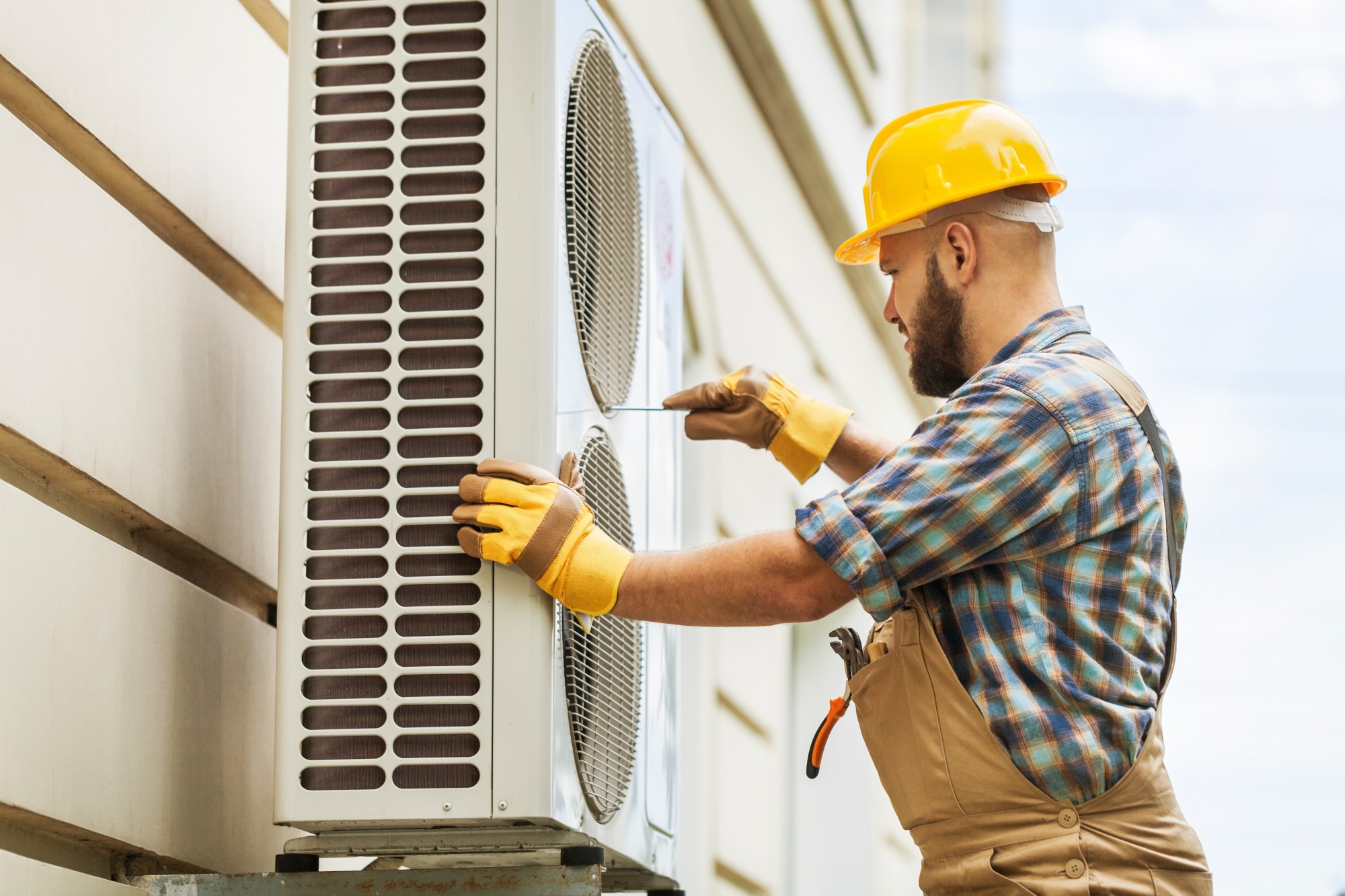
While some AC problems can be resolved with simple DIY solutions, others require the expertise of a qualified HVAC technician. It's best to call a professional if:
- You suspect a refrigerant leak.
- The evaporator coil is repeatedly freezing.
- You hear unusual noises coming from the AC unit.
- You suspect a problem with the compressor or blower motor.
- You are uncomfortable working with electrical components.
- You have tried the DIY solutions and the AC is still not cooling properly.
A professional HVAC technician has the training, tools, and experience to accurately diagnose and repair complex AC problems, ensuring your system is running efficiently and safely.
Preventive Maintenance
The best way to avoid AC cooling problems is to perform regular preventive maintenance. This includes:
- Changing the air filter regularly (at least every 1-3 months).
- Cleaning the condenser coil annually.
- Scheduling annual professional AC tune-ups.
- Keeping the area around the outdoor unit clear of debris.
Regular maintenance can help identify potential problems early, prevent costly repairs, and extend the lifespan of your AC system.
By understanding the common causes of AC cooling problems and taking proactive steps to maintain your system, you can keep your home comfortable and your energy bills under control.