Why Is My Air Conditioner Making A Loud Humming Noise
There's nothing quite as unsettling as a sudden, loud humming noise emanating from your air conditioner, especially on a sweltering day. It can instantly spark anxiety – is it a minor issue, or a major repair looming? Before you panic, know that many humming sounds can be diagnosed and even resolved with a little troubleshooting. This guide will walk you through a systematic approach to identify the source of the hum and explore some simple DIY fixes. Remember, safety is paramount, so if you're ever unsure, calling a professional is always the best course of action.
Step 1: Isolate the Noise – Inside vs. Outside Unit
The first crucial step is to pinpoint whether the humming is coming from your indoor unit (air handler) or your outdoor unit (condenser). This significantly narrows down the potential causes.
- Indoor Unit: If the humming is louder inside your home, near the air handler (often in the attic, basement, or a closet), the problem likely lies within the blower motor, fan, or potentially the ductwork.
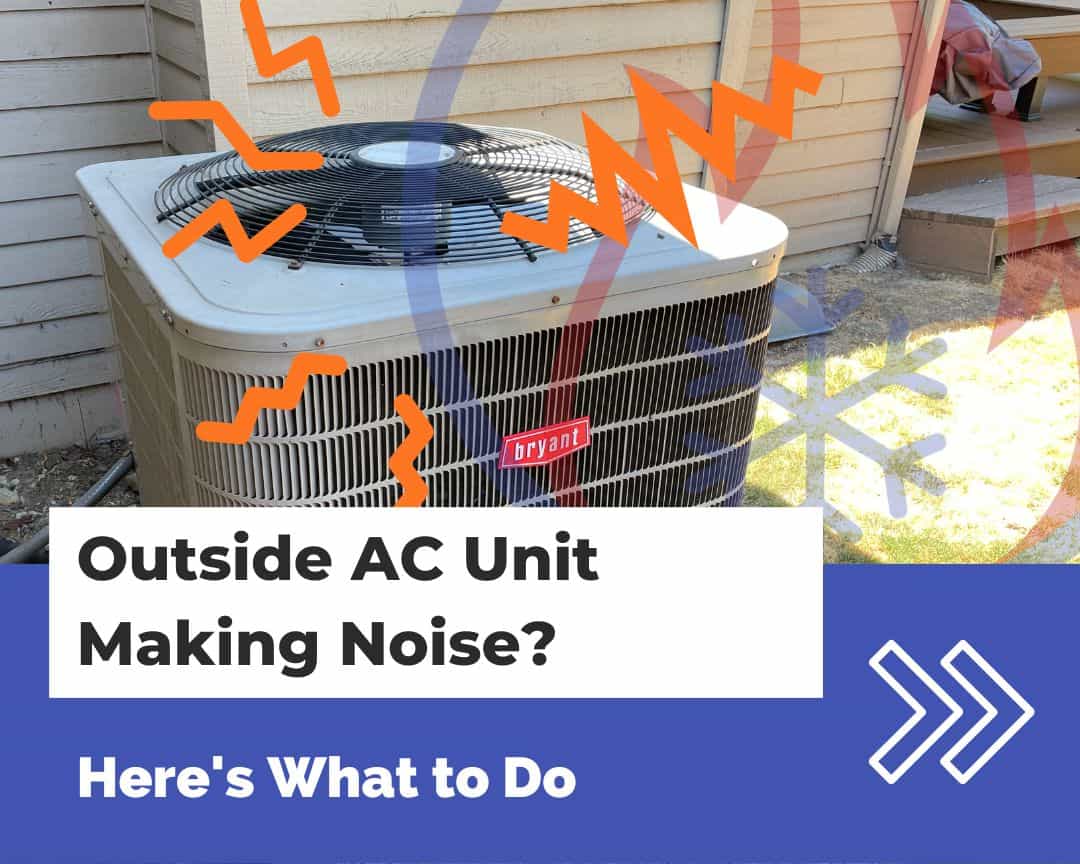
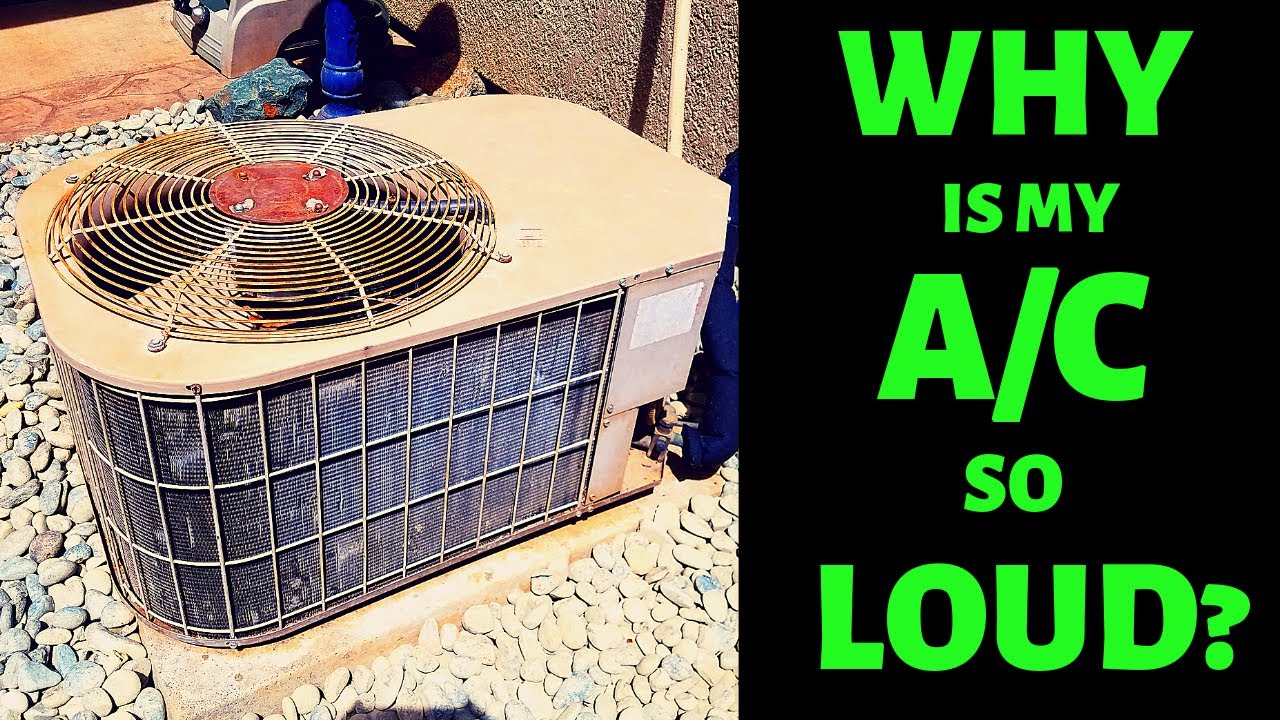
- Outdoor Unit: If the humming is more pronounced outside, near the condenser unit, the issue could stem from the compressor, condenser fan motor, or related components.
Diagnosing the Indoor Unit Hum
Let's start with the more accessible indoor unit. If the hum is coming from inside, follow these steps:
- Turn off the power: Always disconnect power to the air handler at the breaker box before attempting any inspection or repair. Label the breaker clearly to avoid accidental reactivation.
- Access the Air Handler: Remove the access panel to the air handler. This usually involves unscrewing a few fasteners.
- Inspect the Blower Motor:
- Visual Inspection: Look for any obvious signs of damage to the blower motor, such as frayed wires, loose connections, or a burnt smell.
- Debris: Check for debris obstructing the blower fan. Dust, leaves, and other particles can accumulate and cause the fan to become unbalanced, leading to a humming noise. Clean any debris carefully with a brush or vacuum cleaner.
- Lubrication: Some older blower motors have lubrication ports. If so, apply a few drops of electric motor oil to each port. Do not use WD-40, as it's not a lubricant and can damage the motor. Check your unit's manual for specific lubrication instructions.
- Inspect the Blower Fan:
- Spin Test: With the power off and the access panel removed, try to spin the blower fan manually. It should rotate freely and smoothly. If it feels stiff or makes grinding noises, the blower motor bearings might be failing.
- Balance: Check if the blower fan is securely attached to the motor shaft. A loose fan can vibrate and create a humming sound. Tighten any loose screws or bolts.
- Check for Loose Ductwork: Vibrating ductwork can also cause a humming noise. Inspect the duct connections near the air handler and ensure they are properly sealed with duct tape or mastic.
- Reassemble and Test: After inspecting and cleaning, reassemble the air handler, restore power, and turn on the AC. Listen carefully to see if the humming has been reduced or eliminated.
Diagnosing the Outdoor Unit Hum
If the humming is coming from the outdoor unit, the troubleshooting process is a bit more involved, and caution is essential due to the presence of higher voltage components.
- Turn off the power: Disconnect power to the condenser unit at the breaker box and at the disconnect switch located near the unit. Double-check that the power is off before proceeding.
- Inspect the Condenser Fan:
- Debris: Remove any debris (leaves, twigs, grass) from around the condenser fan blades and the coils. Use a garden hose with a gentle spray to clean the coils, spraying from the inside out.
- Obstructions: Ensure that nothing is obstructing the fan's movement.
- Fan Blade Condition: Check the fan blades for any damage, such as bends or cracks. Damaged blades can cause imbalance and noise.
- Spin Test: With the power off, try spinning the fan blades manually. It should rotate smoothly. If it's stiff or makes noise, the condenser fan motor bearings may be failing.
- Inspect the Compressor:
- Visual Inspection: Look for any signs of physical damage to the compressor, such as dents or leaks.
- Listen Closely: If the humming seems to be coming directly from the compressor, it could indicate a more serious issue, such as internal problems or a failing start capacitor.
- Check the Start Capacitor: The start capacitor helps the compressor start. A failing capacitor can cause a humming noise and prevent the compressor from running properly.
- Safety First: Capacitors store electrical charge even after the power is turned off. Never touch a capacitor without first discharging it. This is best left to a qualified technician. If you are comfortable and experienced working with electrical components, you can discharge the capacitor using an insulated screwdriver with a well-insulated handle. Short the terminals of the capacitor. However, proceed with extreme caution.
- Visual Inspection: Look for signs of swelling, bulging, or leaking on the capacitor. A damaged capacitor needs to be replaced.
- Tighten Loose Screws and Panels: Vibrating components can amplify even minor humming noises. Tighten any loose screws or panels on the condenser unit.
- Reassemble and Test: After inspecting and cleaning, reassemble the condenser unit, restore power (first at the disconnect switch, then at the breaker box), and turn on the AC. Observe the unit carefully to see if the humming is reduced or eliminated.
When to Call a Professional
While many humming noises can be resolved with simple DIY troubleshooting, there are certain situations where calling a qualified HVAC technician is essential. Attempting to fix complex issues yourself can be dangerous and could potentially void your warranty.
- Refrigerant Leaks: If you suspect a refrigerant leak (e.g., you see oily residue or ice buildup on the refrigerant lines), do not attempt to fix it yourself. Refrigerant handling requires specialized equipment and training.
- Electrical Issues: If you're not comfortable working with electricity, do not attempt to diagnose or repair electrical problems. This includes issues with the compressor, fan motors, or wiring.
- Compressor Problems: If the humming seems to be coming directly from the compressor and persists after checking the start capacitor, it likely indicates a more serious internal issue. Compressor repairs or replacements should only be performed by a qualified technician.
- Unfamiliar Noises: If the humming is accompanied by other unusual noises, such as grinding, clicking, or hissing, it could indicate a more complex problem that requires professional diagnosis.
- Persistent Humming: If you've tried the DIY troubleshooting steps and the humming persists, it's best to call a professional. Continuing to run the AC with an unresolved issue could lead to further damage.
- Warranty Concerns: If your AC unit is still under warranty, attempting DIY repairs could void the warranty. Contact the manufacturer or a qualified technician to ensure that any repairs are covered.
Specifically, if you encounter any of the following, call a professional immediately:
- Any sign of electrical arcing or burning smells.
- Refrigerant leaks.
- You are uncomfortable working with electricity.
- You are unsure about any step in the troubleshooting process.
Preventative Maintenance
The best way to avoid air conditioner humming and other problems is to perform regular preventative maintenance. Here are some key steps:
- Clean Air Filters Regularly: Dirty air filters restrict airflow, causing the AC unit to work harder and potentially overheat. Replace or clean your air filters every 1-3 months, or more often if you have pets or allergies.
- Clean the Condenser Coils: Dirty condenser coils reduce the AC unit's efficiency. Clean the coils annually with a garden hose and a coil cleaning brush.
- Trim Vegetation: Keep vegetation trimmed back from the condenser unit to ensure proper airflow.
- Schedule Professional Maintenance: Schedule an annual tune-up with a qualified HVAC technician. They can inspect the system, clean the coils, lubricate moving parts, and identify any potential problems before they become major issues.
By following these troubleshooting steps and preventative maintenance tips, you can often resolve air conditioner humming noises and keep your AC unit running smoothly for years to come. Remember to prioritize safety and call a professional when needed. A little proactive care can save you money and keep you cool and comfortable all summer long.