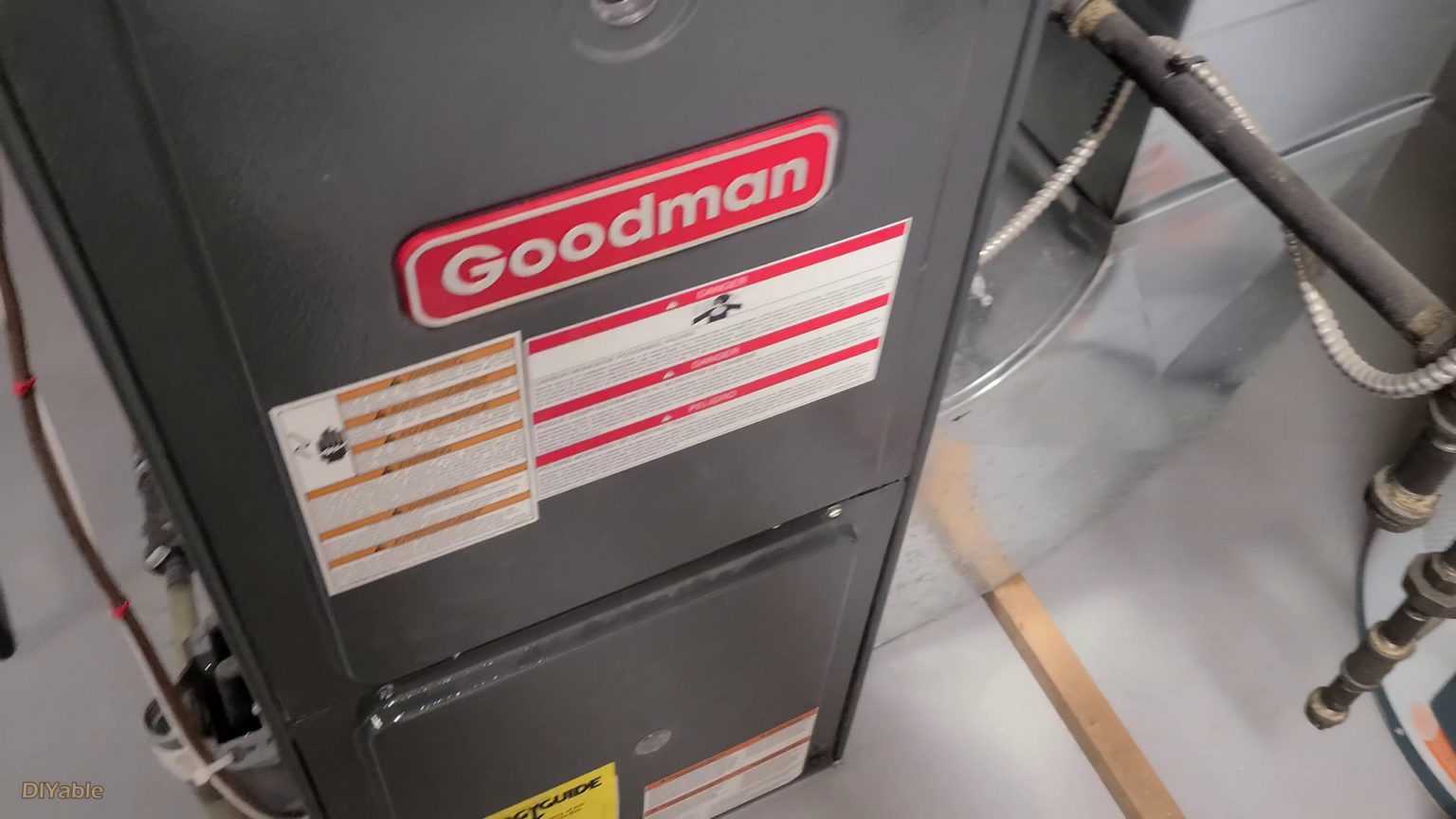
Why Is My Goodman Furnace Leaking Water
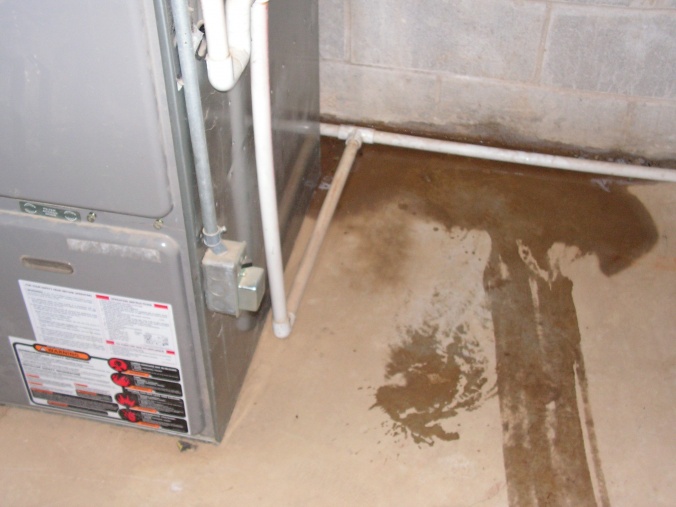
A leaking furnace is never a welcome sight. While it might seem like a major catastrophe, in many cases, the problem is relatively straightforward to diagnose and fix. If you own a Goodman furnace, or are considering purchasing one, understanding the potential causes of a water leak is crucial for preventative maintenance and quick troubleshooting. This guide will walk you through common reasons for a Goodman furnace leaking water, helping you understand the issue and potential solutions.
Understanding Why Furnaces Leak: Condensation Is Key
Modern high-efficiency furnaces, including many Goodman models, operate by extracting as much heat as possible from the combustion gases. This process leads to condensation, as the hot gases cool down. The condensate is then drained away. A leak occurs when this drainage system malfunctions.
The Culprits: Common Causes of Leaks
Here's a breakdown of the most likely reasons your Goodman furnace might be leaking water:
- Clogged Condensate Drain Line: This is the most frequent cause. Debris, algae, or mineral buildup can block the drain line, causing water to back up and overflow.
- Cracked or Damaged Condensate Trap: The condensate trap is a U-shaped pipe designed to prevent combustion gases from escaping through the drain line. Cracks or damage can cause leaks.
- Faulty Condensate Pump: Some furnaces, particularly those installed in basements, use a condensate pump to move the water uphill to a drain. A malfunctioning pump can lead to overflow.
- Blocked or Iced-Up Exhaust Vent: In cold climates, the exhaust vent can become blocked by ice or snow. This restriction can cause condensation to back up into the furnace.
- Heat Exchanger Issues (Rare but Serious): While less common, a leaking heat exchanger can also cause water to drip from the furnace. This is a serious safety concern and requires immediate professional attention.
- Humidifier Issues: If your furnace is integrated with a humidifier, a leak in the humidifier components could be the source of the water.
Diagnosing the Leak: A Step-by-Step Approach
Before calling a professional, you can take a few steps to try and diagnose the problem yourself. Always remember to turn off the furnace at the breaker before inspecting it.
- Inspect the Condensate Drain Line: Locate the drain line (usually a PVC pipe) and check for any visible clogs or kinks. You can try using a wet/dry vacuum to clear any obstructions.
- Examine the Condensate Trap: Look for any cracks or damage to the condensate trap. If you find any, it will need to be replaced.
- Check the Condensate Pump: If your furnace has a condensate pump, make sure it's operating correctly. Listen for the pump running and check if it's properly discharging water.
- Inspect the Exhaust Vent: Check the exhaust vent outside your house for any obstructions, such as ice or snow. Clear any blockages carefully.
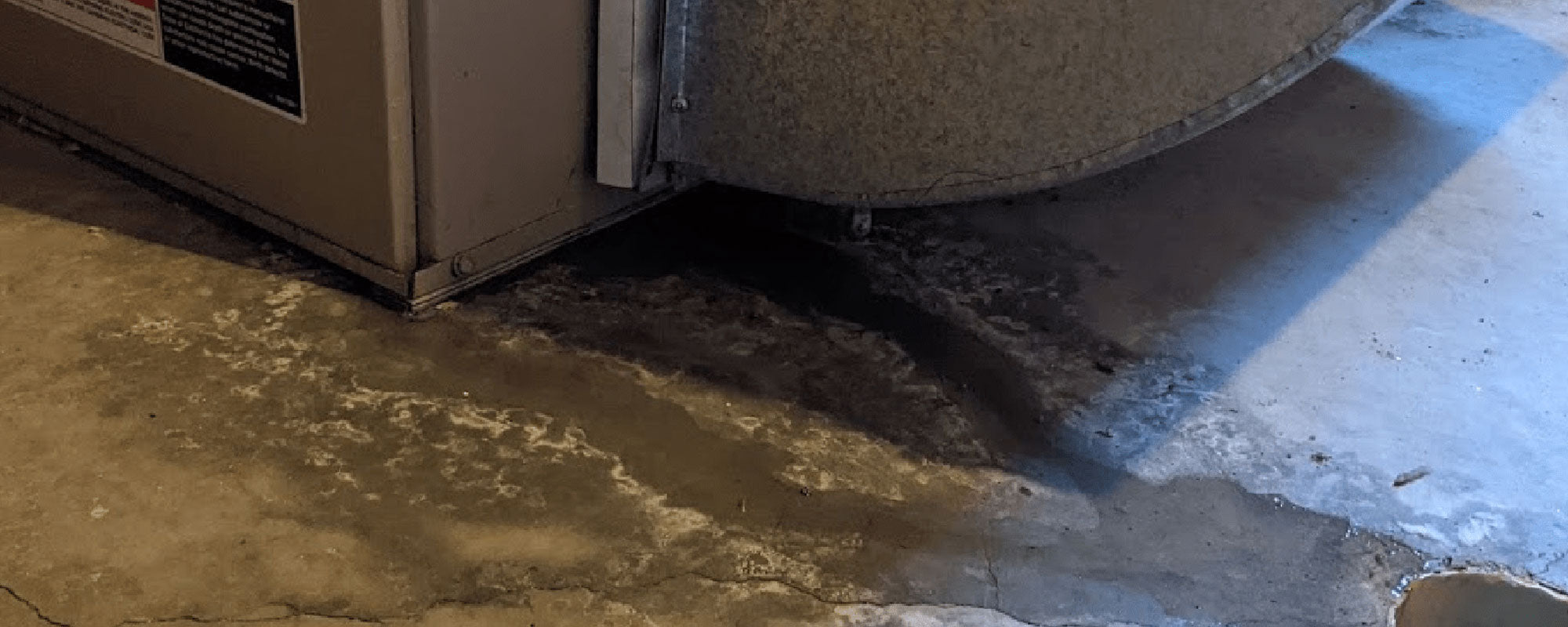
- Look for Obvious Leaks: Visually inspect the furnace for any signs of water dripping from specific components.
Goodman Furnace Models: Features, Efficiency, and Leaks
Goodman offers a wide range of furnaces with varying AFUE (Annual Fuel Utilization Efficiency) ratings. Higher AFUE ratings indicate greater energy efficiency. Some popular models include:
- Goodman GMVM97: This is a high-efficiency modulating furnace with a 98% AFUE rating. Features include ComfortBridge technology for smart home integration.
- Goodman GMVC96: A variable-speed furnace with a 96% AFUE rating. It offers enhanced comfort and energy savings.
- Goodman GMES80: An entry-level furnace with an 80% AFUE rating. It's a more budget-friendly option but less energy-efficient.
While the likelihood of leaks isn't directly tied to specific Goodman furnace models, high-efficiency models with condensate drainage systems are generally more prone to leaks due to the increased condensation they produce. Regular maintenance, regardless of the model, is key to preventing these issues.
Warranty Information and Leak Coverage
Goodman furnaces typically come with a standard 10-year parts warranty. However, some models may offer extended warranties, including lifetime heat exchanger warranties. Be sure to register your furnace after installation to activate the warranty.
The warranty usually covers defects in materials and workmanship, but it doesn't cover issues caused by improper installation, lack of maintenance, or external factors like frozen pipes. Therefore, leaks caused by a clogged condensate drain or a frozen exhaust vent are generally not covered under warranty.
Preventive Maintenance: The Key to Leak Prevention
The best way to avoid furnace leaks is to schedule regular maintenance. Here are some essential maintenance tasks:
- Annual Inspection and Cleaning: Have a qualified HVAC technician inspect and clean your furnace annually. This includes checking the condensate drain, heat exchanger, and other critical components.
- Filter Replacement: Change your furnace filter regularly (every 1-3 months, depending on the type of filter and air quality). A dirty filter can restrict airflow and cause the furnace to overheat, potentially leading to condensation problems.
- Condensate Drain Cleaning: Periodically flush the condensate drain line with vinegar or a commercial drain cleaner to prevent clogs.
- Exhaust Vent Inspection: Regularly check the exhaust vent for any obstructions, especially during winter months.
When to Call a Professional
While some leak issues can be resolved with DIY troubleshooting, it's important to know when to call a professional HVAC technician. Here are some situations where professional help is necessary:
- Suspected Heat Exchanger Leak: A leaking heat exchanger is a serious safety hazard and requires immediate professional attention.
- Uncertainty About the Cause: If you're unable to identify the source of the leak or are uncomfortable working on your furnace, it's best to call a professional.
- Warranty Concerns: If you suspect the leak is covered under warranty, contact a Goodman authorized service provider for assistance.
- Recurring Leaks: If you've addressed a leak issue yourself but it keeps recurring, there may be an underlying problem that requires professional diagnosis and repair.
HVAC Brands: A Quick Comparison to Goodman
Goodman is often positioned as a value-oriented brand, offering competitive pricing compared to premium brands like Carrier and Trane. Here’s a brief comparison:
- Goodman: Known for affordability and a strong warranty. May not have the same level of advanced features as some premium brands.
- Carrier: A top-tier brand with a reputation for innovation and high efficiency. Generally more expensive than Goodman.
- Trane: Another leading brand known for durability and reliability. Similar in price range to Carrier.
- Rheem: A mid-range brand offering a good balance of features and price.
When choosing a furnace, consider your budget, energy efficiency needs, and desired features. While Goodman offers a compelling value proposition, it's essential to weigh the pros and cons against other brands.
Cost Considerations: Repairs vs. Replacement
The cost of repairing a furnace leak can vary depending on the cause and complexity of the repair. Simple fixes, like clearing a clogged drain line, may cost as little as $50-$100. More extensive repairs, such as replacing a condensate pump or heat exchanger, can cost several hundred or even thousands of dollars.
If your furnace is old, inefficient, or requires frequent repairs, it may be more cost-effective to replace it with a new, energy-efficient model. Consider the long-term savings on energy bills and the increased reliability of a new furnace when making your decision.
Making the Right Choice for Your Home
A leaking Goodman furnace can be a frustrating issue, but understanding the potential causes and taking preventive measures can help you avoid problems. Regular maintenance, prompt repairs, and informed decision-making are key to keeping your furnace running efficiently and safely for years to come. Whether you're a homeowner, real estate investor, or contractor, this guide provides valuable insights into troubleshooting and preventing furnace leaks.