Why Is My Propane Stove Flame Orange
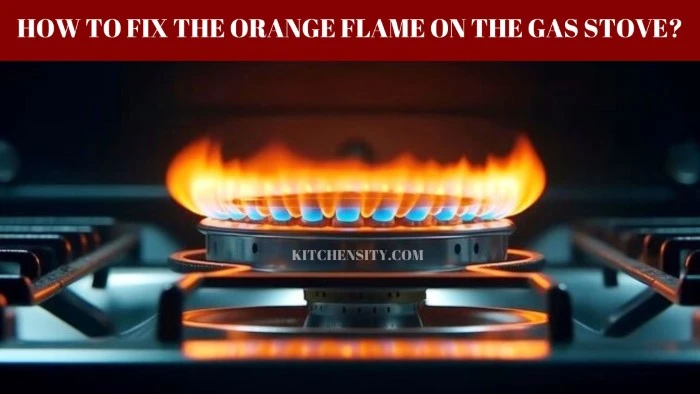
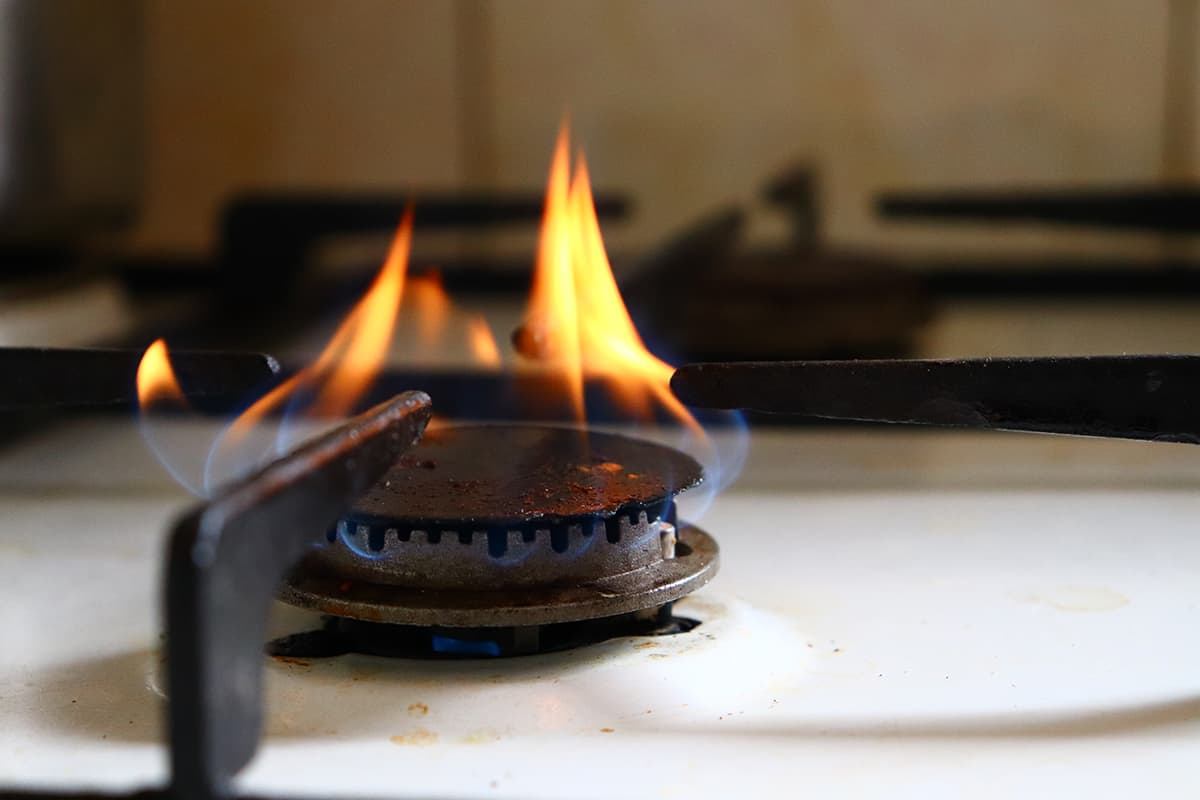
It’s a common scenario: you turn on your propane stove, expecting the familiar blue flame that signifies efficient and clean burning. Instead, you’re greeted with an orange flame. This isn't just an aesthetic issue; it often indicates a problem that could affect your stove's performance and, in some cases, your safety. Don't panic! An orange flame usually points to incomplete combustion, and with a little detective work, you can often pinpoint the cause and resolve the issue yourself. This guide will walk you through a step-by-step troubleshooting process.
Understanding the Orange Flame
Before we dive into troubleshooting, let's understand why a propane stove flame should ideally be blue. A blue flame indicates complete combustion. Propane (C3H8) reacts with oxygen in the air to produce carbon dioxide (CO2) and water (H2O). When the combustion is complete, the flame burns hot and clean, producing minimal soot or harmful byproducts. An orange flame, on the other hand, signals incomplete combustion. This means the propane isn't burning efficiently, and it's likely due to a lack of sufficient oxygen or the presence of contaminants.
The key takeaway: An orange flame is a symptom. We need to identify the underlying cause to restore a healthy blue flame.
Step 1: Rule Out the Obvious – Check the Airflow
The most common cause of an orange flame is insufficient airflow to the burner. Propane stoves need a specific air-to-fuel ratio to burn cleanly. Restricted airflow means the propane isn’t getting enough oxygen for complete combustion.
1.1 Inspect the Burner Ports
Burner ports are the small holes or slots around the burner head where the propane escapes and mixes with air. These ports are prone to becoming clogged with food debris, grease, or dust.
- Turn off the stove and propane supply. Safety first! Locate the propane shut-off valve, usually near the propane tank or the stove connection.
- Allow the stove to cool completely. Burners can remain hot for a while after use.
- Remove the burner grates and burner caps. This will expose the burner heads and the ports.
- Visually inspect the burner ports. Look for any visible blockages.
- Clean the burner ports. Use a thin wire, needle, or burner port cleaning tool (available at most hardware stores) to carefully clear any debris from the ports. Be gentle; avoid enlarging or damaging the ports. Alternatively, a stiff brush (like an old toothbrush) can be helpful.
- Reassemble the burner components. Ensure the burner caps are properly seated on the burner heads.
- Turn the propane supply back on and test the burners. Observe the flame color. Has the orange flame diminished or disappeared?
Important Note: Never use toothpicks or wooden skewers to clean burner ports. They can break off and further obstruct the ports.
1.2 Check the Air Shutter (If Applicable)
Some propane stoves have an adjustable air shutter located near the burner. This shutter controls the amount of air that mixes with the propane before it reaches the burner. If the shutter is closed too much, it restricts airflow and can cause an orange flame.
- Locate the air shutter. It's usually a small, adjustable sleeve or plate near the base of the burner. Refer to your stove's user manual if you're unsure of its location.
- Adjust the air shutter. Carefully open the air shutter slightly. Only make small adjustments at a time.
- Test the burner. Observe the flame color. Continue making small adjustments to the air shutter until the flame turns blue.
- Secure the air shutter. Once you achieve a blue flame, tighten any screws or locking mechanisms to secure the air shutter in its optimal position.
Caution: Avoid opening the air shutter too much, as this can cause the flame to lift off the burner or produce a noisy, fluttering flame.
Step 2: Consider Contaminants in the Air
Even if the airflow is adequate, contaminants in the air can cause an orange flame. These contaminants interfere with the combustion process.
2.1 Check for Drafts
Strong drafts can disrupt the flame and introduce contaminants. Ensure there are no drafts blowing directly onto the stove burners from windows, doors, or ventilation systems.
- Close any nearby windows or doors.
- Turn off ceiling fans or other fans that could be creating drafts.
- Check for drafts around the stove. You can use a lit candle or a smoke stick to detect drafts.
- If you identify a draft source, try to block or redirect it.
- Test the burner. Observe the flame color after addressing any drafts.
2.2 Identify Potential Air Contaminants
Certain household products and activities can release contaminants into the air that can affect the flame color.
- Avoid using aerosol sprays near the stove. Hair spray, cleaning products, and other aerosols can introduce contaminants into the air.
- Ensure proper ventilation while cooking. Using the range hood can help remove smoke and other particles from the air.
- Check for recently cleaned or waxed surfaces. The fumes from cleaning products or waxes can affect the flame color.
- Consider the possibility of dust or pollen in the air. During certain times of the year, increased levels of dust or pollen can contribute to an orange flame.
Think of it this way: Anything that burns incompletely (like dust or aerosols) when mixed with the propane flame will change its color.
Step 3: Investigate the Propane Supply
While less common, issues with the propane supply itself can sometimes contribute to an orange flame. This is especially true if you've recently refilled your propane tank.
3.1 Check the Propane Tank Level
A very low propane tank can sometimes lead to inconsistent pressure and incomplete combustion. While this usually manifests as a weak flame, it can also contribute to an orange hue.
- Check the propane tank gauge. Most propane tanks have a gauge that indicates the fuel level.
- If the tank is nearly empty, refill it.
- After refilling the tank, purge the air from the propane lines. This can usually be done by briefly lighting each burner for a few seconds.
- Test the burner. Observe the flame color after refilling the tank and purging the lines.
3.2 Inspect the Propane Regulator
The propane regulator controls the pressure of the propane flowing from the tank to the stove. A faulty regulator can cause inconsistent gas flow, leading to incomplete combustion.
- Visually inspect the regulator for any signs of damage or corrosion. Look for cracks, leaks, or rust.
- Listen for any hissing sounds near the regulator, which could indicate a leak.
- If you suspect a faulty regulator, do not attempt to repair it yourself. This is a job for a qualified technician.
Important Safety Note: Propane leaks are dangerous. If you suspect a propane leak, immediately turn off the propane supply, evacuate the area, and call your local fire department or a qualified propane technician.
Step 4: Burner Assembly Issues
Sometimes, the problem lies within the burner assembly itself. This is more likely if you've recently disassembled or cleaned the burners.
4.1 Check Burner Alignment
If the burner components are not properly aligned, the propane may not mix correctly with air, leading to incomplete combustion. This is particularly important after cleaning.
- Turn off the stove and propane supply. Safety is paramount!
- Allow the stove to cool completely.
- Carefully remove the burner grates, burner caps, and burner heads.
- Ensure that all burner components are properly seated and aligned. Refer to your stove's user manual for diagrams or instructions on proper assembly.
- Pay close attention to the alignment of the burner cap with the burner head. There should be a proper seal between these two components.
- Reassemble the burner components carefully.
- Turn the propane supply back on and test the burners. Observe the flame color.
4.2 Inspect for Damaged Burner Components
Cracked, warped, or otherwise damaged burner components can disrupt the airflow and propane flow, leading to an orange flame.
- Visually inspect the burner heads and burner caps for any signs of damage. Look for cracks, warps, or corrosion.
- If you find any damaged components, replace them with new ones. You can usually find replacement burner parts online or at appliance repair stores.
- After replacing any damaged components, test the burner. Observe the flame color.
When to Call a Professional
You've followed all the troubleshooting steps, but the orange flame persists. Or, at any point in this process, you feel uncomfortable or unsure about what you're doing. It's time to call a qualified appliance repair technician or a licensed propane professional.
Specifically, seek professional help in these situations:
- You suspect a gas leak. As mentioned earlier, propane leaks are extremely dangerous and require immediate attention.
- You are uncomfortable working with propane gas or appliances. Safety should always be your top priority.
- The propane regulator is faulty. Replacing or repairing a propane regulator requires specialized knowledge and tools.
- The orange flame persists after cleaning the burners and adjusting the air shutter. This could indicate a more complex issue with the stove's gas valve or other internal components.
- You notice a strong odor of propane, even when the stove is not in use.
- You have any doubts or concerns about the safety of your propane stove.
Remember: A propane stove is a powerful appliance. While many minor issues can be resolved with DIY troubleshooting, it's essential to know your limits and seek professional help when needed. A qualified technician can diagnose the problem accurately and perform the necessary repairs safely and effectively, ensuring the continued safe and efficient operation of your propane stove.