Why Is The Ac Not Working
The sudden realization that your air conditioning isn't working can be incredibly frustrating, especially during the peak of summer. Whether you're a homeowner sweating it out or an HVAC technician responding to a service call, understanding the root causes of AC failure is critical. This article explores the common culprits behind a non-functional AC system, the skills required to diagnose and repair them, and how a career in HVAC offers a rewarding path for problem-solvers.
Common Reasons Your AC Isn't Cooling
Several factors can contribute to an air conditioner's malfunction. Identifying the issue quickly can save time, money, and discomfort. Here are some of the most frequent causes:
Refrigerant Leaks
Refrigerant is the lifeblood of your AC, absorbing heat from inside your home and releasing it outside. A leak, even a small one, can significantly reduce cooling efficiency. Common signs of a refrigerant leak include hissing sounds, ice buildup on the evaporator coil, and a gradual decrease in cooling performance. Detecting and repairing refrigerant leaks requires specialized equipment and knowledge. Technicians must be EPA 608 certified to handle refrigerants legally and safely. The EPA sets standards to recover, recycle, and reclaim these substances, as improper handling poses environmental hazards.
Dirty Air Filters
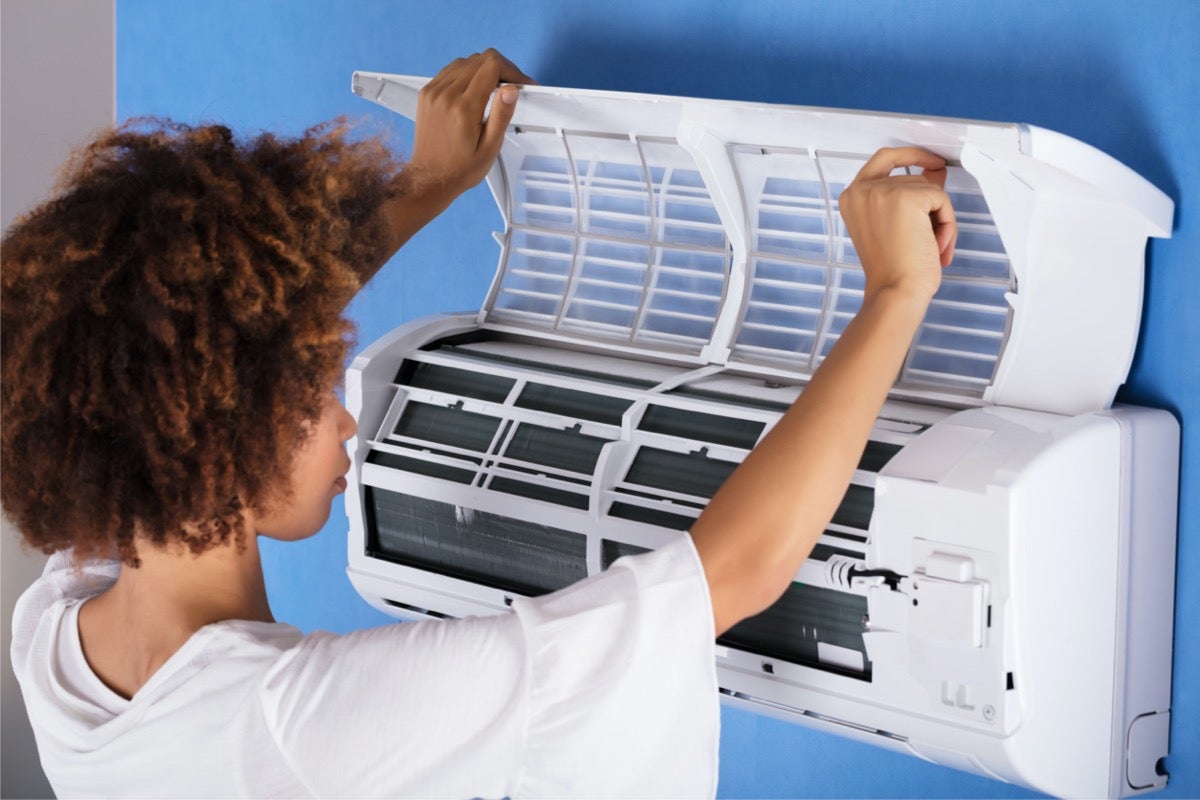
This is arguably the most common cause of AC problems. A clogged air filter restricts airflow, forcing the AC unit to work harder, leading to overheating and potential compressor failure. According to the EPA, replacing dirty filters can lower your AC’s energy consumption by 5-15%. Regular filter replacement (typically every 1-3 months) is a simple and inexpensive preventative measure.
Frozen Evaporator Coil
A frozen evaporator coil often results from restricted airflow (caused by a dirty filter), low refrigerant levels, or a malfunctioning blower motor. When the coil freezes, it can’t absorb heat effectively. Thawing the coil and addressing the underlying cause is necessary to restore cooling.
Faulty Compressor
The compressor is the heart of the AC system, responsible for circulating refrigerant. Compressor failure is a major issue, often requiring a costly replacement. Common causes include overheating, electrical problems, and contamination. Diagnosing compressor issues requires specialized skills and tools. Training programs and certifications like NATE (North American Technician Excellence) equip technicians with the knowledge to tackle these complex repairs.
конденсатор (Capacitor) Issues
Capacitors provide the electrical jolt needed to start and run the compressor and fan motors. A failing capacitor can prevent the AC from starting or cause it to run inefficiently. Replacing a capacitor is a relatively straightforward repair, but it's crucial to handle them with care due to the stored electrical charge.
Dirty конденсатор (Condenser) Coil
The condenser coil releases heat outside. If it's covered in dirt, debris, or vegetation, it can't effectively dissipate heat, leading to reduced cooling capacity and potential compressor damage. Regularly cleaning the condenser coil with a garden hose (avoiding high pressure) can improve efficiency.
Blower Motor Malfunctions
The blower motor circulates air throughout your home. If it fails, air won't be distributed properly, even if the AC unit is cooling. Common issues include motor burnout, capacitor failure, and obstructions in the blower wheel.
Ductwork Leaks
Leaky ductwork can waste a significant amount of cooled air, reducing overall efficiency and driving up energy bills. Sealing ductwork with mastic sealant or metal tape can improve energy efficiency by up to 20%. Identifying ductwork leaks often requires specialized equipment, like thermal imaging cameras.
The HVAC Career Path: A Cool Opportunity
The demand for qualified HVAC technicians is steadily increasing. The Bureau of Labor Statistics projects a growth rate of 6% from 2022 to 2032, about as fast as the average for all occupations. This growth is fueled by new construction, the need to replace aging HVAC systems, and the increasing adoption of energy-efficient technologies. The median annual wage for HVAC mechanics and installers was $59,620 in May 2023. The top 10 percent earned more than $84,910.
Educational Pathways
Several pathways lead to a successful HVAC career:
- Vocational Schools and Trade Programs: These programs provide hands-on training in HVAC fundamentals, including refrigeration, electrical systems, and troubleshooting.
- Apprenticeships: Apprenticeships combine on-the-job training with classroom instruction, providing a comprehensive learning experience. Many unions and contractors offer apprenticeship programs.
- Associate's Degrees: An associate's degree in HVAC technology provides a more in-depth understanding of HVAC systems and can open doors to advanced career opportunities.
Certifications: Demonstrating Expertise
Certifications are highly valued in the HVAC industry, demonstrating competence and professionalism. Some key certifications include:
- NATE (North American Technician Excellence): NATE certification is widely recognized and respected, demonstrating a technician's knowledge and skills in specific areas, such as installation, service, and repair.
- EPA 608 Certification: Required for technicians who handle refrigerants, this certification ensures compliance with environmental regulations.
- HVAC Excellence: Another reputable certification organization that offers various certifications for HVAC technicians.
Career Progression
An HVAC career offers opportunities for advancement. Entry-level technicians may start as installers or maintenance personnel, gradually progressing to more complex service and repair roles. With experience and further training, technicians can become supervisors, project managers, or even business owners.
For example, consider the career path of Maria Rodriguez. Maria started as an HVAC apprentice after completing a vocational program. She earned her NATE certification and EPA 608 certification. After several years of field experience, she became a lead technician, supervising a team of installers. Eventually, Maria started her own HVAC company, specializing in energy-efficient solutions.
The Importance of Continuing Education
The HVAC industry is constantly evolving with new technologies and regulations. Continuing education is essential for technicians to stay up-to-date and maintain their certifications. Topics covered in continuing education courses include new refrigerants, advanced control systems, and energy-efficient HVAC designs.
For Employers: Finding and Retaining Top Talent
Attracting and retaining skilled HVAC technicians is crucial for the success of any HVAC business. Employers should consider the following strategies:
- Offer Competitive Salaries and Benefits: Attracting top talent requires offering competitive compensation packages, including health insurance, retirement plans, and paid time off.
- Provide Training and Development Opportunities: Invest in employee training to enhance their skills and knowledge. Offer opportunities for certification and continuing education.
- Create a Positive Work Environment: Foster a supportive and collaborative work environment where employees feel valued and respected.
- Recognize and Reward Performance: Acknowledge and reward employees for their hard work and contributions.
The HVAC industry offers a stable and rewarding career path for those with the right skills and dedication. Whether you're a student exploring career options or an experienced technician looking to advance your career, the HVAC field offers a wealth of opportunities. By understanding the common causes of AC problems and investing in training and certifications, you can build a successful and fulfilling career in this essential industry. Furthermore, keeping abreast of emerging technologies like smart HVAC systems and geothermal heating will keep you at the cutting edge of the field. Understanding these systems requires expertise in both mechanical and electronic aspects, making continuing education a must for any ambitious HVAC professional.