Why Is There Condensation Inside My Windows

Condensation on the inside of windows is a common issue, especially during colder months. While it might seem like a simple nuisance, understanding the underlying causes is crucial for maintaining a healthy and energy-efficient indoor environment. This article delves into the reasons behind interior window condensation, offering insights for homeowners, HVAC technicians, and facility managers alike.
Understanding the Science Behind Condensation
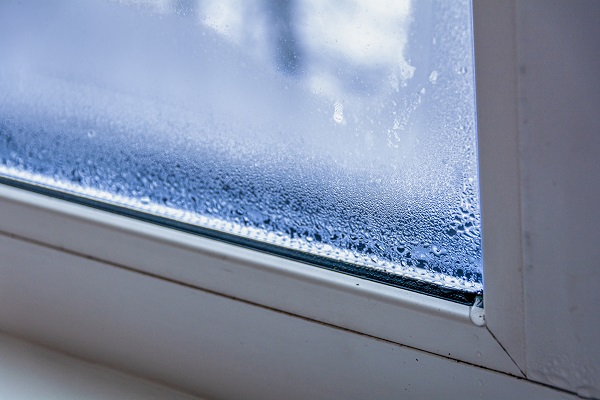
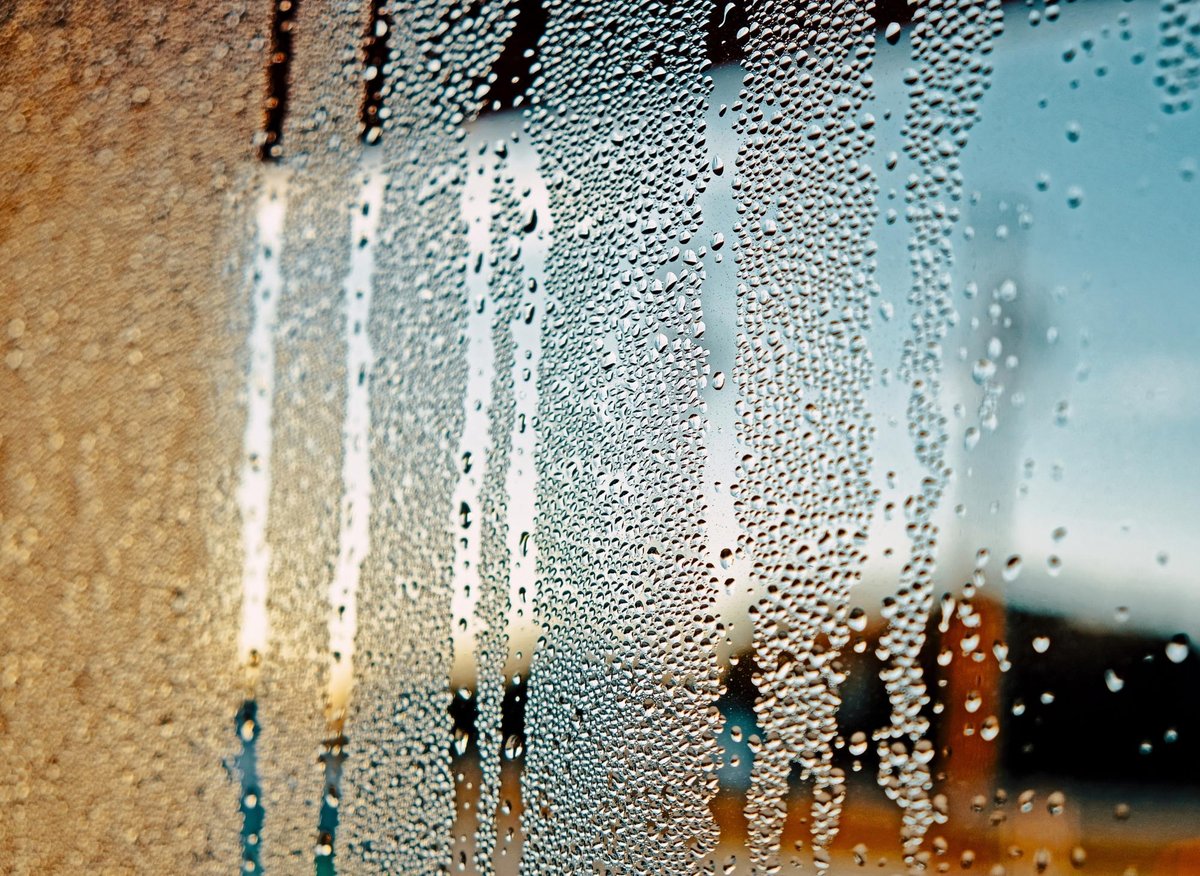
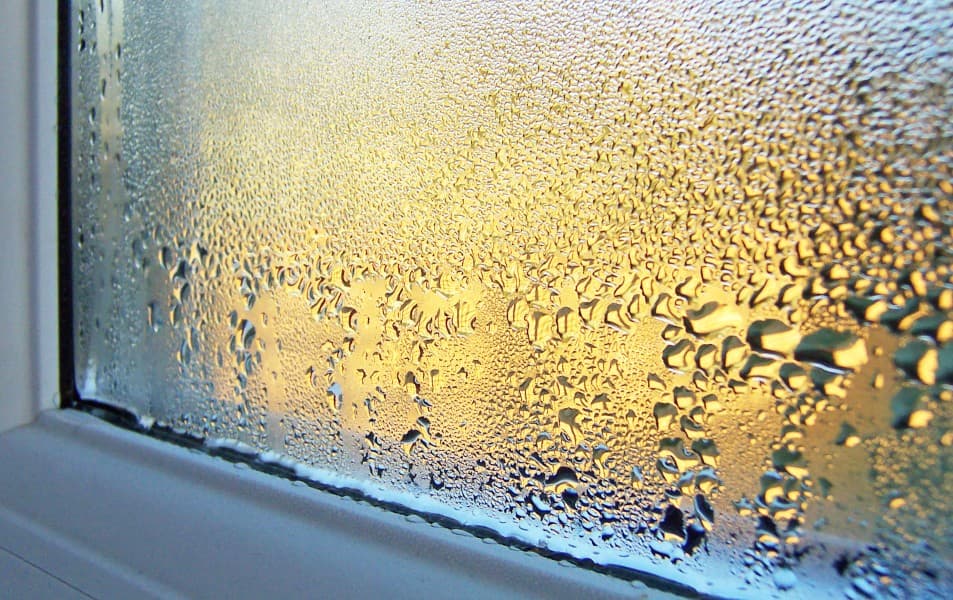
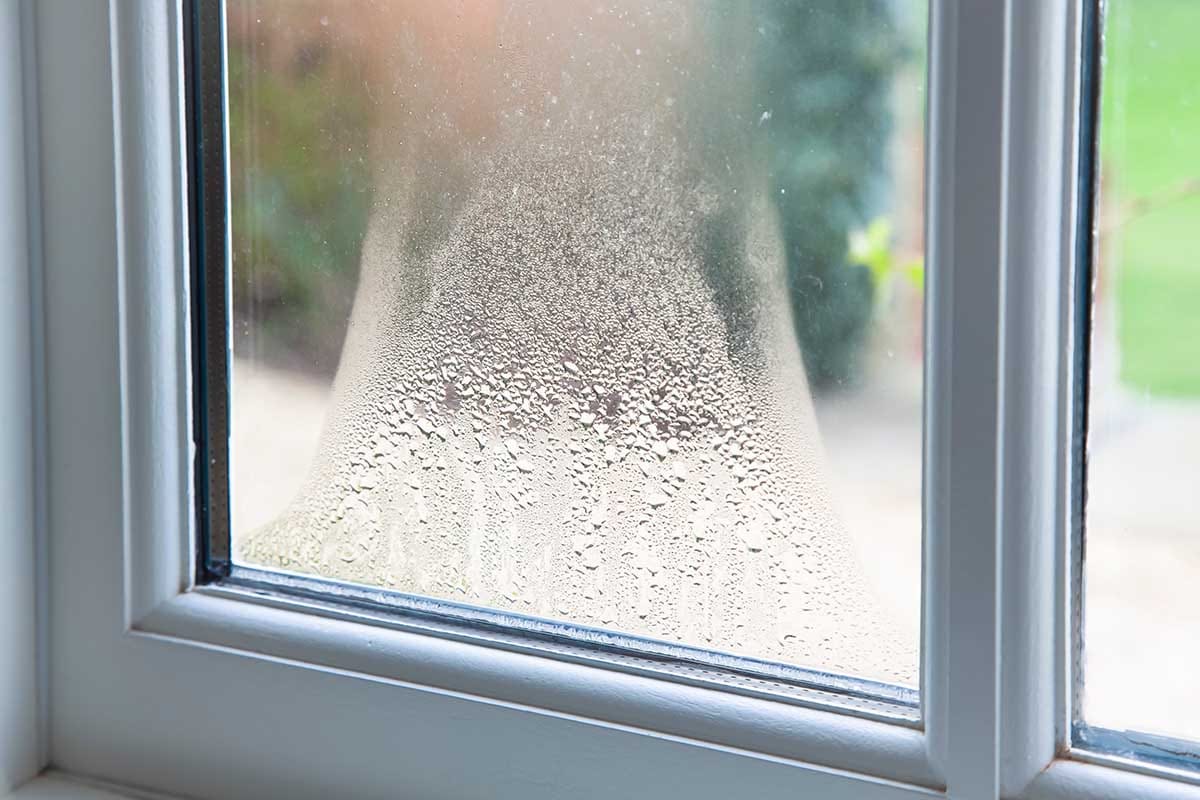
At its core, condensation is a phase change. When warm, moist air comes into contact with a cold surface, like a window, the air cools down. Cooler air can hold less moisture than warmer air. Eventually, the air reaches its dew point – the temperature at which the water vapor in the air condenses into liquid water. This liquid water then appears as condensation on the window surface.
The Role of Relative Humidity
Relative humidity (RH) is the percentage of moisture in the air compared to the maximum amount of moisture the air can hold at a given temperature. The higher the RH, the more likely condensation is to form. Think of a humid summer day: the air is saturated with moisture, making it easy for condensation to occur, even on surfaces that aren't exceptionally cold.
The Impact of Temperature Differences
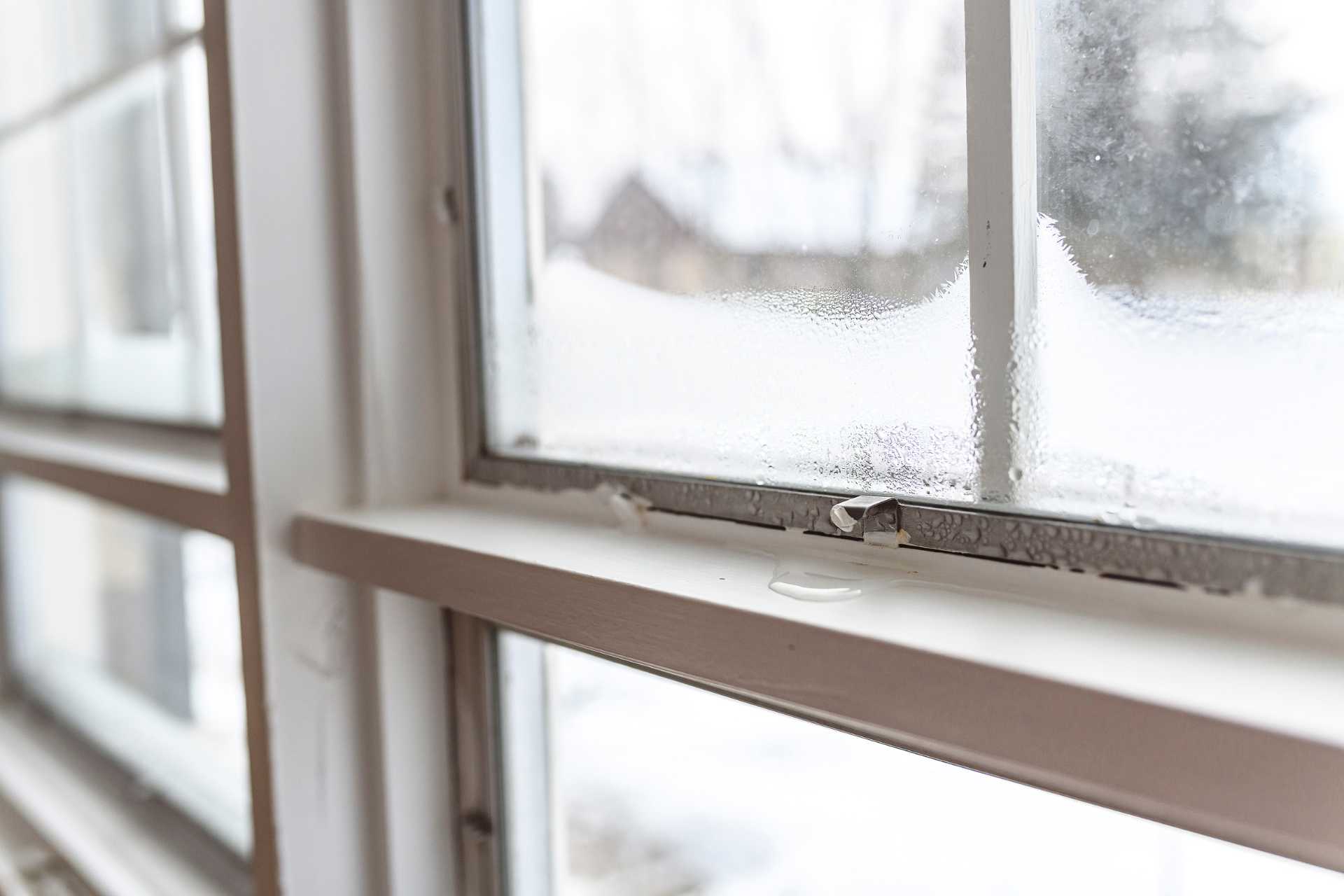
The greater the temperature difference between the inside air and the window surface, the more condensation you'll see. During winter, when outdoor temperatures plummet, the window glass becomes much colder. This creates a significant temperature differential, leading to condensation even if the indoor RH isn't particularly high. Single-pane windows, with their lower insulation value, are particularly susceptible to this issue.
Common Causes of Interior Window Condensation
Several factors can contribute to excessive humidity levels inside a building, leading to condensation on windows. Let's explore some of the most common culprits:
Inadequate Ventilation
Poor ventilation is a primary driver of indoor humidity. Activities like cooking, showering, and even breathing release moisture into the air. Without adequate ventilation, this moisture accumulates, raising the RH and increasing the likelihood of condensation. A poorly ventilated bathroom, for instance, will rapidly become saturated with moisture after a shower, leading to condensation on mirrors and windows. Consider installing or upgrading exhaust fans in bathrooms and kitchens to remove moisture-laden air.
Excessive Indoor Plants
While indoor plants can enhance the aesthetics of a space, they also release moisture into the air through transpiration. A large number of plants can significantly increase indoor humidity levels. Monitor your humidity and adjust the number of plants accordingly or improve ventilation in areas with numerous plants.
Humidifier Use
Humidifiers are designed to add moisture to the air, which can be beneficial in dry climates or during winter when heating systems can dry out the air. However, overusing a humidifier can easily lead to excessive humidity and condensation. Carefully monitor the RH and adjust the humidifier settings accordingly. Aim for a target RH between 30% and 50% during winter months.
Building Construction and Air Leaks
The building's construction plays a significant role in humidity control. Older homes often have more air leaks than newer, well-sealed buildings. These leaks can allow moist outdoor air to enter, contributing to indoor humidity. Conversely, tightly sealed homes can trap moisture inside if ventilation is inadequate. Addressing air leaks through weatherstripping, caulking, and insulation can help reduce moisture infiltration.
Plumbing Leaks
Hidden plumbing leaks, even small ones, can continuously introduce moisture into the building structure, leading to elevated humidity levels and potential condensation problems. Regularly inspect plumbing fixtures, faucets, and pipes for any signs of leaks.
Consequences of Excessive Window Condensation
While condensation might seem like a minor issue, it can have significant consequences for both the building and its occupants:
Mold and Mildew Growth
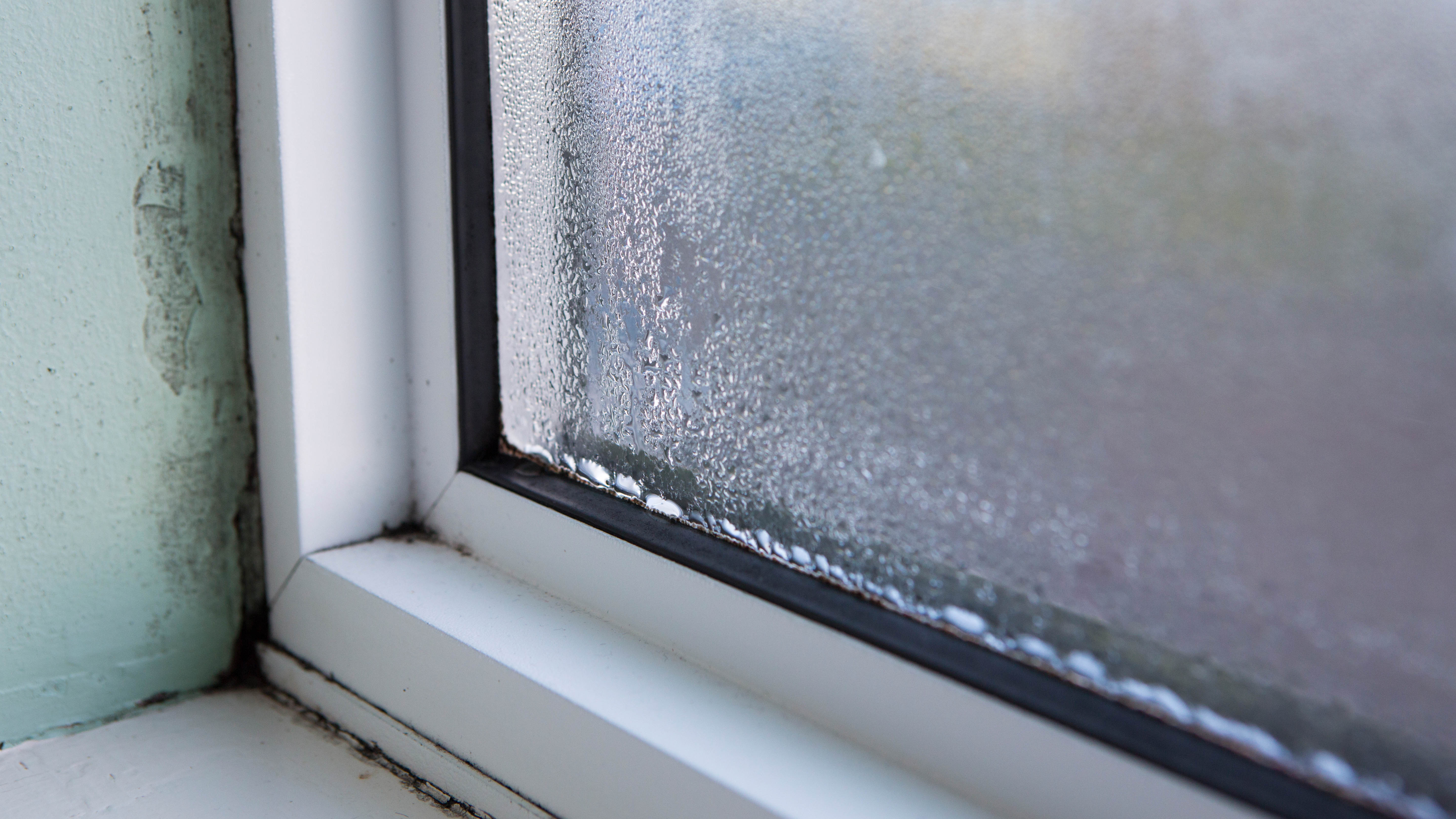
The most significant concern associated with condensation is the growth of mold and mildew. These fungi thrive in moist environments and can quickly colonize window frames, walls, and other surfaces. Mold and mildew can cause health problems, including allergic reactions, respiratory issues, and asthma exacerbation. It also damages building materials, requiring costly remediation.
Damage to Window Frames and Surrounding Materials
Prolonged exposure to moisture can damage window frames, sills, and surrounding wall materials. Wood can rot, paint can peel, and drywall can crumble. This damage can be expensive to repair and can compromise the structural integrity of the building.
Reduced Energy Efficiency
Condensation can reduce the insulating value of windows. The moisture acts as a thermal bridge, conducting heat away from the building and increasing energy consumption. Additionally, persistent condensation can lead to mold growth which will further degrade materials and increase energy loss.
Solutions for Preventing Window Condensation
Fortunately, there are several steps you can take to prevent or minimize window condensation:
Improve Ventilation
Enhancing ventilation is often the most effective solution. Use exhaust fans in bathrooms and kitchens, open windows periodically to introduce fresh air, and consider installing a heat recovery ventilator (HRV) or energy recovery ventilator (ERV). These systems exchange stale indoor air with fresh outdoor air while recovering heat or energy, minimizing energy loss.
Control Indoor Humidity Levels
Monitor indoor humidity levels using a hygrometer and adjust humidifier settings accordingly. Aim for a RH between 30% and 50% during winter months. Dehumidifiers can be used to remove excess moisture from the air.
Upgrade Windows
Replacing single-pane windows with double- or triple-pane windows can significantly reduce condensation. These windows have better insulation values, keeping the window surface warmer and reducing the temperature difference between the inside air and the window. Look for windows with a low U-factor (a measure of heat transfer) and a high Solar Heat Gain Coefficient (SHGC) in climates with significant solar heat gain.
Seal Air Leaks
Caulk and weatherstrip around windows and doors to seal air leaks. This will help prevent moist outdoor air from entering the building and reduce drafts.
Improve Insulation
Proper insulation in walls and attics can help maintain a more consistent indoor temperature and reduce condensation. Ensure that insulation is properly installed and that there are no gaps or voids.
Consider Window Films
While not a perfect solution, applying window films can help increase the surface temperature of the glass, reducing condensation. These films can also provide additional insulation and reduce glare.
For Property Managers: Implementing Preventative Maintenance
For property managers, preventative maintenance is key. Regular inspections for leaks, proper functioning of ventilation systems, and tenant education on humidity control can significantly reduce condensation issues in multi-unit buildings. This also prevents the more damaging consequences, like rot, mold, and structural damage, which cause larger, more expensive repairs in the long run.
Addressing window condensation requires a comprehensive approach, considering ventilation, humidity control, building construction, and window performance. By understanding the underlying causes and implementing appropriate solutions, homeowners, HVAC technicians, and facility managers can create healthier, more comfortable, and energy-efficient indoor environments.

+(1).jpg)