Why Is There Mold In My Air Vents
Why Is There Mold In My Air Vents? Common Questions Answered
Discovering mold in your air vents can be unsettling. This FAQ aims to answer your burning questions and provide clarity on the causes, risks, and what to do about it.
Question 1: What Exactly *Is* Mold, and Why Is It Growing In My Air Vents?
Mold is a type of fungus that thrives in moist environments. It spreads through microscopic spores that are present in the air around us, both indoors and outdoors. Your air vents, especially those connected to your HVAC (Heating, Ventilation, and Air Conditioning) system, provide a perfect breeding ground for mold if the conditions are right. Think of it like this: Mold spores are the seeds, and moisture is the water that helps them grow. The dust and organic matter that naturally accumulate in your vents act as the soil.
Specifically, mold growth in air vents is usually a result of:
- High humidity: Excess moisture in the air condenses inside the ducts, especially during summer months or in humid climates.
- Leaks: Water leaks from roofs, plumbing, or even condensation from the AC system itself can introduce moisture.
- Poor ventilation: Inadequate airflow prevents moisture from evaporating quickly, allowing mold to flourish.
- Dirty air filters: Clogged filters reduce airflow and can trap moisture and dust, fueling mold growth.
- Improper installation: Poorly sealed ductwork allows humid air to enter the system.
Question 2: How Can I Tell If the "Stuff" I See Is *Really* Mold? What Should I Look For?
While a lab test is the only way to definitively confirm the presence of mold, there are several visual and olfactory clues that suggest mold growth in your air vents.
Visual Indicators:
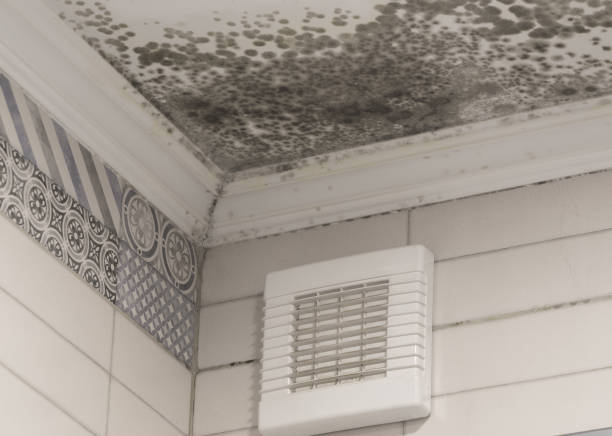
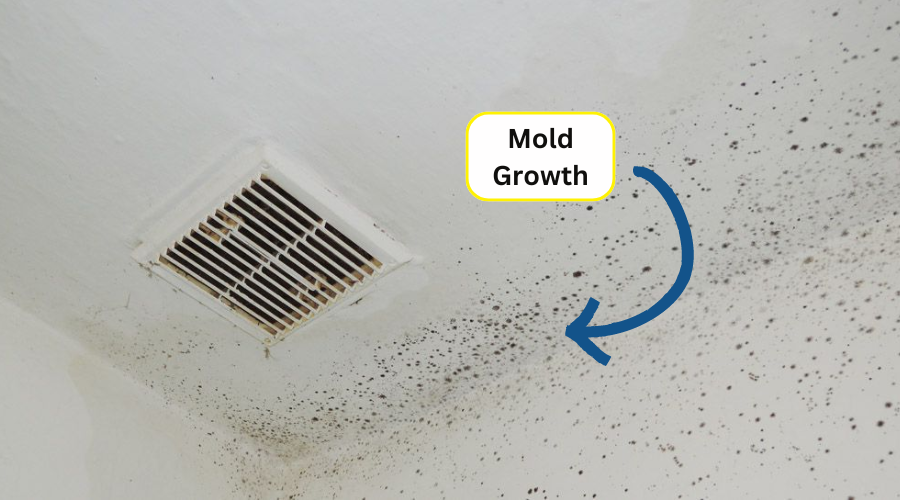
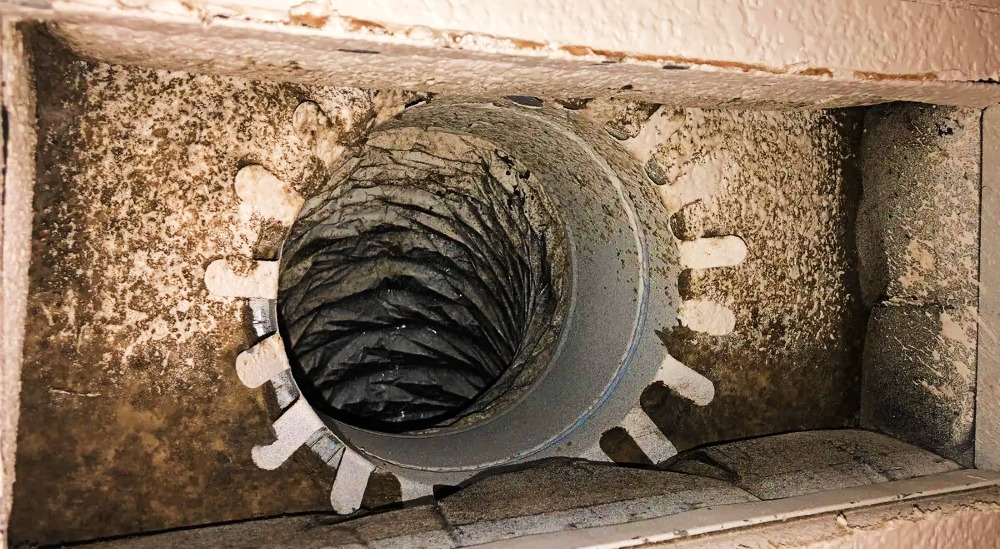
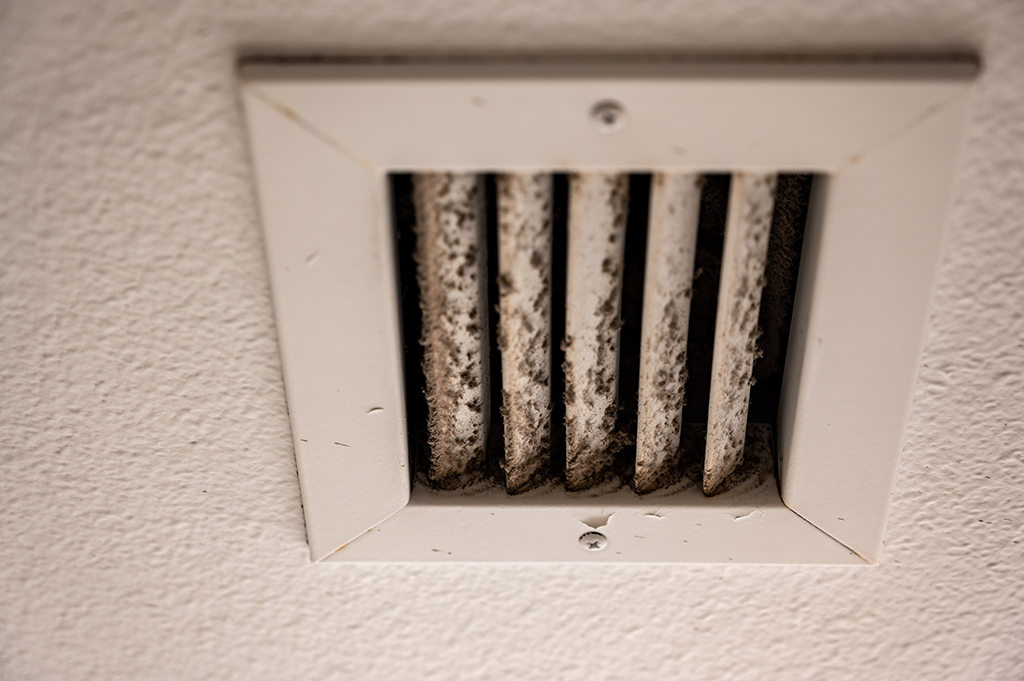
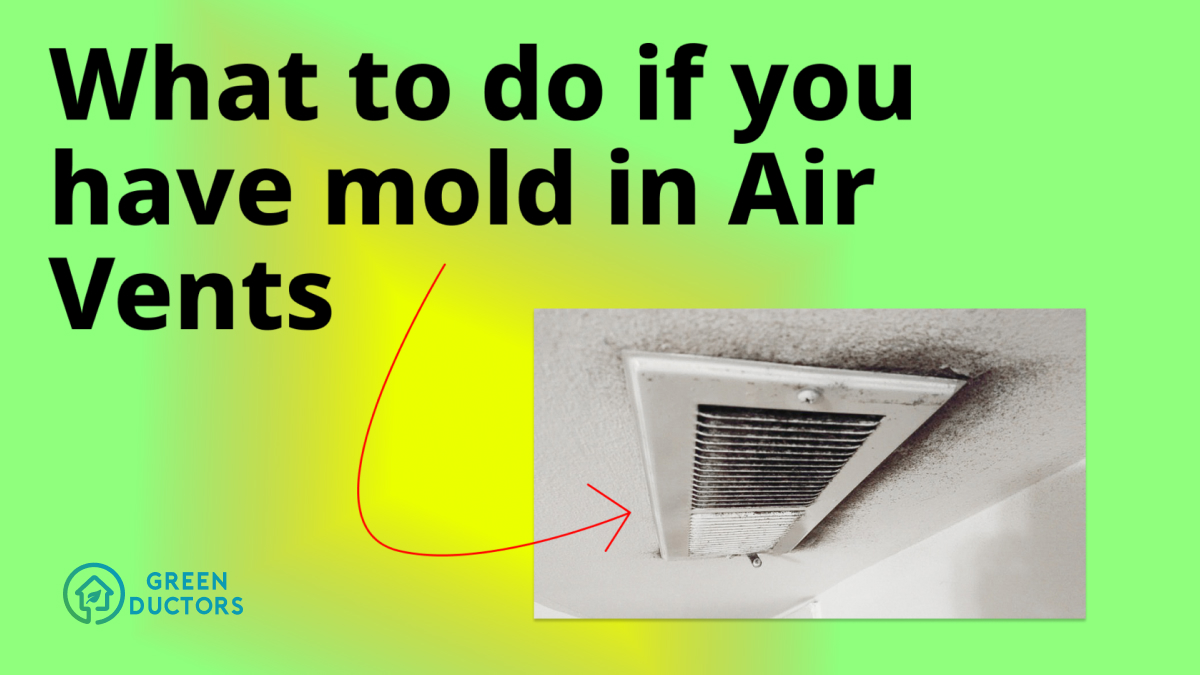
- Visible growth: Look for discolored patches (often black, green, brown, or white) around the vent openings or inside the ductwork. This is the most obvious sign. Use a flashlight to inspect deeper into the vent.
- Stains: Water stains or discoloration on the ceiling or walls around the vents may indicate a leak that's fueling mold growth.
- Dust accumulation: Excessive dust accumulation around vents can harbor moisture and provide a food source for mold. While not mold itself, it can contribute to the problem.
Odor Indicators:
- Musty smell: A persistent musty or earthy odor coming from the vents, especially when the HVAC system is running, is a strong indicator of mold. The smell might be subtle at first but will become more noticeable over time.
Important Note: Not all discoloration is mold. Dust, dirt, and even some types of paint can mimic the appearance of mold. However, if you notice any of the above signs accompanied by a musty odor, it's best to err on the side of caution and investigate further.
Question 3: What Are the *Potential Health Risks* of Mold in Air Vents? Is It Dangerous?
Mold exposure can pose various health risks, especially for individuals with pre-existing respiratory conditions, allergies, or weakened immune systems. The severity of the health effects depends on the type of mold, the extent of the exposure, and individual sensitivity.
Common health effects associated with mold exposure include:
- Allergic reactions: Mold spores can trigger allergic reactions such as sneezing, runny nose, itchy eyes, skin rashes, and hives.
- Respiratory problems: Mold can irritate the airways, leading to coughing, wheezing, shortness of breath, and asthma attacks. It can be particularly problematic for individuals with asthma or other respiratory illnesses.
- Sinus infections: Prolonged exposure to mold can contribute to chronic sinus infections.
- Eye and skin irritation: Mold can cause irritation and inflammation of the eyes and skin.
- Other symptoms: Some people may experience headaches, fatigue, difficulty concentrating, and other non-specific symptoms due to mold exposure.
Important Considerations:
- Specific mold types: Certain types of mold, such as Stachybotrys chartarum (often referred to as "black mold"), are known to produce mycotoxins, which can be particularly harmful. While not all molds produce mycotoxins, it's important to address any mold growth promptly.
- Vulnerable populations: Infants, children, the elderly, and individuals with compromised immune systems are more susceptible to the health effects of mold exposure.
If you suspect mold in your air vents and are experiencing any of these symptoms, it's advisable to consult a doctor. It’s also wise to get the mold professionally tested to know what type it is.
Question 4: Can I *Clean the Mold Myself*? What's the Best Way to Do It?
Whether you can clean the mold yourself depends on the extent of the contamination. If the mold growth is limited to a small area (less than 10 square feet) and you are not sensitive to mold, you may be able to handle the cleanup yourself. However, for larger infestations or if you have health concerns, it's best to hire a professional mold remediation company.
If you choose to clean the mold yourself, follow these precautions:
- Protective gear: Wear appropriate protective gear, including:
- A respirator or N-95 mask to prevent inhaling mold spores.
- Gloves to protect your skin.
- Eye protection (goggles) to prevent mold spores from entering your eyes.
- Old clothing that can be laundered or discarded after cleaning.
- Ventilation: Ensure adequate ventilation by opening windows and doors or using a fan to exhaust air to the outside.
- Cleaning solution: Use a mild detergent and water solution or a commercially available mold cleaner. Avoid using bleach, as it can damage some surfaces and does not effectively kill mold on porous materials.
- Cleaning procedure:
- Turn off the HVAC system to prevent spores from spreading.
- Remove vent covers and clean them thoroughly with the cleaning solution.
- Vacuum the inside of the ductwork with a HEPA (High-Efficiency Particulate Air) filter vacuum to remove loose mold and debris.
- Wipe down the interior surfaces of the ductwork with the cleaning solution.
- Allow the cleaned surfaces to dry completely.
- Replace vent covers.
- Disposal: Dispose of contaminated materials (cleaning supplies, rags, etc.) in sealed plastic bags.
When to call a professional:
- The mold infestation is extensive (more than 10 square feet).
- You are sensitive to mold or have pre-existing respiratory conditions.
- You are unsure about the type of mold or how to clean it safely.
- The mold returns after you have cleaned it.
Question 5: How Can I *Prevent* Mold From Growing in My Air Vents in the Future?
Preventing mold growth is crucial for maintaining a healthy indoor environment. Here are some effective strategies:
- Control humidity: The most important step is to control humidity levels in your home.
- Use a dehumidifier, especially in humid climates or during summer months, to maintain humidity levels below 60%. Ideal humidity is between 30-50%.
- Ensure proper ventilation in bathrooms and kitchens to remove excess moisture. Use exhaust fans when showering or cooking.
- Repair any water leaks promptly, including roof leaks, plumbing leaks, and condensation from the AC system.
- Regular maintenance:
- Change your air filters regularly (every 1-3 months) to ensure proper airflow and prevent dust accumulation.
- Schedule regular HVAC system maintenance to ensure it's functioning efficiently and to identify and address any potential problems early on.
- Consider having your ductwork professionally cleaned every few years to remove accumulated dust and debris.
- Proper insulation:
- Ensure that your ductwork is properly insulated to prevent condensation from forming on the exterior surfaces.
- Seal any gaps or cracks in your ductwork to prevent humid air from entering the system.
- Inspect regularly:
- Regularly inspect your air vents for signs of mold growth or water stains.
- Pay attention to any musty odors coming from the vents.
- Use mold-resistant products:
- Consider using mold-resistant paints and building materials in areas prone to moisture, such as bathrooms and kitchens.
Question 6: What Does *Professional Mold Remediation* Involve? What Can I Expect?
Professional mold remediation involves a comprehensive approach to identify, contain, and remove mold from your property. The process typically includes the following steps:
- Inspection and assessment: A qualified mold inspector will conduct a thorough inspection of your home to identify the source and extent of the mold growth. This may involve using specialized equipment, such as moisture meters and air sampling devices.
- Containment: The affected area will be contained to prevent mold spores from spreading to other parts of the house. This may involve using plastic sheeting and negative air pressure machines.
- Mold removal: The mold will be removed using specialized equipment and techniques, such as HEPA vacuuming, antimicrobial treatments, and source removal (e.g., removing and replacing mold-contaminated drywall).
- Cleaning and disinfection: All affected surfaces will be cleaned and disinfected to remove any remaining mold spores.
- Drying: The affected area will be thoroughly dried to prevent mold from returning.
- Repairs: Any necessary repairs will be made to address the underlying cause of the mold growth, such as fixing leaks or improving ventilation.
- Post-remediation testing: After the remediation is complete, the air will be tested to ensure that the mold levels have returned to normal.
Choosing a Mold Remediation Company: When selecting a mold remediation company, it's important to choose a reputable and experienced contractor with proper certifications and insurance. Ask for references and read reviews before making a decision.
Question 7: How Much Does *Mold Remediation* Typically Cost?
The cost of mold remediation can vary widely depending on several factors, including:
- The size of the affected area: Larger infestations will generally cost more to remediate.
- The type of mold: Some types of mold are more difficult and costly to remove than others.
- The location of the mold: Mold in hard-to-reach areas, such as behind walls or in crawl spaces, may be more expensive to remediate.
- The materials affected: Porous materials, such as drywall and carpets, may need to be removed and replaced, which will increase the cost.
- The extent of the damage: If the mold has caused significant damage to your property, the cost of repairs will be added to the remediation cost.
- The remediation company: Different companies may charge different rates for their services.
General Cost Estimates:
- Small infestations (less than 10 square feet): $500 - $1,500
- Medium infestations (10-100 square feet): $1,500 - $5,000
- Large infestations (over 100 square feet): $5,000 - $10,000+
Important Note: These are just estimates. It's essential to get a detailed quote from a qualified mold remediation company to determine the actual cost of remediating the mold in your home. Many companies offer free or low-cost inspections.