Why Is There Smoke Coming Out Of My Air Vents
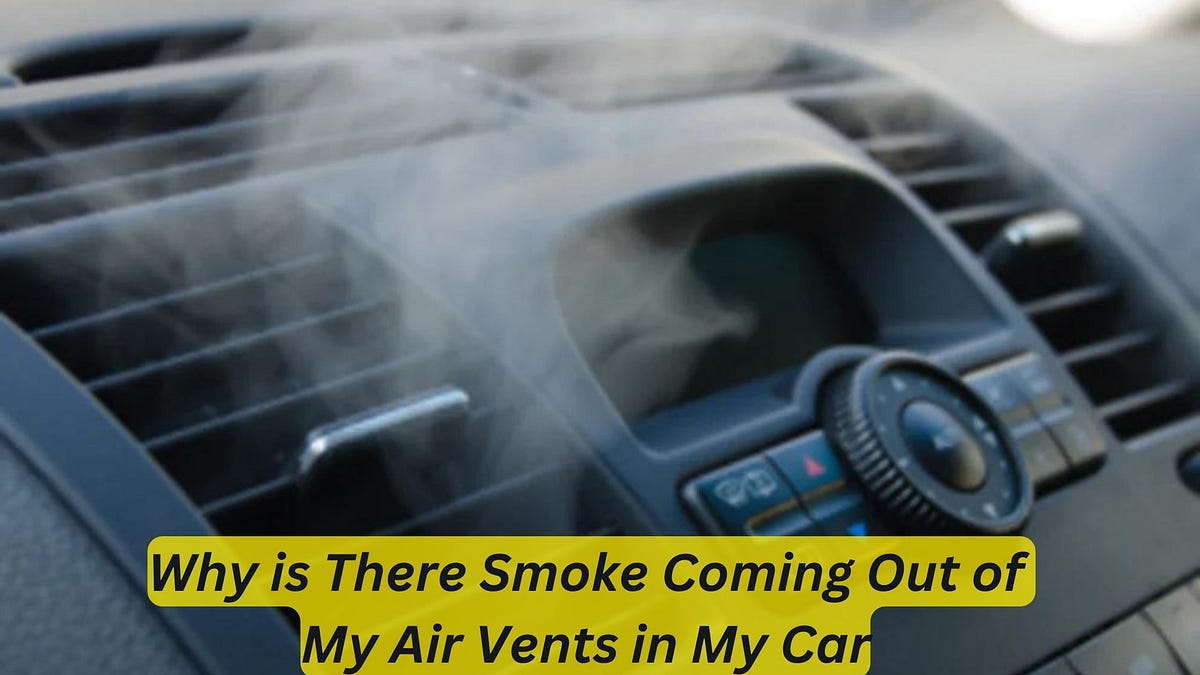
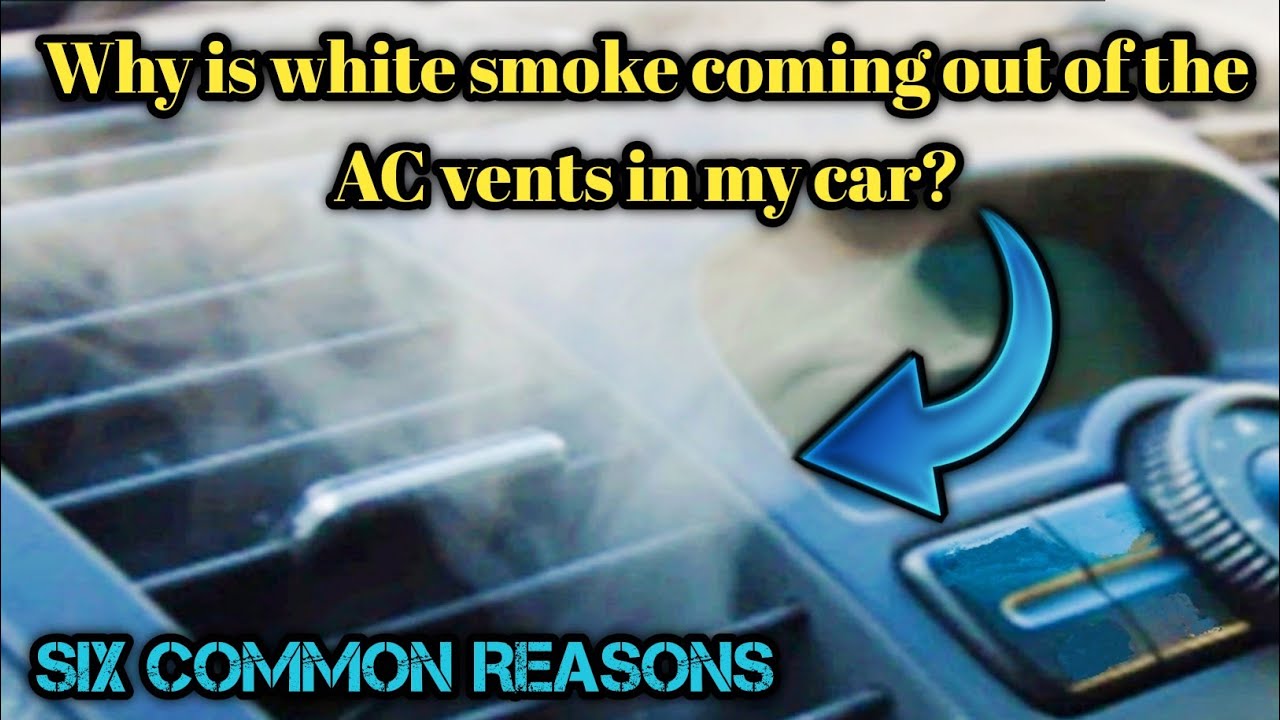
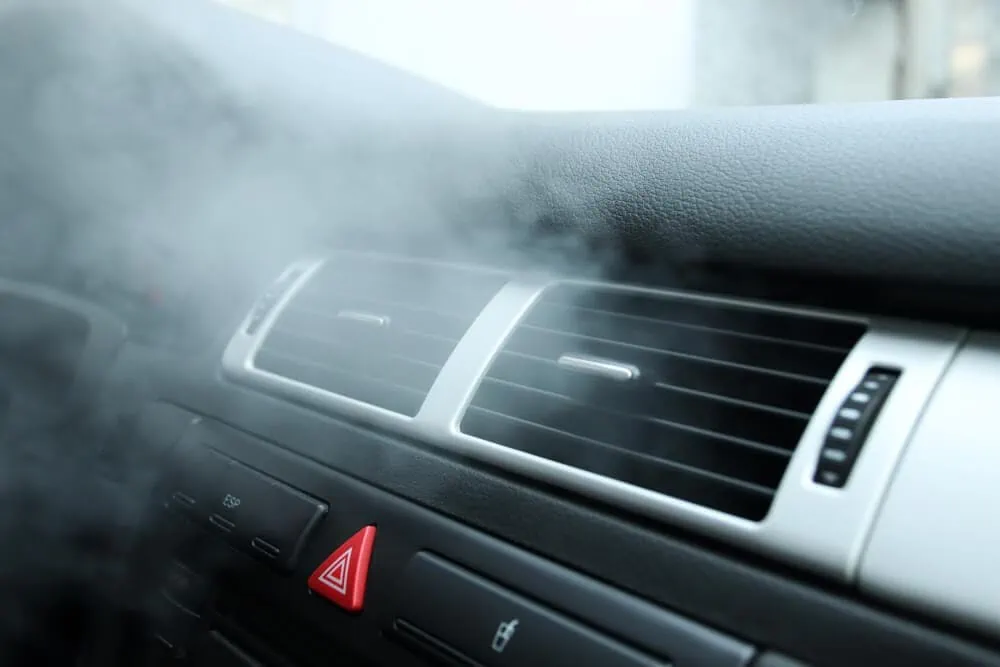
Discovering smoke emanating from your air vents can be a startling and concerning experience. It often signals a problem within your HVAC system that requires immediate attention. This article aims to provide a comprehensive guide to understanding the potential causes of smoke from your air vents, the associated risks, and the necessary steps to take to resolve the issue. Understanding the underlying problems can help homeowners, real estate investors, and contractors make informed decisions about HVAC maintenance and repairs.
Understanding the Basics: Why HVAC Systems Shouldn't Smoke
Before diving into potential problems, it's crucial to understand why a properly functioning HVAC system should never produce smoke. HVAC (Heating, Ventilation, and Air Conditioning) systems are designed to circulate clean, conditioned air throughout your home. They achieve this through a series of components including the furnace (for heating), the air conditioner (for cooling), ductwork, and filters. The combustion process within a furnace is contained and vented outside, ensuring that no harmful byproducts, including smoke, enter your living space. Similarly, air conditioners rely on refrigerant and electricity, not combustion, so they should not produce smoke.
Potential Causes of Smoke From Air Vents
Several issues can lead to smoke or a smoky smell coming from your air vents. Here’s a breakdown of the most common culprits:
1. Furnace Problems
The most frequent cause is a malfunctioning furnace. This is particularly true during the initial heating season startup.
- Burner Issues: A dirty or improperly adjusted burner can cause incomplete combustion, resulting in smoke and carbon monoxide. This is a serious safety hazard.
- Heat Exchanger Cracks: A cracked heat exchanger is a critical problem. It allows combustion gases, including carbon monoxide and smoke, to leak into the air circulating through your home. Carbon monoxide is odorless and deadly.
- Delayed Ignition: If the furnace experiences delayed ignition, gas can build up before igniting with a small explosion, potentially causing a puff of smoke that enters the ductwork.
- Dust and Debris: Accumulated dust and debris can burn off when the furnace is first turned on for the season, creating a brief smoky smell.
2. Electrical Issues
Electrical malfunctions can also cause smoke, though the smell is typically distinct from that of burning fuel.
- Overheated Motor: A failing blower motor or other electrical component can overheat and emit a burning smell and potentially smoke.
- Short Circuit: Electrical shorts in wiring or components can cause burning and smoke. This can be a fire hazard.
3. Ductwork Problems
While less common, issues within the ductwork itself can also contribute to smoke or smoky smells.
- Burning Debris: Foreign objects, such as rodents or nesting materials, can fall into the ductwork and burn when the furnace is activated.
- Nearby Fires: In rare cases, smoke from a nearby external fire can enter the ductwork through cracks or openings.
4. Air Conditioner Issues (Less Common)
While air conditioners don't directly produce smoke, electrical issues related to the compressor or other components can result in a burning smell and, in severe cases, smoke.
Immediate Actions to Take When You See Smoke
If you observe smoke coming from your air vents, prioritize safety and take the following steps immediately:
- Turn Off the System: Immediately turn off your HVAC system at the thermostat and the breaker box to prevent further damage or risk.
- Evacuate the Premises: If the smoke is significant or you suspect a gas leak, evacuate your home immediately.
- Call the Fire Department: Contact your local fire department, especially if you suspect a fire or carbon monoxide leak. They can assess the situation and ensure your safety.
- Call an HVAC Professional: Contact a qualified HVAC technician to inspect your system and diagnose the cause of the smoke. Do not attempt to repair the system yourself.
- Check Carbon Monoxide Detectors: Ensure your carbon monoxide detectors are functioning properly. If you don't have them, install them immediately.
Preventative Maintenance to Avoid Smoke Issues
Regular maintenance is crucial to preventing smoke-related problems in your HVAC system. Consider these preventative measures:
- Annual Furnace Inspection: Schedule an annual inspection and cleaning of your furnace by a qualified HVAC technician. This includes checking the burner, heat exchanger, and venting system.
- Regular Filter Changes: Change your air filters regularly (every 1-3 months) to ensure proper airflow and prevent dust buildup.
- Ductwork Inspection: Have your ductwork inspected periodically for leaks, damage, and debris accumulation.
- Carbon Monoxide Detectors: Install and maintain carbon monoxide detectors on every level of your home. Test them regularly.
Choosing a Reliable HVAC System for Your Home
When selecting a new HVAC system, consider factors like energy efficiency (AFUE for furnaces, SEER for air conditioners, and HSPF for heat pumps), brand reputation, warranty, and installation quality. Here’s a brief comparison of some popular brands:
Popular HVAC Brands and Models
- Carrier: Known for high-efficiency systems and advanced technology. Carrier offers a wide range of furnaces with AFUE ratings up to 98.5% and air conditioners with SEER ratings up to 26.
- Trane: Trane systems are known for durability and reliability. Their furnaces offer AFUE ratings up to 97%, and their air conditioners have SEER ratings up to 22.
- Lennox: Lennox offers some of the most energy-efficient systems on the market. Their furnaces can achieve AFUE ratings up to 99%, and their air conditioners boast SEER ratings up to 28.
- Rheem: Rheem offers a balance of affordability and performance. Their furnaces provide AFUE ratings up to 96%, and their air conditioners offer SEER ratings up to 20.
Key Ratings Explained
- AFUE (Annual Fuel Utilization Efficiency): Measures a furnace’s heating efficiency. A higher AFUE rating means more efficient fuel usage.
- SEER (Seasonal Energy Efficiency Ratio): Measures an air conditioner's cooling efficiency. A higher SEER rating indicates greater energy savings.
- HSPF (Heating Seasonal Performance Factor): Measures a heat pump's heating efficiency. A higher HSPF rating represents better heating performance.
Understanding Warranties and Maintenance Agreements
A comprehensive warranty provides peace of mind and protection against unexpected repair costs. Read the warranty carefully to understand what is covered and for how long. Consider a maintenance agreement with a reputable HVAC contractor to ensure regular servicing and prevent potential problems.
The Cost of HVAC Systems and Repairs
The cost of a new HVAC system varies depending on the brand, model, size, and installation complexity. Expect to pay several thousand dollars for a complete system replacement. Repairs can range from a few hundred dollars for minor issues to several thousand dollars for major component replacements like a heat exchanger or compressor. Obtain multiple quotes from qualified HVAC contractors to ensure you are getting a fair price.
Conclusion
Smoke coming from your air vents is a serious issue that requires immediate attention. By understanding the potential causes, taking prompt action, and implementing preventative maintenance measures, you can protect your home and family from potential hazards. When choosing a new HVAC system, prioritize energy efficiency, reliability, and a comprehensive warranty. Regular professional maintenance is key to ensuring the long-term performance and safety of your HVAC system. Ignoring these signs could result in costly repairs or even be life-threatening. Always consult with a qualified HVAC professional for any HVAC-related concerns.