Why Won't My Kerosene Heater Stay Lit

Frequently Asked Questions: Why Won't My Kerosene Heater Stay Lit?
Kerosene heaters provide excellent supplemental heat, especially during power outages or in unheated spaces. However, a heater that refuses to stay lit can be frustrating and even dangerous. This FAQ addresses common reasons why your kerosene heater might be failing to maintain a flame and offers simple troubleshooting tips.
Question 1: Is the Kerosene Fresh and of the Correct Type?
This is often the first and most important question to ask. Using the wrong fuel or fuel that has degraded is a primary cause of kerosene heater problems.
- What type of kerosene should I use? Always use 1-K kerosene. This is the clearest grade of kerosene and burns the cleanest, minimizing soot and odors. Never use gasoline, diesel, or other fuels, as these are highly dangerous and can damage your heater.
- How do I know if my kerosene is bad? Kerosene can degrade over time, especially if stored improperly. Look for these signs:
- Cloudy or discolored kerosene: Fresh kerosene is clear and colorless.
- Water or sediment in the kerosene: This indicates contamination.
- Old kerosene (over 6 months): Even if it looks clean, it might not burn properly.
- Unusual odor: Degraded kerosene can have a sour or musty smell.
- What should I do with bad kerosene? Do not use bad kerosene in your heater. Dispose of it properly at a hazardous waste collection facility. Contact your local municipality for information on hazardous waste disposal.
- How should I store kerosene properly? Store kerosene in a clean, tightly sealed, blue-colored container specifically designed for kerosene. Keep it in a cool, dry, and well-ventilated area away from direct sunlight and heat sources. Do not store kerosene near flammable materials. Never store kerosene in a container that previously held gasoline or other fuels. Always label the container clearly as "Kerosene."
If you suspect your kerosene is the issue, drain the tank completely, clean it thoroughly, and refill with fresh 1-K kerosene. This simple step often resolves the problem.
Question 2: Is the Wick Properly Installed, Clean, and Adjusted?
The wick is crucial for drawing kerosene up to the combustion chamber. A faulty wick can easily cause a heater to fail to stay lit.
- Is the wick correctly installed? Ensure the wick is properly seated in its carrier and that it moves freely up and down. If it's jammed or not fully inserted, it won't draw fuel effectively. Refer to your heater's manual for proper installation instructions. Sometimes the wick needs to be carefully pushed and manipulated to properly seat itself within the carrier, ensuring full contact.
- Is the wick clean? Over time, wicks can become clogged with carbon deposits and other debris. This prevents the kerosene from being drawn up efficiently.
- Visual inspection: Check the wick for excessive blackening or a hard, crusty surface.
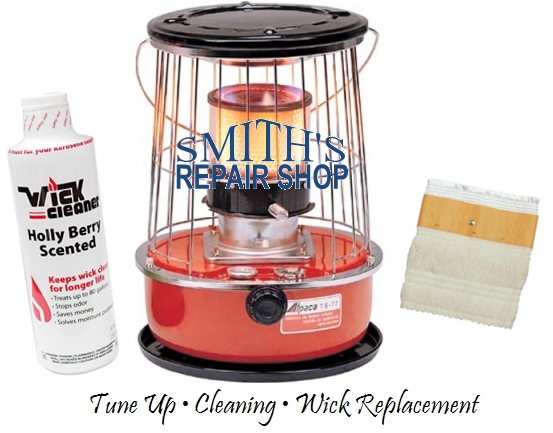
- Cleaning the wick: Some wicks can be "dry-burned" to remove carbon buildup. To do this, lower the wick as far as it will go and light the heater in a well-ventilated area. Allow it to burn until the flame self-extinguishes. This process carbonizes the top layer of the wick. Once cooled, carefully brush off the loose carbon. Always follow the manufacturer's instructions, as dry-burning can damage some types of wicks.
- Replacing the wick: If the wick is severely damaged or clogged, it's best to replace it. Use only the wick specified for your heater model.
- Is the wick properly adjusted? The wick height is critical for proper combustion. If it's too low, the flame will be weak and may extinguish. If it's too high, the flame will produce excessive smoke and soot. Consult your heater's manual for the correct wick height setting. Most heaters have a mechanism to adjust the wick height.
- New wick? A new wick needs to be fully saturated with kerosene before the initial lighting. Let it soak for at least 30-60 minutes after filling the tank, or even longer, before attempting to light the heater. This ensures the wick is fully primed and can draw fuel effectively.
Regular wick maintenance is essential for optimal kerosene heater performance. A clean and properly adjusted wick will help ensure a consistent and efficient burn.
Question 3: Is the Airflow Around the Heater Restricted?
Kerosene heaters need adequate airflow to burn cleanly and efficiently. Restricted airflow can lead to incomplete combustion, causing the flame to extinguish.
- Is the heater placed in a confined space? Avoid using kerosene heaters in very small, poorly ventilated rooms. Ensure there's adequate space around the heater for air to circulate freely.
- Are there obstructions blocking the air vents? Check the heater's air vents for any obstructions, such as dust, debris, or furniture. Clear any blockages to ensure proper airflow.
- Is the room too airtight? In tightly sealed homes, the heater may consume oxygen faster than it's replenished. Crack a window slightly to provide fresh air. Always ensure adequate ventilation when using a kerosene heater. Carbon monoxide poisoning is a serious risk.
- Is the chimney or flue (if applicable) blocked? Some kerosene heaters have a chimney or flue. Ensure this is clear of any obstructions to allow for proper exhaust.
Good ventilation is not only crucial for keeping the heater lit, but also for your safety. Always prioritize proper airflow when operating a kerosene heater.
Question 4: Is the Igniter or Starting Mechanism Functioning Correctly?
The igniter is responsible for initially lighting the wick. If it's malfunctioning, it might not provide enough heat to establish a stable flame.
- Is the igniter sparking? Observe the igniter when you activate it. You should see a visible spark near the wick. If there's no spark, the igniter may be faulty.
- Are the batteries in the igniter fresh? Many kerosene heaters use batteries to power the igniter. Weak batteries can produce a weak spark. Replace the batteries with fresh ones.
- Is the igniter element clean? The igniter element (the part that creates the spark) can become dirty over time. Gently clean it with a soft cloth or brush. Be careful not to damage the element.
- Is the igniter properly positioned? Ensure the igniter element is close enough to the wick to ignite the kerosene vapor. Adjust the igniter position according to the manufacturer's instructions.
- Manual start alternative: Some heaters can be lit manually with a long match or lighter. If the igniter is failing, you can try this method, but exercise extreme caution.
A properly functioning igniter is essential for a quick and easy start. Regularly check and maintain the igniter to ensure reliable operation.
Question 5: Is the Heater Level?
A kerosene heater needs to be on a level surface to function correctly. An uneven surface can cause uneven fuel distribution to the wick, leading to inconsistent burning and flameout.
- Check the surface with a level. Use a spirit level to ensure the surface where the heater is placed is perfectly level.
- Adjust the heater's feet. Many kerosene heaters have adjustable feet. Use these to level the heater if the surface is slightly uneven.
- Use shims. If the heater doesn't have adjustable feet, you can use shims (thin pieces of wood or plastic) to level it.
Even a slight tilt can affect the heater's performance. Ensure the heater is level for optimal and safe operation.
Question 6: Is there an Internal Safety Mechanism Activated?
Modern kerosene heaters often incorporate safety features that automatically shut off the heater in certain situations, such as being bumped or running out of fuel.
- Tip-over switch: Many heaters have a tip-over switch that cuts off the fuel supply if the heater is knocked over. Ensure the heater is upright and stable. If the heater was tipped over, check the reset mechanism (if applicable) according to the manufacturer's instructions.
- Low-fuel shutoff: Some heaters have a sensor that automatically shuts off the heater when the fuel level is too low. Refill the tank with fresh kerosene.
- Overheat protection: If the heater overheats, a safety mechanism may shut it off. Allow the heater to cool down completely and investigate the cause of the overheating (e.g., restricted airflow, improper wick adjustment) before restarting.
Understanding these safety features can help you quickly identify and resolve common issues that cause the heater to shut off.
Question 7: When Should I Consult a Professional?
While many kerosene heater problems can be resolved with simple troubleshooting, some issues require professional attention.
- Persistent problems: If you've tried all the troubleshooting steps and the heater still won't stay lit, it's time to consult a qualified technician.
- Complex repairs: Internal repairs to the fuel system, burner assembly, or safety mechanisms should be performed by a professional.
- Unusual odors or fumes: If you notice strong or unusual odors or fumes, especially carbon monoxide, immediately turn off the heater and ventilate the area. Contact a professional to inspect the heater.
- Damaged components: If you notice any damaged components, such as cracks in the fuel tank or a malfunctioning igniter, do not attempt to repair the heater yourself. Contact a qualified technician.
Your safety is paramount. If you're unsure about any aspect of kerosene heater maintenance or repair, err on the side of caution and seek professional assistance. Remember to always follow the manufacturer's instructions and safety guidelines when operating and maintaining your kerosene heater.