Will Air Conditioner Work Without Filter

One of the most frustrating experiences for any homeowner is when their air conditioner stops blowing cold air, especially during the sweltering summer months. You might find yourself fiddling with the thermostat, checking circuit breakers, and generally feeling helpless as the temperature inside your home steadily rises. While there can be many reasons why your AC isn't working, one often overlooked culprit is the simple air filter, or rather, the *lack* of one. But can your air conditioner actually work *without* a filter? The short answer is yes, but with potentially dire consequences. Let's explore why, and how to troubleshoot this common issue.
Diagnosing the "No Filter" Problem
Before we jump into solutions, let's first establish if the missing filter is *actually* the reason for your AC woes. A systematic approach will save you time and prevent unnecessary repairs.
Step 1: The Obvious Check (No Tools Required)
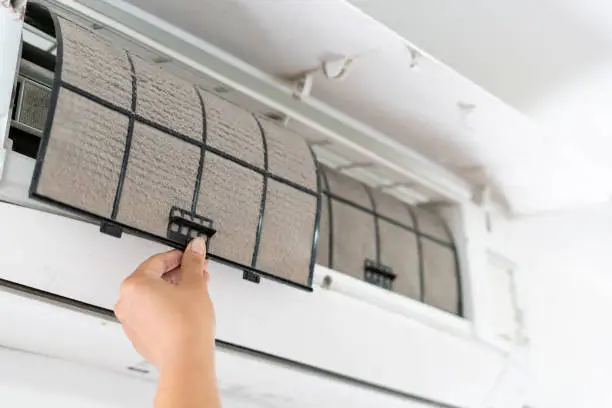
This might sound basic, but always start with the obvious. Go to your indoor air handler unit (usually located in your basement, attic, or a utility closet). Locate the filter compartment. It's typically a slot or removable door. Is there a filter in place? If not, bingo! You've likely found the problem.
Step 2: Assess the Situation (No Tools Required)
Even if you've identified the missing filter, don't just pop one in and hope for the best. Take a moment to assess the situation. Consider these questions:
- How long has the filter been missing? A few hours is different from a few weeks or months.
- Is there visible dust or debris inside the air handler? Use a flashlight to inspect the blower fan and surrounding components.
- Has the AC been making unusual noises recently? Rattling, grinding, or hissing sounds can indicate a more serious problem.
- Is the airflow from the vents significantly reduced? Compare it to how it normally feels.
Step 3: Check the Outdoor Unit (No Tools Required)
While the filter issue primarily affects the indoor unit, a dirty or damaged outdoor condenser can also contribute to cooling problems. Visually inspect the outdoor unit. Look for:
- Obstructions around the unit: Bushes, debris, or overgrown plants can restrict airflow.
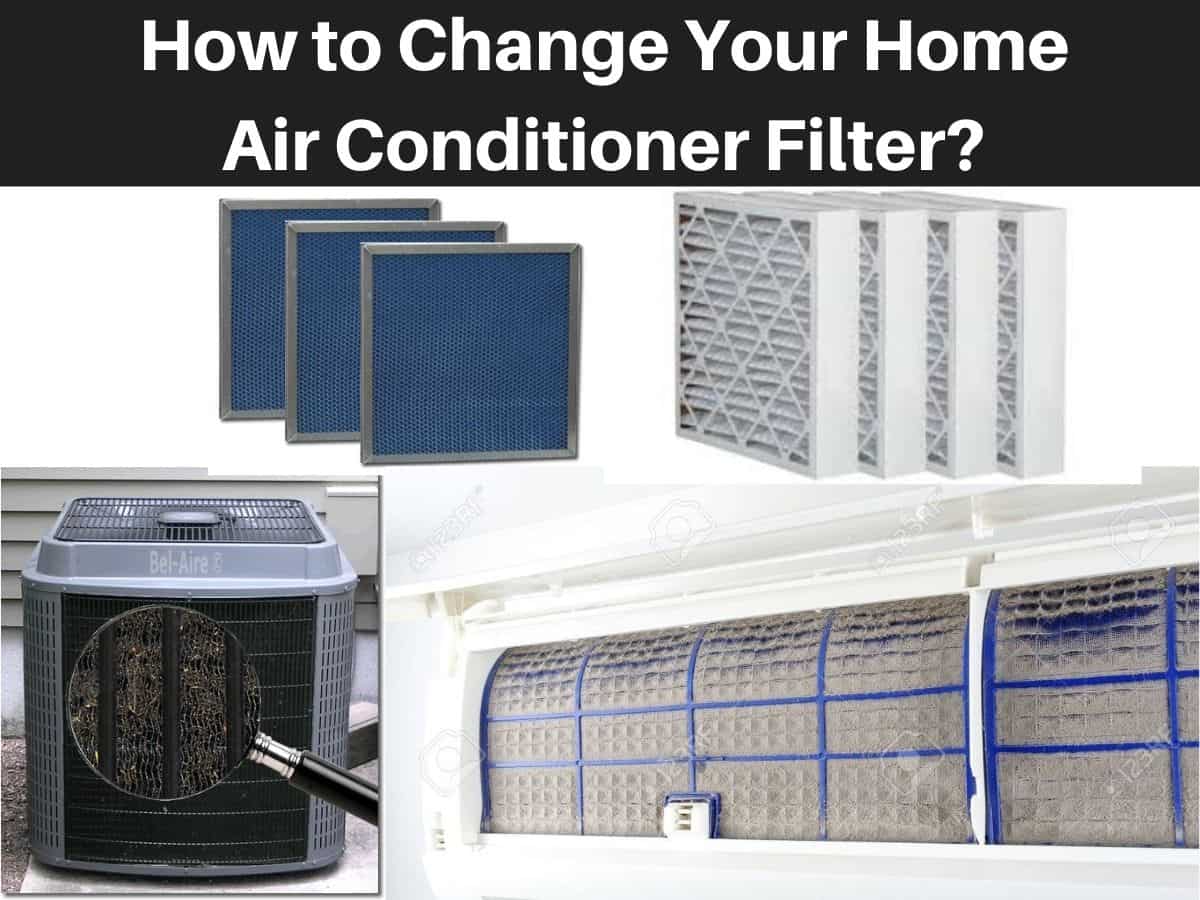
- Dirty condenser fins: The fins are the thin metal plates that surround the unit. They should be relatively clean and free of debris.
Step 4: Basic Electrical Checks (Requires Caution and Basic Tools)
Warning: Working with electricity can be dangerous. If you are not comfortable performing these checks, call a qualified HVAC technician. Always turn off the power to the AC unit at the breaker box before attempting any electrical troubleshooting.
Use a non-contact voltage tester to verify that the power is indeed off. Then, check the following:
- Circuit Breaker: Make sure the breaker for the AC unit hasn't tripped. Reset it if necessary.
- Disconnect Switch: Locate the disconnect switch near the outdoor unit. Ensure it's in the "on" position.
Step 5: Thermostat Settings (No Tools Required)
Double-check your thermostat settings. Ensure it's set to "cool" mode and that the temperature is set lower than the current room temperature. Also, make sure the fan is set to "auto" rather than "on" (unless you specifically want the fan to run continuously).
DIY Actions You Can Take (Safely!)
Once you've diagnosed the problem, here are some simple DIY actions you can take if the missing filter is the primary issue and you haven't observed any signs of serious damage:
1. Install a New Air Filter (Essential!)
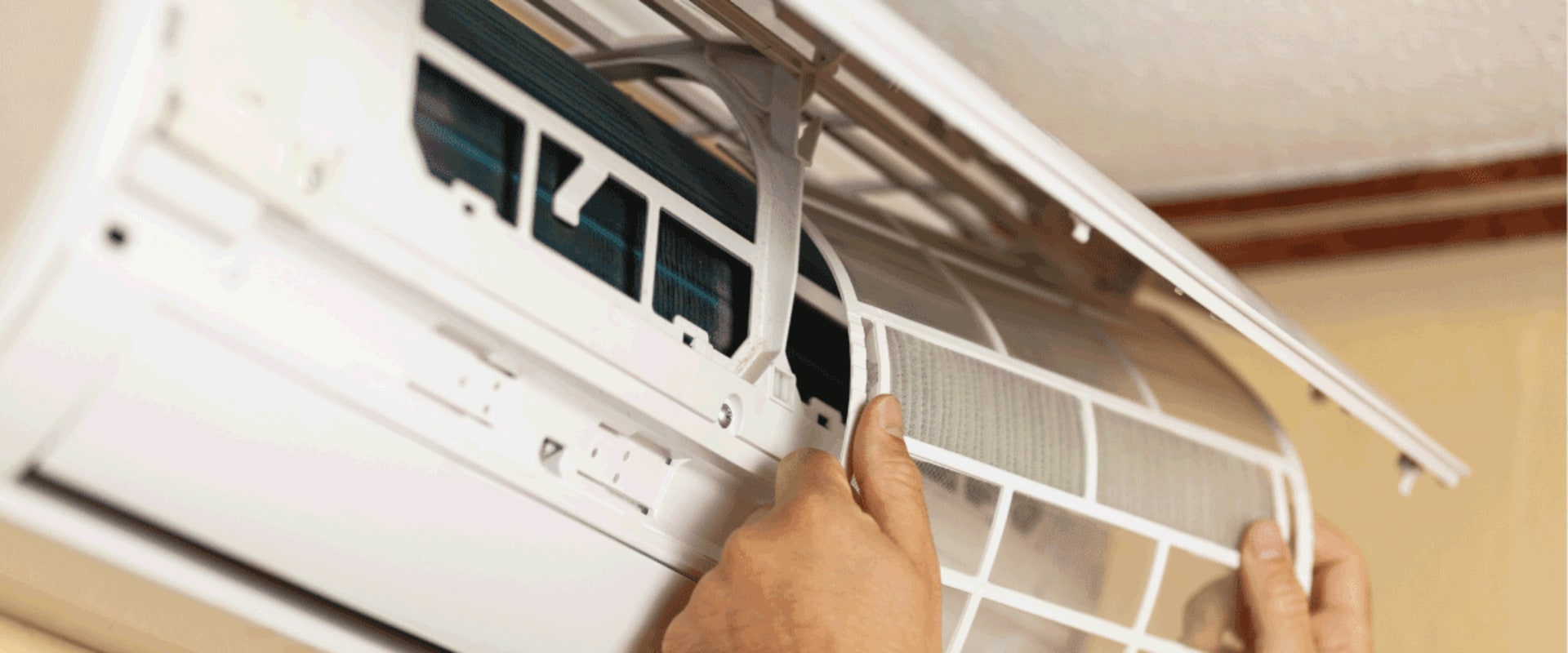
This is the most important step! Purchase a new air filter of the correct size and type for your AC unit. The filter size is usually printed on the old filter or inside the filter compartment. Using the wrong size or type can damage your system. Insert the filter, making sure the airflow direction arrow on the filter matches the direction of airflow in your unit (usually indicated by an arrow on the unit itself).
2. Clean Visible Dust and Debris (Simple Cleaning Supplies)
If you noticed dust and debris inside the air handler unit, carefully clean it using a vacuum cleaner with a brush attachment. Pay particular attention to the blower fan. *Do not use water or cleaning solutions inside the unit!* Be gentle to avoid damaging any components.
3. Clear Obstructions Around the Outdoor Unit (Garden Tools)
Remove any bushes, weeds, or debris that are blocking airflow around the outdoor condenser unit. Ensure there's at least two feet of clearance around the unit.
4. Clean the Condenser Fins (Garden Hose with Gentle Spray)
Caution: Be extremely careful when cleaning the condenser fins. They are delicate and easily bent.
Turn off the power to the outdoor unit at the disconnect switch. Use a garden hose with a gentle spray nozzle to rinse the fins from the inside out. Avoid using high pressure, as this can damage the fins. There are also commercially available fin cleaning solutions you can use, but follow the instructions carefully.
5. Monitor Performance After Replacing the Filter (No Tools Required)
After completing these steps, turn the AC unit back on and monitor its performance. Give it some time to cool down the house. Check the airflow from the vents and listen for any unusual noises. If the AC starts blowing cold air and operates normally, you've likely resolved the issue.
When to Call a Professional HVAC Technician
While these DIY steps can address simple problems caused by a missing air filter, there are many situations where you should *always* call a qualified HVAC technician. Trying to fix complex issues yourself can lead to further damage and potentially dangerous situations.
Call a professional if:
- You're uncomfortable working with electricity. As mentioned earlier, electrical work can be dangerous, and it's always best to err on the side of caution.
- You suspect refrigerant leaks. Refrigerant is a hazardous substance, and leaks require specialized equipment and training to repair. Signs of a refrigerant leak include ice buildup on the copper lines connected to the outdoor unit or a hissing sound.
- The AC unit is making loud or unusual noises. Rattling, grinding, or hissing sounds can indicate serious mechanical problems that require professional attention.
- The blower fan is not working. Repairing or replacing a blower fan is a complex task that requires specialized tools and knowledge.
- The compressor is not working. The compressor is the heart of the AC system, and its failure often requires replacing the entire unit.
- The AC unit is still not cooling properly after replacing the filter and cleaning the condenser. This could indicate a more serious underlying problem that requires professional diagnosis.
- You see signs of mold or mildew inside the air handler. Mold and mildew can be a health hazard, and professional cleaning and remediation are necessary.
- You're unsure about any aspect of the troubleshooting process. It's always better to ask for help than to risk damaging your AC unit or injuring yourself.
The Risks of Running an AC Without a Filter
Running your air conditioner without a filter, even for a short period, can have several negative consequences:
- Reduced Airflow: Dust and debris accumulate on the evaporator coil, restricting airflow and reducing cooling efficiency. This can lead to higher energy bills and longer run times.
- Frozen Evaporator Coil: Reduced airflow can cause the evaporator coil to freeze up, further reducing cooling capacity and potentially damaging the compressor.
- Damage to the Blower Fan: Dust and debris can accumulate on the blower fan blades, causing them to become unbalanced and potentially damaging the motor.
- Compressor Failure: The compressor is the most expensive component of the AC system, and it's also the most vulnerable to damage from a dirty evaporator coil. A clogged coil makes the compressor work harder, leading to premature failure.
- Poor Indoor Air Quality: Without a filter, dust, pollen, and other allergens can circulate throughout your home, leading to respiratory problems and allergies.
Preventing Future Problems
The best way to avoid air conditioning problems caused by a missing or dirty filter is to establish a regular maintenance schedule. Here are some tips:
- Check your air filter monthly. Replace it when it's dirty. A good rule of thumb is to replace it every 1-3 months, depending on the type of filter and the air quality in your home.
- Consider using a higher-efficiency filter. Higher-efficiency filters can trap more dust and allergens, improving indoor air quality. However, be sure to choose a filter that's compatible with your AC unit, as some high-efficiency filters can restrict airflow.
- Schedule annual maintenance with a qualified HVAC technician. A professional can inspect and clean your AC system, identify potential problems, and ensure it's operating efficiently.
- Keep the area around the outdoor unit clean and clear of obstructions.
By following these steps, you can troubleshoot common air conditioning problems, maintain your system effectively, and enjoy a comfortable and healthy home environment. Remember, when in doubt, always consult a qualified HVAC technician.