Will Stainless Steel And Copper Cause Electrolysis

Many homeowners encounter plumbing problems, and one recurring concern is the potential for electrolytic corrosion, also known as galvanic corrosion. This occurs when dissimilar metals, like stainless steel and copper, are connected in a plumbing system in the presence of an electrolyte (water). Over time, this can lead to the deterioration of one of the metals, causing leaks, reduced water pressure, and costly repairs.
This article provides a step-by-step guide to help you diagnose whether your plumbing system is experiencing electrolysis between stainless steel and copper components and offers some simple, safe DIY fixes. We'll also outline when it's crucial to call a professional plumber.
Understanding Electrolysis: The Science Behind the Problem
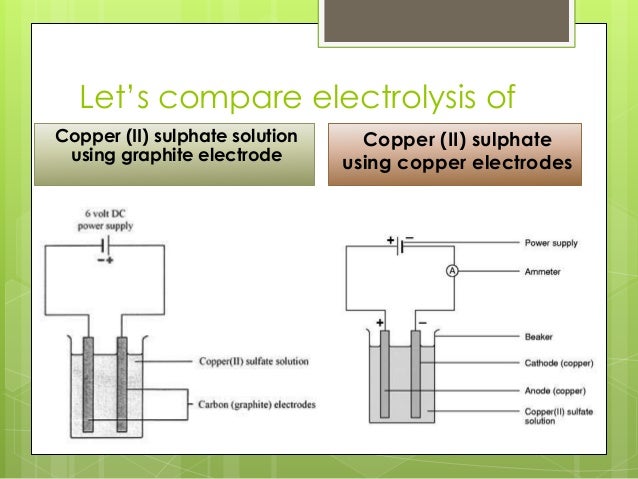
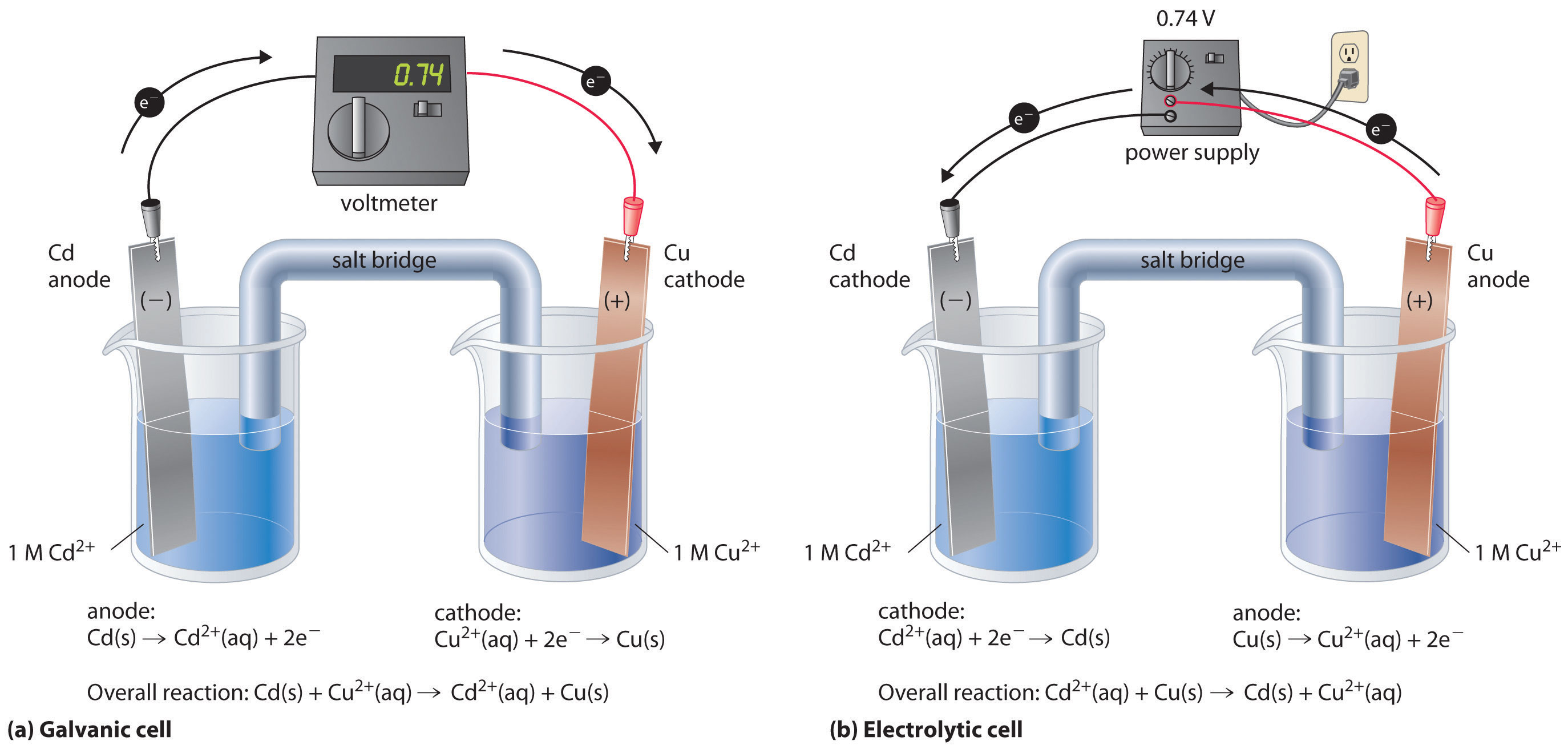
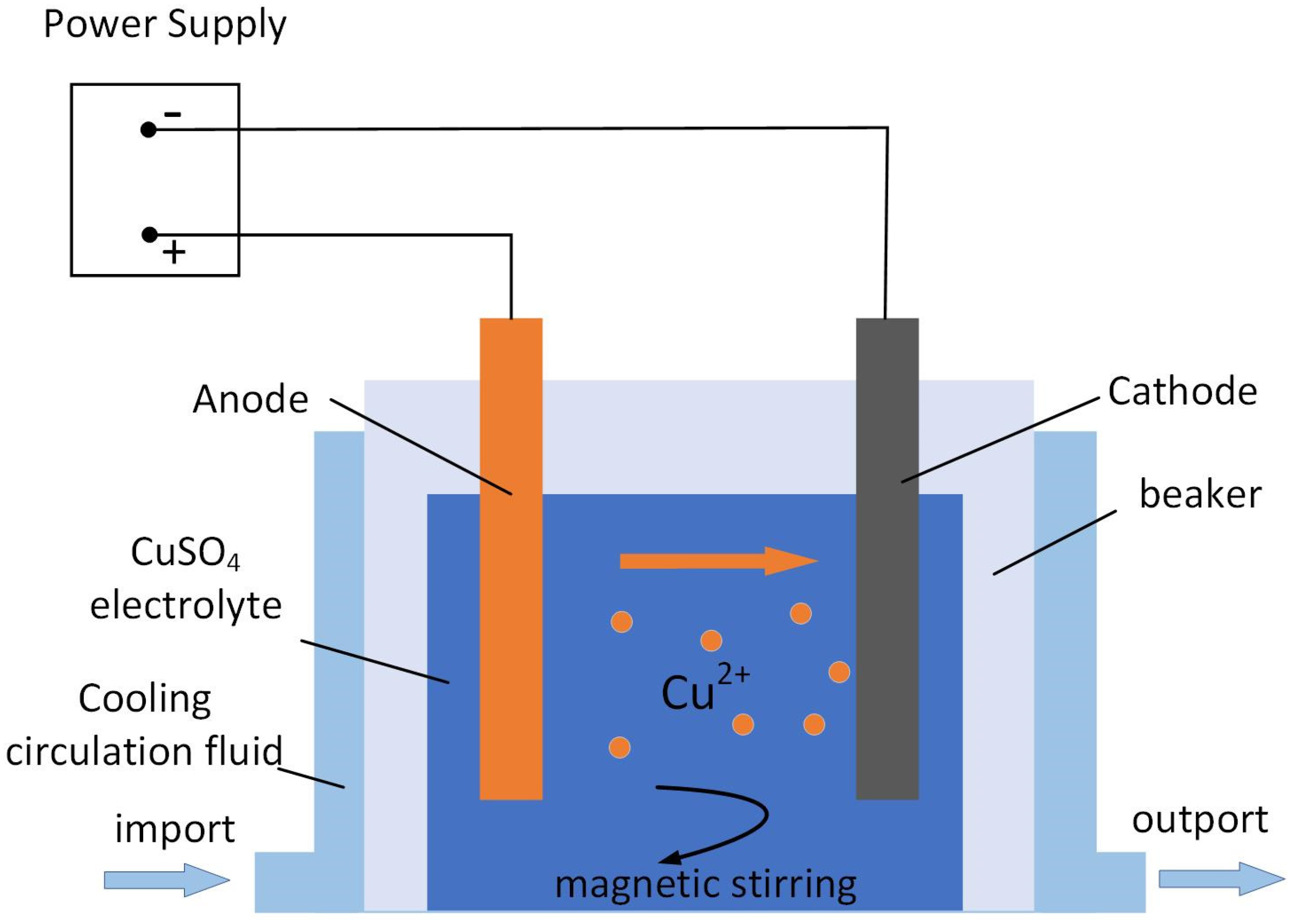
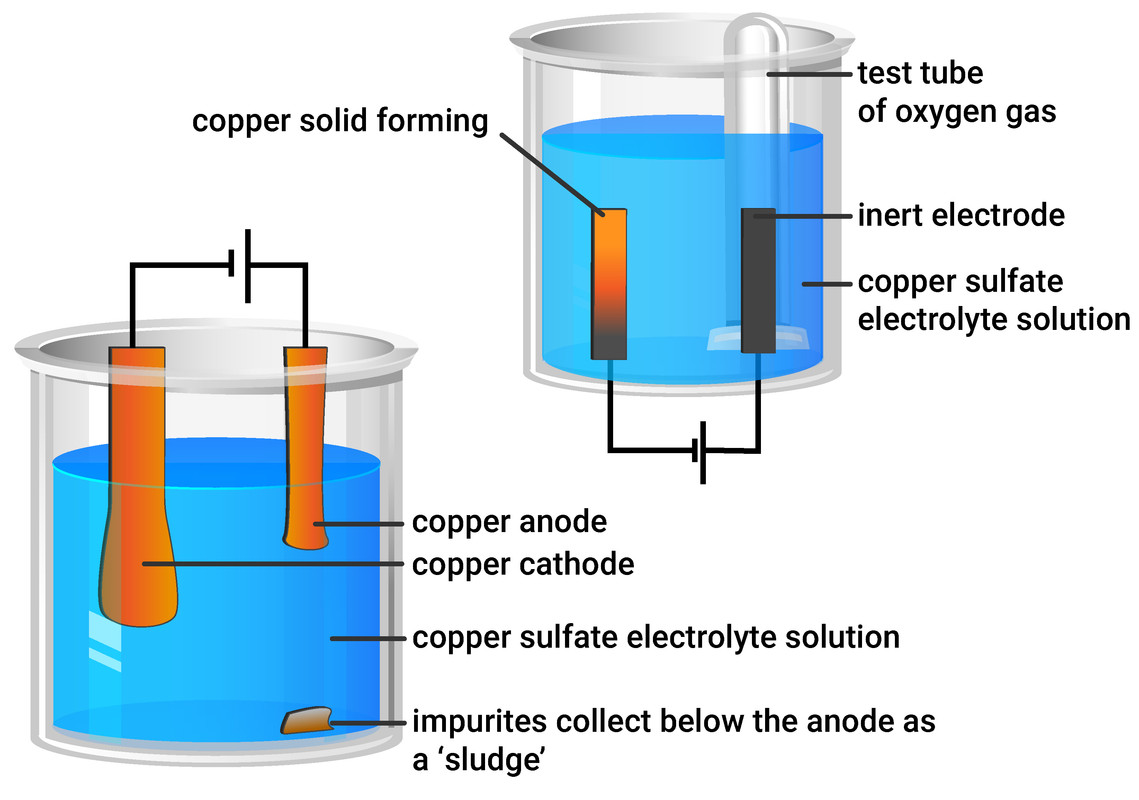
Before diving into troubleshooting, it's important to understand the basics of electrolysis. When two different metals are electrically connected in a conductive solution (water), a tiny electrical current flows between them. The more active metal (in this case, usually the copper when paired directly with stainless steel) acts as the anode and corrodes, while the less active metal (the stainless steel) acts as the cathode. The rate of corrosion depends on several factors, including the type of metals involved, the salinity and pH of the water, and the surface area of the metals.
Step 1: Identify Potential Problem Areas
The first step is to identify where stainless steel and copper components are connected in your plumbing system. Common areas include:
- Water heaters: Often have copper piping connected to stainless steel tanks.
- Plumbing fixtures: Faucets and showerheads may have connections involving both materials.
- Pipes: Check where copper pipes transition to stainless steel supply lines.
- Pumps: Well pumps or booster pumps may have stainless steel housings connected to copper plumbing.
Pay close attention to areas where you've noticed leaks, discoloration, or corrosion.
Step 2: Visual Inspection: Look for the Tell-tale Signs
Carefully examine the areas you identified in Step 1 for the following signs of electrolytic corrosion:
- Green or blue deposits: These are copper oxides and carbonates, indicating that the copper is corroding. Look for these deposits around joints and fittings, especially on the copper side of the connection.
- Pitting or thinning of the copper pipe: Electrolysis causes localized corrosion, leading to pits and thin spots in the copper. Use a flashlight to examine the pipe surface closely.
- Rust-colored staining on the stainless steel: While stainless steel is corrosion-resistant, the electrical current can sometimes cause staining or minor surface corrosion, particularly near the connection point.
- Leaks: Leaks are a clear sign that the pipe has been compromised by corrosion. Even small drips can indicate a significant problem.
- Reduced water pressure: Corrosion can restrict water flow, leading to a noticeable drop in water pressure.
Important Safety Tip: Before inspecting any plumbing, turn off the water supply to the area you're examining to prevent flooding.
Step 3: Testing for Electrical Continuity
This step involves using a multimeter to check for electrical continuity between the stainless steel and copper components. This will help confirm whether an electrical connection exists, which is necessary for electrolysis to occur.
- Turn off the power: Before working with electrical equipment, turn off the power to the water heater or any other appliances connected to the plumbing system.
- Set up the multimeter: Set your multimeter to the continuity setting (usually indicated by a diode symbol or a sound wave symbol).
- Test the connection: Touch one probe of the multimeter to the stainless steel component and the other probe to the copper component.
- Interpreting the results:
- Continuity: If the multimeter beeps or displays a low resistance reading (close to zero ohms), it indicates that there is an electrical connection between the two metals. This strongly suggests that electrolysis is possible.
- No Continuity: If the multimeter displays an open circuit (OL) or a high resistance reading, it indicates that there is no electrical connection between the two metals. This means electrolysis is unlikely to be the primary cause of corrosion.
Important Note: Even if you don't find continuity, it's still possible that stray electrical currents from other sources (like faulty wiring) are contributing to corrosion. This is a more complex issue that requires professional investigation.
Step 4: Simple DIY Fixes to Minimize Electrolysis
If you've confirmed that electrolysis is likely occurring, here are some simple DIY fixes you can try:
- Install Dielectric Unions: A dielectric union is a fitting that electrically isolates the two dissimilar metals, preventing the flow of electrical current. Install dielectric unions at all points where stainless steel and copper pipes are directly connected. These are readily available at most hardware stores. Ensure they are properly sized for your pipe diameter.
- Use Plastic or CPVC Nipples: Replace short sections of copper pipe connecting to stainless steel with plastic (PVC or CPVC) nipples. This creates a physical break in the electrical connection.
- Increase the Distance Between Dissimilar Metals: The further apart the dissimilar metals are, the less likely electrolysis is to occur. If possible, extend the copper piping with a non-conductive material (like PEX) to increase the distance from the stainless steel.
- Ensure Proper Grounding: Make sure your plumbing system is properly grounded. This helps to dissipate stray electrical currents that can contribute to corrosion. Consult a licensed electrician to verify your grounding system is adequate.
Instructions for Installing a Dielectric Union:
- Turn off the water supply: Shut off the water supply to the section of pipe where you'll be installing the dielectric union.
- Cut the pipe: Use a pipe cutter to cut the copper and stainless steel pipes at the point where you want to install the union.
- Clean the pipe ends: Remove any burrs or debris from the cut pipe ends.
- Apply pipe thread sealant: Apply pipe thread sealant to the threads of the dielectric union.
- Connect the union: Screw the dielectric union onto the copper and stainless steel pipes, tightening securely with a wrench. Be careful not to overtighten, as this can damage the union.
- Turn on the water supply: Slowly turn on the water supply and check for leaks. If you find any leaks, tighten the union further.
Step 5: When to Call a Professional Plumber
While the DIY fixes mentioned above can help minimize electrolysis, there are situations where professional intervention is essential:
- Extensive Corrosion: If the copper pipes are severely corroded (with significant pitting or thinning), they may need to be replaced entirely. A plumber can assess the extent of the damage and recommend the best course of action.
- Stray Electrical Currents: If you suspect that stray electrical currents are contributing to corrosion, a plumber can work with an electrician to identify and correct the source of the problem. This often requires specialized testing equipment.
- Complex Plumbing Systems: If your plumbing system is complex or you're not comfortable working with pipes and fittings, it's best to leave the repairs to a professional.
- Water Quality Issues: Highly acidic or alkaline water can accelerate corrosion. A plumber can test your water quality and recommend appropriate treatment options, such as installing a water softener or pH neutralizer.
- Persistent Leaks: If you've tried the DIY fixes and the leaks persist, it's a sign that there's a more serious underlying problem that requires professional attention.
- Galvanized Steel Connections: The presence of galvanized steel in conjunction with copper creates an extremely active electrolytic cell. This corrodes rapidly. Replacing any galvanized components with copper, stainless steel, or PEX is highly recommended and is generally a job for a plumber.
Warning Signs Requiring Immediate Action:
- Rapidly worsening leaks: This indicates a critical structural failure in the pipe.
- Visible electrical arcing or sparks: This is a serious electrical hazard. Turn off the power immediately and call an electrician.
- Strong metallic taste in your water: This could indicate high levels of copper or other metals in your drinking water, which can be harmful to your health. Have your water tested immediately.
Preventative Measures for the Future
Even after addressing an existing electrolysis issue, it's important to take preventative measures to minimize the risk of future problems:
- Use Compatible Materials: When possible, use the same type of metal throughout your plumbing system. If you must connect dissimilar metals, use dielectric unions or other isolating fittings.
- Maintain Proper Grounding: Ensure your plumbing system is properly grounded to dissipate stray electrical currents.
- Monitor Water Quality: Regularly test your water quality and take steps to address any issues, such as high acidity or alkalinity.
- Inspect Regularly: Periodically inspect your plumbing system for signs of corrosion or leaks. Early detection can prevent more serious problems down the road.
Conclusion: Staying Ahead of Electrolysis
Electrolysis between stainless steel and copper is a common plumbing problem, but with a little knowledge and effort, you can diagnose and address it effectively. By following the steps outlined in this article, you can identify potential problem areas, perform simple DIY fixes, and know when to call a professional. Remember, safety is paramount, so always take precautions when working with plumbing and electrical systems. By staying proactive and taking preventative measures, you can protect your plumbing system and avoid costly repairs in the future.