Williams Wall Furnaces

Williams Wall Furnaces: A Comprehensive Buying Guide
When it comes to heating your home efficiently and effectively, space-saving solutions are often highly sought after. Williams Wall Furnaces provide a powerful heating option, particularly appealing for smaller homes, apartments, or as supplemental heating sources. This guide will delve into the features, benefits, drawbacks, and costs associated with Williams wall furnaces, helping you make an informed decision for your heating needs.
What is a Wall Furnace?
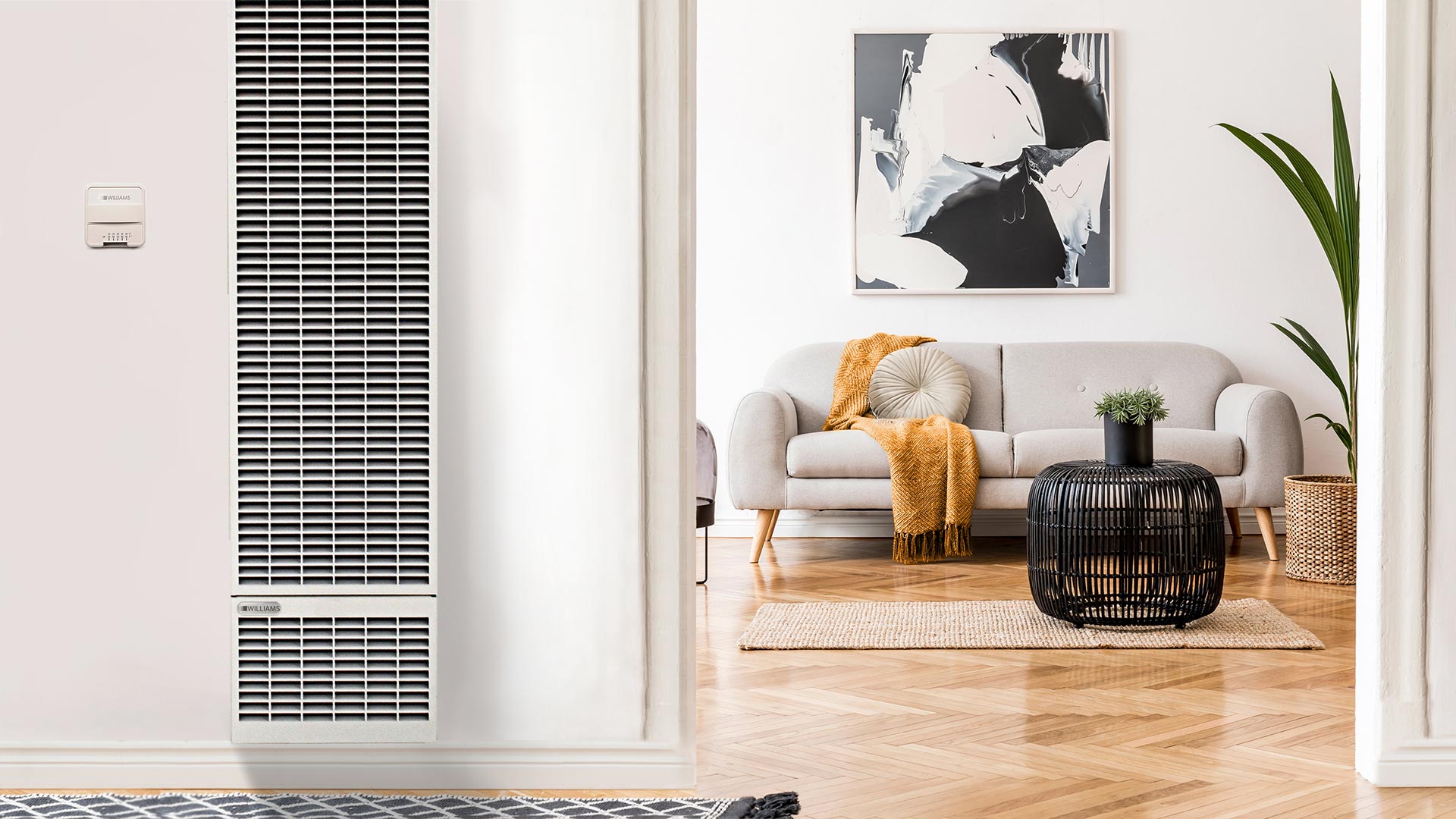
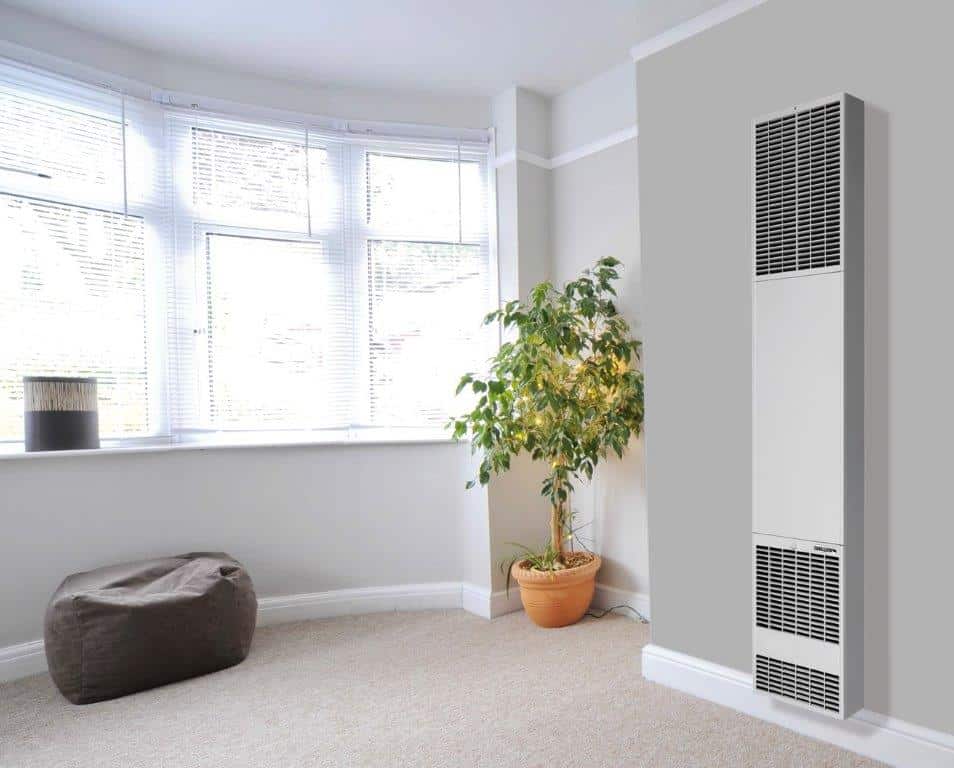
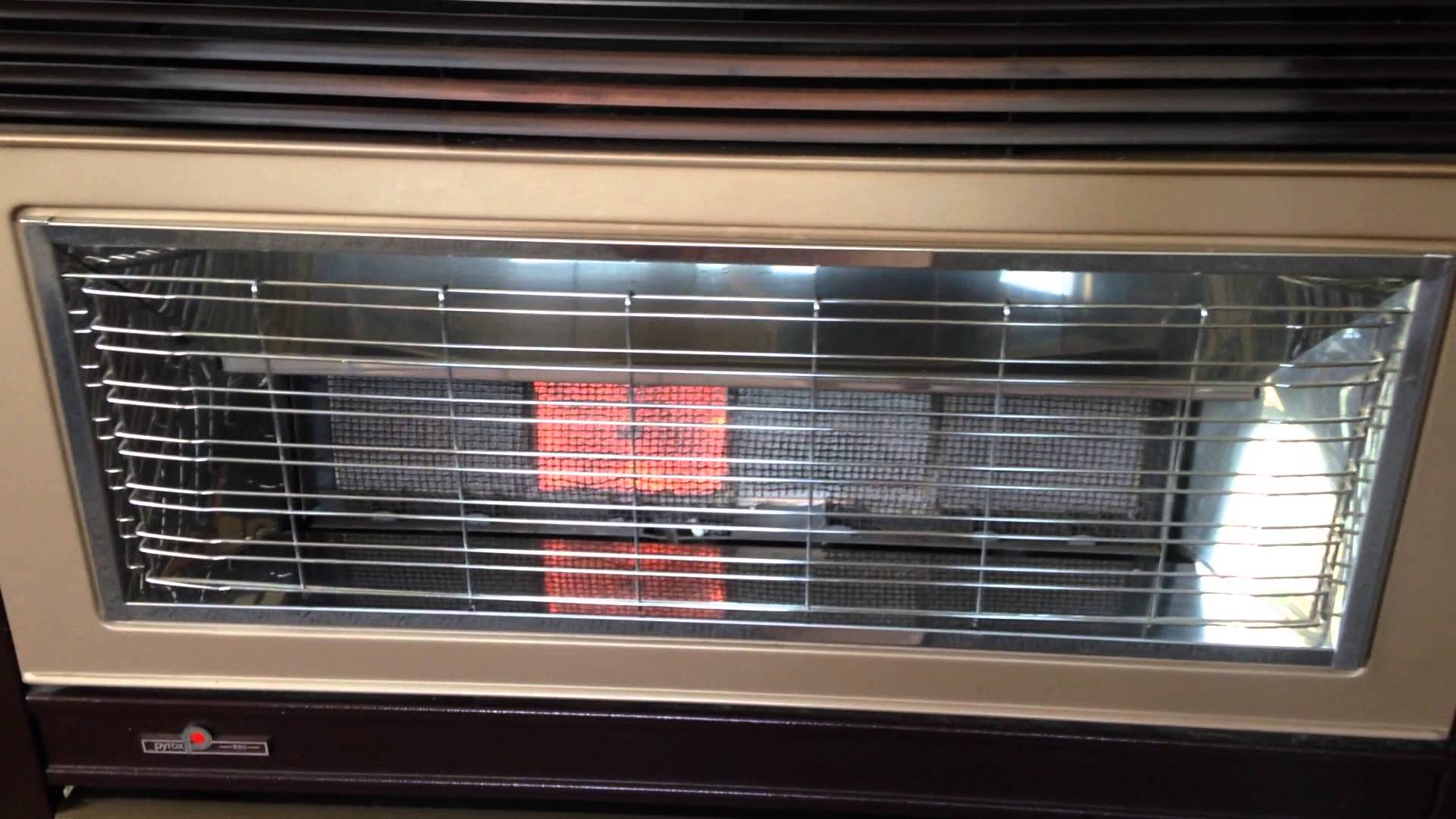
A wall furnace is a self-contained heating unit designed to be installed directly into a wall. Unlike central heating systems that utilize ductwork, wall furnaces provide heat directly to the room in which they are installed. They are typically powered by natural gas or propane and vent directly to the outside, eliminating the need for extensive ductwork.
Pros and Cons of Williams Wall Furnaces
Before investing in a Williams wall furnace, it's crucial to weigh the advantages and disadvantages to determine if it's the right choice for your specific situation.
Pros:
- Space-Saving Design: Wall furnaces are ideal for homes with limited floor space, as they are mounted directly into the wall.
- Zone Heating: Allows you to heat only the rooms you're using, saving energy and reducing heating costs.
- Ease of Installation: Typically easier and less expensive to install than central heating systems, especially in older homes without existing ductwork.
- Lower Upfront Cost: Generally, wall furnaces have a lower initial purchase price compared to central furnaces.
- Quiet Operation: Modern Williams wall furnaces are designed for relatively quiet operation, minimizing disruption.
Cons:
- Limited Heating Capacity: Wall furnaces are best suited for heating individual rooms or smaller areas, and may not be sufficient for larger homes.
- Uneven Heating: Can result in uneven temperature distribution, as heat is concentrated in the room where the unit is located.
- Potential for Drafts: Older models may be prone to drafts, particularly around the installation area.
- Aesthetics: Some homeowners find the appearance of a wall furnace less appealing than central heating systems.
- Venting Requirements: Proper venting is essential for safe operation and may require professional installation.
Key Features of Williams Wall Furnaces
Williams offers a range of wall furnaces designed to meet different heating needs. Here are some of the key features to consider:
- BTU Output: Measured in British Thermal Units (BTUs), this indicates the heating capacity of the furnace. Choose a BTU output appropriate for the size of the room you intend to heat. Common BTU outputs range from 15,000 to 40,000 BTU.
- AFUE (Annual Fuel Utilization Efficiency): This rating indicates the furnace's efficiency in converting fuel into heat. A higher AFUE rating means greater energy savings. Look for models with AFUE ratings of 80% or higher.
- Vent Type: Williams offers both gravity (natural) vent and power vent models. Power vent models use a fan to expel exhaust gases, allowing for more flexible installation options and improved safety.
- Thermostat Control: Choose between manual and electronic thermostat options. Electronic thermostats offer more precise temperature control and programmable settings for energy savings.
- Safety Features: Look for models with safety features such as automatic shut-off valves, overheat protection, and flame rollout sensors.
- Ignition Type: Options include standing pilot ignition and electronic ignition. Electronic ignition is more energy-efficient, as it eliminates the need for a continuously burning pilot light.
- Cabinet Design: Williams wall furnaces are available in various cabinet designs and colors to complement your home décor.
Comparing Williams Wall Furnace Models
Williams offers several wall furnace models to suit different needs and budgets. Here's a brief comparison of some popular models:
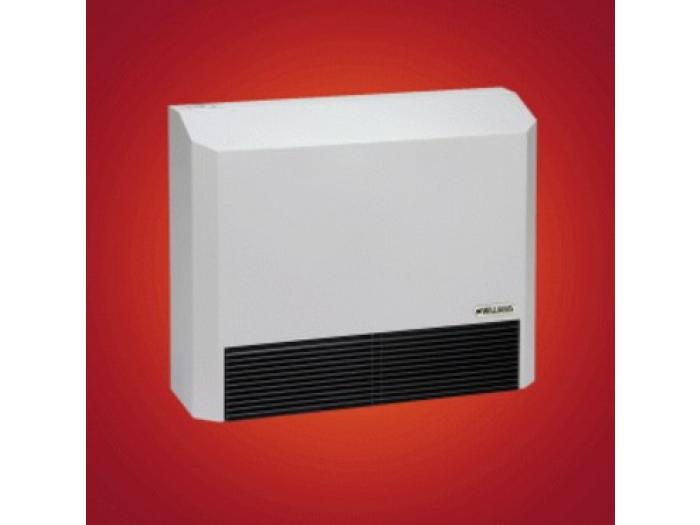
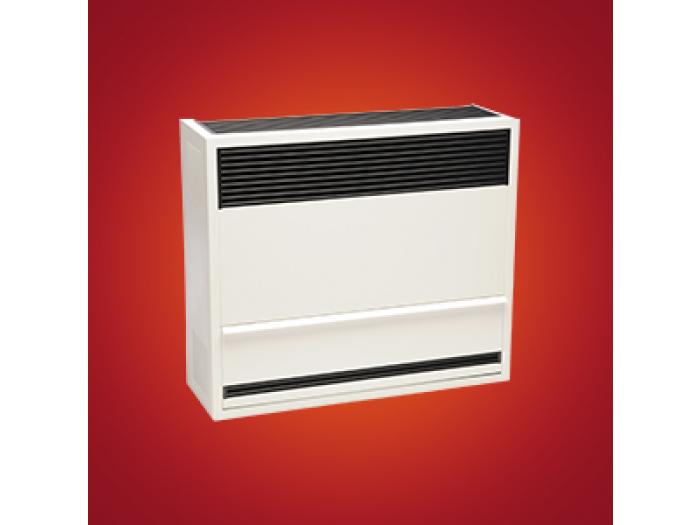
- Williams Monterey: A popular choice for its reliability and affordability. Available in various BTU outputs and vent configurations.
- Williams Forsaire: Offers a sleek, modern design and features electronic ignition and thermostat control.
- Williams Direct Vent: Designed for direct venting to the outside, eliminating the need for a chimney. Ideal for homes without existing venting.
When comparing models, consider factors such as BTU output, AFUE rating, vent type, thermostat control, and safety features. Reading customer reviews and consulting with a qualified HVAC technician can also help you make the right choice.
Pricing and Installation Costs
The cost of a Williams wall furnace varies depending on the model, BTU output, and features. Expect to pay between $500 and $1500 for the unit itself. Installation costs can range from $200 to $500, depending on the complexity of the installation and whether you need to install new venting.
It's important to factor in both the upfront cost and the long-term operating costs when making your decision. While wall furnaces may have a lower initial cost than central heating systems, they may also have higher operating costs due to lower energy efficiency.
Warranty and Maintenance
Williams wall furnaces typically come with a limited warranty that covers defects in materials and workmanship. The length of the warranty can vary depending on the model, but is generally one to five years. Be sure to read the warranty carefully to understand what is covered and what is not.
Regular maintenance is essential to keep your wall furnace operating efficiently and safely. Here are some maintenance tips:
- Annual Inspection: Have your furnace inspected annually by a qualified HVAC technician to check for any potential problems.
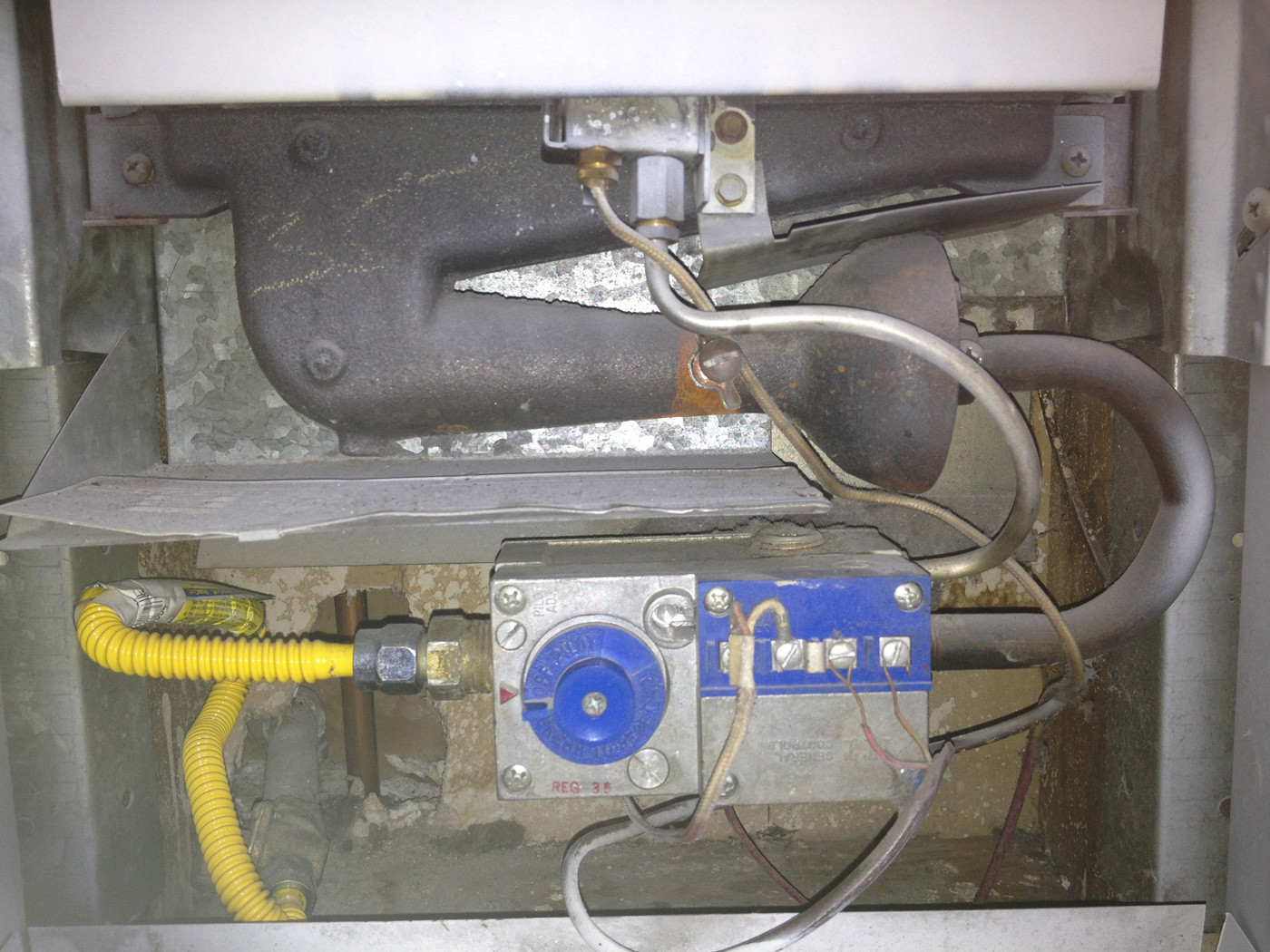
- Clean the Burner: Periodically clean the burner to remove any dust or debris that can affect performance.
- Check the Venting: Ensure that the venting is clear and unobstructed to prevent carbon monoxide buildup.
- Replace the Air Filter: If your furnace has an air filter, replace it regularly to maintain good air quality and prevent overheating.
Comparing Williams to Other Brands
While Williams is a reputable brand in the wall furnace market, it's important to compare it to other brands to ensure you're making the best choice for your needs. Some popular alternatives include:
- Empire Comfort Systems: Offers a wide range of wall furnaces with various features and BTU outputs. Known for their durability and reliability.
- Bantem: Known for its modern and innovative features, including advanced control systems and smart home integration.
- Kozy World: Provides cost-effective wall furnace options suitable for smaller spaces and supplemental heating.
When comparing brands, consider factors such as product quality, warranty, customer service, and pricing.
Installation Considerations
Proper installation is crucial for the safe and efficient operation of your Williams wall furnace. It's recommended to hire a qualified HVAC technician to install the unit, especially if you're not experienced with gas appliances.
Here are some key installation considerations:
- Venting: Ensure that the furnace is properly vented to the outside to prevent carbon monoxide buildup. Follow all local codes and regulations.
- Gas Connection: Hire a licensed gas fitter to connect the furnace to the gas line.
- Clearances: Maintain proper clearances around the furnace to prevent overheating and fire hazards.
- Thermostat Placement: Place the thermostat in a central location away from drafts and direct sunlight for accurate temperature control.
Is a Williams Wall Furnace Right for You?
Williams wall furnaces offer a convenient and affordable heating solution for specific situations. They are particularly well-suited for:
- Smaller Homes and Apartments: Ideal for heating individual rooms or smaller living spaces.
- Supplemental Heating: A good option for adding extra heat to rooms that are difficult to heat with a central system.
- Homes Without Ductwork: A cost-effective alternative to installing a central heating system in homes without existing ductwork.
However, wall furnaces may not be the best choice for larger homes or those seeking whole-house heating. In these cases, a central heating system may be more efficient and effective.
By carefully considering your heating needs, budget, and installation requirements, you can determine whether a Williams wall furnace is the right choice for you. Consult with a qualified HVAC technician to get personalized advice and ensure proper installation.
Ultimately, the decision of whether or not to purchase a Williams Wall Furnace depends on your individual needs and circumstances. By carefully weighing the pros and cons, comparing models, and considering the installation requirements, you can make an informed decision that will provide you with years of reliable and efficient heating.