Window Air Conditioner And Split Air Conditioner
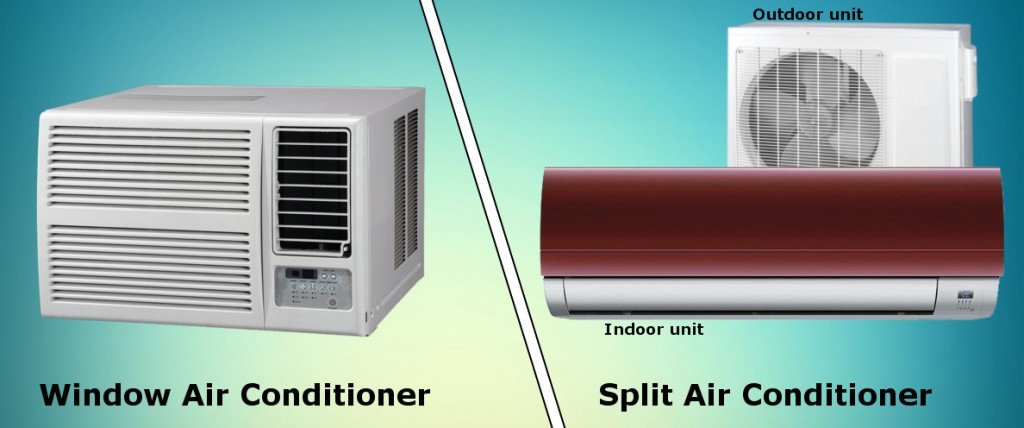
Air conditioning is crucial for comfort in many climates. When choosing an AC system, understanding the differences between window air conditioners and split air conditioners is essential. This guide breaks down these two popular types, outlining their features, advantages, and disadvantages to help you make an informed decision.
Window Air Conditioners: A Simple Cooling Solution
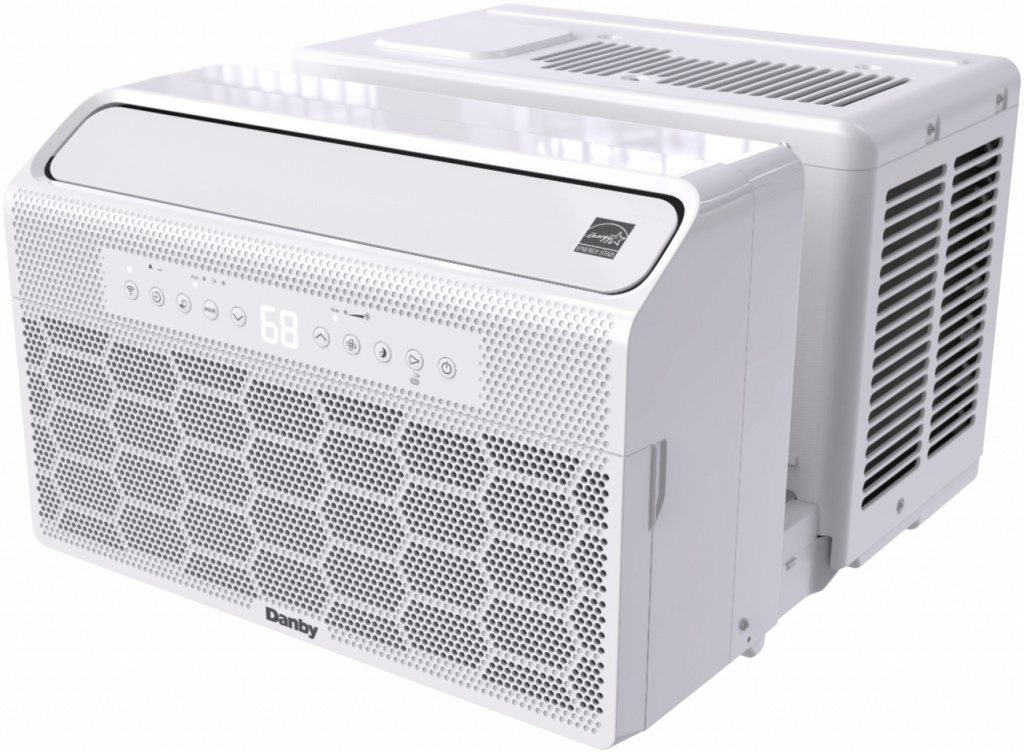
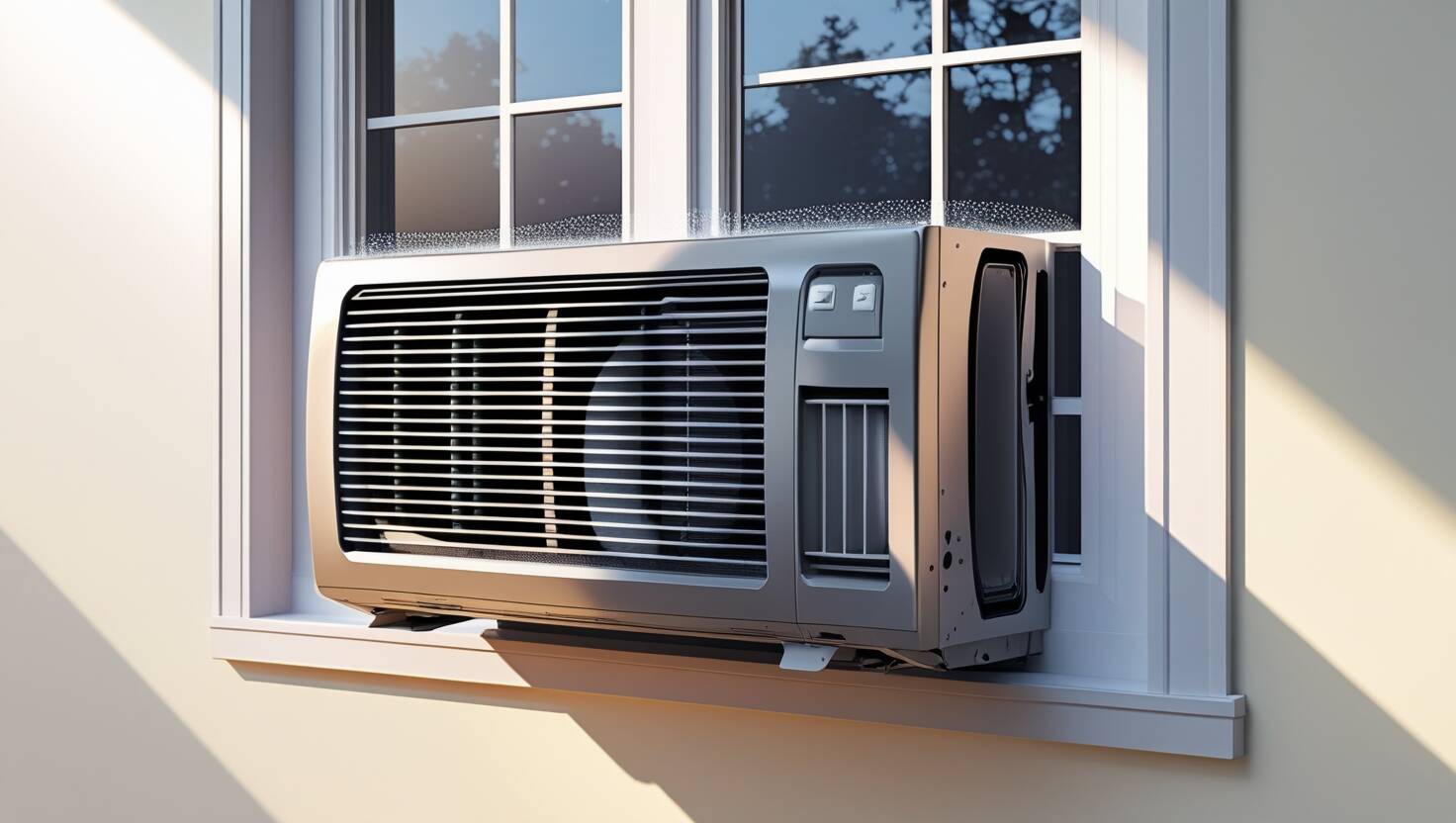
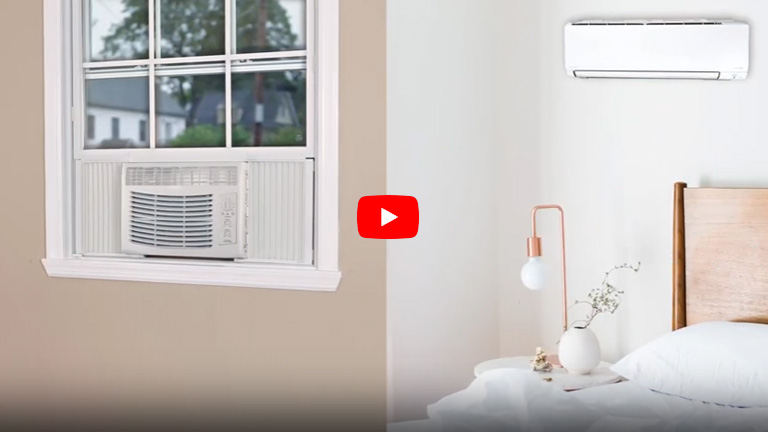
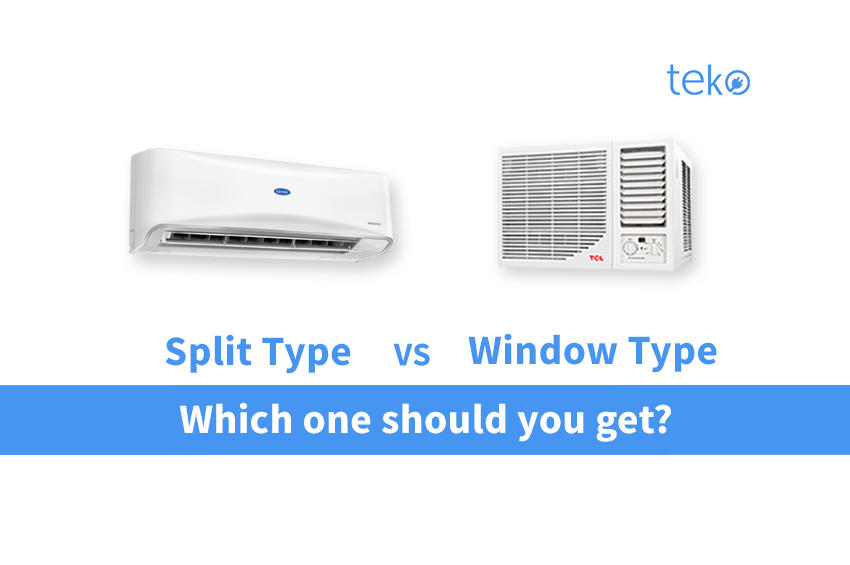
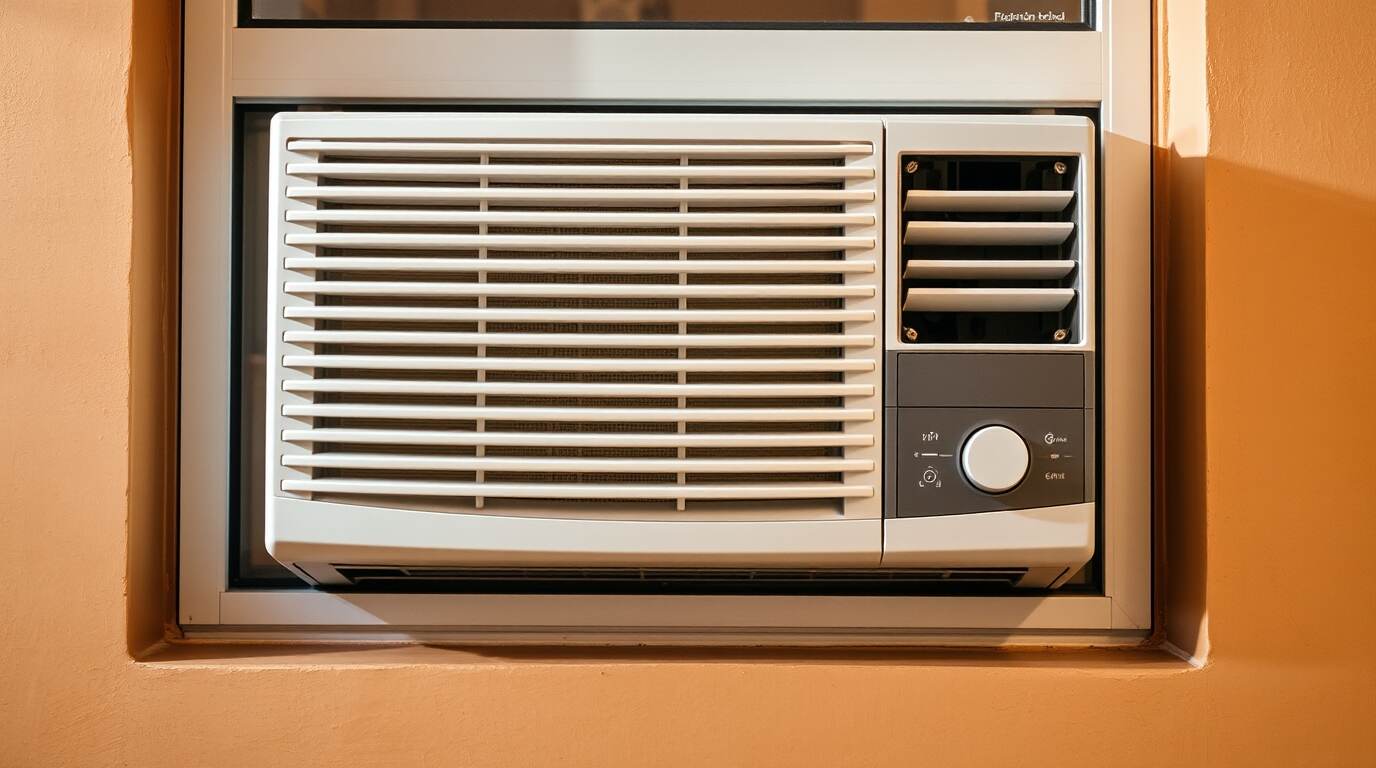
A window air conditioner is a self-contained unit designed to fit into a window opening or a through-the-wall sleeve. It houses all the components – compressor, condenser, evaporator, and expansion valve – in a single casing.
How Window Air Conditioners Work
Think of a window AC as a miniature refrigerator for your room. Here's the basic process:
- Warm Air Intake: The unit sucks in warm air from the room through a grill on the front.
- Cooling Process: This air passes over the evaporator coil, which contains a cold refrigerant. The refrigerant absorbs heat from the air, cooling it down.
- Cool Air Distribution: A fan blows the cooled air back into the room.
- Heat Exhaust: Simultaneously, the condenser coil on the outside of the unit releases the absorbed heat to the outside air. The compressor is the workhorse, pressurizing the refrigerant to facilitate this heat transfer.
Refrigerant is the critical substance in this process. Think of it as the 'blood' of your AC system, carrying heat from inside to outside.
Advantages of Window Air Conditioners
- Affordability: Window units are generally the least expensive type of air conditioner to purchase.
- Easy Installation: Installation is relatively straightforward, often requiring only basic tools and some DIY skills. No professional installation is usually necessary.
- Portability: They can be easily moved from room to room or taken with you when you move.
- Zone Cooling: Ideal for cooling a single room or small area, allowing you to avoid cooling the entire house.
Disadvantages of Window Air Conditioners
- Noise: Because all components are housed in one unit, window ACs can be noisier than split systems.
- Aesthetics: They can obstruct the view from the window and may not be the most visually appealing.
- Limited Cooling Capacity: They are best suited for smaller spaces. Larger rooms may require multiple units or a more powerful system.
- Window Obstruction: They block the use of the window while installed.
- Security Concerns: Improperly installed window units can pose a security risk, especially on ground floors.
When to Choose a Window Air Conditioner
Consider a window air conditioner if you:
- Need to cool a small room or single area.
- Are on a tight budget.
- Prefer a simple, DIY installation.
- Value portability.
Split Air Conditioners: Efficient and Quiet Cooling
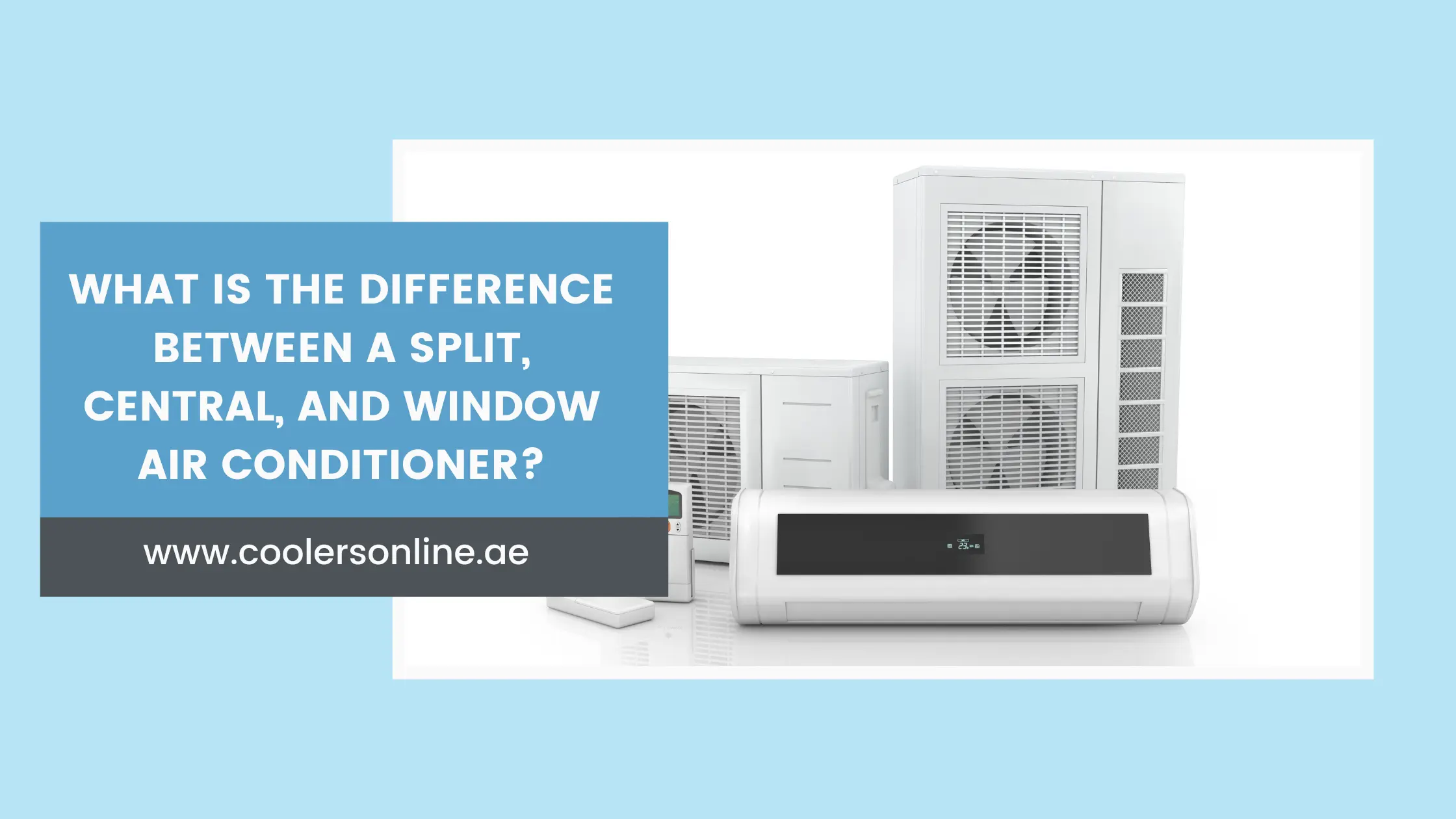
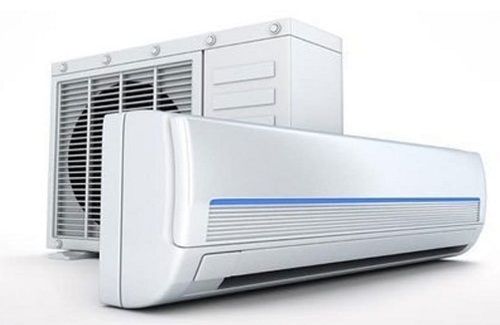
A split air conditioner, also known as a ductless mini-split, consists of two main components: an indoor unit (the air handler) and an outdoor unit (containing the compressor and condenser).
How Split Air Conditioners Work
The split system separates the noisy components from the living space. Here's the process:
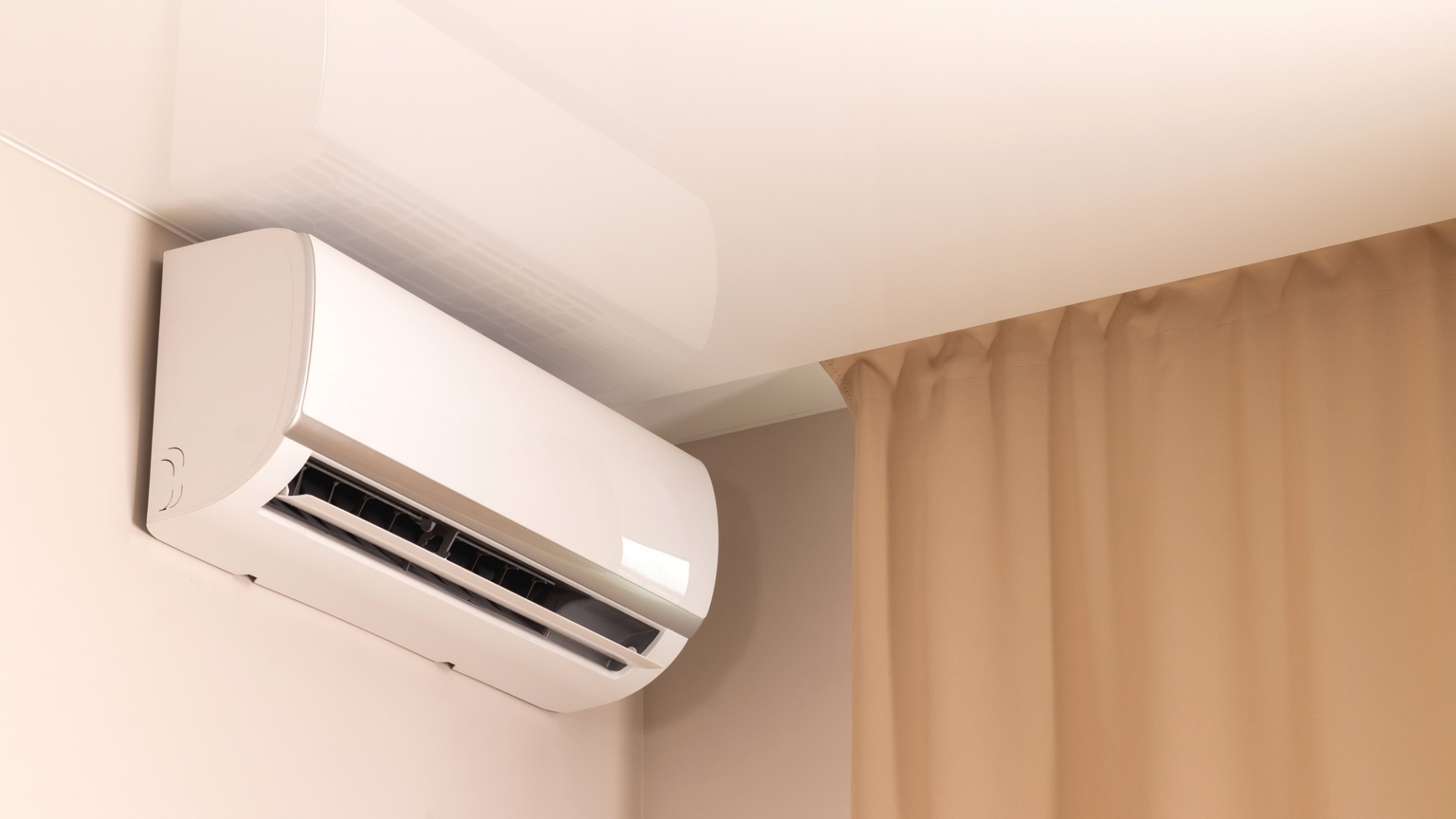
- Indoor Unit: The indoor unit, mounted on a wall or ceiling, contains the evaporator coil and a fan. It draws warm air from the room, cools it, and blows the cool air back into the space.
- Outdoor Unit: The outdoor unit houses the compressor and condenser. It's responsible for releasing the heat extracted from the indoor air.
- Refrigerant Lines: The indoor and outdoor units are connected by refrigerant lines, which carry the refrigerant between the two units. These lines require a small hole through the wall for passage.
The separation of components contributes to quieter operation and more efficient cooling compared to window units. Inverter technology, common in modern split systems, further enhances efficiency by allowing the compressor to operate at variable speeds, adjusting cooling output to match the room's needs.
Advantages of Split Air Conditioners
- Quieter Operation: Separating the compressor to the outside significantly reduces noise levels inside the room.
- Energy Efficiency: Often more energy-efficient than window units, especially those with inverter technology. This can lead to lower electricity bills.
- Aesthetics: The indoor unit is typically more aesthetically pleasing than a window unit and doesn't block a window.
- Zone Cooling: You can install multiple indoor units connected to a single outdoor unit to cool multiple zones independently (multi-split systems).
- Better Airflow: Split systems generally provide better airflow and more even cooling throughout the room.
- Security: They don't create the same security vulnerabilities as window units.
Disadvantages of Split Air Conditioners
- Higher Cost: Split systems are more expensive to purchase than window units.
- Professional Installation: Installation typically requires a qualified HVAC technician, adding to the overall cost. Proper installation is crucial for optimal performance and longevity.
- More Complex Installation: Installation involves running refrigerant lines and electrical connections, requiring specialized tools and knowledge.
- Maintenance: While relatively low, maintenance (e.g., filter cleaning, professional checkups) is important for sustained efficiency.
When to Choose a Split Air Conditioner
Consider a split air conditioner if you:
- Value quiet operation.
- Want to cool a larger room or multiple zones.
- Prioritize energy efficiency and lower energy bills.
- Are willing to invest in professional installation.
- Prefer a more aesthetically pleasing cooling solution.
Comparing Window and Split Air Conditioners: A Summary
Here's a table summarizing the key differences:
| Feature | Window Air Conditioner | Split Air Conditioner |
|---|---|---|
| Cost | Lower initial cost | Higher initial cost |
| Installation | Easy, DIY installation | Professional installation required |
| Noise | Noisier | Quieter |
| Energy Efficiency | Generally less efficient | Generally more efficient, especially with inverter technology |
| Aesthetics | Less aesthetically pleasing, blocks window | More aesthetically pleasing, doesn't block window |
| Cooling Capacity | Suitable for smaller rooms | Suitable for larger rooms and multiple zones |
| Portability | More portable | Less portable |
| Security | Can pose security risks if improperly installed | More secure |
Key Considerations Before Buying
Before purchasing any air conditioner, consider the following factors:
- Room Size: Measure the square footage of the room you need to cool. This will help you determine the appropriate BTU (British Thermal Units) rating for the AC. More BTU means more cooling power.
- Climate: In hotter climates, you'll need a more powerful AC.
- Energy Efficiency: Look for Energy Star-certified models to save on energy costs. The Seasonal Energy Efficiency Ratio (SEER) indicates efficiency; higher SEER means better efficiency.
- Budget: Determine how much you're willing to spend on the unit and installation.
- Noise Level: Consider the noise level, especially if you're sensitive to sound.
- Features: Look for features such as programmable timers, remote controls, and sleep modes.
Conclusion
Choosing between a window air conditioner and a split air conditioner depends on your individual needs and circumstances. Window units are a budget-friendly and convenient option for cooling small spaces, while split systems offer quieter, more efficient, and aesthetically pleasing cooling for larger rooms and multiple zones. By carefully considering the factors outlined in this guide, you can select the air conditioning system that best meets your requirements and keeps you comfortable all summer long.
Remember to consult with a qualified HVAC professional if you have any questions or need help making a decision. They can assess your specific needs and recommend the best solution for your home.