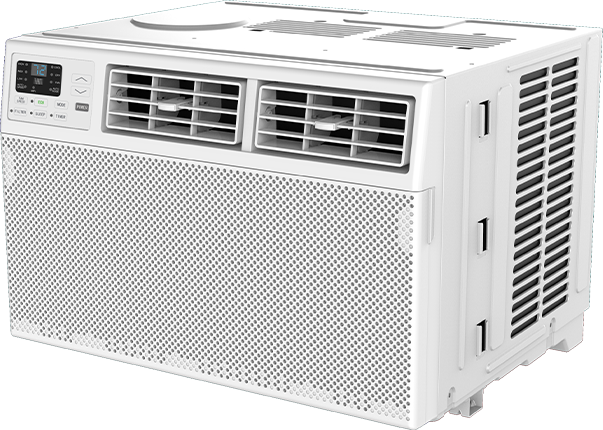
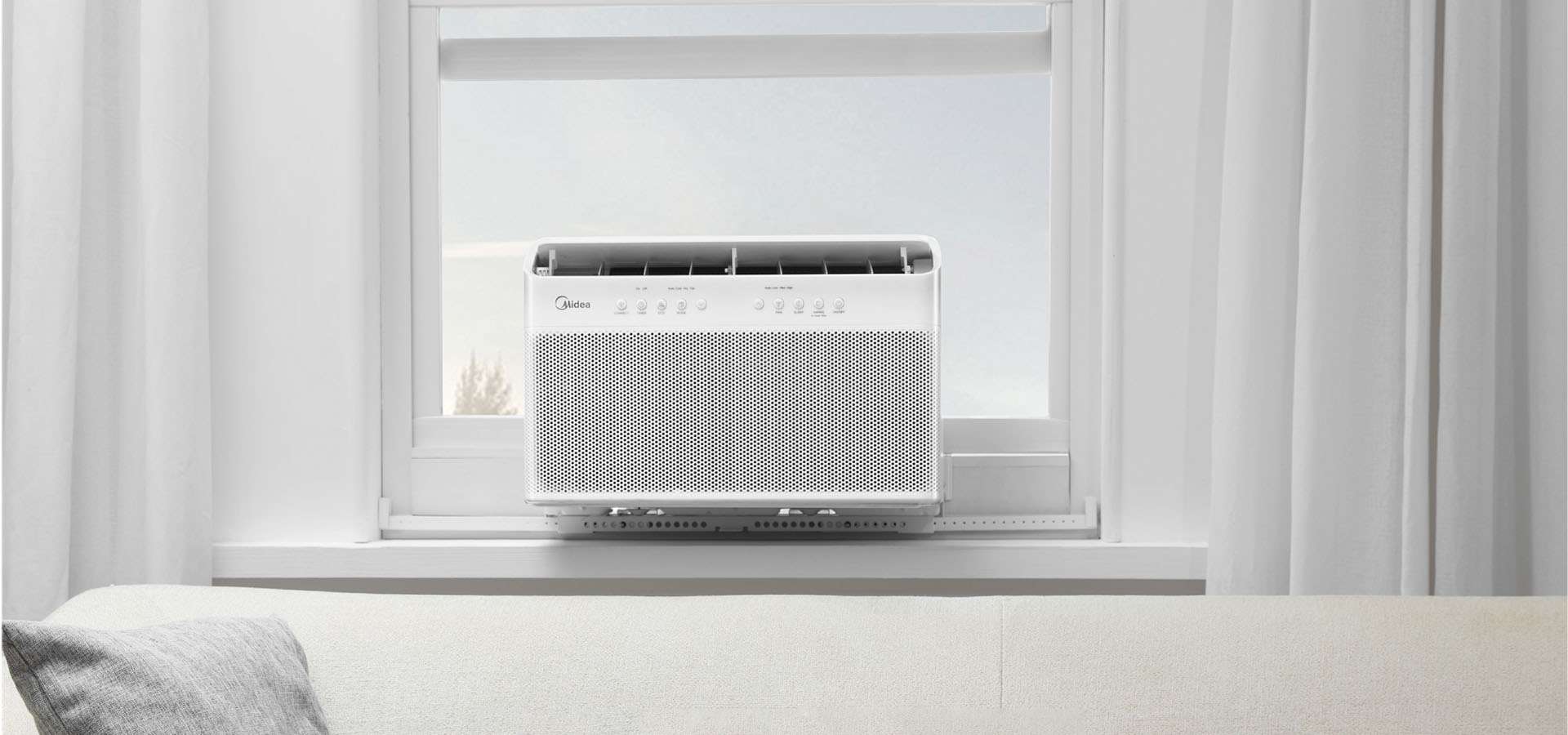
Window Air Conditioner Fresh Air Intake

Window Air Conditioner Fresh Air Intake: Balancing Comfort and Efficiency
Window air conditioners offer a cost-effective and convenient solution for cooling individual rooms. While their primary function is cooling, some models incorporate a feature called a fresh air intake. This article delves into the functionality, benefits, drawbacks, and maintenance aspects of fresh air intake in window air conditioners, providing insights for homeowners, HVAC technicians, and facility managers.
Understanding the Fresh Air Intake
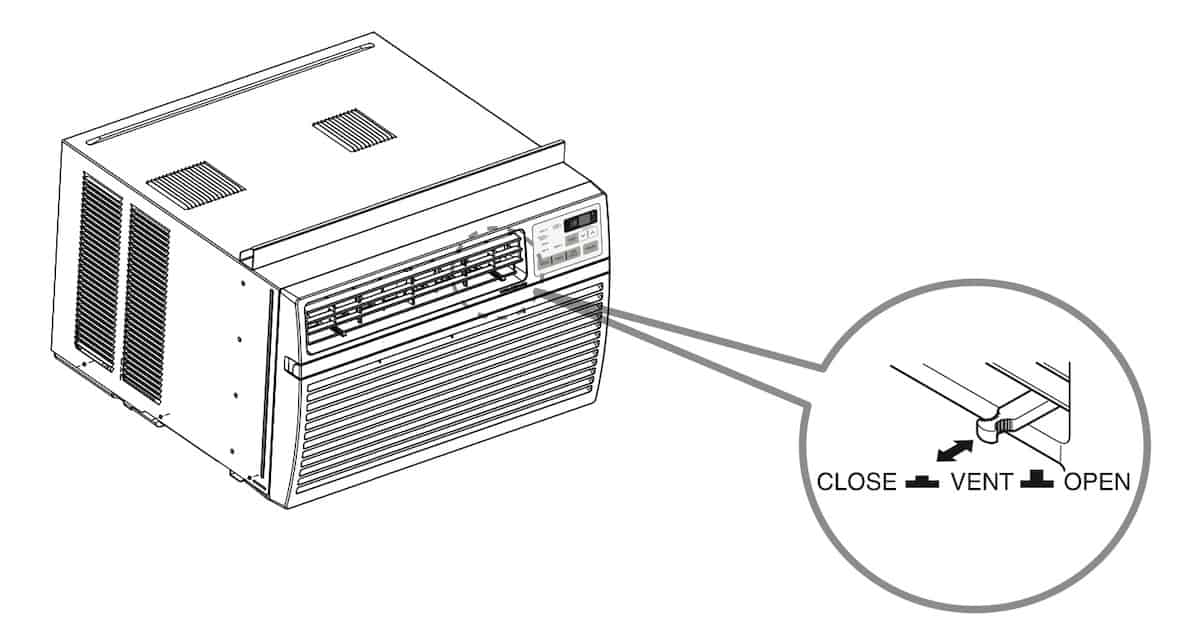
The fresh air intake is a vent or damper on the window air conditioner that allows outside air to be drawn into the room. This feature is designed to improve indoor air quality by diluting stale air and reducing the concentration of indoor pollutants. Most units equipped with this feature have a control, typically a lever or switch, to open, close, or adjust the amount of fresh air entering the room.
How it Works: When the fresh air intake is open, the air conditioner's fan pulls outdoor air through the vent. This incoming air mixes with the cooled air circulated within the room. The stale, potentially polluted indoor air is then forced out through gaps around doors and windows, effectively creating a ventilation system. This process isn't as efficient or controlled as a dedicated whole-house ventilation system, but it can offer some benefits.
Benefits of Using the Fresh Air Intake
The primary advantage of a fresh air intake is improved indoor air quality (IAQ). Here are some specific benefits:
- Reduced Indoor Pollutants: Indoor air can contain volatile organic compounds (VOCs) from cleaning products, furniture, and building materials. A fresh air intake helps dilute these pollutants.
- Lower Carbon Dioxide Levels: Occupants exhale carbon dioxide, and in poorly ventilated spaces, CO2 levels can rise, leading to drowsiness and headaches. Introducing fresh air helps reduce CO2 concentration.
- Reduced Odors: Fresh air can help eliminate lingering odors from cooking, pets, or other sources.
- Improved Air Circulation: Even a small amount of fresh air can improve overall air circulation within the room, preventing stagnant air pockets.
For example, consider a small office space where several employees work. Without proper ventilation, CO2 levels can rise throughout the day, leading to decreased productivity. Opening the fresh air intake on a window air conditioner can help alleviate this issue.
Drawbacks and Considerations
While beneficial, the fresh air intake also presents some drawbacks that users should consider:
- Reduced Cooling Efficiency: Introducing warmer, humid outdoor air into the room forces the air conditioner to work harder to maintain the desired temperature. This leads to increased energy consumption and higher electricity bills.
- Increased Humidity: In humid climates, the fresh air intake can introduce moisture into the room, potentially leading to discomfort and, in some cases, mold growth.
- Introduction of Outdoor Pollutants: Depending on the location and outdoor air quality, the fresh air intake can draw in pollen, dust, smog, and other pollutants, negating the IAQ benefits.
- Security Concerns: An open fresh air intake can be a small entry point for insects or, in rare cases, even intruders.
- Noise Pollution: If you live in a noisy area, opening the fresh air intake will also bring outside noises into the room.
Impact on Energy Bills: The reduced cooling efficiency translates to higher energy consumption. In a study conducted by the Environmental Protection Agency (EPA), it was found that using the fresh air intake consistently during peak cooling hours can increase energy consumption by 10-15%.
Optimal Usage Strategies
To maximize the benefits and minimize the drawbacks of the fresh air intake, consider these usage strategies:
- Use Sparingly During Peak Cooling Hours: Limit the use of the fresh air intake during the hottest parts of the day when the air conditioner is working hardest.
- Monitor Humidity Levels: Use a hygrometer to monitor the humidity levels in the room. If the humidity becomes too high, close the fresh air intake.
- Check Outdoor Air Quality: Before opening the fresh air intake, check the outdoor air quality index (AQI). Avoid using it on days with high pollution levels.
- Clean the Air Conditioner Regularly: Regular cleaning of the air conditioner filters and vents is essential for maintaining IAQ, regardless of fresh air intake usage.
- Consider Air Purifiers: If IAQ is a major concern, consider using a dedicated air purifier in conjunction with the window air conditioner.
Maintenance and Cleaning
Proper maintenance is crucial for ensuring the fresh air intake functions effectively and doesn't become a source of pollutants. Here are some maintenance tips:
- Clean the Intake Vent Regularly: Use a vacuum cleaner or damp cloth to remove dust and debris from the intake vent.
- Check for Obstructions: Ensure that the intake vent is not blocked by furniture or other objects.
- Inspect the Filter (if applicable): Some window air conditioners with fresh air intake have a small filter on the intake vent. Clean or replace this filter regularly according to the manufacturer's instructions.
Fresh Air Intake vs. Energy Recovery Ventilators (ERVs)
While the fresh air intake on a window air conditioner provides a basic level of ventilation, it's not comparable to a dedicated ventilation system like an Energy Recovery Ventilator (ERV). ERVs are designed to exchange stale indoor air with fresh outdoor air while minimizing energy loss. They pre-condition the incoming air by transferring heat and moisture between the incoming and outgoing air streams.
Cost Comparison: A window air conditioner with a fresh air intake adds minimal cost to the unit itself (typically a few dollars). ERVs, on the other hand, are significantly more expensive, requiring professional installation and integration into the building's HVAC system. The initial investment for an ERV can range from $1,000 to $5,000 or more, depending on the size and complexity of the system.
Efficiency Comparison: ERVs are far more energy-efficient than simply opening a fresh air intake on a window air conditioner. ERVs can recover up to 80% of the energy that would otherwise be lost during ventilation. This significantly reduces energy consumption and lowers utility bills.
Fresh Air Intake: A Feature for Specific Needs
The fresh air intake on a window air conditioner can be a valuable feature for improving indoor air quality in certain situations. However, it's essential to understand the drawbacks and use it strategically to avoid compromising cooling efficiency and introducing outdoor pollutants. For homeowners and facility managers seeking comprehensive ventilation solutions, ERVs offer a more efficient and controlled alternative. Ultimately, the choice depends on individual needs, budget, and environmental conditions.
Considerations for HVAC Technicians: When servicing window air conditioners with fresh air intakes, technicians should educate customers about the proper usage and maintenance of the feature. This includes explaining the potential impact on energy consumption and the importance of cleaning the intake vent regularly. Furthermore, technicians should assess the customer's specific needs and recommend alternative ventilation solutions, such as ERVs or air purifiers, if appropriate.
Conclusion
Understanding the advantages and disadvantages of fresh air intakes in window air conditioners is crucial for making informed decisions about indoor air quality and energy consumption. By carefully managing the use of this feature and prioritizing regular maintenance, homeowners and facility managers can optimize their cooling systems for both comfort and efficiency.