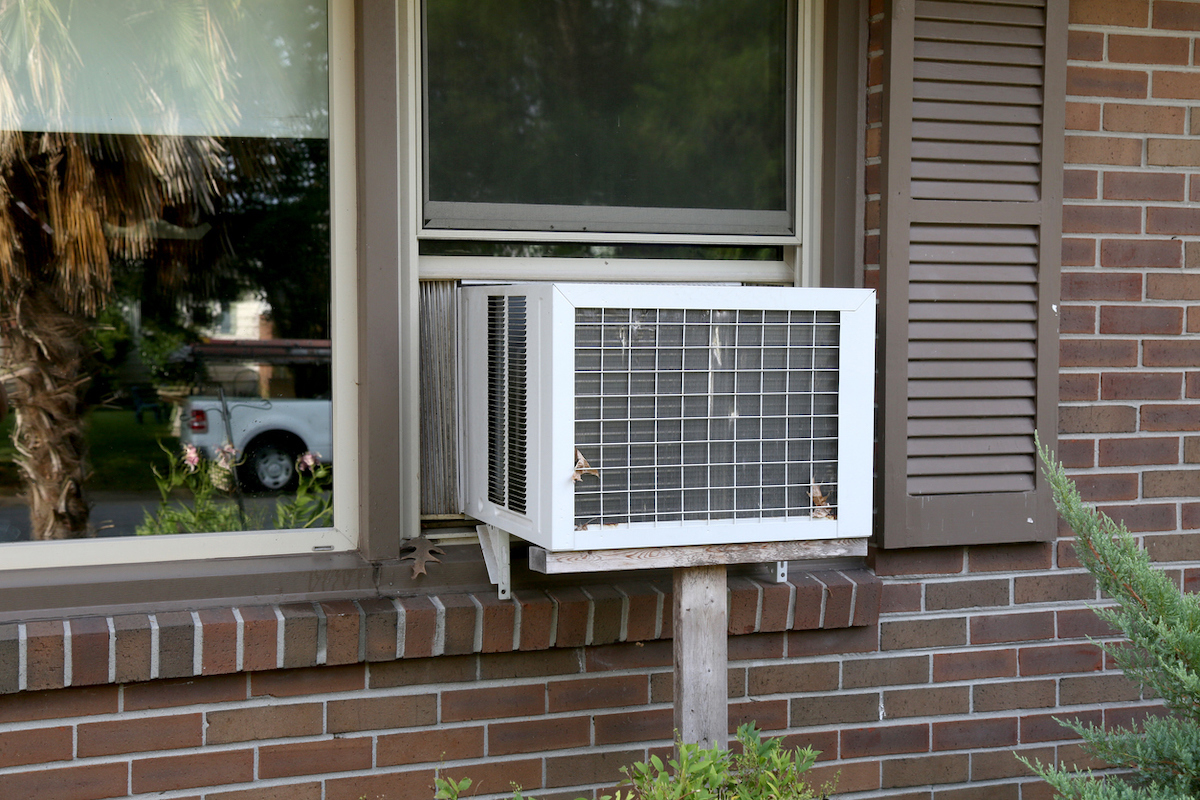
Window Too Big For Ac Unit

Choosing the right air conditioner for your home can feel like navigating a maze of acronyms, BTU ratings, and installation considerations. One of the most crucial factors often overlooked is the relationship between your window size and the cooling capacity of your chosen AC unit. A window too big for AC unit is a common problem, leading to inefficiency, higher energy bills, and a perpetually uncomfortable living space. This comprehensive guide explores the consequences of mismatching window size and AC capacity, helping you make informed decisions for optimal cooling performance.
Understanding the Problem: Window Size and AC Capacity
The core issue is simple: an air conditioner's BTU (British Thermal Unit) rating must align with the room's size and heat load. BTU represents the amount of heat an AC unit can remove from a room in one hour. A room with a large window experiences a greater heat load, requiring a higher BTU AC. Conversely, an oversized AC in a small room will cycle on and off too frequently, failing to properly dehumidify the space and wasting energy.
Why Mismatching Matters
- Inefficient Cooling: An AC unit struggling to cool a room with oversized windows will run constantly, leading to poor cooling performance and uneven temperatures.
- Higher Energy Bills: Constant operation translates directly into increased energy consumption and higher electricity bills.
- Shortened Lifespan: Overworked components are more prone to failure, reducing the lifespan of your AC unit.
- Poor Dehumidification: Oversized ACs cycle on and off quickly, preventing them from adequately removing moisture from the air. This can lead to a clammy and uncomfortable indoor environment.
- Mold and Mildew Growth: Inadequate dehumidification can create conditions favorable for mold and mildew growth, impacting indoor air quality and potentially causing health problems.
Assessing Your Window Size and Heat Load
Before purchasing an AC unit, accurately assess the window size and other factors contributing to the room's heat load.
Measuring Your Windows
Measure the height and width of your windows in inches. Multiply these figures to determine the window's area in square inches. Convert square inches to square feet by dividing by 144. This measurement provides a baseline for estimating heat gain.
Factors Influencing Heat Load
Beyond window size, consider these additional factors:
- Window Direction: South-facing and west-facing windows receive the most direct sunlight and contribute significantly to heat gain.
- Window Type: Single-pane windows offer minimal insulation compared to double-pane or low-E windows.
- Insulation: Poor insulation in walls and ceilings allows heat to transfer easily into the room.
- Room Size: Larger rooms require higher BTU AC units.
- Occupancy: The number of people regularly occupying the room contributes to the heat load.
- Appliances: Heat-generating appliances like computers, televisions, and cooking equipment increase the room's heat load.
- Lighting: Incandescent light bulbs produce more heat than LED or fluorescent bulbs.
Determining the Right BTU for Your Room
Use the following guidelines as a starting point for selecting the appropriate BTU rating. Keep in mind that these are general recommendations and may need adjustment based on the factors listed above.
- 100-150 sq ft: 5,000 BTU
- 150-250 sq ft: 6,000 BTU
- 250-300 sq ft: 7,000 BTU
- 300-350 sq ft: 8,000 BTU
- 350-400 sq ft: 9,000 BTU
- 400-450 sq ft: 10,000 BTU
- 450-550 sq ft: 12,000 BTU
- 550-700 sq ft: 14,000 BTU
If your windows are particularly large or face south/west, consider adding 10-20% to the recommended BTU rating. Similarly, if the room is poorly insulated, increase the BTU rating accordingly. Conversely, if you have energy-efficient windows and good insulation, you may be able to choose a slightly lower BTU rating.
Solutions for Oversized Windows
If you have large windows and cannot easily replace them, consider these solutions to mitigate heat gain:
- Window Treatments: Install high-quality blinds, curtains, or shades to block sunlight. Blackout curtains are particularly effective at reducing heat gain.
- Window Film: Apply reflective window film to reduce the amount of solar heat entering the room.
- Awnings: Install awnings over windows to provide shade and block direct sunlight.
- Landscaping: Plant trees or shrubs to provide shade and reduce heat gain.
- Upgrade Windows: Consider replacing single-pane windows with double-pane or low-E windows for improved insulation.
Types of Air Conditioners and Considerations
Several types of air conditioners are available, each with its own pros and cons:
- Window AC Units: These are the most common and affordable option. They are easy to install and suitable for cooling single rooms.
- Portable AC Units: These units are mobile and require venting through a window. They are less efficient than window ACs but offer greater flexibility.
- Mini-Split Systems: These systems consist of an outdoor compressor and one or more indoor air handlers. They offer excellent cooling performance and energy efficiency.
- Central AC Systems: These systems use a network of ducts to distribute cooled air throughout the entire house. They are the most expensive option but provide the most consistent and efficient cooling.
Window AC Units
Pros: Affordable, easy to install, suitable for single rooms.
Cons: Can be noisy, less energy-efficient than other options, block window view.
Popular brands include Frigidaire, GE, and LG. Look for models with high Energy Efficiency Ratios (EER) for better performance.
Portable AC Units
Pros: Mobile, no permanent installation required.
Cons: Less efficient than window ACs, require venting, can be bulky.
Brands like Whynter and Honeywell offer a range of portable AC units. Consider models with dual-hose systems for improved efficiency.
Mini-Split Systems
Pros: Energy-efficient, quiet operation, zone cooling.
Cons: More expensive than window or portable ACs, require professional installation.
Mitsubishi Electric, Daikin, and LG are leading manufacturers of mini-split systems. Look for models with high SEER (Seasonal Energy Efficiency Ratio) ratings.
Central AC Systems
Pros: Whole-house cooling, consistent temperatures, quiet operation.
Cons: Most expensive option, requires ductwork, professional installation.
Carrier, Trane, and Lennox are well-known central AC brands. Pay attention to SEER ratings and consider models with variable-speed compressors for enhanced efficiency.
Understanding Efficiency Ratings: SEER, EER, and HSPF
Several efficiency ratings help you compare the performance of different AC units:
- SEER (Seasonal Energy Efficiency Ratio): Measures the cooling efficiency of an AC unit over an entire cooling season. Higher SEER ratings indicate better energy efficiency. Aim for a SEER rating of at least 15 for optimal savings.
- EER (Energy Efficiency Ratio): Measures the cooling efficiency of an AC unit at a specific temperature and humidity level. EER is typically used for window and portable AC units. Look for models with high EER ratings.
- HSPF (Heating Seasonal Performance Factor): Measures the heating efficiency of heat pumps. This rating is relevant if you are considering a heat pump for both heating and cooling.
- AFUE (Annual Fuel Utilization Efficiency): Measures the efficiency of a furnace in converting fuel to heat. Relevant for heating systems.
Warranties and Maintenance
Understanding the warranty and maintenance requirements of your AC unit is crucial for long-term performance and reliability.
Warranties
Most AC units come with a manufacturer's warranty that covers defects in materials and workmanship. The warranty period can vary depending on the brand and model. Read the warranty carefully to understand what is covered and what is not. Consider extended warranties for added protection.
Maintenance
Regular maintenance is essential for keeping your AC unit running efficiently and preventing costly repairs. Key maintenance tasks include:
- Cleaning or Replacing Air Filters: Dirty air filters restrict airflow and reduce cooling efficiency. Replace or clean filters every 1-3 months.
- Cleaning the Condenser Coils: Dirty condenser coils reduce the AC unit's ability to dissipate heat. Clean the coils annually.
- Checking Refrigerant Levels: Low refrigerant levels can reduce cooling performance and damage the compressor. Have a professional check refrigerant levels annually.
- Inspecting Ductwork (for central AC systems): Leaks in ductwork can significantly reduce cooling efficiency. Seal any leaks to improve performance.
Cost Considerations
The cost of an AC unit varies depending on the type, size, and features. Window ACs are generally the most affordable, while central AC systems are the most expensive.
- Window AC Units: $150 - $500
- Portable AC Units: $300 - $800
- Mini-Split Systems: $1,500 - $5,000 (installed)
- Central AC Systems: $5,000 - $12,000 (installed)
In addition to the purchase price, consider installation costs, energy costs, and maintenance costs. A higher-efficiency AC unit may have a higher upfront cost but can save you money on energy bills in the long run.
Conclusion: Making the Right Choice
Dealing with a window too big for AC unit requires a comprehensive understanding of heat load, BTU ratings, and available solutions. By accurately assessing your needs and considering the factors outlined in this guide, you can choose the right AC unit for your home and enjoy optimal cooling performance, energy efficiency, and long-term comfort. Remember to prioritize proper installation and regular maintenance to maximize the lifespan and efficiency of your investment. Consult with a qualified HVAC professional for personalized recommendations and expert advice.