Wire Size For A 60 Amp Circuit
Frequently Asked Questions: Wire Size for a 60 Amp Circuit
Choosing the right wire size for a 60 amp circuit is crucial for safety and preventing electrical hazards. Undersized wires can overheat, leading to fire, while oversized wires are simply an unnecessary expense. This FAQ will address common questions about wire sizing to ensure you make the right choice.
Q1: What wire size do I need for a 60 amp circuit?
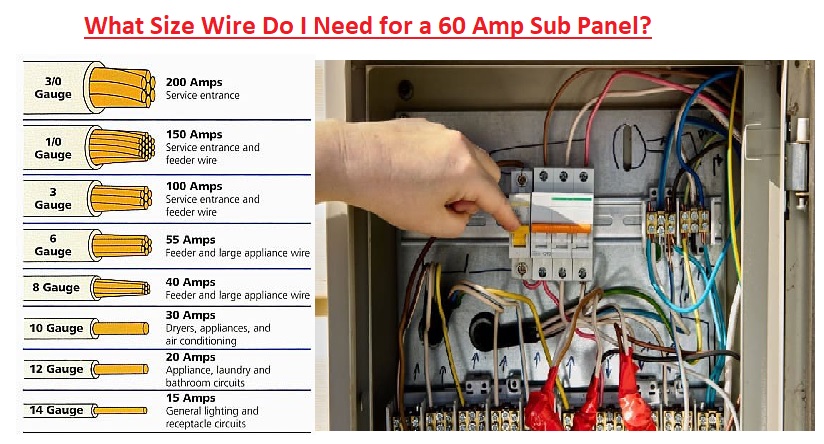
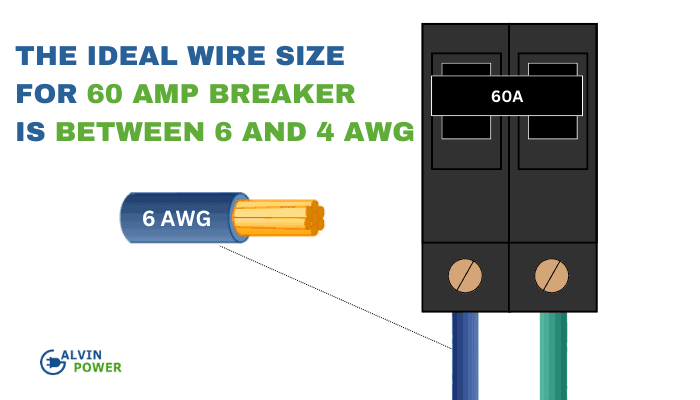
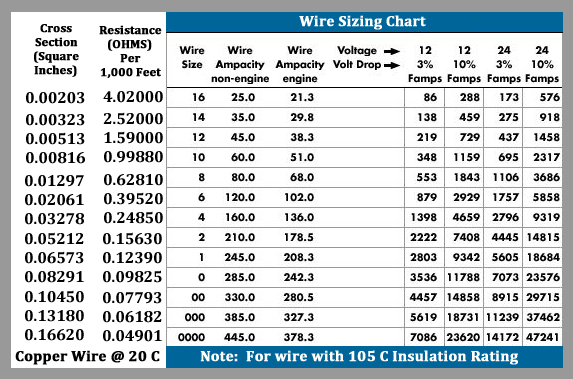
The minimum wire size for a 60 amp circuit is typically 6 AWG copper or 4 AWG aluminum. However, this is a simplified answer. The actual required wire size can vary depending on several factors, including the type of wire (copper or aluminum), the wiring method (e.g., conduit, cable), the insulation temperature rating of the wire, and the length of the run.
It's essential to consult the National Electrical Code (NEC) or a qualified electrician to determine the correct wire size for your specific situation. Ignoring these factors could lead to dangerous overheating and potential fire hazards.
Q2: Why does the type of wire (copper vs. aluminum) matter?
Copper and aluminum have different electrical conductivity. Copper is a better conductor than aluminum, meaning it can carry more current for a given wire size. Therefore, for the same amperage, you'll generally need a larger gauge aluminum wire compared to a copper wire.
Specifically:
- Copper: As mentioned above, typically requires 6 AWG for a 60 amp circuit.
- Aluminum: Typically requires 4 AWG for a 60 amp circuit.
Always refer to the ampacity tables in the NEC or consult with a licensed electrician to confirm the correct wire size based on the material.
Q3: What is ampacity, and why is it important?
Ampacity is the maximum amount of electrical current, measured in amperes (amps), that a conductor can carry continuously without exceeding its temperature rating. Exceeding the ampacity of a wire can cause it to overheat, potentially damaging the insulation and leading to a fire.
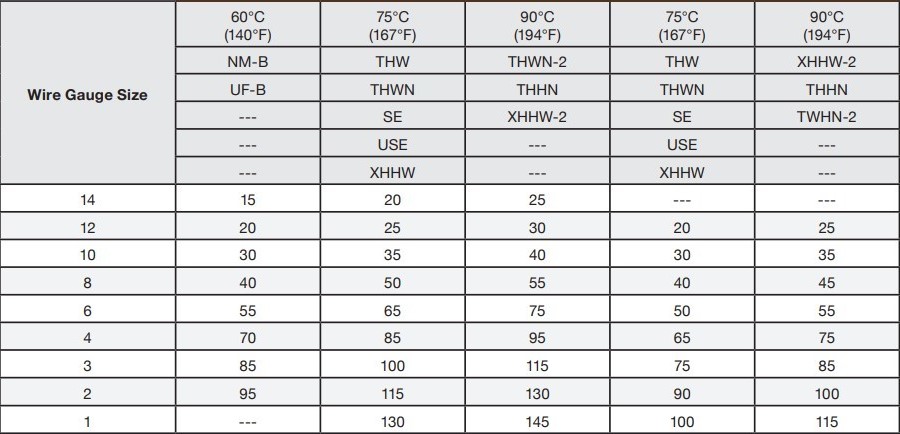
The NEC provides ampacity tables that list the allowable ampacities for different wire sizes and types. These tables take into account factors like the wire material (copper or aluminum), the insulation type, the ambient temperature, and the number of current-carrying conductors in a raceway or cable.
When selecting wire for a 60 amp circuit, ensure that the wire's ampacity is at least 60 amps, taking into account all relevant factors.
Q4: Does the length of the wire run affect the wire size needed? (Voltage Drop)
Yes, the length of the wire run absolutely affects the wire size. As electricity travels through a wire, it experiences a loss of voltage, known as voltage drop. The longer the wire, the greater the voltage drop. Excessive voltage drop can cause appliances and equipment to operate inefficiently or not at all.
For longer runs, you might need to increase the wire size to compensate for voltage drop. The NEC recommends limiting voltage drop to no more than 3% for branch circuits and no more than 5% for feeders.
To calculate voltage drop, you can use online voltage drop calculators or consult with an electrician. These calculators typically require information such as the wire length, the current (amps), the voltage, and the wire size.
In short, for long wire runs, a 6 AWG copper wire, which would normally be sufficient for a 60-amp circuit, might need to be upgraded to a 4 AWG or even a 2 AWG to mitigate voltage drop and ensure proper operation of the connected equipment.
Q5: What other factors besides wire size should I consider when wiring a 60 amp circuit?
Beyond wire size, consider these crucial factors:
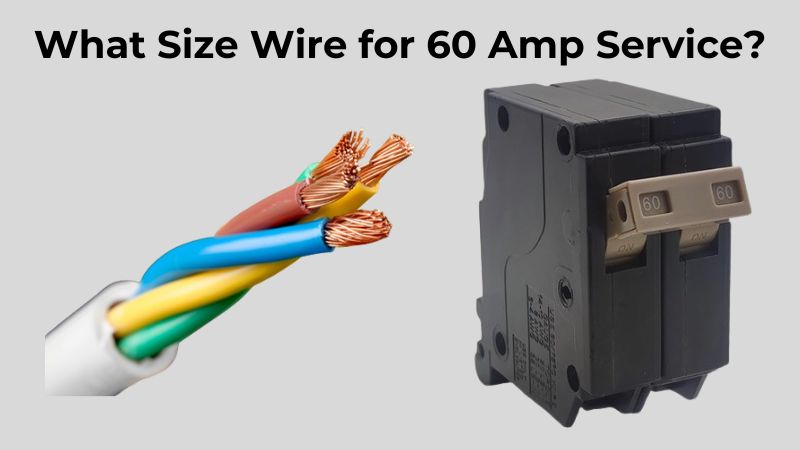
- Circuit Breaker: Use a 60 amp circuit breaker to protect the circuit from overloads and short circuits. The breaker's amp rating should match the circuit's ampacity.
- Wiring Method: The way you install the wire (e.g., in conduit, as NM-B cable) affects its ampacity. Different wiring methods have different heat dissipation capabilities. Consult the NEC for ampacity adjustments based on the wiring method.
- Insulation Temperature Rating: Wires have temperature ratings (e.g., 60°C, 75°C, 90°C). Use wire with an appropriate temperature rating for the application. Higher temperature ratings generally allow for higher ampacities.
- Terminations: Ensure that all connections (e.g., at the circuit breaker, receptacles, and appliances) are properly tightened and made with appropriate connectors. Loose connections can cause overheating and arcing.
- Conduit Fill: If running wires in conduit, adhere to conduit fill requirements outlined in the NEC. Overfilling a conduit can reduce the wire's ampacity due to reduced heat dissipation.
- Environmental Conditions: Extreme ambient temperatures can affect the wire's ampacity. If the wiring is exposed to high temperatures, you might need to derate the wire's ampacity.
- Type of Load: While the circuit may be rated for 60 amps, consider the nature of the load. Is it a continuous load (operating for 3 hours or more)? If so, you might need to derate the circuit, potentially affecting the required wire size.
Always consult the NEC and a qualified electrician to ensure that all wiring is done safely and in accordance with local codes.
Q6: Can I use a smaller wire size if I'm only using a portion of the 60 amps?
No. The circuit is rated for 60 amps, and the wiring must be sized accordingly, regardless of the current you're currently drawing. The wire size must be based on the circuit breaker's rating, not the expected load. This ensures that the circuit can handle the full 60 amps safely if the load increases in the future. It also provides a safety margin for unexpected surges or faults.
Using a smaller wire size than required by the circuit breaker is a serious safety hazard and can lead to overheating, fire, and equipment damage.
Q7: Where can I find more information about wire sizing and electrical codes?
Your primary source for electrical codes and standards is the National Electrical Code (NEC), published by the National Fire Protection Association (NFPA). You can purchase a copy of the NEC online or at many hardware stores.
Other valuable resources include:
- Local Building Codes: Check with your local building department for any specific electrical codes or requirements that may be in place in your area.
- Licensed Electricians: Consulting with a licensed electrician is always the best way to ensure that your electrical work is done safely and correctly. An electrician can assess your specific needs and provide expert advice on wire sizing, circuit design, and other electrical matters.
- Online Resources: Many websites offer information and calculators related to wire sizing and electrical codes. However, always verify the information with the NEC or a qualified electrician.
Disclaimer: This information is for general guidance only and should not be considered a substitute for professional electrical advice. Electrical work can be dangerous, and it's essential to consult with a qualified electrician before undertaking any electrical project. Incorrect wiring can result in serious injury, death, or property damage.