Wood Doctor Outdoor Furnace

Rising energy costs are a major concern for homeowners and businesses alike. Finding efficient and sustainable heating solutions is no longer just an eco-friendly choice; it's a financial necessity. One heating option gaining traction is the Wood Doctor Outdoor Furnace. This article explores the ins and outs of these systems, examining their efficiency, cost-effectiveness, environmental impact, and smart integration potential.
What is a Wood Doctor Outdoor Furnace?
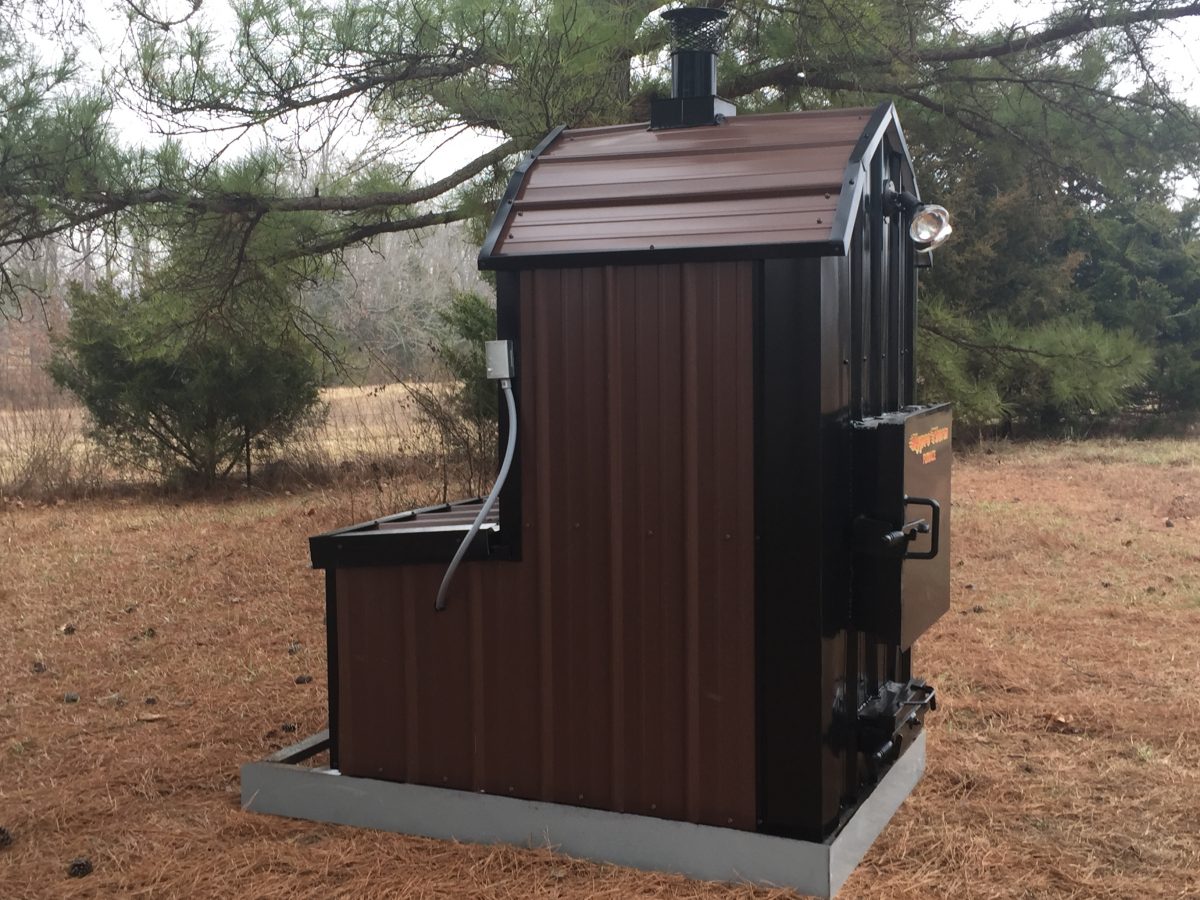
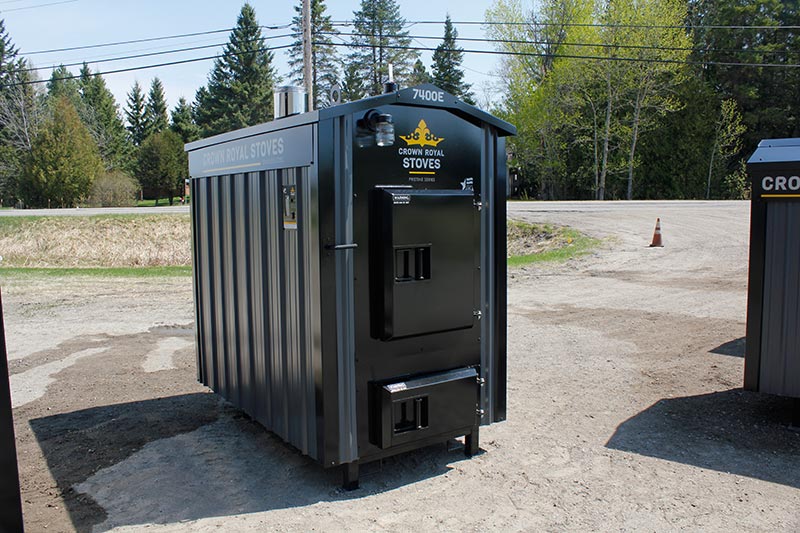
A Wood Doctor Outdoor Furnace, also known as an outdoor wood boiler, is a heating system designed to burn wood (or other biomass fuels) outside of the building it heats. This eliminates the indoor mess and fire hazards associated with traditional wood stoves. The furnace heats water, which is then piped underground to a heat exchanger inside the home or building. This heat exchanger transfers the heat to the existing heating system, such as a forced-air furnace, radiant floor heating, or domestic hot water system.
Wood Doctor is one of several manufacturers of outdoor wood furnaces, although specific technical details and model availability will vary between manufacturers and retailers. This article aims to provide a general understanding of the *concept* of outdoor wood furnaces, with Wood Doctor serving as a recognizable example.
How Wood Doctor Outdoor Furnaces Work
The basic operation of a Wood Doctor Outdoor Furnace is relatively simple:
- Combustion Chamber: Wood is loaded into the firebox and ignited.
- Water Jacket: The firebox is surrounded by a water jacket, which absorbs the heat generated by the burning wood.
- Water Circulation: A pump circulates the heated water through insulated underground pipes to the building being heated.
- Heat Exchanger: Inside the building, the hot water passes through a heat exchanger, transferring heat to the air or water of the existing heating system.
- Thermostat Control: The thermostat controls the circulation pump, activating it when heat is needed.
Benefits of Wood Doctor Outdoor Furnaces
Several key benefits make Wood Doctor Outdoor Furnaces an attractive heating option:
- Cost Savings: Wood is often a cheaper fuel source than oil, propane, or electricity, especially in regions with readily available and affordable wood supplies. ROI on these types of systems can be significant, especially if the homeowner is able to source their own firewood.
- Independence: Reduces reliance on fossil fuels and utility companies, offering energy independence.
- Whole-Home Heating: Capable of heating entire homes, multiple buildings, and even domestic hot water.
- Reduced Indoor Mess: Eliminates the mess and fire hazards associated with indoor wood stoves.
- Sustainable Fuel Source: Wood is a renewable resource, especially when sourced from sustainably managed forests.
Potential Drawbacks
While offering numerous advantages, it's crucial to consider the potential drawbacks:
- Initial Investment: The upfront cost of a Wood Doctor Outdoor Furnace can be significant, including the furnace itself, installation, and underground piping.
- Maintenance: Requires regular maintenance, including loading wood, cleaning the firebox, and maintaining the water chemistry to prevent corrosion.
- Emissions: Older models can produce significant emissions, although newer EPA-certified models are much cleaner burning. Always check local regulations regarding emissions.
- Space Requirements: Requires adequate outdoor space for the furnace and wood storage.
- Wood Sourcing: Requires a reliable source of firewood, which may involve cutting, splitting, and storing wood.
Energy Efficiency and Cost Savings
The energy efficiency and cost savings of a Wood Doctor Outdoor Furnace depend on several factors, including:
- Furnace Efficiency: Newer EPA-certified models are significantly more efficient than older, non-certified models. Look for models with higher efficiency ratings.
- Wood Quality: Using seasoned (dry) wood is crucial for efficient combustion. Wet wood burns inefficiently and produces more smoke.
- Insulation: Proper insulation of the underground pipes is essential to minimize heat loss.
- Heating Demand: The amount of energy required to heat the building will affect the overall cost savings.
- Fuel Costs: The cost of wood compared to other fuels in your area will determine the potential savings.
To maximize energy savings, consider the following:
- Choose an EPA-Certified Model: EPA-certified models are designed to burn cleaner and more efficiently, reducing emissions and fuel consumption.
- Use Seasoned Wood: Dry wood burns more efficiently and produces less smoke.
- Properly Insulate Underground Pipes: Minimize heat loss by using high-quality insulation.
- Maintain the Furnace Regularly: Regular cleaning and maintenance will ensure optimal performance.
- Consider a Smart Thermostat: Integrating a smart thermostat can optimize heating schedules and further reduce energy consumption.
Calculating ROI
Determining the return on investment (ROI) for a Wood Doctor Outdoor Furnace requires careful calculation. Factors to consider include:
- Initial Cost: Purchase price, installation, and any necessary permits.
- Annual Fuel Costs: Cost of wood, including purchasing or the cost of your labor to acquire.
- Maintenance Costs: Cost of cleaning, repairs, and water treatment chemicals.
- Savings Compared to Existing System: The difference in cost between heating with wood and heating with oil, propane, or electricity.
- Rebates and Incentives: Check for available government rebates or tax credits for energy-efficient heating systems.
A simple ROI calculation could look like this:
Total Initial Investment: $10,000
Annual Savings (compared to propane): $2,000
Years to ROI: 5 years (10,000 / 2,000 = 5)
This is a simplified example, and it's important to conduct a thorough cost analysis based on your specific circumstances.
Smart HVAC Integration
Integrating a Wood Doctor Outdoor Furnace with smart HVAC systems can further enhance efficiency and convenience. Smart thermostats, sensors, and automated controls can optimize heating schedules, monitor performance, and provide remote access.
Here are some ways to integrate smart technology:
- Smart Thermostat: Allows for programmable heating schedules and remote temperature control. Some models can also learn your heating preferences and adjust automatically.
- Temperature Sensors: Monitor temperatures in different zones of the building and adjust heating accordingly.
- Automated Controls: Automatically adjust the furnace's operation based on weather conditions and heating demand.
- Remote Monitoring: Allows you to monitor the furnace's performance and receive alerts if there are any issues.
For example, a smart thermostat can be programmed to lower the temperature at night or when the building is unoccupied, saving energy. Temperature sensors can ensure that each zone is heated to the desired temperature, preventing overheating and energy waste. Some systems even allow you to monitor the water temperature in the furnace remotely, ensuring that it's operating within the optimal range.
Environmental Considerations
The environmental impact of a Wood Doctor Outdoor Furnace is a crucial consideration. While wood is a renewable resource, burning wood can produce emissions that contribute to air pollution.
Here are some key environmental considerations:
- Emissions: Older, non-certified models can produce significant emissions, including particulate matter, carbon monoxide, and nitrogen oxides. EPA-certified models are designed to burn cleaner and produce fewer emissions.
- Deforestation: Sustainable forest management is essential to ensure that wood is harvested responsibly and does not contribute to deforestation.
- Carbon Neutrality: Wood is often considered a carbon-neutral fuel source because trees absorb carbon dioxide during their growth, which is then released when the wood is burned. However, this is only true if forests are sustainably managed and replanted.
To minimize the environmental impact, choose an EPA-certified model, use seasoned wood, and source wood from sustainably managed forests. Consider investing in a high-efficiency particulate air (HEPA) filter to further reduce emissions.
Government Guidelines and Rebates
Government guidelines and rebates can significantly impact the cost-effectiveness of a Wood Doctor Outdoor Furnace. The Environmental Protection Agency (EPA) has established emission standards for outdoor wood boilers, and many states and local governments offer rebates or tax credits for installing EPA-certified models.
Before purchasing a Wood Doctor Outdoor Furnace, research available rebates and incentives in your area. Energy Star is a good place to start your research. These incentives can help offset the initial cost of the furnace and make it a more attractive investment.
Choosing the Right Wood Doctor Outdoor Furnace
Selecting the right Wood Doctor Outdoor Furnace requires careful consideration of your specific needs and circumstances. Consider the following factors:
- Heating Demand: Determine the amount of energy required to heat your building.
- Fuel Costs: Compare the cost of wood to other fuels in your area.
- Space Requirements: Ensure you have adequate outdoor space for the furnace and wood storage.
- Budget: Set a budget and stick to it.
- EPA Certification: Choose an EPA-certified model for cleaner burning and potential rebates.
- Warranty: Look for a furnace with a comprehensive warranty.
Consult with a qualified HVAC contractor to determine the best size and type of furnace for your needs. They can also provide valuable advice on installation, maintenance, and smart HVAC integration.
Conclusion
Wood Doctor Outdoor Furnaces offer a potentially cost-effective and sustainable heating solution for homeowners and businesses. By carefully considering the factors outlined in this article, you can make an informed decision and choose a furnace that meets your specific needs. Remember to prioritize energy efficiency, environmental responsibility, and smart HVAC integration to maximize the benefits of this heating option. With careful planning and implementation, a Wood Doctor Outdoor Furnace can provide years of reliable and affordable heating.