York Air Conditioning Systems

Frequently Asked Questions About York Air Conditioning Systems
Welcome! This FAQ addresses common questions homeowners and facility managers have about York Air Conditioning Systems. We aim to provide clear, concise answers to help you understand York's offerings, maintenance, and performance.
Question 1: What are the main types of York air conditioning systems available?
York offers a range of air conditioning systems to suit various needs and budgets. The primary types include:
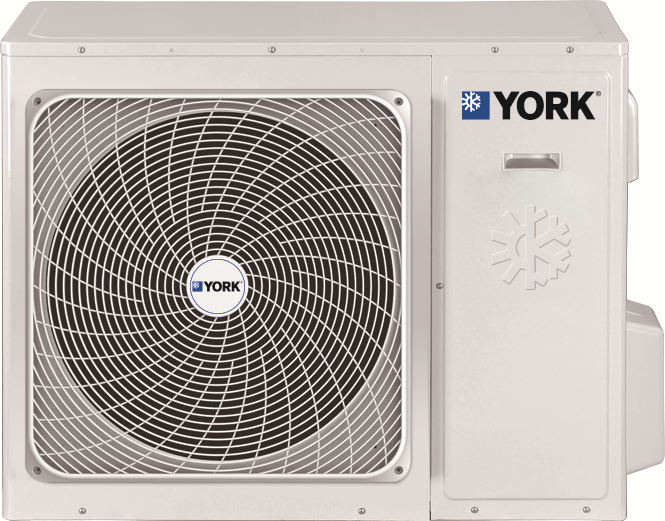
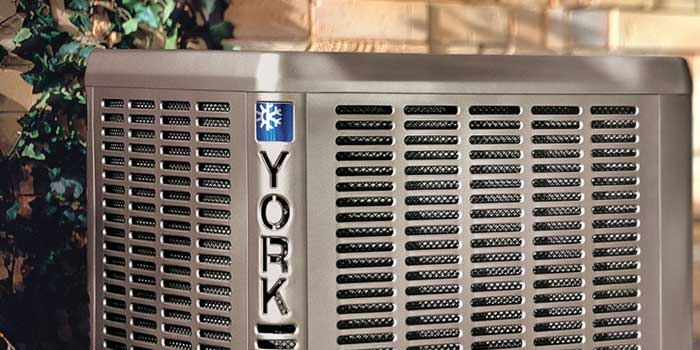
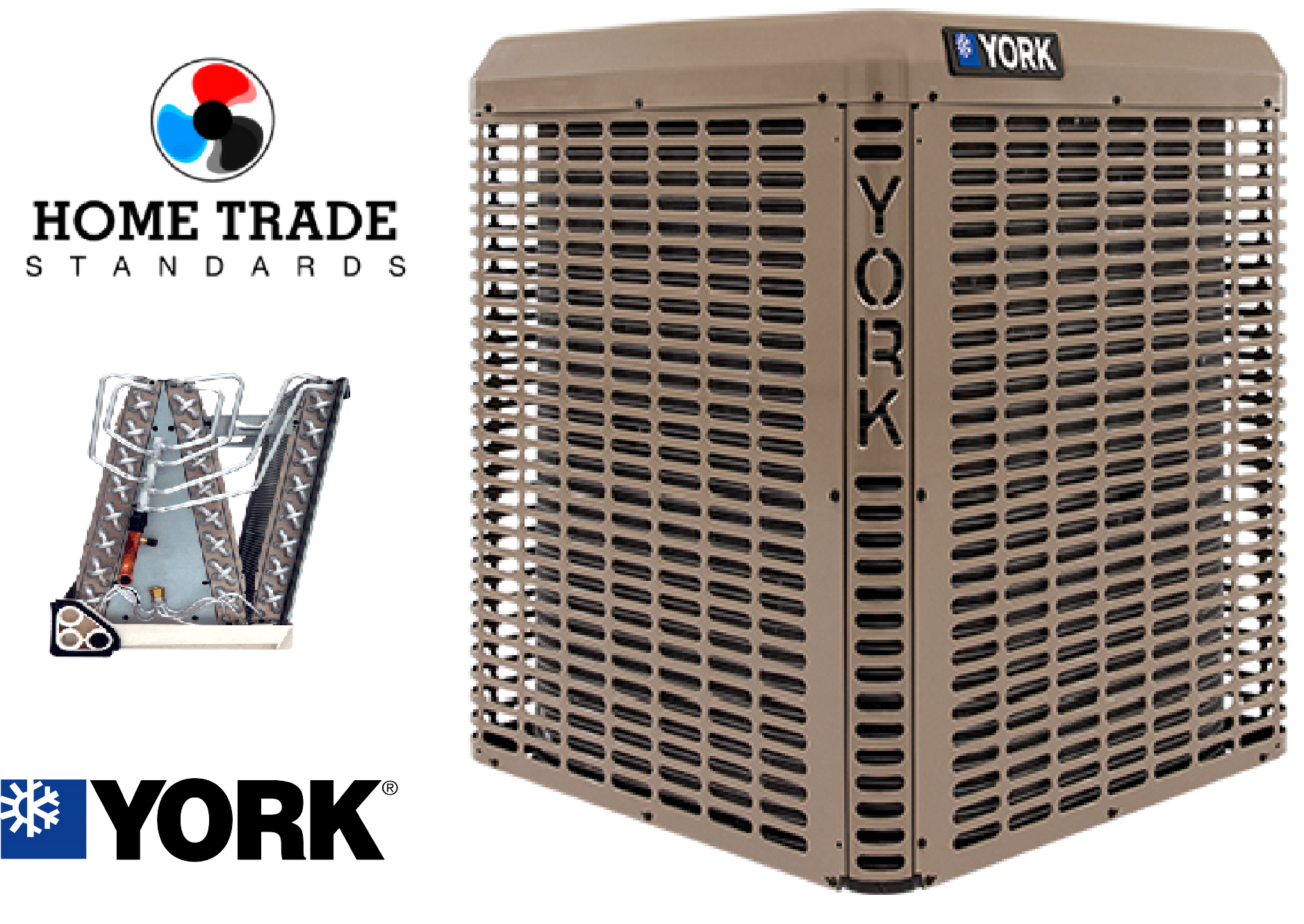
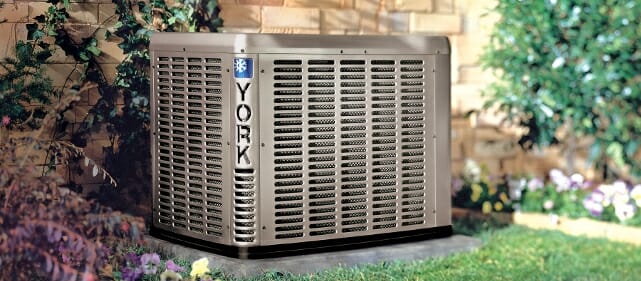
- Central Air Conditioners: These are the most common type for whole-house cooling. A central unit connects to your ductwork and distributes cool air throughout your home. York offers various models with different SEER ratings (Seasonal Energy Efficiency Ratio) to cater to diverse efficiency requirements.
- Heat Pumps: Heat pumps provide both heating and cooling. They transfer heat rather than generating it, making them an energy-efficient option, especially in milder climates. York's heat pumps are known for their reliability and advanced features.
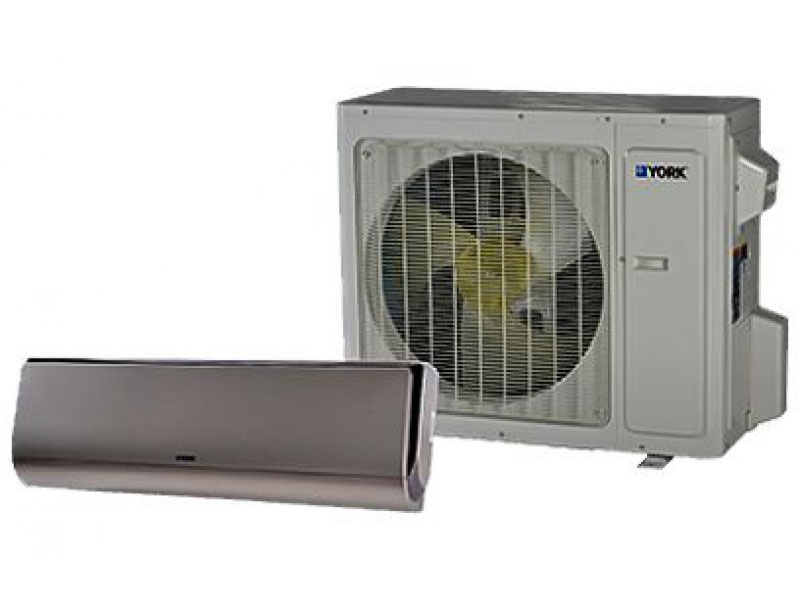
- Ductless Mini-Split Systems: Ideal for homes without ductwork or for cooling individual rooms. These systems consist of an outdoor unit and one or more indoor units (air handlers). York provides a variety of ductless systems to address specific cooling zones.
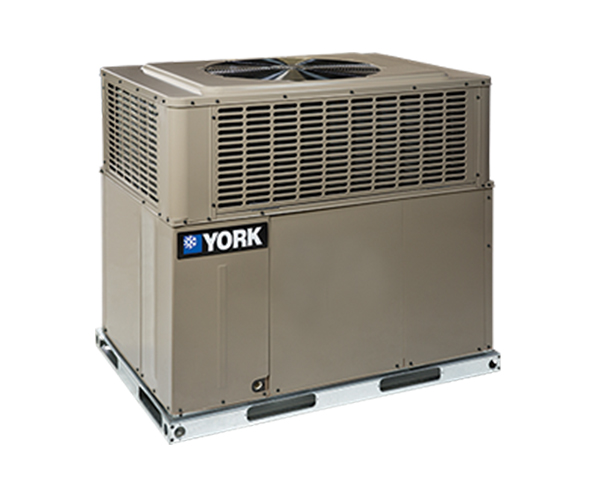
- Packaged Units: These are self-contained systems that house all components (compressor, condenser, evaporator) in a single outdoor unit. They are often used for smaller homes or commercial buildings and can be more cost-effective to install.
When choosing a York system, consider your home's size, climate, budget, and energy efficiency goals.
Question 2: How do I determine the right size (BTU) York air conditioner for my home?
Selecting the correct size air conditioner is crucial for optimal performance and energy efficiency. An undersized unit will struggle to cool your home adequately, while an oversized unit can lead to short cycling (frequent on/off cycles), which can reduce efficiency and potentially damage the compressor.
BTU (British Thermal Unit) measures the amount of heat an air conditioner can remove from a room per hour. To determine the appropriate BTU rating, consider the following factors:
- Square Footage: The size of the area you need to cool is a primary factor. Generally, you need about 20 BTU per square foot. For example, a 500 sq ft room might need approximately 10,000 BTU.
- Climate: Hotter climates require higher BTU ratings. Consult with a York dealer or HVAC professional to adjust for your local climate.
- Insulation: Well-insulated homes require less cooling power.
- Windows: The number and size of windows, especially those facing south or west, can significantly impact cooling load.
- Sun Exposure: Rooms with high sun exposure require higher BTU ratings.
- Occupancy: The number of people who regularly occupy the space affects the cooling load.
- Appliances: Heat-generating appliances (e.g., ovens, computers) contribute to the cooling load.
Important: It's highly recommended to consult a qualified HVAC professional to perform a load calculation. This involves a detailed assessment of your home's specific characteristics to determine the precise BTU requirements. Using an online calculator can offer a rough estimate, but a professional evaluation is essential for accurate sizing.
Question 3: What is SEER, and why is it important when choosing a York air conditioner?
SEER (Seasonal Energy Efficiency Ratio) is a rating that measures the cooling efficiency of an air conditioner or heat pump over an entire cooling season. It represents the total cooling output (in BTU) divided by the total electrical energy input (in watt-hours) during a typical cooling season.
A higher SEER rating indicates greater energy efficiency. For example, an air conditioner with a SEER of 16 is more energy-efficient than one with a SEER of 13. Higher SEER ratings translate to lower energy bills and a reduced environmental impact.
The minimum SEER rating currently mandated by the U.S. Department of Energy is 14 for most regions. York offers air conditioners with SEER ratings ranging from the minimum standard up to 20 or higher, providing a wider range of choices to balance upfront cost and long-term energy savings.
Why is SEER important?
- Lower Energy Bills: More efficient units consume less electricity, saving you money on your utility bills.
- Reduced Environmental Impact: Lower energy consumption reduces greenhouse gas emissions.
- Government Rebates and Incentives: Many government and utility programs offer rebates or incentives for installing high-efficiency air conditioners.
- Increased Home Value: Energy-efficient appliances can increase your home's market value.
When choosing a York air conditioner, consider your climate, energy costs, and budget to determine the optimal SEER rating for your needs.
Question 4: How often should I service my York air conditioning system, and what does maintenance involve?
Regular maintenance is crucial for maintaining the performance, efficiency, and lifespan of your York air conditioning system. Neglecting maintenance can lead to reduced cooling capacity, higher energy bills, and costly repairs.
Recommended Maintenance Schedule:
- Annual Professional Maintenance: Schedule a comprehensive maintenance check by a qualified HVAC technician at least once a year, preferably in the spring before the cooling season begins.
- Monthly or Quarterly DIY Maintenance: Perform routine tasks yourself, such as cleaning or replacing the air filter.
What does maintenance involve?
Professional Maintenance:
- Inspection: The technician will inspect all components of the system, including the compressor, condenser, evaporator coil, fan motor, refrigerant lines, and electrical connections.
- Cleaning: The technician will clean the condenser and evaporator coils to remove dirt and debris that can impede heat transfer.
- Refrigerant Check: The technician will check the refrigerant level and add refrigerant if needed. Low refrigerant levels can significantly reduce cooling performance.
- Leak Test: The technician will perform a leak test to identify and repair any refrigerant leaks.
- Electrical Checks: The technician will check electrical connections and components for proper operation.
- Calibration: The technician will calibrate the thermostat and other controls to ensure accurate temperature settings.
- Drain Cleaning: The technician will clean the condensate drain line to prevent clogs and water damage.
DIY Maintenance:
- Air Filter Replacement: Replace the air filter every 1-3 months, depending on the type of filter and the air quality in your home. A dirty air filter restricts airflow, reduces efficiency, and can damage the system.
- Condenser Unit Cleaning: Regularly clean the condenser unit by removing leaves, debris, and dirt from around the unit. Use a garden hose to gently wash the coils.
- Check for Leaks: Inspect the area around the indoor and outdoor units for signs of leaks or water damage.
By following a regular maintenance schedule, you can keep your York air conditioning system running smoothly and efficiently for years to come.
Question 5: What are some common problems with York air conditioning systems, and how can I troubleshoot them?
While York air conditioning systems are generally reliable, they can experience problems from time to time. Here are some common issues and basic troubleshooting steps:
- Air Conditioner Not Cooling:
- Possible Causes: Dirty air filter, thermostat setting, refrigerant leak, clogged condenser coil, frozen evaporator coil.
- Troubleshooting: Check and replace the air filter. Ensure the thermostat is set to "cool" and the temperature is set correctly. Check the outdoor unit for ice buildup. If you suspect a refrigerant leak or frozen coil, contact a qualified HVAC technician.
- Air Conditioner Running Constantly:
- Possible Causes: Undersized unit, dirty air filter, blocked vents, refrigerant leak, faulty thermostat.
- Troubleshooting: Check and replace the air filter. Ensure vents are open and unobstructed. Verify that the thermostat is functioning correctly. If the problem persists, contact a qualified HVAC technician.
- Air Conditioner Short Cycling:
- Possible Causes: Oversized unit, dirty air filter, refrigerant leak, faulty thermostat.
- Troubleshooting: Check and replace the air filter. Ensure the thermostat is functioning correctly. If the problem persists, contact a qualified HVAC technician. An oversized unit will always short cycle and is a difficult problem to fix without replacing the unit.
- No Airflow:
- Possible Causes: Dirty air filter, tripped circuit breaker, blower motor failure.
- Troubleshooting: Check and replace the air filter. Check the circuit breaker for the air conditioner and reset if necessary. If the blower motor is not running, contact a qualified HVAC technician.
- Water Leaking:
- Possible Causes: Clogged condensate drain line.
- Troubleshooting: Locate the condensate drain line and clear any obstructions. You can use a wet/dry vacuum to suck out any clogs. If the problem persists, contact a qualified HVAC technician.
- Unusual Noises:
- Possible Causes: Loose components, failing motor bearings, refrigerant leaks.
- Troubleshooting: Try to identify the source of the noise. If you suspect a mechanical problem or refrigerant leak, contact a qualified HVAC technician.
Important: For any complex issues or if you are uncomfortable working with electrical components or refrigerant, always contact a qualified HVAC technician. Working with these systems can be dangerous without proper training and experience.
Question 6: What is the warranty on a York air conditioning system?
York offers various warranties on its air conditioning systems, and the specific terms can vary depending on the model and the date of purchase. It's essential to carefully review the warranty documentation for your specific unit.
Typical Warranty Coverage:
- Base Warranty: Most York air conditioners come with a base warranty that covers parts for a specific period, typically 5 to 10 years.
- Compressor Warranty: The compressor, being the heart of the system, often has a longer warranty period, which can range from 5 to 10 years or even longer on some models.
- Labor Warranty: Some York warranties may include a labor warranty to cover the cost of labor for repairs. However, labor warranties are less common and often have shorter durations than parts warranties.
Warranty Registration: To ensure full warranty coverage, it's crucial to register your York air conditioning system with York within the specified timeframe (usually within 60-90 days of installation). Failure to register the system may result in a reduced warranty period.
Warranty Requirements: To maintain warranty coverage, you must typically adhere to specific requirements, such as:
- Professional Installation: The system must be installed by a qualified HVAC contractor.
- Regular Maintenance: The system must be properly maintained according to the manufacturer's recommendations.
- Use of Genuine Parts: Any repairs must be performed using genuine York replacement parts.
Extended Warranties: York also offers extended warranties that provide additional coverage beyond the standard warranty period. These extended warranties can offer peace of mind and protect against unexpected repair costs.
To obtain detailed information about your York air conditioner's warranty coverage, refer to your warranty documentation or contact your York dealer.
Question 7: How can I find a qualified York HVAC contractor for installation or repairs?
Choosing a qualified HVAC contractor is essential for ensuring proper installation, maintenance, and repairs of your York air conditioning system. A reputable contractor will have the necessary skills, experience, and certifications to handle all aspects of your HVAC needs.
Tips for Finding a Qualified York HVAC Contractor:
- York Dealer Network: Start by checking the York dealer network. York maintains a network of authorized dealers who are trained and certified to install and service York products. These dealers often have a strong understanding of York systems and can provide reliable service.
- Licensing and Insurance: Verify that the contractor is properly licensed and insured. Licensing ensures that the contractor has met certain standards of competence and knowledge. Insurance protects you from liability in case of accidents or damage during the work.
- Certifications: Look for contractors with relevant certifications, such as NATE (North American Technician Excellence) certification. NATE-certified technicians have demonstrated their knowledge and skills in HVAC installation and service.
- Experience: Choose a contractor with a proven track record of experience in installing and servicing York air conditioning systems. Ask for references from past customers.
- Reputation: Check online reviews and ratings of the contractor. Look for reviews on reputable websites like the Better Business Bureau (BBB), Google Reviews, and Angie's List.
- Estimates and Proposals: Obtain multiple estimates from different contractors. Compare the estimates carefully, paying attention to the scope of work, materials used, and warranty coverage.
- Written Contract: Ensure that the contractor provides a written contract that clearly outlines the scope of work, price, payment terms, and warranty information.
- Ask Questions: Don't hesitate to ask the contractor questions about their experience, qualifications, and approach to the project. A reputable contractor will be happy to answer your questions and address your concerns.
By following these tips, you can increase your chances of finding a qualified York HVAC contractor who can provide reliable and professional service.