York Air Cooled Chiller Condenser Coils

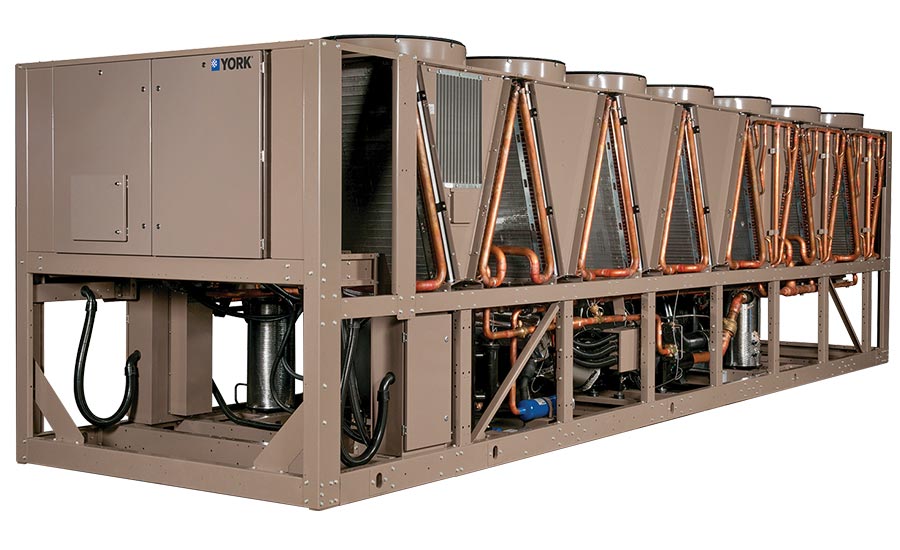
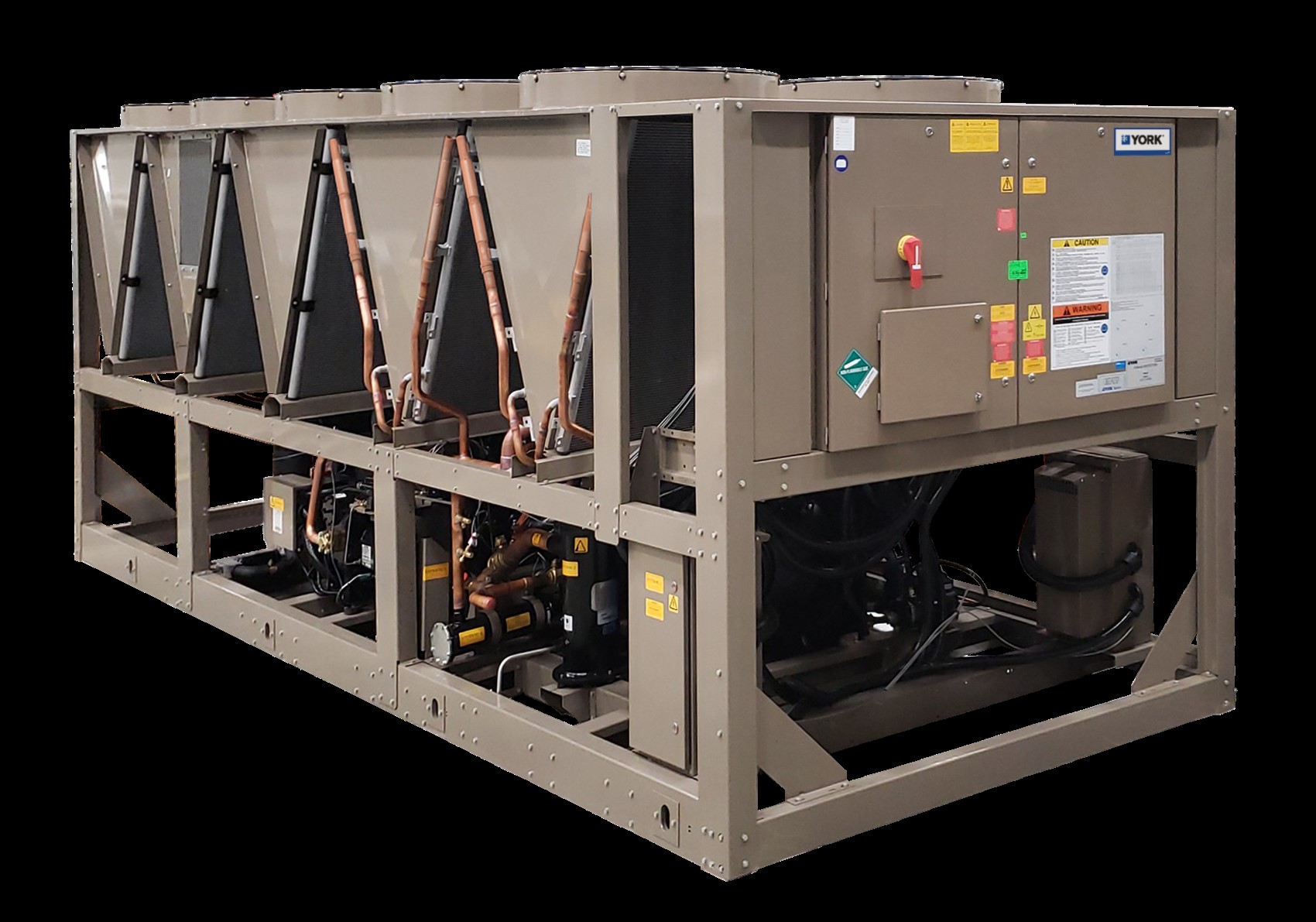
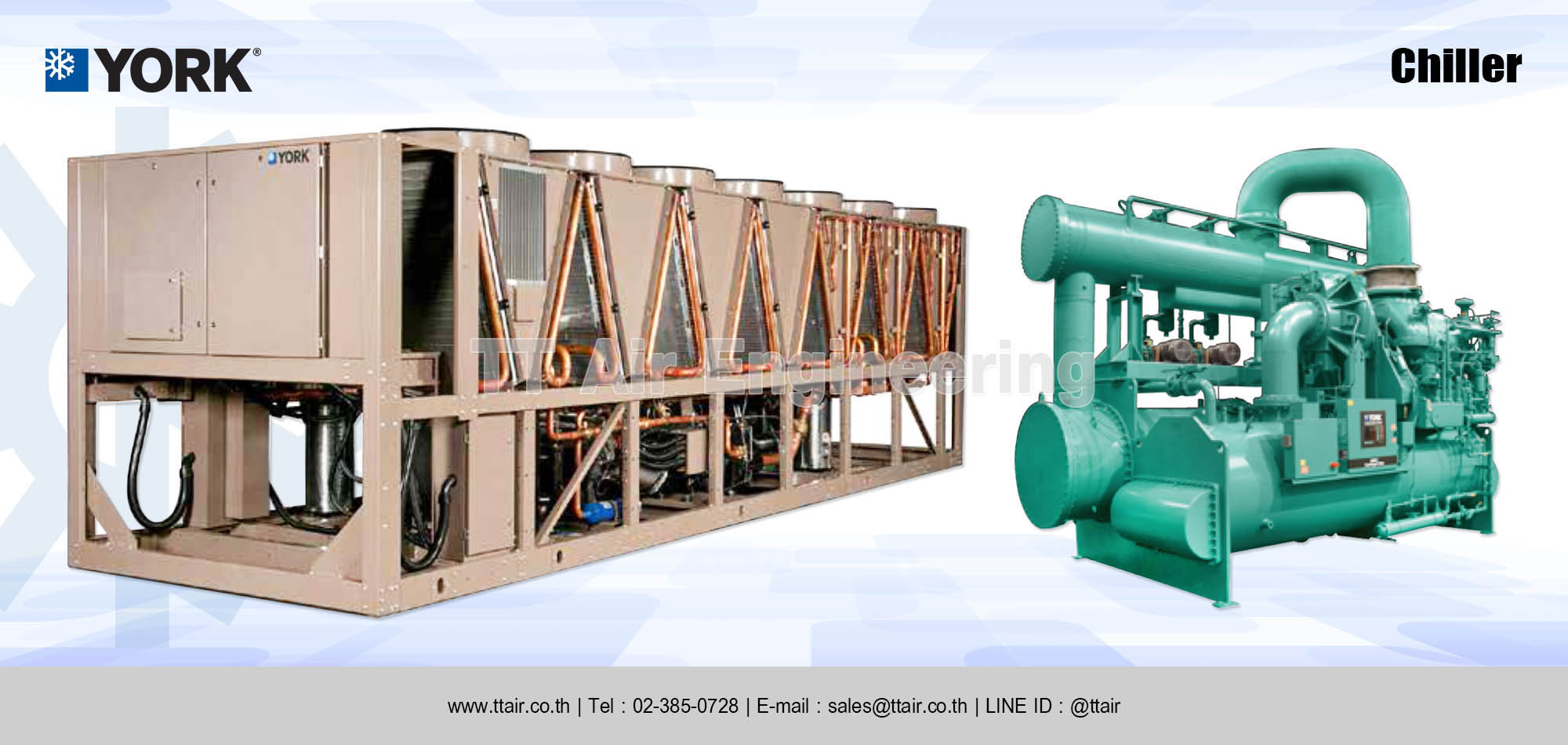
York air-cooled chiller condenser coils are critical components in commercial and industrial air conditioning systems. They play a vital role in rejecting heat from the refrigerant, allowing the chiller to efficiently cool a building or process. Understanding these coils, their function, and maintenance is essential for ensuring optimal chiller performance and longevity.
What is an Air-Cooled Chiller Condenser Coil?
Imagine your air conditioner at home. It has a part outside that gets hot - that's a condenser. An air-cooled chiller condenser coil performs a similar function but on a much larger scale. It's a heat exchanger, meaning it transfers heat from one fluid (the refrigerant) to another (the surrounding air). In this case, it's rejecting the heat absorbed from inside the building by the chiller's evaporator.
Think of refrigerant as the "blood" of your AC system. It circulates throughout the chiller, absorbing heat from the building's air or process water and carrying it to the condenser coil. The condenser coil then releases that heat into the atmosphere, allowing the refrigerant to cool down and cycle back through the system to repeat the process.
In simpler terms: The condenser coil is like a radiator in your car. It gets rid of the heat so the "coolant" (refrigerant) can do its job.
Key Components:
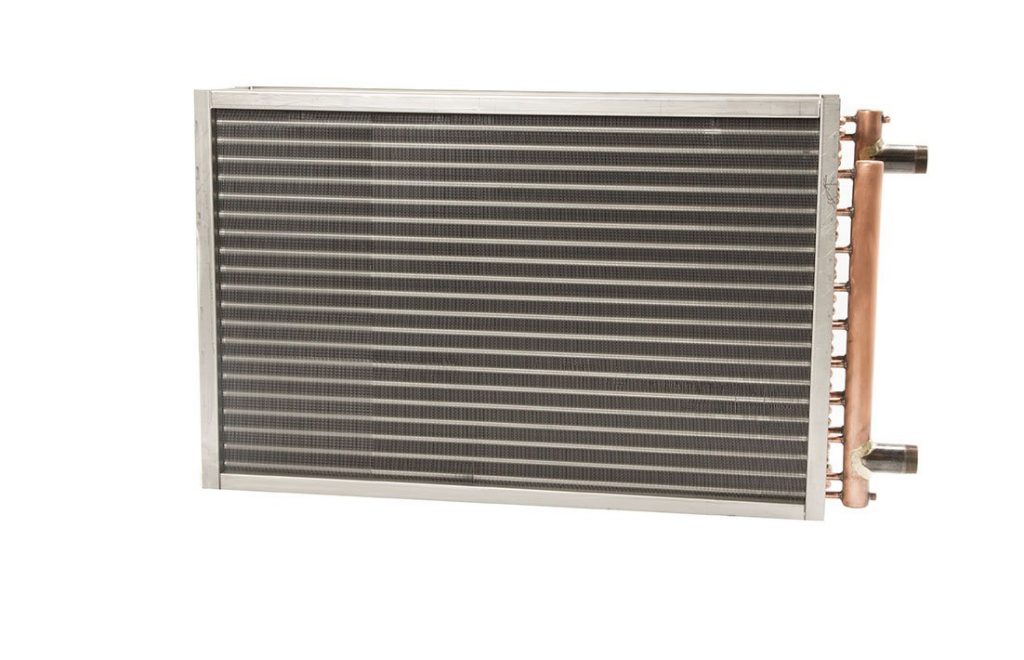
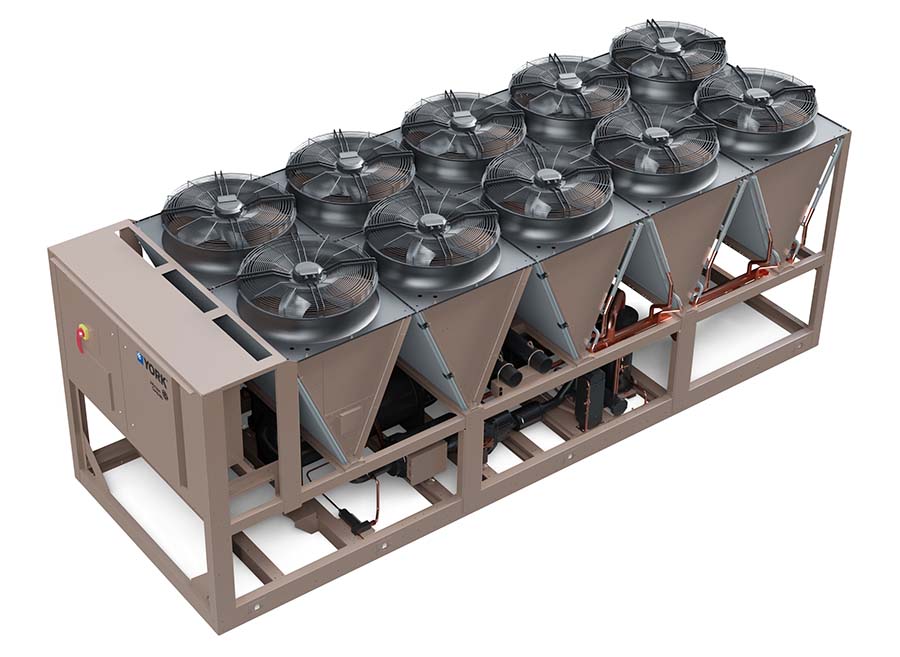
A York air-cooled chiller condenser coil typically consists of the following elements:
- Tubes: These are typically made of copper or aluminum and carry the hot refrigerant.
- Fins: Thin, closely spaced metal sheets (usually aluminum) attached to the tubes. Fins dramatically increase the surface area for heat transfer. More surface area means more heat rejection.
- Coil Frame: Provides structural support for the coil and facilitates mounting within the chiller unit.
- Headers: Distribute the refrigerant evenly across the coil tubes.
- Connections: Allow the refrigerant to enter and exit the coil.
How Air-Cooled Condenser Coils Work:
The process is relatively straightforward, relying on basic thermodynamics:
- Hot refrigerant enters: High-pressure, high-temperature refrigerant enters the condenser coil.
- Heat transfer to fins: The hot refrigerant releases heat to the coil tubes. The tubes then transfer this heat to the attached fins.
- Airflow removes heat: Fans, usually located near the condenser coil, force air across the fins. This airflow carries the heat away from the fins and into the surrounding environment.
- Refrigerant cools and condenses: As the refrigerant loses heat, it undergoes a phase change from a gas to a liquid (condenses).
- Cooled refrigerant exits: The cooled, high-pressure liquid refrigerant exits the condenser coil and flows to the expansion valve or metering device, where the cooling cycle continues.
The efficiency of this heat transfer process is critical to the overall performance of the chiller.
Why Choose York Air-Cooled Chiller Condenser Coils?
York has a strong reputation in the HVAC industry, and their air-cooled chiller condenser coils are known for several advantages:
- Efficiency: York coils are designed for optimal heat transfer, minimizing energy consumption and reducing operating costs. This is achieved through optimized fin designs and tube arrangements.
- Durability: They are typically built with robust materials to withstand harsh environmental conditions. This includes corrosion-resistant coatings and sturdy frame construction.
- Reliability: York coils are engineered for long-lasting performance, reducing the need for frequent replacements. This minimizes downtime and maintenance costs.
- Wide Range of Options: York offers a variety of coil sizes and configurations to meet the specific needs of different chiller models and applications.
- Service and Support: York provides comprehensive service and support, including replacement parts and technical assistance.
Common Problems and Maintenance:
Like any mechanical component, air-cooled condenser coils can experience problems that affect their performance. Proper maintenance is crucial to prevent these issues.
Common Problems:
- Fouling: Dirt, dust, leaves, pollen, and other debris can accumulate on the coil fins, reducing airflow and hindering heat transfer. This is the most common problem. Imagine trying to breathe through a dusty mask – the coil has the same problem!
- Corrosion: Exposure to moisture, salt air, and other corrosive substances can cause the coil tubes and fins to corrode, leading to leaks and reduced heat transfer efficiency.
- Fin Damage: Bent or damaged fins restrict airflow and decrease the coil's surface area, reducing heat rejection. This can happen due to impacts from tools, hail, or other objects.
- Refrigerant Leaks: Leaks in the coil tubes or connections can result in refrigerant loss, reducing cooling capacity and potentially damaging the compressor.
- Tube Blockage: Scale or sludge buildup inside the tubes can restrict refrigerant flow and reduce heat transfer.
Maintenance Tips:
Preventative maintenance is key to extending the lifespan and maximizing the efficiency of your York air-cooled chiller condenser coils:
- Regular Cleaning: Clean the coils regularly to remove dirt, dust, and debris. Use a coil cleaner specifically designed for HVAC systems. A gentle brush or a low-pressure water hose can also be used. Never use a pressure washer, as this can damage the fins.
- Fin Straightening: Use a fin comb to straighten any bent or damaged fins. This will improve airflow and heat transfer.
- Leak Detection: Regularly inspect the coils for refrigerant leaks. If you suspect a leak, contact a qualified HVAC technician.
- Corrosion Prevention: Apply a corrosion-resistant coating to the coils to protect them from environmental damage.
- Water Treatment: If the chiller uses a cooling tower, ensure proper water treatment to prevent scale and corrosion buildup inside the tubes.
- Professional Inspection: Schedule regular inspections by a qualified HVAC technician. They can identify potential problems early and perform necessary maintenance.
Choosing a Replacement Coil:
If your York air-cooled chiller condenser coil is damaged beyond repair or has reached the end of its lifespan, you'll need to replace it. Here are some factors to consider when choosing a replacement:
- OEM vs. Aftermarket: You can choose between an Original Equipment Manufacturer (OEM) coil from York or an aftermarket coil from a third-party manufacturer. OEM coils are designed specifically for your chiller model and offer the best fit and performance. Aftermarket coils may be less expensive but may not offer the same level of quality or compatibility.
- Coil Material: Consider the coil material based on your environment. Copper coils offer excellent heat transfer and corrosion resistance but can be more expensive. Aluminum coils are lighter and less expensive but may be more susceptible to corrosion. Some coils feature enhanced coatings for improved corrosion protection in harsh environments.
- Fin Spacing: Fin spacing affects airflow and heat transfer. Denser fin spacing provides more surface area for heat transfer but can also increase the risk of fouling. Choose a fin spacing that is appropriate for your environment and maintenance schedule.
- Coil Dimensions: Ensure that the replacement coil has the correct dimensions to fit properly in your chiller unit.
- Refrigerant Compatibility: Make sure the coil is compatible with the type of refrigerant used in your chiller.
Installation Considerations:
Proper installation is essential for ensuring the correct performance and longevity of your new York air-cooled chiller condenser coil:
- Professional Installation: Have the coil installed by a qualified HVAC technician. They have the necessary tools and expertise to ensure a proper installation.
- Proper Support: Ensure that the coil is properly supported to prevent sagging or damage.
- Tight Connections: All refrigerant connections should be tight and leak-free.
- Airflow Clearance: Ensure that there is adequate airflow around the coil to allow for proper heat rejection.
- System Evacuation: After installation, the system should be properly evacuated to remove any air or moisture.
- Refrigerant Charging: The system should be charged with the correct amount of refrigerant.
Conclusion:
York air-cooled chiller condenser coils are vital for the efficient operation of your chiller system. Understanding their function, common problems, and maintenance requirements will help you ensure optimal performance and extend their lifespan. By following the maintenance tips outlined in this guide and choosing a suitable replacement coil when necessary, you can minimize downtime, reduce energy costs, and keep your chiller running smoothly for years to come.
Remember, regular maintenance and professional inspections are the keys to preventing costly repairs and maximizing the return on your investment.