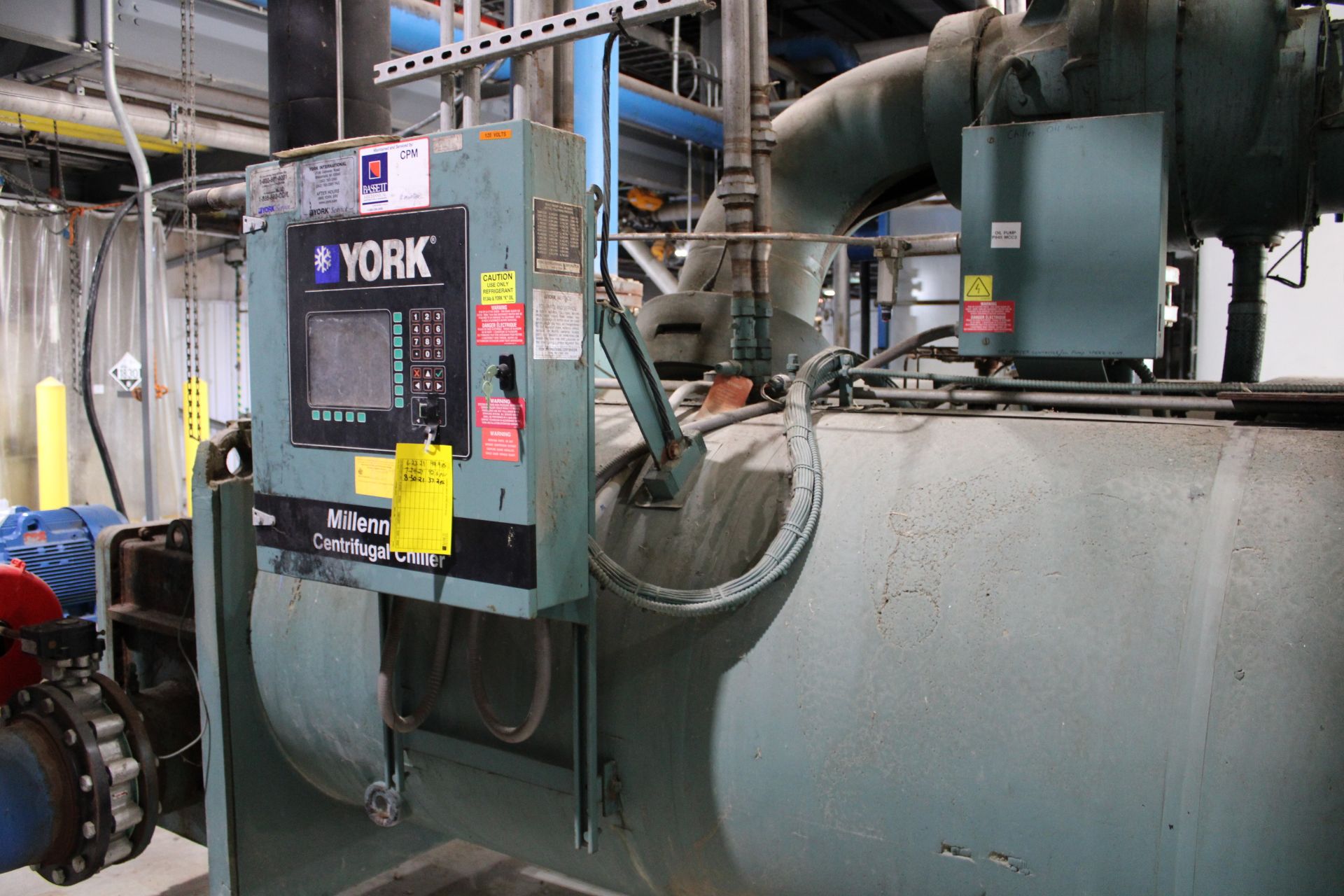
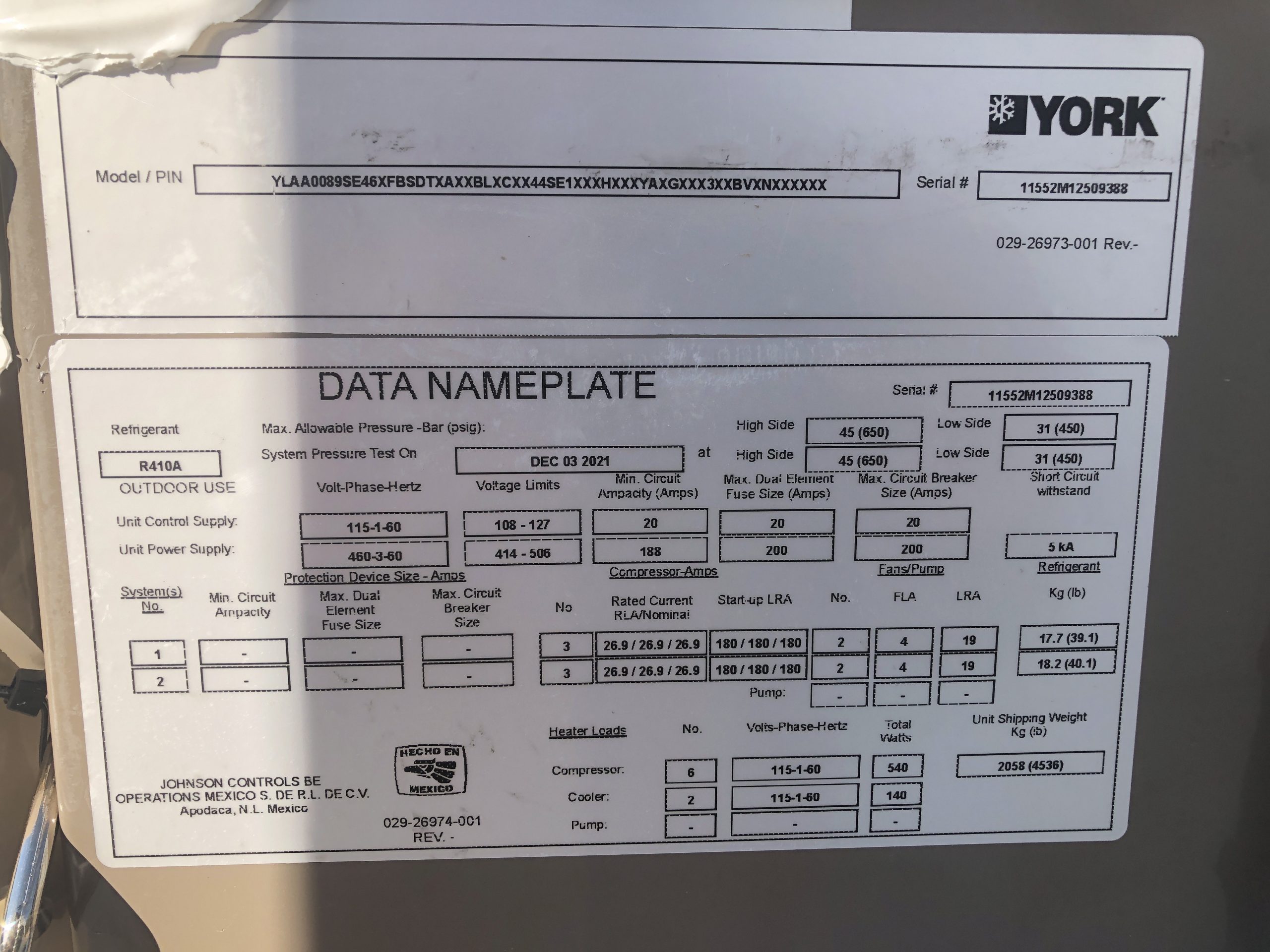
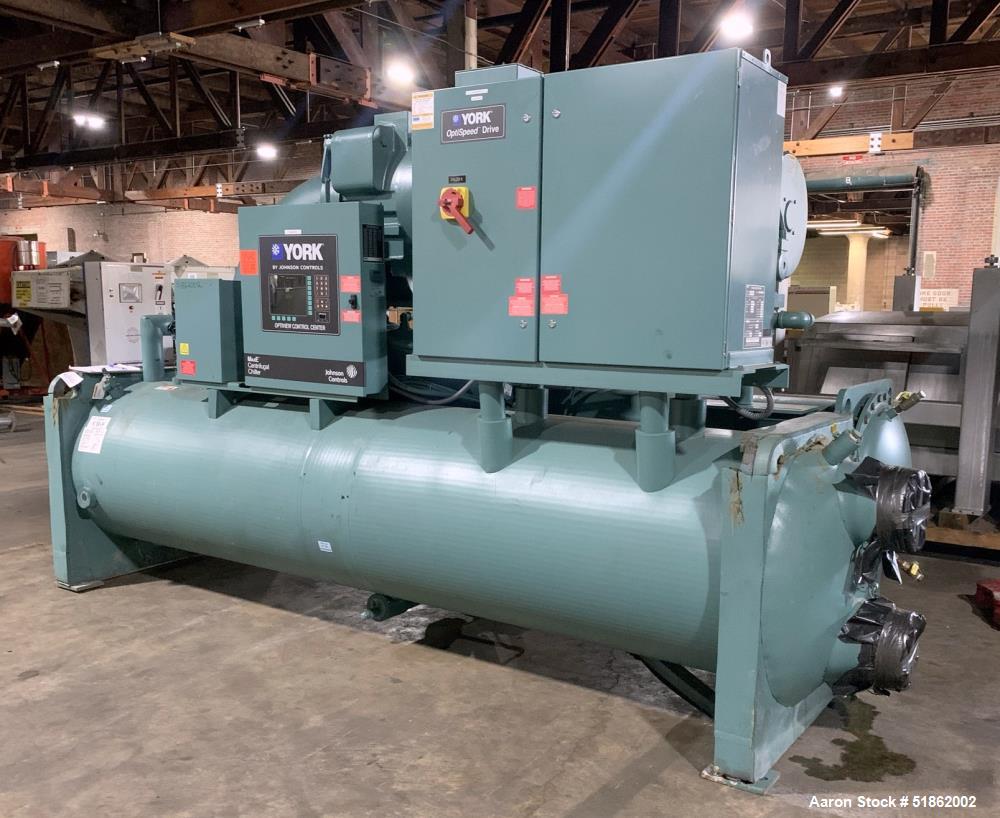
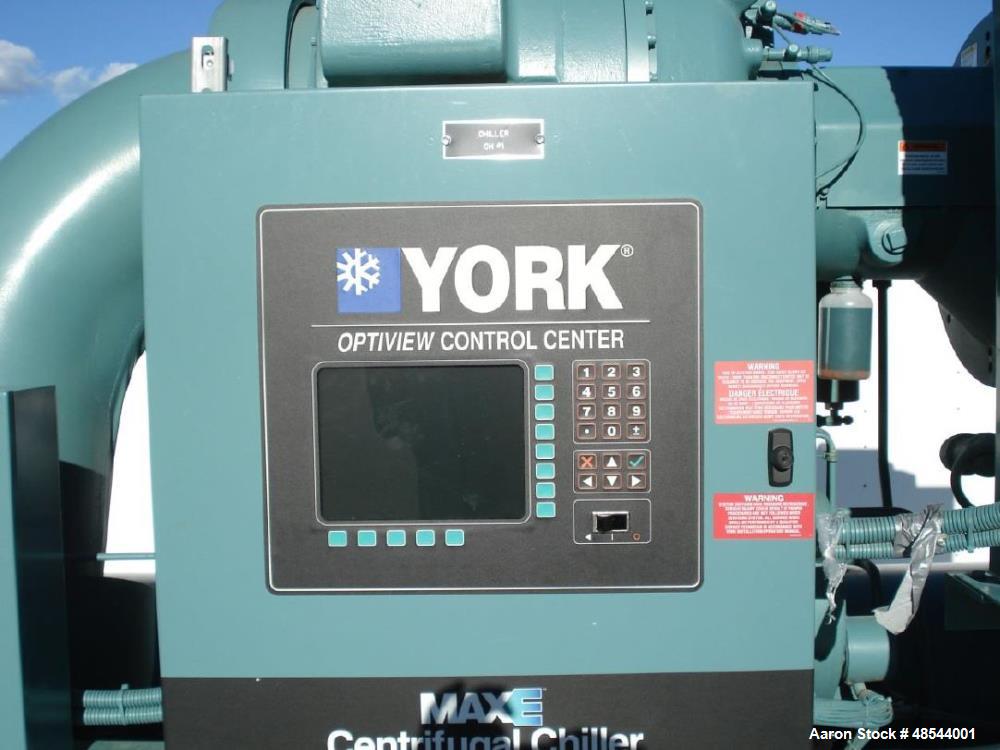
York Chillers Model Numbers
Decoding York Chiller Model Numbers: Your Guide to Energy Efficiency and Cost Savings
Choosing the right chiller for your home or business is a significant investment, impacting both your upfront costs and long-term energy expenses. York, a leading HVAC manufacturer, offers a wide range of chillers designed for various applications and efficiency levels. Understanding York chiller model numbers is the first step towards making an informed decision and optimizing your energy consumption.
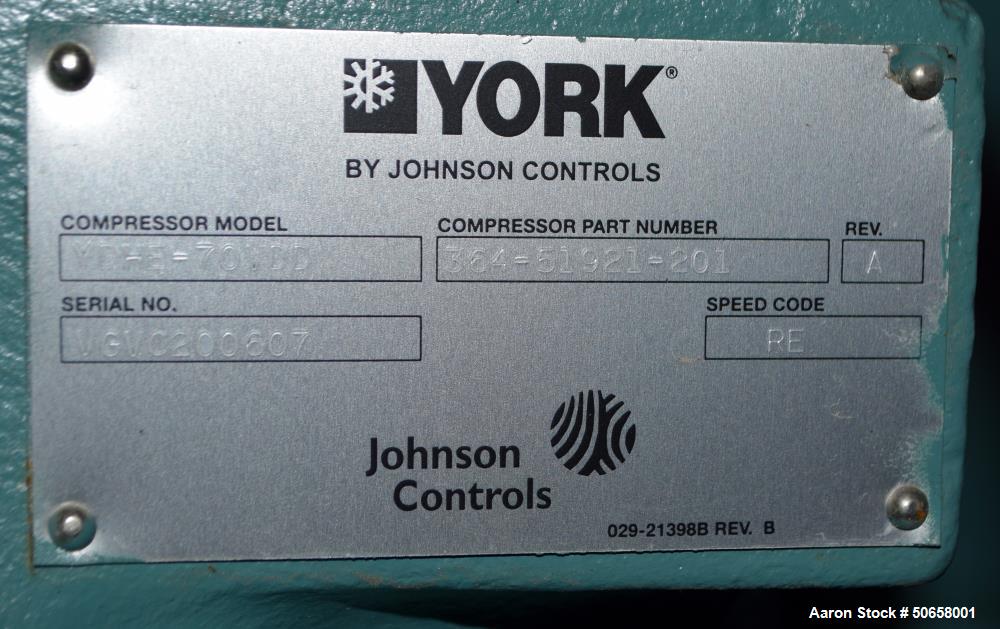
The Anatomy of a York Chiller Model Number
York chiller model numbers are not random sequences; they're coded systems providing crucial information about the unit's type, capacity, efficiency, and features. While the exact structure can vary depending on the chiller series, common elements include:
- Chiller Type: This typically appears as a prefix, indicating the type of chiller (e.g., YK for centrifugal chillers, YMC2 for magnetic bearing chillers, YLRA for air-cooled scroll chillers).
- Capacity: Represented numerically, this indicates the chiller's cooling capacity in tons (e.g., 100 represents 100 tons of cooling capacity).
- Refrigerant Type: An alphanumeric code identifies the refrigerant used (e.g., R-134a, R-410A, or newer low-GWP options like R-1233zd(E)). Choosing a chiller with a low-GWP refrigerant can significantly reduce your environmental impact and potentially qualify you for future rebates as regulations tighten around high-GWP refrigerants.
- Voltage: Indicates the operating voltage of the chiller.
- Efficiency Level: Sometimes embedded in the model number or indicated by a suffix, this signifies the chiller's efficiency rating (e.g., standard, high-efficiency). Look for terms like "E" for energy-efficient models.
- Design Series: A numerical code representing the design series or generation of the chiller. Newer series often incorporate technological advancements that improve efficiency and reliability.
- Options & Features: Additional letters or numbers can represent specific options or features, such as variable speed drives (VSDs), economizers, or specific control systems.
Example: Let's break down a hypothetical model number, YK-150R134a-E. "YK" indicates a York centrifugal chiller. "150" signifies 150 tons of cooling capacity. "R134a" specifies the refrigerant used. "-E" likely designates an energy-efficient model.
Key York Chiller Types and Their Applications
York offers a diverse range of chillers, each suited to specific applications. Here's a brief overview:
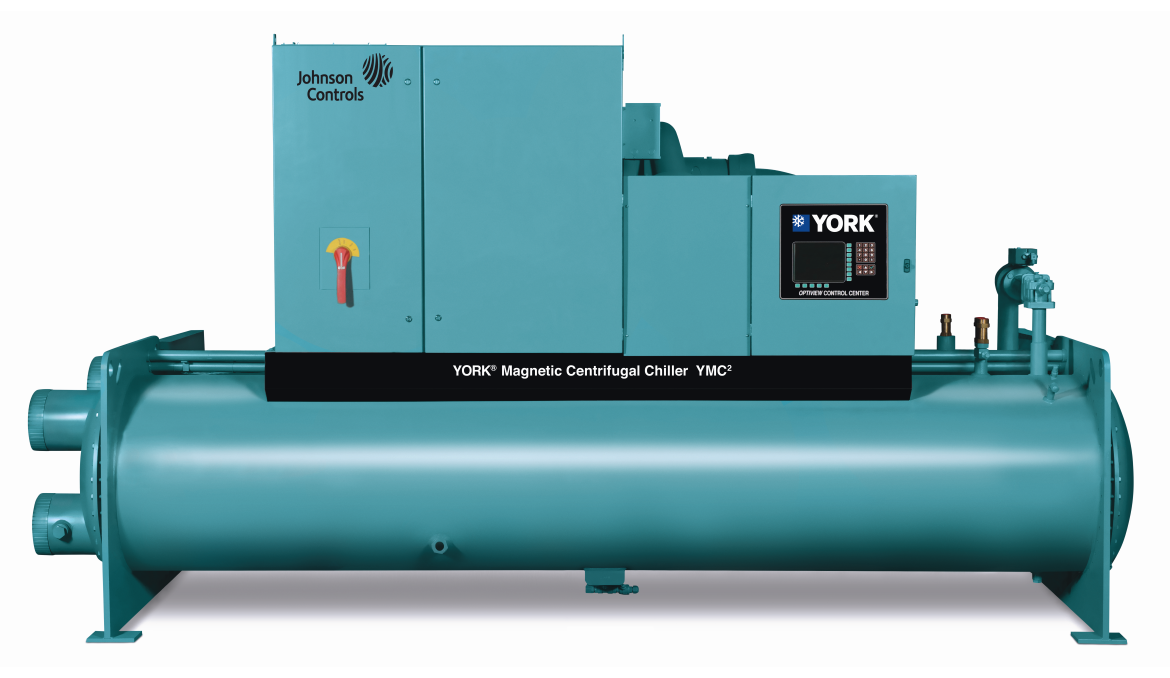
- Centrifugal Chillers (e.g., YK, YMC2): Ideal for large commercial and industrial applications. YK chillers are known for their reliability and efficiency in high-load scenarios. YMC2 chillers utilize magnetic bearing technology, offering exceptional energy savings and reduced maintenance. Consider these for large office buildings, hospitals, and data centers.
- Screw Chillers (e.g., YS): Suitable for medium to large-sized applications. YS screw chillers provide a balance of efficiency and cost-effectiveness, making them a popular choice for a variety of commercial buildings.
- Scroll Chillers (e.g., YLRA, YCSA): Well-suited for smaller commercial and residential applications. YLRA air-cooled scroll chillers are compact and easy to install, making them ideal for retrofit projects and smaller buildings. YCSA chillers offer excellent efficiency and quiet operation.
- Absorption Chillers (e.g., YIA): Utilize waste heat or steam as an energy source, making them a sustainable option for facilities with combined heat and power (CHP) systems.
Understanding Efficiency Metrics: IPLV vs. SEER vs. EER
Evaluating chiller efficiency requires understanding key metrics like Integrated Part Load Value (IPLV), Seasonal Energy Efficiency Ratio (SEER), and Energy Efficiency Ratio (EER). These metrics provide insights into the chiller's performance under different operating conditions.
- EER (Energy Efficiency Ratio): Measures the chiller's cooling output (BTUs) per unit of electrical input (watts) at a specific operating point, typically full load.
- SEER (Seasonal Energy Efficiency Ratio): Primarily used for residential air conditioning systems, SEER measures the overall cooling efficiency over an entire cooling season, considering varying temperatures and load conditions.
- IPLV (Integrated Part Load Value): More relevant for commercial chillers, IPLV represents the weighted average efficiency at different part-load conditions, reflecting real-world operating scenarios more accurately than EER alone. IPLV is crucial because chillers rarely operate at 100% load continuously.
Focus on IPLV values when comparing commercial chillers, as they provide a more comprehensive picture of energy performance. Higher IPLV values indicate greater efficiency and lower operating costs. For smaller residential or light commercial applications using scroll chillers, SEER ratings can be a helpful indicator.
Variable Speed Drives (VSDs) and Energy Savings
Variable speed drives (VSDs) are a game-changer for chiller efficiency. VSDs allow the chiller's compressor to operate at variable speeds, matching the cooling output to the actual demand. This eliminates the need for the compressor to constantly cycle on and off, reducing energy waste and improving overall efficiency, especially during part-load conditions.
Consider a chiller equipped with a VSD if your cooling load fluctuates significantly throughout the day or year. The initial investment in a VSD will often pay for itself through reduced energy consumption over the chiller's lifespan. York often denotes VSD capable chillers with specific notations in the model number or product literature.
Refrigerant Choices: Environmental Impact and Future-Proofing
The refrigerant used in a chiller has a significant impact on its environmental footprint. Older refrigerants like R-22 have been phased out due to their ozone-depleting properties. Newer refrigerants like R-134a are still widely used but have a relatively high Global Warming Potential (GWP).
York is actively developing and offering chillers that utilize low-GWP refrigerants, such as R-1233zd(E) and HFO-1234ze. These refrigerants have a significantly lower environmental impact and are likely to become the industry standard as regulations tighten around high-GWP refrigerants. Choosing a chiller with a low-GWP refrigerant is not only environmentally responsible but also a smart investment that can protect you from future regulatory changes and potential refrigerant scarcity.
Smart HVAC Integration and Remote Monitoring
Modern York chillers can be seamlessly integrated with smart building management systems (BMS) for enhanced control and monitoring. This integration allows you to:
- Remotely monitor chiller performance: Track key parameters like temperature, pressure, and energy consumption in real-time.
- Optimize chiller operation: Adjust chiller settings based on occupancy patterns, weather conditions, and energy prices.
- Receive alerts for potential issues: Proactively identify and address potential problems before they lead to downtime or costly repairs.
- Analyze performance data: Gain insights into your chiller's performance and identify opportunities for further optimization.
Integrating your York chiller with a smart thermostat system, especially in residential or light commercial settings, allows for granular control over temperature and energy usage. This can translate into significant cost savings and improved comfort.
Energy Star and Rebates
Look for Energy Star certified York chillers to ensure you're investing in a highly efficient unit. Energy Star certification indicates that the chiller meets stringent energy efficiency standards set by the U.S. Environmental Protection Agency (EPA).
Many utility companies and government agencies offer rebates and incentives for installing energy-efficient chillers. Check with your local utility company and state energy office to see what rebates are available in your area. These rebates can significantly reduce the upfront cost of upgrading to a more efficient chiller.
Installation and Maintenance Considerations
Proper installation and regular maintenance are crucial for ensuring the long-term performance and efficiency of your York chiller. Hire a qualified HVAC contractor with experience installing and servicing York chillers. Follow the manufacturer's recommended maintenance schedule to keep your chiller running smoothly and prevent costly repairs.
Regular maintenance tasks include:
- Cleaning coils
- Checking refrigerant levels
- Inspecting electrical connections
- Lubricating moving parts
- Calibrating sensors and controls
Decoding the Future of Chiller Technology
York is continuously innovating and developing new chiller technologies to improve energy efficiency, reduce environmental impact, and enhance performance. Keep an eye out for advancements in:
- Magnetic bearing technology: Offers even greater energy savings and reduced maintenance compared to traditional bearings.
- Advanced control algorithms: Optimize chiller operation in real-time based on changing conditions.
- Integrated heat recovery systems: Capture waste heat from the chiller and reuse it for other purposes, such as heating water or space.
- Predictive maintenance: Utilizes data analytics to predict potential failures and schedule maintenance proactively.
Making the Right Choice
Choosing the right York chiller requires careful consideration of your cooling needs, budget, and energy efficiency goals. By understanding the key elements of York chiller model numbers and the various technologies available, you can make an informed decision that will save you money and reduce your environmental impact for years to come. Consult with a qualified HVAC contractor to assess your specific needs and recommend the best York chiller solution for your application. Remember to factor in long-term operational costs, potential rebates, and the environmental impact of your refrigerant choice.