York Condensing Unit Model Numbers
Decoding York Condensing Unit Model Numbers: A Comprehensive Guide
Choosing a new HVAC system is a significant investment. Understanding the model numbers of different units can feel like deciphering a secret code. This guide focuses on York condensing unit model numbers, breaking down their components and what they reveal about the unit's performance, features, and specifications. Whether you're a homeowner, real estate investor, or contractor, this information will empower you to make an informed decision.
Understanding the Basics: What is a Condensing Unit?
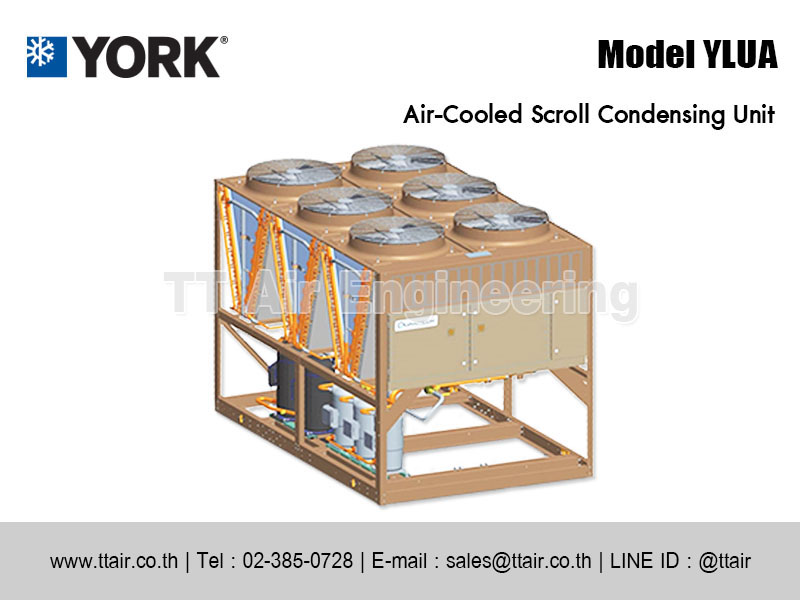
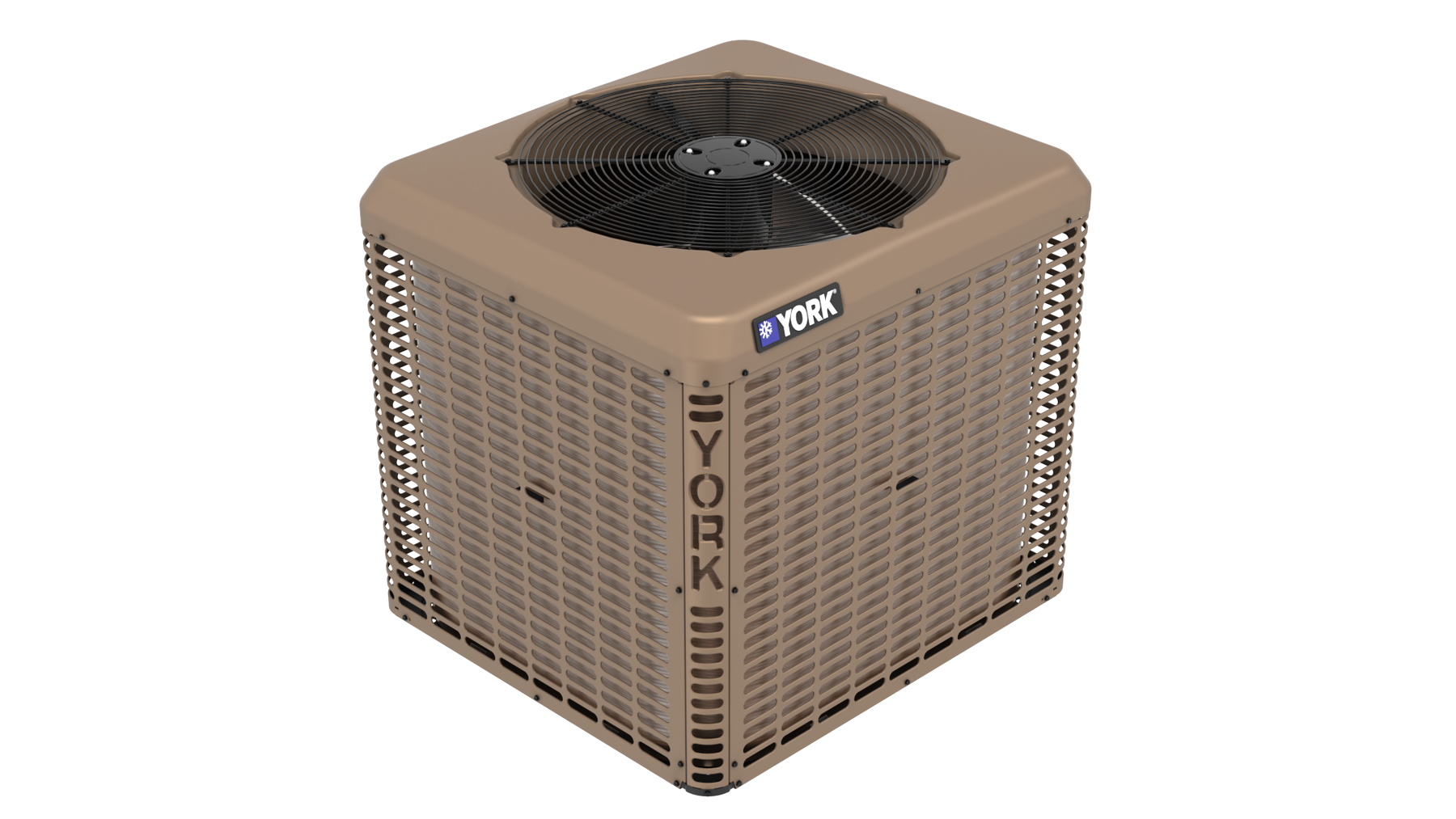
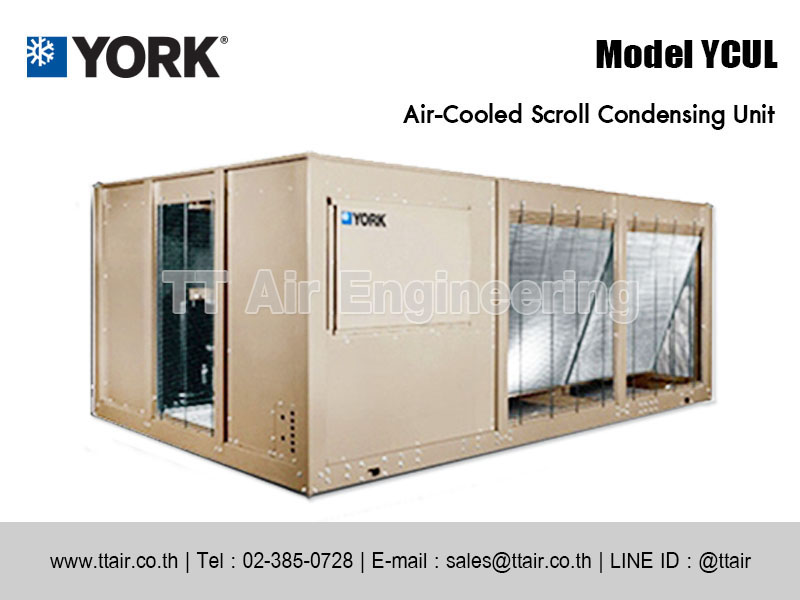
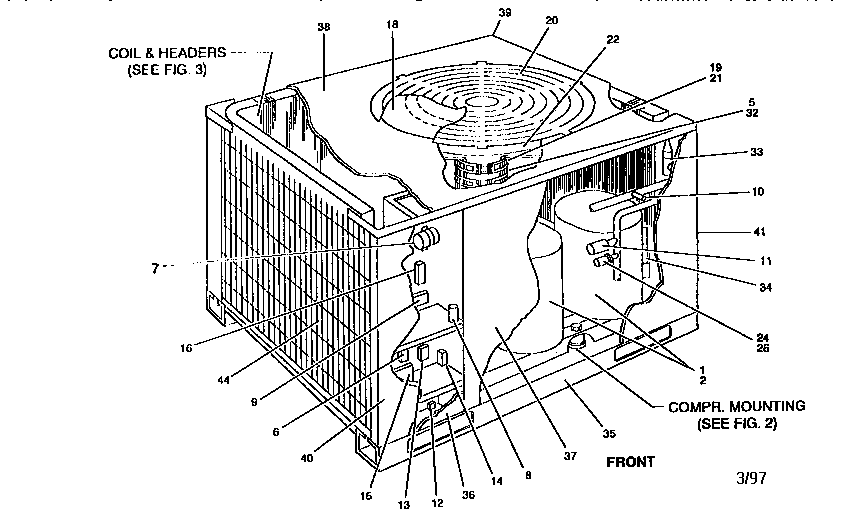
The condensing unit, located outside your home, is a crucial part of your air conditioning system. It houses the compressor, condenser coil, and fan. The compressor circulates refrigerant, the condenser coil dissipates heat, and the fan blows air across the coil to facilitate heat exchange. A properly sized and efficient condensing unit is essential for comfortable and cost-effective cooling.
Decoding York Model Numbers: A Step-by-Step Guide
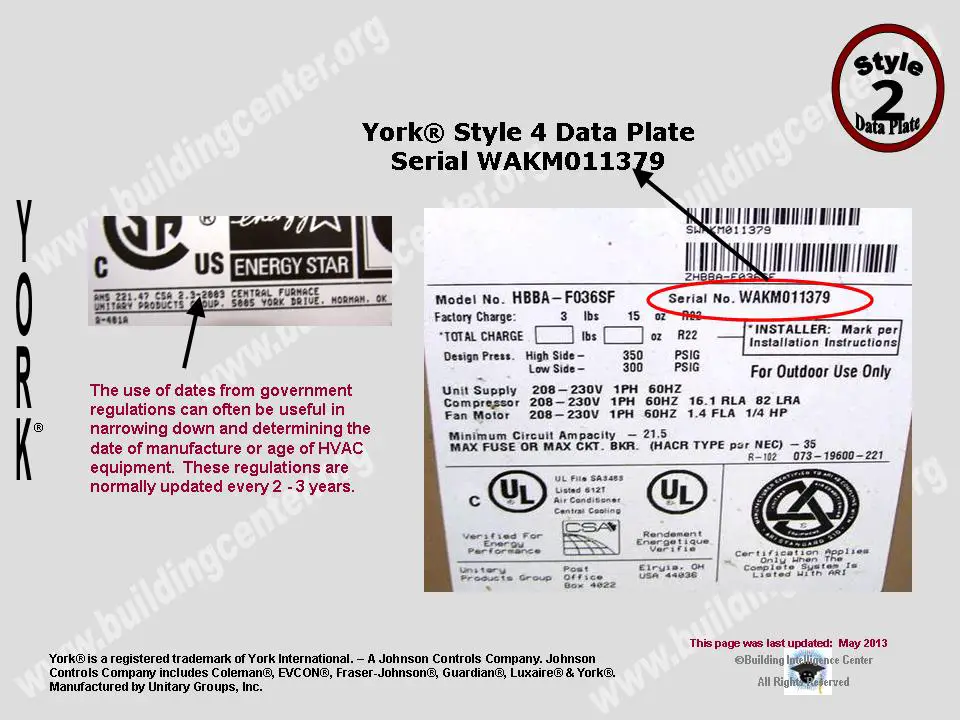
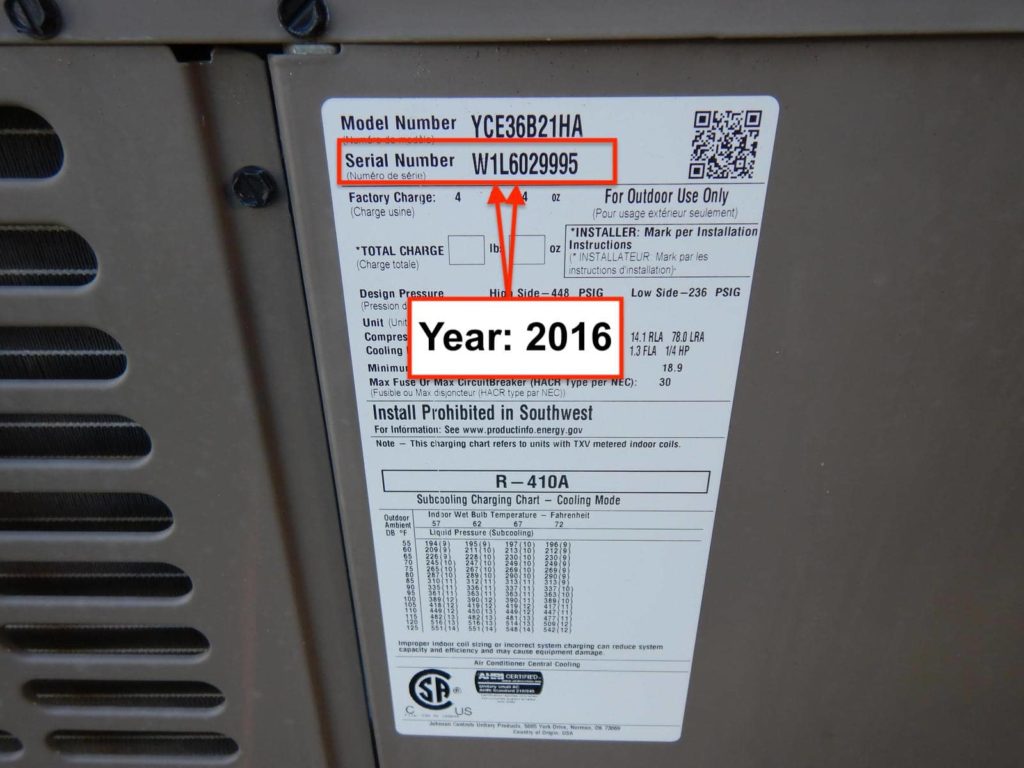
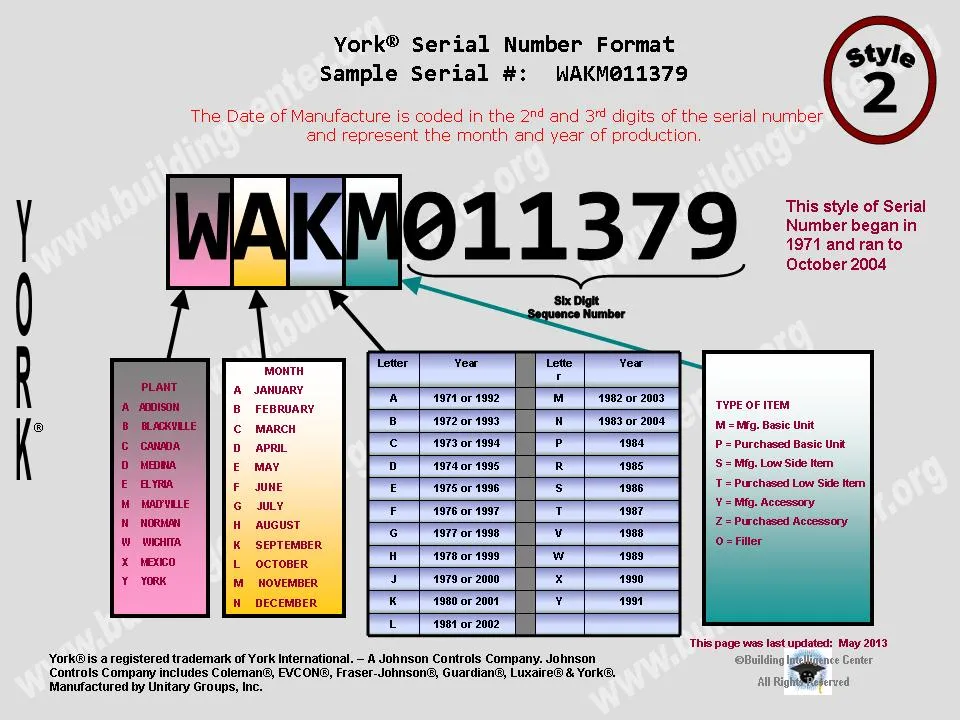
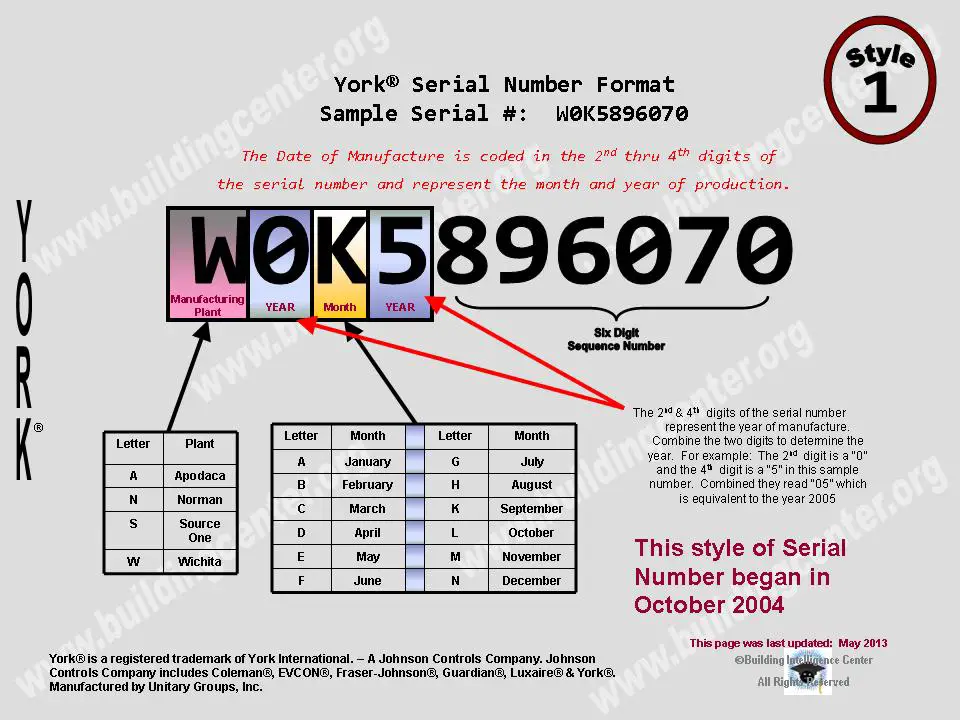
York uses a standardized system to designate their condensing unit models. While the specific format can vary slightly depending on the product line (e.g., Affinity, Latitude, LX Series), the core components remain consistent. Let's break down a typical York model number, using "YCG24B21S21SA" as an example:
- YCG: This usually identifies the product type. In this case, "YCG" likely signifies a specific York condensing unit series. Other prefixes might exist for different series.
- 24: This generally indicates the cooling capacity of the unit in thousands of BTUs (British Thermal Units) per hour. So, "24" translates to 24,000 BTU/h, which is equivalent to a 2-ton unit (since 1 ton = 12,000 BTU/h).
- B: This character often represents the series or efficiency level. Different letters within a series might denote variations in features or performance.
- 21: This section usually relates to the SEER (Seasonal Energy Efficiency Ratio) rating or other performance characteristics. A higher number generally indicates a higher SEER rating and better energy efficiency. For example, "21" could represent a SEER of 21.
- S21: This part may detail the voltage requirements and/or specific design features. It can also denote production runs or sub-models within a larger series.
- SA: This could signify specific features or regional compliance.
Important Note: Always refer to York's official product specifications or consult with an HVAC professional for the most accurate interpretation of a specific model number. The exact meaning of each digit or character can change between product lines and model years.
Key Performance Metrics: SEER, EER, and HSPF
Understanding key performance metrics is crucial when evaluating York condensing units:
- SEER (Seasonal Energy Efficiency Ratio): Measures the cooling efficiency of an air conditioner over an entire cooling season. The higher the SEER rating, the more efficient the unit and the lower your energy bills will be. Modern units typically range from 13 SEER to 21+ SEER. Look for Energy Star certified units for optimal efficiency.
- EER (Energy Efficiency Ratio): Measures the cooling efficiency of an air conditioner at a specific operating condition (e.g., a high outdoor temperature). While SEER provides a broader picture, EER is useful for comparing performance under specific circumstances.
- HSPF (Heating Seasonal Performance Factor): This metric applies to heat pumps, not solely condensing units, but it's relevant if you're considering a heat pump system. HSPF measures the heating efficiency of a heat pump over a heating season. A higher HSPF rating indicates better heating efficiency.
York HVAC Series Overview: Comparing Features and Benefits
York offers a range of condensing unit series, each designed to meet different needs and budgets. Here's a brief overview:
York Affinity™ Series: Premium Efficiency and Comfort
The Affinity™ Series represents York's premium line, offering the highest SEER ratings and advanced features like modulating compressors and smart home integration. These units prioritize energy efficiency, quiet operation, and consistent comfort. Expect to pay a premium for these top-of-the-line models.
Pros: Highest efficiency, advanced features, quiet operation, smart home compatibility. Cons: Higher upfront cost.
York Latitude™ Series: A Balance of Performance and Value
The Latitude™ Series strikes a balance between performance and affordability. These units offer good SEER ratings and reliable operation at a more competitive price point. They often include features like two-stage compressors for improved comfort and efficiency compared to single-stage models.
Pros: Good efficiency, reliable performance, reasonable cost. Cons: Fewer advanced features compared to the Affinity™ Series.
York LX Series: Affordable and Reliable Cooling
The LX Series represents York's entry-level line, providing a cost-effective cooling solution. While SEER ratings may be lower than the premium series, these units offer reliable performance and are suitable for budget-conscious homeowners. They typically feature single-stage compressors.
Pros: Lower upfront cost, reliable cooling. Cons: Lower efficiency, fewer features, potentially louder operation.
York Condensing Unit Features: What to Look For
Beyond SEER ratings and series classifications, consider these features when choosing a York condensing unit:
- Compressor Type: Single-stage, two-stage, and variable-speed (modulating) compressors offer different levels of efficiency and comfort. Variable-speed compressors provide the most consistent temperature and humidity control.
- Sound Levels: Consider the sound level of the unit, especially if it's located near living areas or bedrooms. Look for units with sound-dampening features.
- Smart Home Compatibility: Some York units offer smart home integration, allowing you to control your HVAC system remotely via a smartphone or other devices.
- Refrigerant Type: Ensure the unit uses environmentally friendly refrigerant.
- Warranty: Understand the terms and conditions of the warranty, including coverage for parts and labor.
York Condensing Unit Pricing: What to Expect
The cost of a York condensing unit varies depending on the series, size (BTU capacity), SEER rating, and features. Generally, expect to pay:
- LX Series: $2,500 - $4,500 (installed)
- Latitude™ Series: $3,500 - $6,000 (installed)
- Affinity™ Series: $5,000 - $8,000+ (installed)
These are just estimates. It's essential to get quotes from multiple HVAC contractors to compare pricing and services. Installation costs can vary depending on the complexity of the job.
Maintenance and Care: Extending the Life of Your York Unit
Regular maintenance is crucial for maximizing the lifespan and efficiency of your York condensing unit. Here are some essential tips:
- Regularly clean the outdoor unit: Remove debris such as leaves, grass clippings, and dirt from the condenser coil.
- Change air filters regularly: Dirty air filters restrict airflow and reduce efficiency.
- Schedule annual professional maintenance: A qualified HVAC technician can inspect and clean the unit, check refrigerant levels, and identify potential problems early on.
Warranty Information: Protecting Your Investment
York offers various warranties on their condensing units. Typically, warranties include:
- Base Warranty: Covers parts for a specific period (e.g., 5 or 10 years).
- Extended Warranty: Offers longer coverage and may include labor costs.
- Compressor Warranty: Often provides extended coverage for the compressor, a critical and expensive component.
Be sure to register your York unit with the manufacturer to activate the warranty. Read the warranty terms and conditions carefully to understand what is covered and what is not. Proper installation and maintenance are often required to maintain warranty coverage.
Comparing York to Other HVAC Brands
York is a reputable brand in the HVAC industry, but it's essential to compare it to other leading brands like Carrier, Trane, Lennox, and Rheem. Each brand offers different strengths and weaknesses in terms of efficiency, features, pricing, and reliability.
Here's a brief comparison:
- Carrier: Known for innovation and high-efficiency systems, often at a premium price.
- Trane: Renowned for durability and reliability, offering a wide range of models.
- Lennox: Focuses on energy efficiency and quiet operation, with some high-end options.
- Rheem: Provides a balance of affordability and performance, with a comprehensive product line.
Ultimately, the best brand for you will depend on your specific needs, budget, and priorities.
Finding a Qualified HVAC Contractor
Proper installation is just as important as choosing the right condensing unit. A poorly installed unit can lead to reduced efficiency, increased energy bills, and premature failure. Look for a qualified HVAC contractor with the following credentials:
- Licensed and Insured: Ensures the contractor meets legal requirements and protects you from liability.
- NATE Certified: North American Technician Excellence (NATE) certification demonstrates the technician's knowledge and skills.
- Positive Reviews and References: Check online reviews and ask for references from previous customers.
- Experience with York Products: A contractor familiar with York systems will be better equipped to install and service your unit.
Get multiple quotes from different contractors and ask for detailed proposals outlining the scope of work, equipment specifications, and pricing.
Conclusion: Making an Informed Decision
Choosing a York condensing unit involves careful consideration of your needs, budget, and priorities. By understanding York model numbers, key performance metrics, and available features, you can make an informed decision that will provide years of comfortable and efficient cooling. Remember to consult with a qualified HVAC professional to ensure proper sizing, installation, and maintenance of your new system.