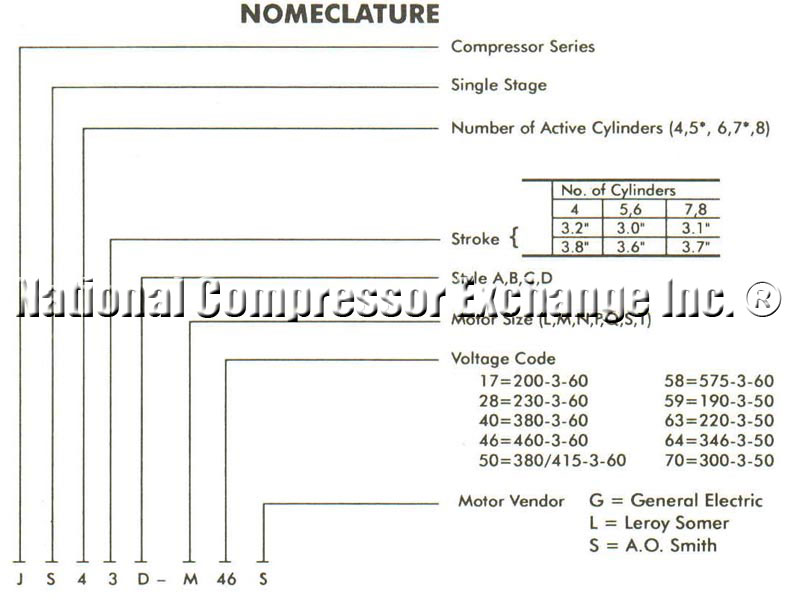
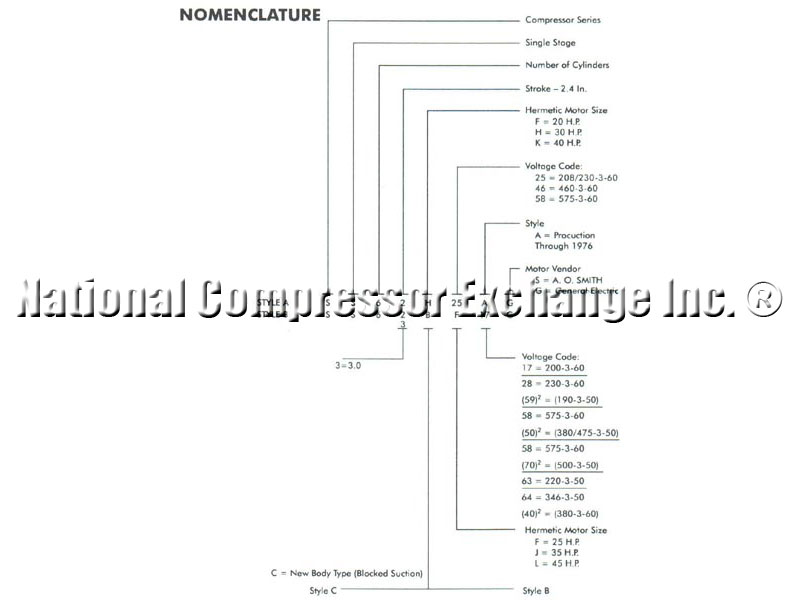
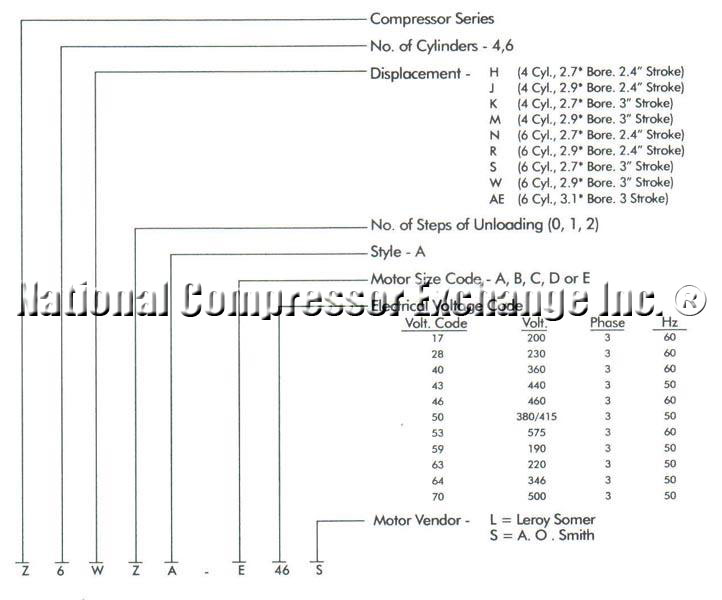
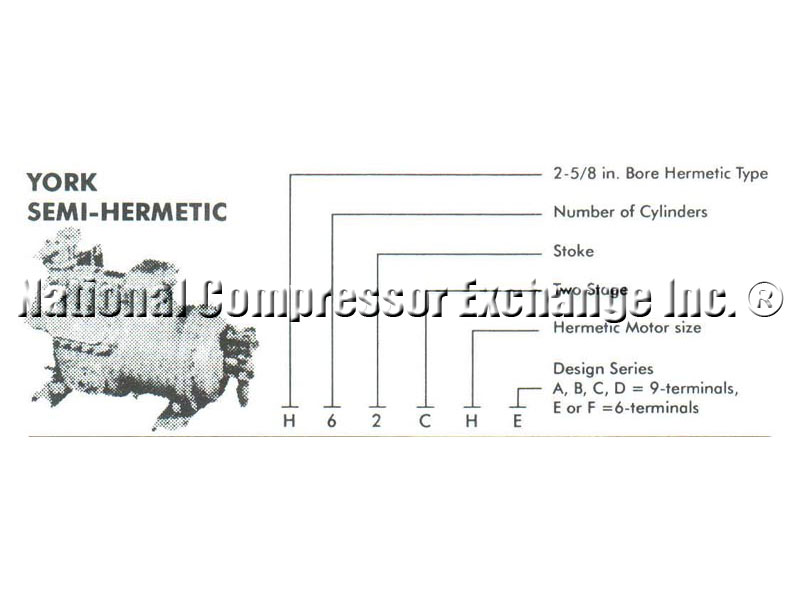
York Model Nomenclature
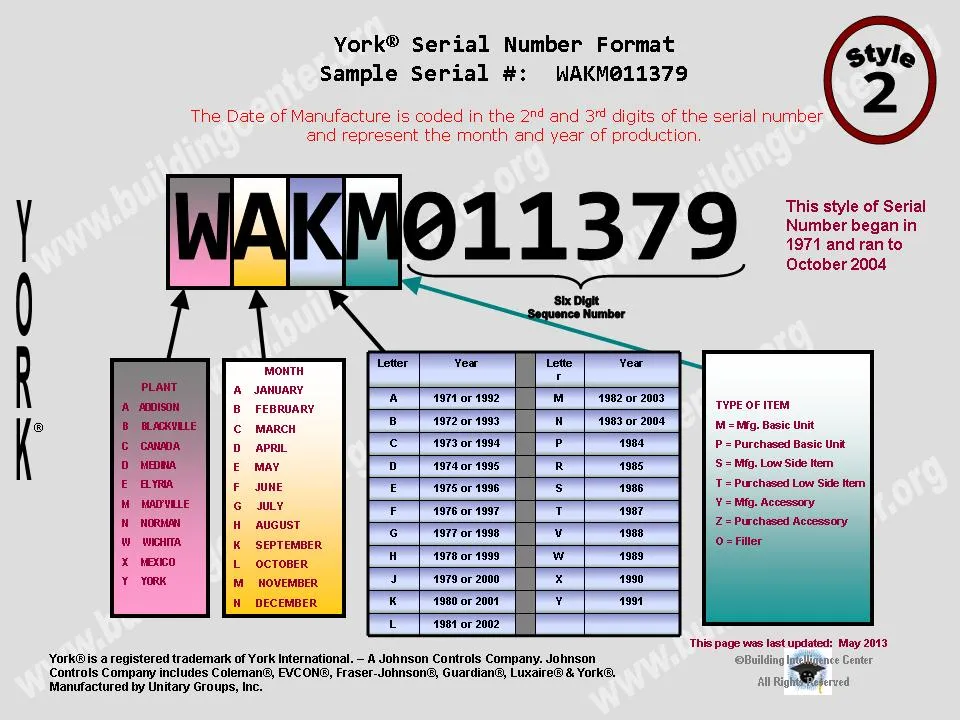
Decoding the language of HVAC systems can feel like cracking a secret code, especially when you're trying to make energy-efficient choices for your home or business. One crucial aspect is understanding model nomenclature – those seemingly random strings of letters and numbers that manufacturers use to identify their products. In this article, we'll demystify York model nomenclature, providing you with the knowledge to choose the right, energy-saving HVAC system for your needs.
Understanding the Basics of York Model Numbers
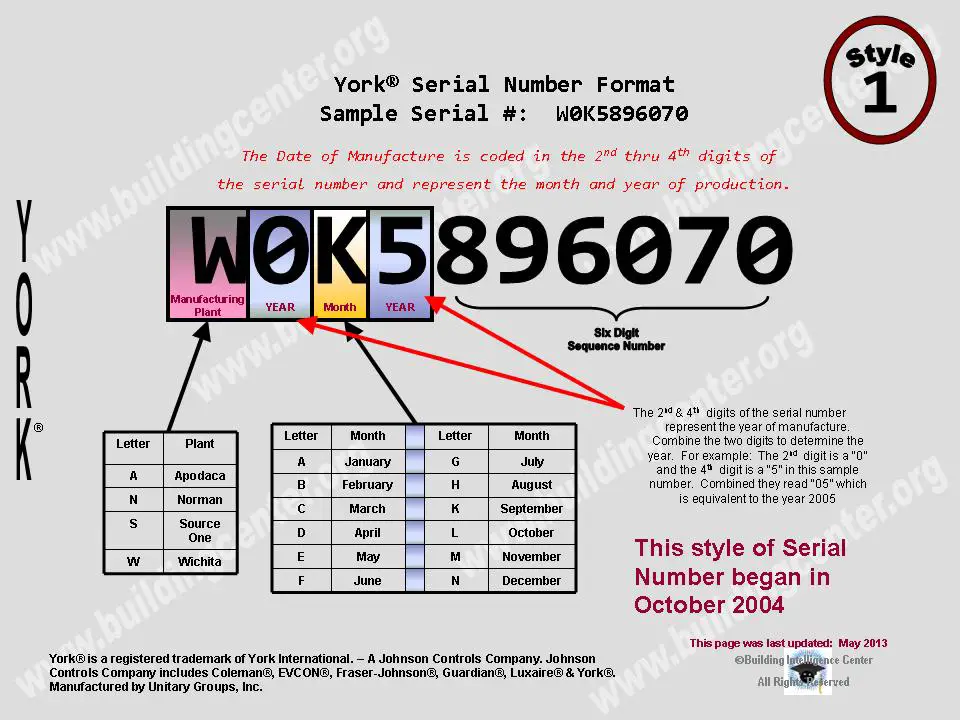
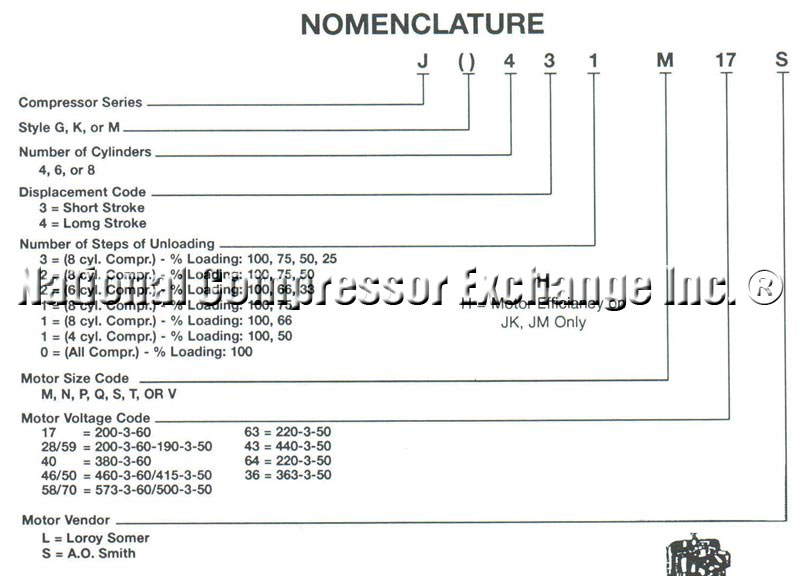
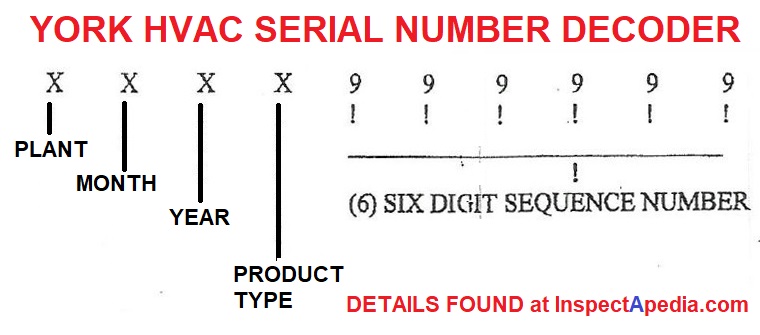
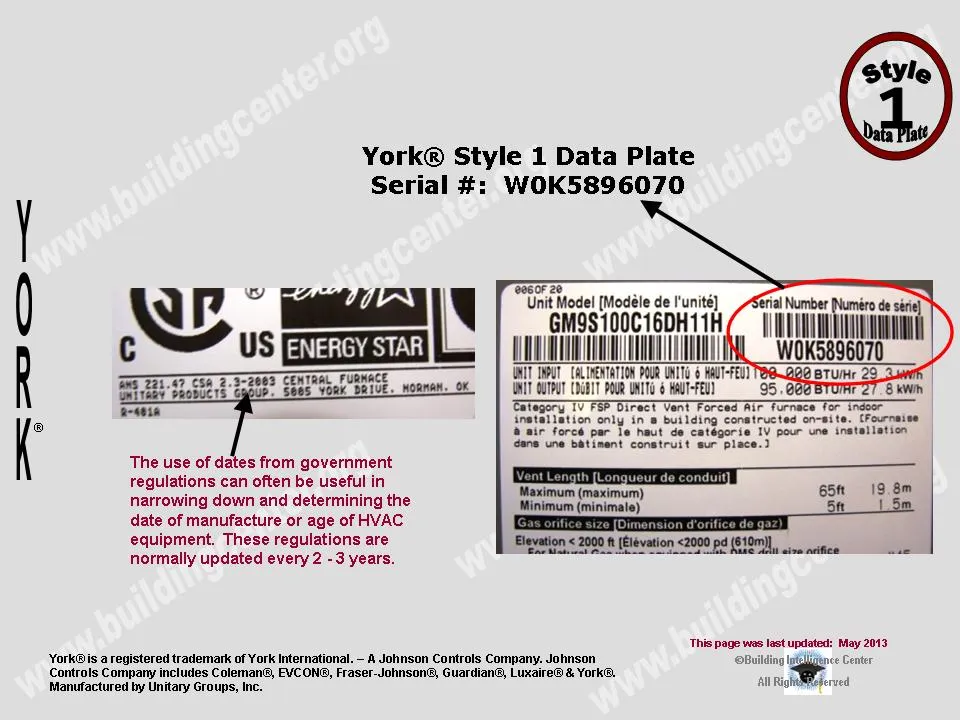
York, a leading HVAC manufacturer, employs a specific system to identify the characteristics and capabilities of its units. While the exact format can vary slightly depending on the product category (e.g., air conditioners, furnaces, heat pumps), certain common elements are present. Let's break down a typical York model number to illustrate the key components:
Example Model Number: YZV0494-CEE
Each section provides valuable information about the unit's features and performance. While this is a simplified example, it highlights the core principles behind York's naming conventions.
Common Elements in York Model Numbers
- Product Type Prefix: The initial letters often indicate the type of equipment. For example:
- YV: Usually indicates a chiller
- YMC: May indicate an air handler
- TG9S: Often represents a gas furnace
- YHJD: Could refer to a heat pump.
Note: These prefixes are not consistently applied across all York product lines and may vary. Always consult the York product specifications for definitive identification.
- Capacity Indicator: Numbers in the middle section typically relate to the cooling or heating capacity of the unit, measured in BTUs (British Thermal Units). It's not always a direct translation; manufacturers often use a scaled representation. For instance, "049" in our example might correspond to a nominal cooling capacity of 49,000 BTU/hr, or roughly 4 tons. Understanding the BTU requirements for your space is critical for efficiency, preventing oversizing or undersizing your system.
- Efficiency Rating: The last set of letters and sometimes numbers indicates the efficiency rating of the model. This can include:
- SEER (Seasonal Energy Efficiency Ratio): For air conditioners and heat pumps, a higher SEER rating signifies greater cooling efficiency. Energy Star certified models typically have a SEER rating of 15 or higher.
- HSPF (Heating Seasonal Performance Factor): For heat pumps, a higher HSPF rating indicates greater heating efficiency. Energy Star certified models usually have an HSPF of 8.5 or greater.
- AFUE (Annual Fuel Utilization Efficiency): For furnaces, a higher AFUE rating signifies greater fuel efficiency. Models with 90% AFUE or higher are considered high-efficiency.
In our example, "CEE" may indicate a specific efficiency tier within the York product lineup. Consult the York product documentation to verify what this code means.
- Series or Design Revision: Sometimes, model numbers include letters or numbers that denote the specific series or design revision of the unit. This is important for identifying compatible replacement parts and understanding potential updates or improvements to the model.
Decoding York Air Conditioner Model Numbers
Air conditioners are a major source of energy consumption, especially during peak summer months. Understanding the model nomenclature helps you choose the most energy-efficient option. Look for the SEER rating within the model description or in the product specifications. Aim for models with higher SEER ratings to minimize your energy bills and carbon footprint. Many utility companies offer rebates for installing high-efficiency air conditioners, making the investment even more attractive.
Example: A York YCG series air conditioner might have a model number like YCG18S41S. The "18" could indicate 18,000 BTU/hr (1.5 tons), and the "S41" might indicate a specific SEER rating or features within that series.
Unraveling York Furnace Model Numbers
Furnaces are rated by AFUE (Annual Fuel Utilization Efficiency). A higher AFUE means that a greater percentage of the fuel is converted into usable heat, reducing wasted energy and lowering your heating bills. York furnaces offer a range of AFUE ratings, with some models exceeding 95%. These high-efficiency furnaces often qualify for tax credits and utility rebates.
Example: A York TM9V series furnace might have a model number like TM9V080B12MP11. "TM9V" designates the series, "080" often represents 80,000 BTU/hr input capacity, and the combination of letters and numbers at the end specify the blower motor type, cabinet size, and other features.
Deciphering York Heat Pump Model Numbers
Heat pumps provide both heating and cooling, making them a versatile and energy-efficient option for many climates. York heat pump model numbers will typically include information related to both SEER (cooling) and HSPF (heating) ratings. Consider models with higher ratings in both categories to maximize energy savings year-round. Heat pumps are becoming increasingly popular due to their efficiency and potential to reduce reliance on fossil fuels.
Example: A York YHJD series heat pump might have a model number like YHJD36S41S. The "36" could indicate 36,000 BTU/hr (3 tons), and the "S41" might indicate SEER/HSPF rating or features within that series.
The Role of Energy Star and Government Guidelines
Energy Star is a government-backed program that helps consumers identify energy-efficient products. Look for the Energy Star label when choosing your York HVAC system. Energy Star certified models meet stringent efficiency standards and can save you significant money on your energy bills over the lifespan of the unit. Furthermore, many states and utility companies offer rebates and incentives for installing Energy Star certified HVAC systems.
Smart HVAC Integration for Enhanced Efficiency
Modern York HVAC systems can be integrated with smart thermostats and sensors, providing enhanced control and energy savings. Smart thermostats learn your heating and cooling preferences and automatically adjust the temperature to optimize comfort and efficiency. They can also be controlled remotely via smartphone apps, allowing you to adjust the temperature even when you're away from home. Integrating smart sensors can further enhance efficiency by monitoring occupancy and adjusting the HVAC system accordingly. Some York models offer native compatibility with popular smart home platforms.
Benefits of smart HVAC integration include:
- Reduced energy consumption: Smart thermostats and sensors optimize energy usage based on your needs and preferences.
- Improved comfort: Smart systems maintain consistent temperature and humidity levels, enhancing your comfort.
- Remote control: Manage your HVAC system from anywhere using your smartphone or tablet.
- Predictive maintenance: Some smart systems can detect potential problems and alert you before they become major issues, saving you money on costly repairs.
Finding York Product Specifications and Resources
The most reliable way to decode a specific York model number is to consult the manufacturer's product specifications. You can find this information on the York website or by contacting a local York dealer. York also provides a wealth of online resources, including product brochures, installation manuals, and warranty information. Your local HVAC contractor can provide assistance too.
ROI (Return on Investment) Considerations: Investing in a high-efficiency York HVAC system can provide a significant return on investment over time through reduced energy bills and lower maintenance costs. Factor in potential rebates and tax credits when calculating your ROI. Consider getting quotes from multiple HVAC contractors to ensure you're getting the best price and service.
York Model Nomenclature for Commercial Applications
While the principles discussed above apply to both residential and commercial York HVAC systems, commercial models often have more complex nomenclature due to the wider range of configurations and features. For example, larger commercial chillers may have model numbers that incorporate information about the refrigerant type, compressor type, and control system.
When selecting a York HVAC system for a commercial building, it's essential to work with a qualified HVAC engineer who can assess your specific needs and recommend the most efficient and cost-effective solution. They can also help you navigate the complexities of commercial HVAC rebates and incentives.
Ultimately, understanding York model nomenclature empowers you to make informed decisions when choosing an HVAC system. By paying attention to the product type, capacity, efficiency rating, and other key indicators, you can select a system that meets your needs, maximizes energy savings, and provides a comfortable and healthy indoor environment. Don't hesitate to leverage online resources or consult a qualified HVAC professional for assistance.