York Model Numbers Lookup
Understanding York Model Numbers: Your Guide to HVAC Troubleshooting and Repair
Your York HVAC system keeps your home comfortable, but when issues arise, knowing how to decipher the model number is the first step towards diagnosis and repair. This guide will walk you through locating and understanding your York model number, helping you find the right parts, troubleshooting guides, and even estimate repair costs.
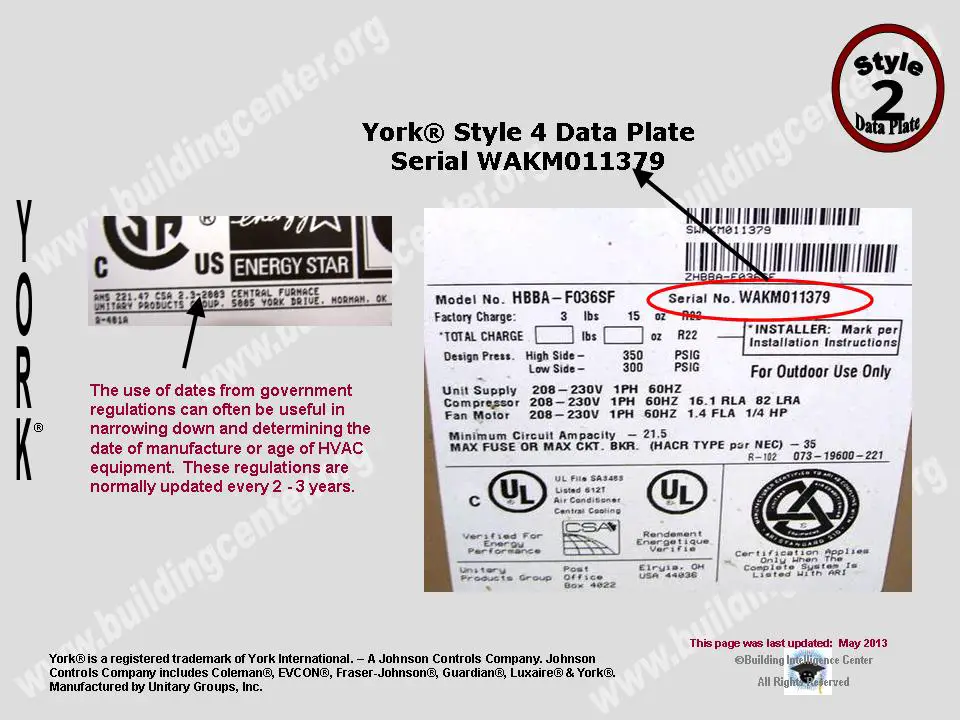
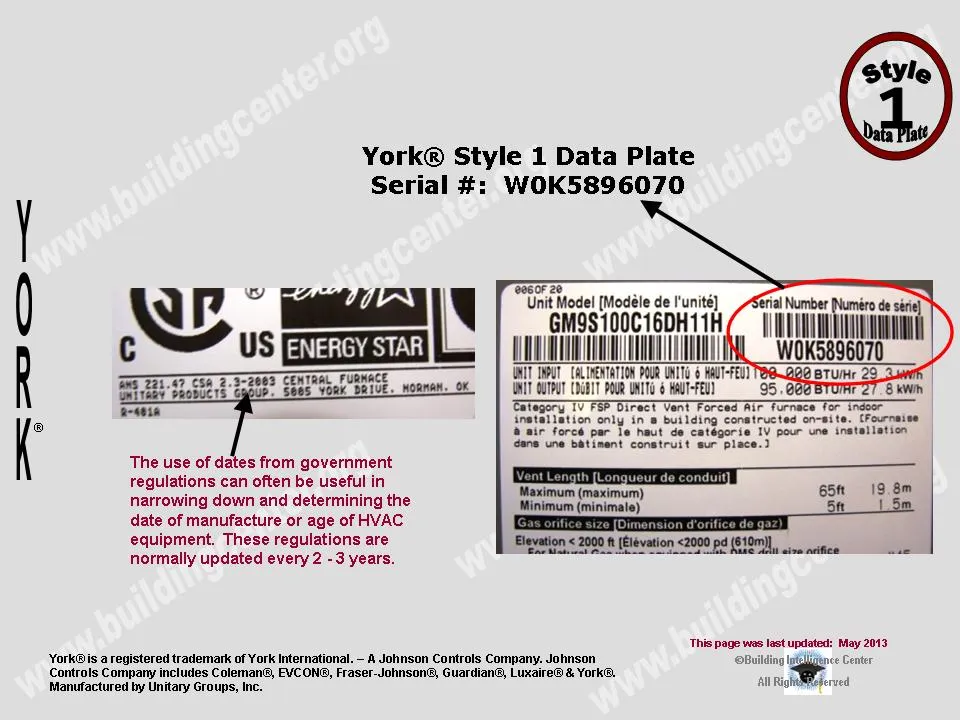
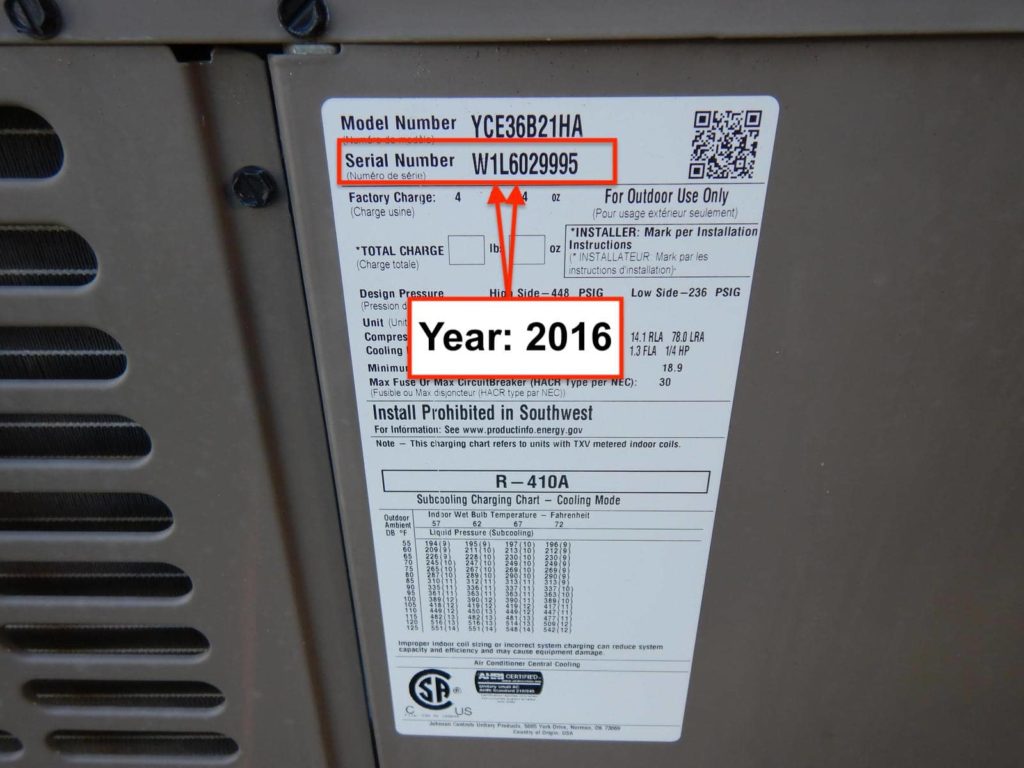
Where to Find Your York Model Number
The location of your York model number varies depending on the type of unit. Here's a breakdown:
- Air Conditioners (Outdoor Unit): Look for a metal nameplate or sticker on the side of the unit, usually near the top or front.
- Furnaces (Indoor Unit): The nameplate is typically located inside the furnace cabinet. You may need to remove an access panel. Safety First: Turn off the power to the furnace at the breaker before removing any panels!
- Heat Pumps (Outdoor Unit): Similar to air conditioners, the nameplate is usually on the side of the outdoor unit.
- Air Handlers (Indoor Unit): Check inside the cabinet, often near the blower motor. Again, disconnect power before opening the unit.
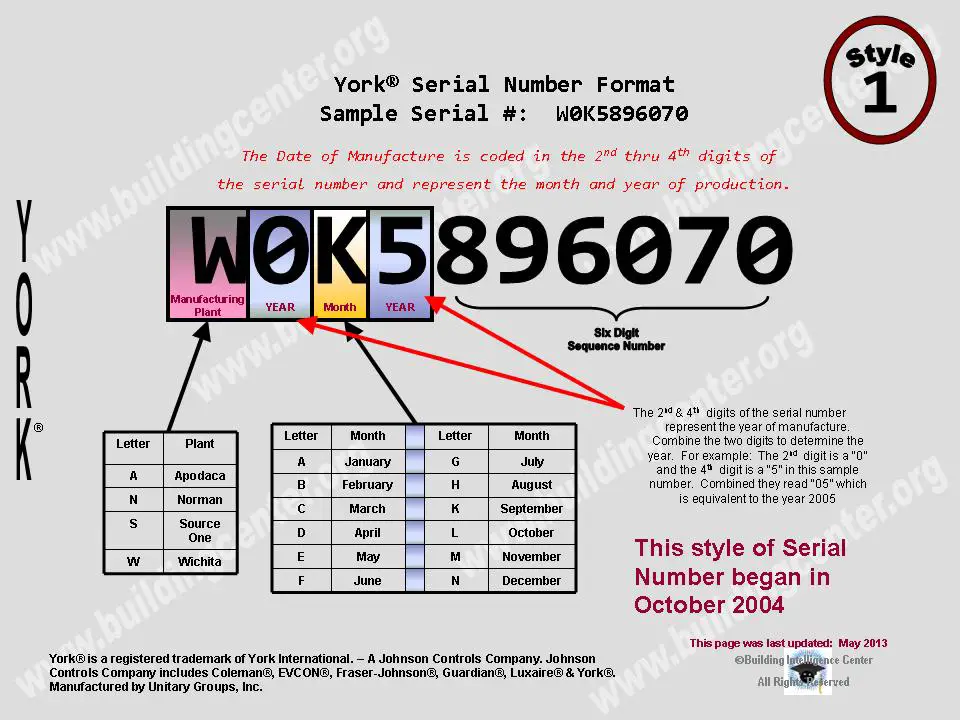
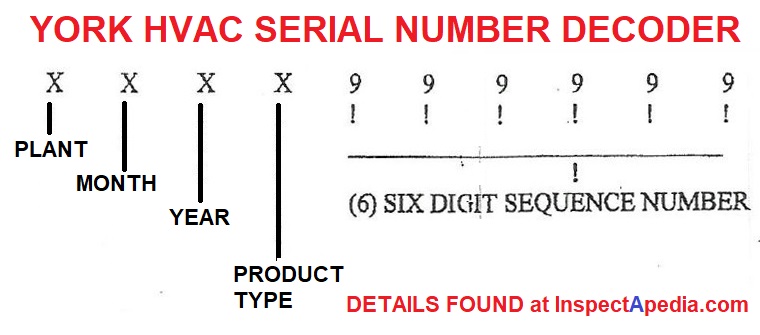
Once you've located the nameplate, you'll see several numbers and letters. The model number is usually the most prominent series of characters. It may be followed by a serial number, which is also important for warranty claims and specific part identification.
Decoding Your York Model Number: What Does It All Mean?
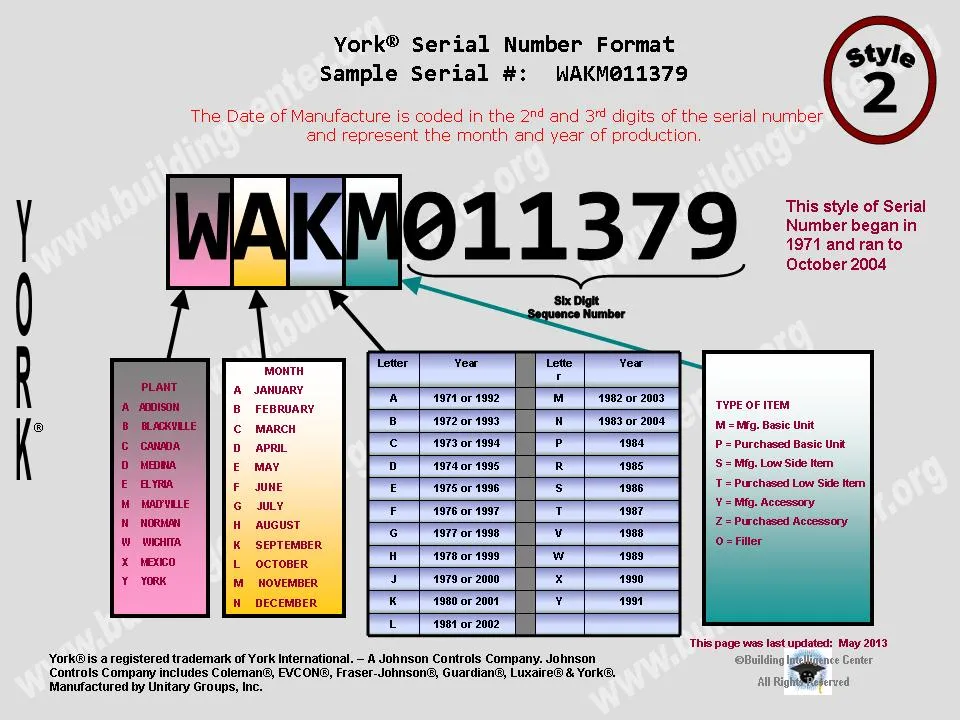
York model numbers can seem cryptic, but they contain valuable information about your system. Here's a general breakdown of what the different parts of the model number typically represent. Keep in mind that the exact format can vary depending on the age and type of unit.
Example: YLRA030100AA
While the exact meaning of each character position can vary, here's a general idea:
- First Few Characters (YLRA): Often indicate the type of equipment (e.g., YLRA might indicate a specific series of air conditioner). YLRA is a very common series designator.
- Middle Numbers (030): Usually related to the unit's capacity or size, often expressed in thousands of BTUs (British Thermal Units). In this case, 030 might represent 30,000 BTUs.
- Next Numbers (100): Could represent the series or version of the model.
- Last Characters (AA): Might indicate specific features, voltage, or manufacturing location.
Important Note: York's model number system can change over time. The best way to understand your specific model number is to consult York's official documentation or contact a York dealer.
Why You Need Your York Model Number
Your model number is crucial for several reasons:
- Finding the Right Replacement Parts: HVAC systems require specific parts for repairs. Using the wrong part can damage your system or render it inoperable. The model number ensures you get the exact replacement.
- Accessing Technical Documentation: Manufacturers like York provide manuals, wiring diagrams, and troubleshooting guides specific to each model. You'll need the model number to find the correct documents online or from a dealer.
- Warranty Claims: If your unit is under warranty, you'll need the model and serial number to file a claim.
- Accurate Repair Estimates: HVAC technicians use the model number to determine the type of system you have, the parts required, and the complexity of the repair, allowing them to provide a more accurate estimate.
Common DIY Troubleshooting (With Caution)
Some basic HVAC troubleshooting can be done safely by homeowners. However, always prioritize safety and know your limits. If you're uncomfortable working with electricity or gas, call a qualified HVAC technician.
Tools You Might Need:
- Screwdrivers (various sizes and types)
- Voltage tester
- Multimeter
- Wrench set
- Pliers
- Safety glasses
- Work gloves
Common Issues and Potential DIY Solutions (Use Your Model Number to Find Specific Guides):
- Dirty Air Filter: Replace the air filter regularly (every 1-3 months). A dirty filter restricts airflow, reducing efficiency and potentially damaging the system. Find the correct filter size using your model number information.
- Tripped Breaker: Check the breaker for your HVAC system in your electrical panel. If it's tripped, reset it. If it trips again immediately, call an electrician or HVAC technician.
- Thermostat Problems: Ensure the thermostat is set correctly and the batteries are fresh. Consult your thermostat's manual (easily found with your York model number) for troubleshooting steps.
- Dirty Condenser Coils (Outdoor Unit): Carefully clean the condenser coils with a garden hose. Important: Turn off the power to the unit before cleaning! Use a gentle spray and avoid bending the fins.
When to Call a Professional
While some issues can be resolved with DIY, others require the expertise of a qualified HVAC technician. Here are some situations where you should always call a pro:
- Refrigerant Leaks: Refrigerant is a hazardous substance. Only licensed technicians can handle refrigerant.
- Electrical Problems: Working with high voltage can be dangerous. Leave electrical repairs to the professionals.
- Gas Leaks: If you suspect a gas leak, evacuate your home immediately and call the gas company or fire department.
- Compressor Issues: The compressor is the heart of your air conditioner or heat pump. Compressor repairs are complex and require specialized tools and knowledge.
- Any Repair You're Uncomfortable With: Don't risk your safety or damage your system. If you're unsure about a repair, call a professional.
Estimating Repair Costs
Repair costs vary depending on the problem, the parts required, and the labor rates in your area. Having your York model number readily available will help you get more accurate estimates from HVAC contractors. Here are some general cost ranges for common repairs:
- Air Conditioner Compressor Replacement: $1,500 - $4,000+
- Furnace Blower Motor Replacement: $300 - $800
- Refrigerant Leak Repair: $200 - $1,000+ (depending on the severity of the leak)
- Thermostat Replacement: $100 - $500
Note: These are just estimates. Always get multiple quotes from qualified HVAC contractors before making a decision. Providing them with your York model number ensures they can accurately assess the situation and provide a reliable estimate.
Finding York Documentation and Support
York offers a variety of resources to help you maintain and repair your HVAC system. Here's how to find the information you need:
- York Website: Visit the official York website. You can often find product manuals and troubleshooting guides by searching with your model number.
- York Dealers: Contact a local York dealer. They can provide expert advice, replacement parts, and professional repair services.
- Online HVAC Forums: Many online forums are dedicated to HVAC repair. You can often find helpful information and advice from other homeowners and technicians. Disclaimer: Always verify the information you find online with a qualified professional.
Safety First!
Working with HVAC systems can be dangerous. Always follow these safety precautions:
- Turn off the power to the unit before performing any work.
- Wear safety glasses and work gloves.
- Never work on gas lines unless you are a qualified technician.
- If you're unsure about a repair, call a professional.
In Conclusion: Knowledge is Power
Understanding your York model number is a powerful tool for homeowners and DIY enthusiasts. It allows you to find the right parts, access technical documentation, and get accurate repair estimates. By following the tips in this guide and prioritizing safety, you can keep your York HVAC system running smoothly for years to come.