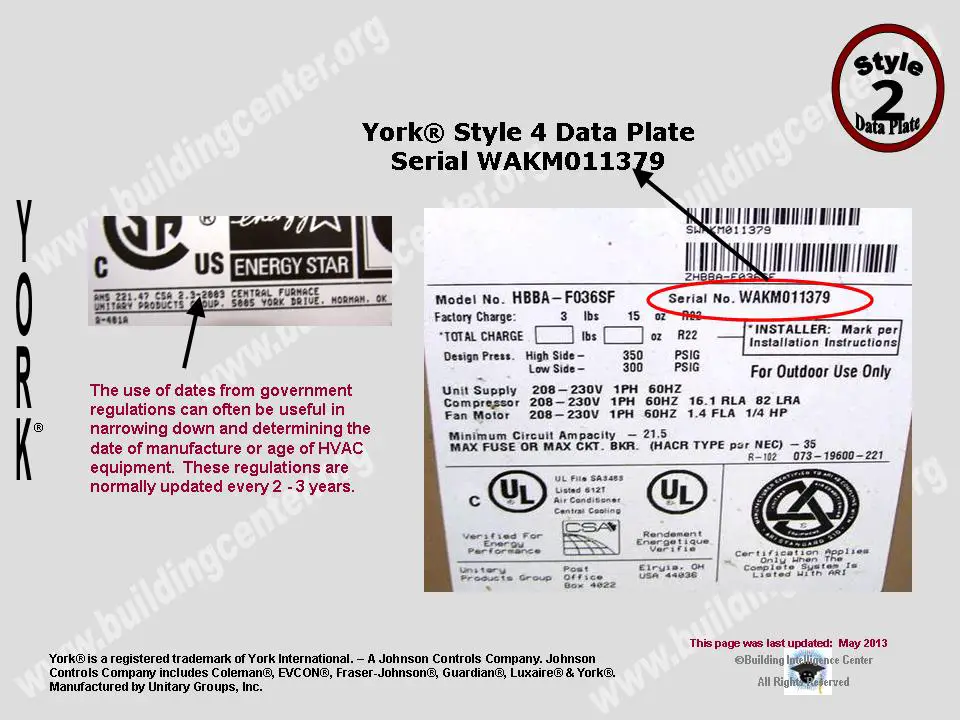
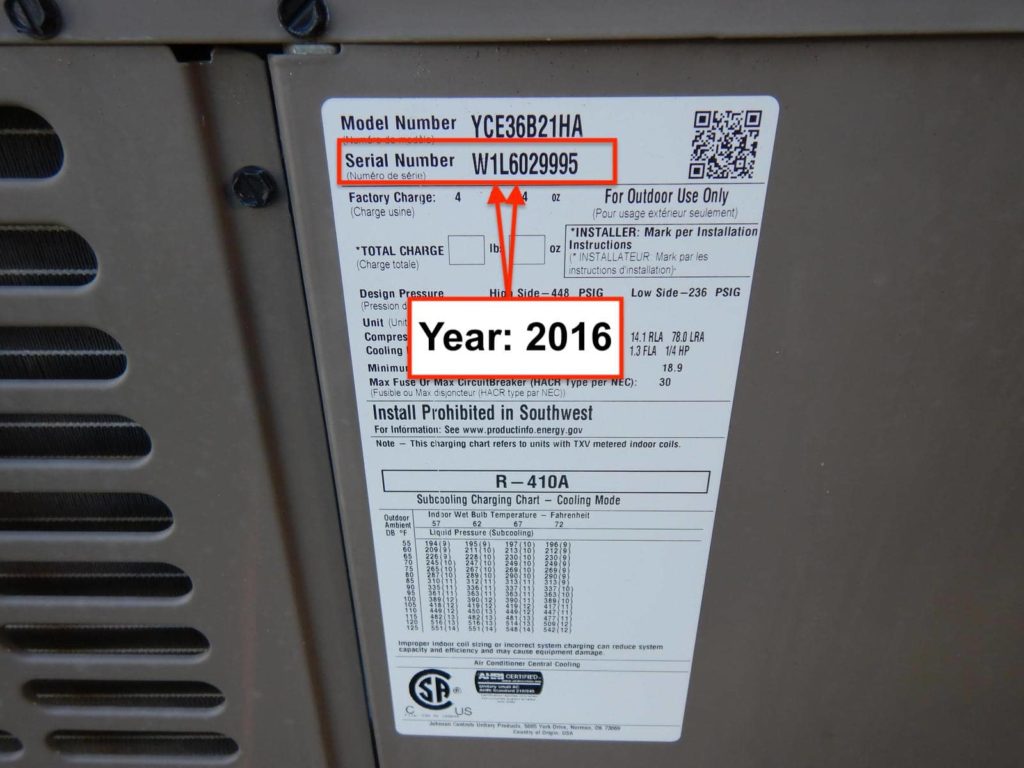
York Rtu Model Number Nomenclature
Decoding York RTU Model Numbers: A Comprehensive Guide for HVAC Buyers
Choosing the right rooftop unit (RTU) for your commercial or large residential space can be daunting. York, a well-respected name in the HVAC industry, offers a wide range of RTUs, each designed for specific performance and efficiency needs. Understanding York RTU model number nomenclature is crucial for selecting the best unit for your requirements. This guide breaks down the seemingly complex coding system, empowering you to make informed decisions.
Why Understanding Model Numbers Matters
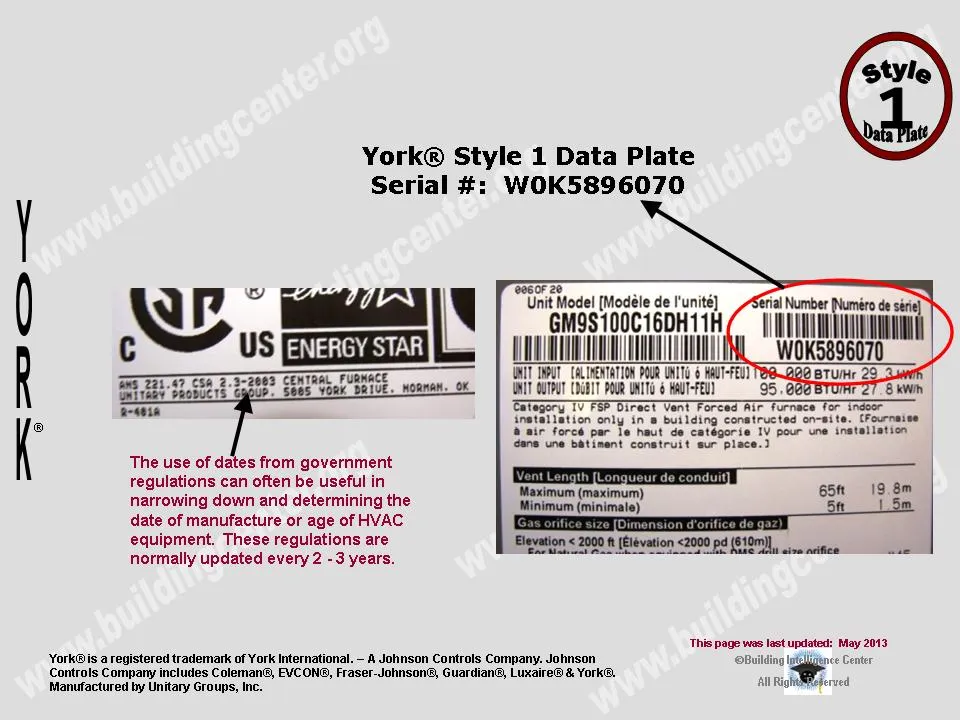
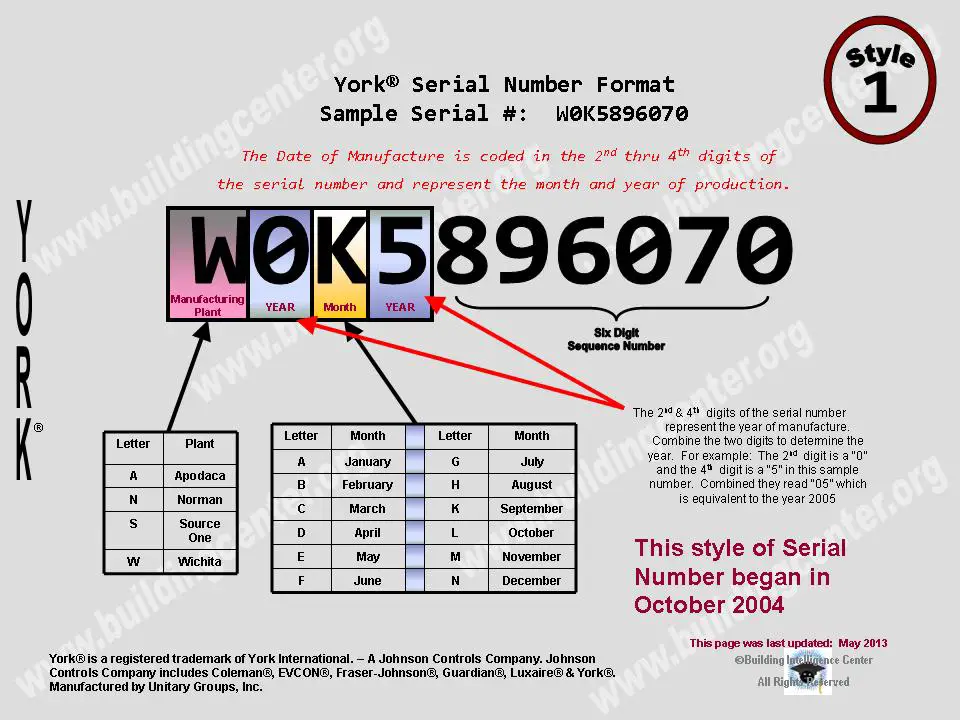
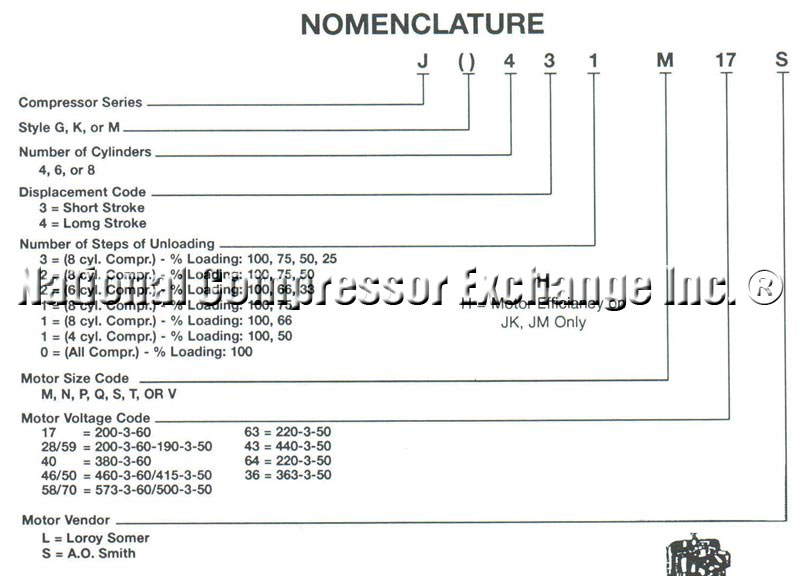
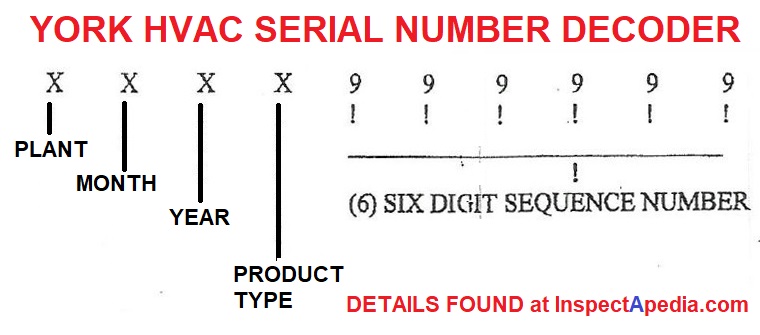
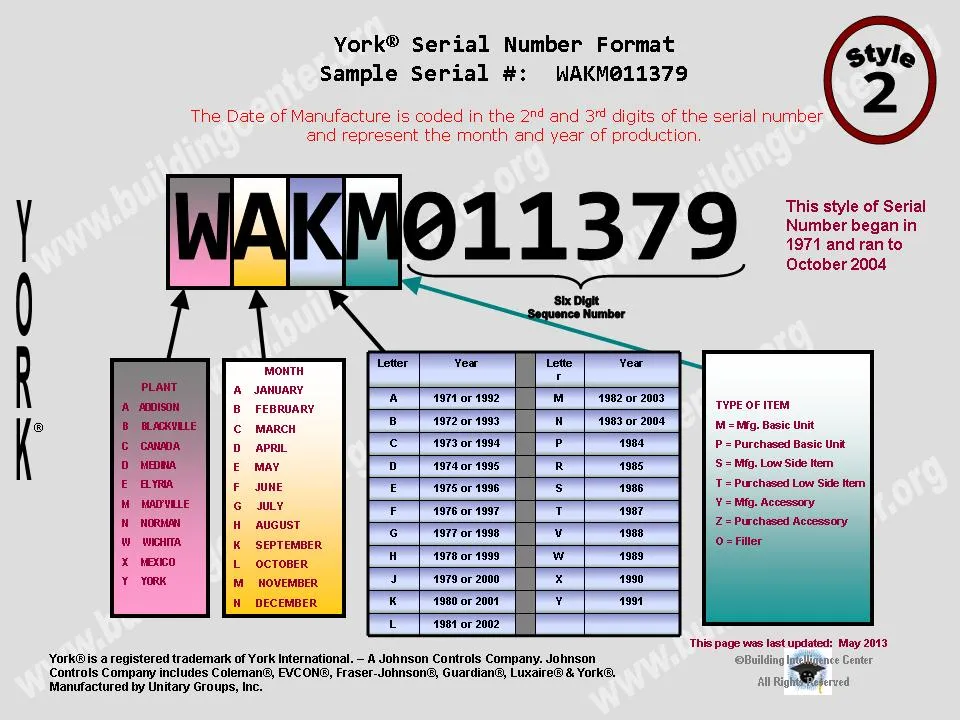
York's model numbers aren't just random strings of characters. They contain vital information about the unit's capacity, efficiency, features, and series. Deciphering these codes allows you to quickly compare different models, identify compatible components, and ensure the RTU meets your building's specific heating and cooling demands.
Anatomy of a York RTU Model Number
While the exact format can vary slightly depending on the specific series, a typical York RTU model number follows a general pattern. Let's dissect a hypothetical example: YMAC150S4E. Each segment reveals key specifications:
1. The Prefix: Brand and Product Type
The first one to three letters usually indicate the brand and the type of equipment. In this example, YM typically denotes a York unit. The "AC" signifies that this is an Air Conditioning unit. Other possible prefixes might include:
- YP: York packaged unit
- DG: York gas furnace
- ZH: York heat pump
2. Capacity: Cooling Capacity in Tons
The next two or three digits represent the cooling capacity of the unit in tons. In our example, "150" corresponds to 15.0 tons of cooling (150,000 BTU/h). This is a crucial factor in determining whether the unit can adequately cool your space. A properly sized RTU will provide optimal comfort and efficiency. Undersized units will struggle to maintain the desired temperature, while oversized units can lead to short cycling and reduced dehumidification.
3. Staging/Series: Single or Multi-Stage Operation
The next digit usually indicates the staging capability of the unit. This can also be part of the Series indicator if there is no staging capability. Common indicators here include: 'S' = Single Stage, 'D' = Dual Stage. In our example, 'S' denotes single stage operation. This means the unit runs at full capacity whenever cooling is required. Multi-stage units, on the other hand, can operate at different capacity levels, providing more precise temperature control and potentially improved energy efficiency.
4. Voltage
The next number is the voltage of the unit. In our example, '4' refers to the voltage. Always check the unit's voltage to ensure that it matches the electrical supply in your building. Using an incorrect voltage can damage the unit and pose a safety hazard. Consult a qualified electrician for assistance if you are unsure about your building's voltage.
5. Series/Features: Specific Model and Features
The final letter or combination of letters usually denotes the specific model series and may indicate additional features or design characteristics. In our example, 'E' might represent a specific series within the York RTU lineup, potentially indicating a specific level of efficiency, control options, or construction materials. Consult York's product literature or your HVAC dealer to understand the specific features associated with this series.
York RTU Features and Considerations
Beyond the model number, several factors influence the performance and suitability of a York RTU. Consider these aspects when making your decision:
Efficiency Ratings: SEER, EER, and IEER
Efficiency ratings are critical for minimizing operating costs and environmental impact. York RTUs are rated based on: * SEER (Seasonal Energy Efficiency Ratio): Measures cooling efficiency over an entire season. Higher SEER ratings indicate better energy efficiency. * EER (Energy Efficiency Ratio): Measures cooling efficiency under specific conditions (e.g., a fixed temperature and humidity level). * IEER (Integrated Energy Efficiency Ratio): A more comprehensive metric that considers part-load performance, reflecting real-world operating conditions. * AFUE (Annual Fuel Utilization Efficiency): Percentage of fuel converted to heating energy. (For Gas RTUs)
Look for RTUs with high SEER and IEER ratings to maximize energy savings. ENERGY STAR certified models meet stringent efficiency standards.
Capacity and Sizing
Proper sizing is essential for optimal performance. An undersized unit will struggle to cool or heat your space effectively, while an oversized unit can lead to short cycling and reduced dehumidification. Consult a qualified HVAC professional to perform a load calculation to determine the appropriate capacity for your building. Factors to consider include:
- Square footage
- Insulation levels
- Window area and type
- Building orientation
- Climate
- Occupancy levels
Controls and Technology
Modern RTUs offer advanced control options, such as:
- Programmable Thermostats: Allow you to set different temperature schedules for different times of day, optimizing energy consumption.
- Smart Controls: Enable remote monitoring and control via smartphone or tablet, providing greater flexibility and convenience.
- Building Automation System (BAS) Integration: Allows the RTU to communicate with a central building management system, enabling comprehensive control and monitoring of all HVAC equipment.
- Variable Frequency Drives (VFDs): Adjust the motor speed based on the cooling or heating demand, improving energy efficiency and reducing noise.
Maintenance and Service
Regular maintenance is crucial for extending the lifespan of your RTU and ensuring optimal performance. Key maintenance tasks include:
- Filter Replacement: Replace air filters regularly (typically every 1-3 months) to maintain proper airflow and prevent dust and debris from accumulating in the system.
- Coil Cleaning: Clean the evaporator and condenser coils annually to remove dirt and debris that can reduce heat transfer efficiency.
- Belt Inspection and Replacement: Inspect and replace belts as needed to ensure proper fan operation.
- Refrigerant Charge Check: Have a qualified technician check the refrigerant charge periodically to ensure optimal cooling performance.
- Drain Cleaning: Clear the condensate drain line to prevent water damage and mold growth.
Consider purchasing a service agreement with a reputable HVAC contractor to ensure regular maintenance and prompt repairs.
York RTU Model Comparisons
York offers a diverse lineup of RTUs to suit various needs and budgets. Here's a brief comparison of some popular series:
- York Predator Series: Known for their rugged construction and reliable performance, often used in demanding commercial applications.
- York Affinity Series: High-efficiency models designed for energy savings and quiet operation.
- York LX Series: Offers a balance of performance and affordability, suitable for a wide range of applications.
It's recommended to compare the specifications and features of different models within each series to find the best fit for your specific requirements.
Warranty Information
York offers warranties on its RTUs to protect against manufacturing defects. Warranty coverage typically includes:
- Compressor Warranty: Covers the compressor for a specified period (e.g., 5-10 years).
- Parts Warranty: Covers other components of the unit for a specified period (e.g., 1-5 years).
Be sure to register your RTU with York to activate the warranty. Carefully review the warranty terms and conditions to understand the coverage and any limitations.
Choosing the Right York RTU: A Step-by-Step Guide
- Determine Your Cooling and Heating Needs: Consult a qualified HVAC professional to perform a load calculation and determine the appropriate capacity for your building.
- Establish Your Budget: Consider both the initial purchase price and the long-term operating costs (e.g., energy consumption, maintenance).
- Research Different Models: Compare the specifications and features of different York RTUs, paying attention to efficiency ratings, control options, and warranty coverage.
- Obtain Quotes from Multiple Contractors: Get quotes from several reputable HVAC contractors to compare prices and services.
- Review the Proposals Carefully: Ensure that the proposals include all necessary components and services, such as installation, ductwork modifications, and permits.
- Select the Best Contractor and Model: Choose the contractor and model that best meet your needs and budget.
Popular York RTU Models (Examples)
Please note that model availability and specifications can change. Always verify the latest information with your York dealer.
- YMAC240S4E: York Air Conditioning RTU, 20 tons, Single Stage. (Example based on nomenclature understanding)
- YPXXX: (Insert Actual Model Number and Specs Here - Example)
Concluding Thoughts
Deciphering York RTU model number nomenclature is a valuable skill for anyone involved in selecting HVAC equipment. By understanding the information encoded in these numbers, you can make more informed decisions, ensuring that you choose the right unit for your specific needs and budget. Remember to consult with qualified HVAC professionals to ensure proper sizing, installation, and maintenance.
Disclaimer: This guide provides general information about York RTU model numbers. The exact format and meaning of model numbers may vary depending on the specific series and model year. Always refer to York's product literature or consult with a qualified HVAC professional for accurate and up-to-date information.